The 2026 Meal Prep Grid: How to Mix and Match Proteins, Carbs, and Veggies for Zero Boredom
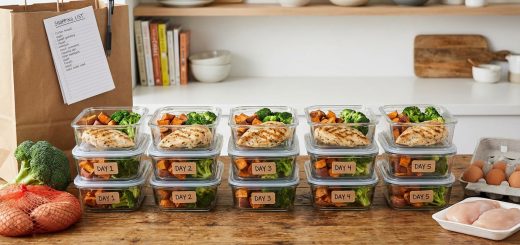
You know that feeling when you open your fridge on Wednesday and realize you have five identical containers of chicken, rice, and broccoli staring back at you. The first one was good. By the third, you were eating it while scrolling for takeout. That is not meal prep success. That is a food rut.
The problem is not your cooking. The problem is your system. Most people prep by making one recipe in bulk. That guarantees boredom by day three. But what if you could prep a week of varied meals without spending extra hours in the kitchen? That is exactly what the meal prep grid does. It is a modular approach that lets you mix and match proteins, carbs, and veggies so every meal feels different.
The meal prep grid is a modular system where you batch cook three components separately: proteins, carbs, and veggies. By rotating combinations across the week, you get 9 to 18 unique meals from just a few hours of work. No single recipe makes more than one serving of boredom. This method keeps your macros balanced and your taste buds happy.
Why the Grid Works When Recipes Fail
A single recipe is a straight line. You cook it, you eat it, you repeat until you cannot look at it anymore. The meal prep grid is a circle. You prepare a few base ingredients, then assemble them in different ways. The variety comes from the combination, not from cooking something new each night.
Think about it this way. If you make a batch of lemon herb chicken, a batch of chipotle lime chicken, a batch of roasted sweet potatoes, and a batch of garlic green beans, you already have four different meal combinations. Swap the proteins or change the carb and you get a completely different plate. That is the grid in action.
How to Build Your First Meal Prep Grid
The grid works on a simple principle: cook components, not complete meals. Here is the step by step process to set up your own.
-
Pick three proteins. Choose a mix of animal and plant sources. Think grilled chicken breast, ground turkey, and black beans. Or salmon, tofu, and lean beef. Variety here is the anchor of the whole system.
-
Pick three carbs. Go for different textures and flavors. Roasted sweet potatoes, quinoa, and brown rice work well. Or try cauliflower rice for a lower carb option, regular rice, and roasted potatoes.
-
Pick three veggies. Choose a mix of colors and cooking methods. Roasted broccoli, sauteed spinach, and bell pepper strips are a solid start. Roasted zucchini, sauteed kale, and cherry tomatoes also work.
-
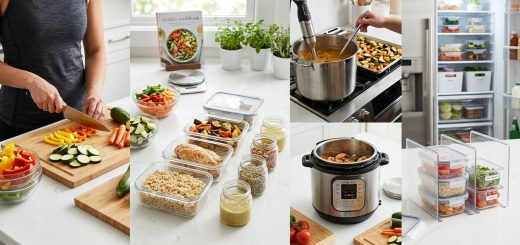
Batch cook everything on Sunday. Roast your sweet potatoes while you grill chicken. Cook quinoa on the stovetop while your green beans steam. You can do all of this in about 90 minutes if you stay organized. For a deeper look at the full Sunday process, check out our sunday meal prep blueprint: 3 hours to a week of clean eating success.
-
Store each component separately. Use separate containers for each protein, each carb, and each veggie. Do not mix them until you are ready to eat.
-
Assemble daily. Grab one container from each category and heat them together. That is it. You now have a unique meal every time.
The Math of Zero Boredom
Here is where the grid shines. With three proteins, three carbs, and three veggies, you have 3 x 3 x 3 possible combinations. That is 27 distinct meals. Even if you repeat a few favorites, you will not hit the same plate twice in a week.
| If you prep this many components | You get this many meal combinations |
|---|---|
| 2 proteins, 2 carbs, 2 veggies | 8 unique meals |
| 3 proteins, 3 carbs, 3 veggies | 27 unique meals |
| 4 proteins, 3 carbs, 4 veggies | 48 unique meals |
Most people only need about 14 meals for a full week of lunches and dinners. With the 3x3x3 grid, you have nearly double that. Leftovers become a bonus, not a burden.
Common Mistakes That Break the Grid
The meal prep grid is simple, but a few missteps can turn your variety system back into a boring routine. Avoid these.
-
Using the same seasoning for everything. If all your proteins taste like garlic and pepper, they will feel the same. Give each protein a distinct flavor profile. Go with lemon pepper for one, smoky chipotle for another, and a soy ginger glaze for the third. For ideas on keeping flavors interesting, read our guide on how to meal prep 150g protein daily without getting bored.
-
Cooking carbs that reheat poorly. Some carbs turn to mush. Avoid pasta that overcooks or rice that dries out. Stick with sturdy options like quinoa, farro, roasted potatoes, or sweet potatoes. They hold their texture across the week.
-
Forgetting to prep sauces and toppings. A drizzle of tahini dressing, a spoonful of salsa verde, or a sprinkle of toasted nuts transforms a bowl. Prep two or three sauces on Sunday and keep them in small jars. They add a new layer of flavor without extra work.
-
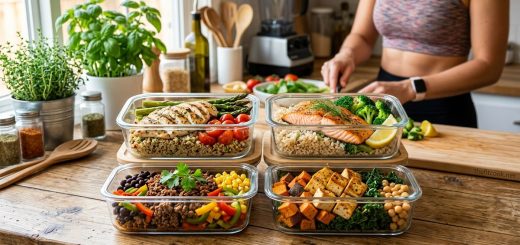
Storing everything in one big container. If you mix your components before storing, you lose the ability to swap. Keep proteins, carbs, and veggies in separate containers. Glass containers with dividers work well. For more on storage, see our guide to the best containers for meal prep that keep food fresh for 7 days.
A Sample Grid to Get You Started
Here is a real example of a meal prep grid that works for a busy week.
Proteins:
– Lemon herb chicken thighs
– Ground turkey taco meat (seasoned with cumin and chili)
– Canned chickpeas (rinsed and tossed with olive oil and smoked paprika)
Carbs:
– Roasted sweet potato cubes
– Cooked quinoa
– Brown rice
Veggies:
– Roasted broccoli florets
– Sauteed spinach with garlic
– Diced bell peppers (raw or roasted)
Optional flavor boosters:
– A jar of cilantro lime dressing
– A jar of spicy peanut sauce
– A bag of toasted pumpkin seeds
On Monday, you eat lemon herb chicken with quinoa and roasted broccoli. On Tuesday, you eat ground turkey taco meat with sweet potatoes and sauteed spinach. On Wednesday, you eat chickpeas with brown rice and bell peppers. By Thursday, you can start mixing leftovers from earlier days. The combinations feel endless.
How to Scale the Grid for Different Goals
The grid adapts to your macros, not the other way around. If you are training hard and need more protein, prep four proteins instead of three. If you are on a lower carb plan, swap one carb for an extra serving of veggies. If you want to keep things very simple, start with just two of each category. Even 2x2x2 gives you eight meals, which is enough for most lunch and dinner slots.
For a low carb approach, try our 30 low carb meal prep recipes that actually keep you full all week. If you are focused on building muscle, our 5-day muscle building meal prep on a budget: complete shopping list included pairs perfectly with the grid method.
The grid is not about cooking more. It is about cooking smarter. Batch the components, not the meals, and you will never dread opening your fridge again.
Why Your Taste Buds Deserve the Grid
Eating the same thing every day is not just boring. It can make you fall off your nutrition plan. When you crave variety, you are more likely to order out or grab something processed. The meal prep grid removes that temptation by giving you the variety you want without extra effort.
Think of it like building a wardrobe. You do not wear the same outfit every day. You have a few pairs of pants, several shirts, and different shoes. You mix them. The meal prep grid is the same idea for your plate. A few protein options, a few carb options, a few veggie options, and you are dressed for a week of satisfying meals.
Your First Grid Challenge
Try this for your next prep day. Pick two proteins, two carbs, and two veggies. Cook them separately. Then for the next four days, eat a different combination every lunch and dinner. Notice how your brain reacts to the variety. You will likely feel less meal fatigue and more excitement about your food.
Once you master the 2x2x2 grid, expand to 3x3x3. Add a new protein or a new veggie each week. Before you know it, you will have a rotating library of components that you can mix and match without thinking.
Building a System That Lasts
The meal prep grid is not a recipe. It is a framework. That is why it works for the long term. You are not tied to a specific ingredient list. You can swap in seasonal vegetables, try new protein sources, or experiment with different grains. The structure stays the same while the ingredients change.
If you want to take it even further, pair the grid with a few key tools. A good set of glass containers, a reliable instant read thermometer, and a rice cooker can cut your prep time significantly. For a full list of kitchen essentials, our 15 clean eating pantry staples every health conscious cook needs is a great starting point.
Start Mixing, Stop Dreading
You do not need a dozen new recipes to fix meal prep boredom. You need a better system. The meal prep grid gives you that system. It turns your weekly cooking into a flexible, creative process that keeps your macros on point and your taste buds engaged.
Next Sunday, try it. Cook three components. Store them separately. Assemble them differently each day. Watch how your relationship with meal prep changes. You might even look forward to opening your fridge.