Stop Guessing: How to Calculate Your Exact Post-Workout Protein Needs for Faster Recovery
You crush your workout. You push through the last rep. You leave the gym dripping in sweat. Then you stand in front of the fridge wondering how much protein you actually need to eat. The generic advice online says “20 to 40 grams.” That is a huge range. It is the difference between a small chicken breast and a massive shake. Guessing means you are either wasting protein or shortchanging your recovery. Neither is good.
Your post-workout protein needs depend on your lean body mass and the intensity of your session, not a one-size-fits-all number. Using a post-workout protein needs calculator removes the guesswork. Aim for 0.4 to 0.55 grams per kilogram of lean body mass. That precise range maximizes muscle protein synthesis and speeds recovery without waste.
Why Generic Protein Advice Fails You
The old rule of thumb “eat 30 grams after a workout” worked for some people. But it ignored a critical fact: your body is not the same as your training partner’s. A 150-pound female runner doing a 5K has different recovery needs than a 200-pound male powerlifter hitting a PR on deadlifts.
Your muscles repair and grow through a process called muscle protein synthesis. That process needs a specific amount of the amino acid leucine to kickstart. Too little protein and you barely trigger repair. Too much and your body just oxidizes the excess for energy. You want the sweet spot.
A post-workout protein needs calculator accounts for your unique body composition. It adjusts for the type of training you did. It gives you a number you can trust.
How to Calculate Your Post-Workout Protein Needs
Follow these four steps to get your personalized number. You will need a scale and an honest look at your training intensity.
Step 1: Find Your Lean Body Mass
Your total body weight includes fat mass. Fat tissue does not need protein for repair. So you need to know your lean body mass. If you have access to a body composition scale or a recent DEXA scan, use that number. If not, use this estimate:
- For men: Lean body mass = total weight x 0.85 (rough estimate)
- For women: Lean body mass = total weight x 0.78 (rough estimate)
These are not perfect, but they are close enough for our purposes.
Step 2: Rate Your Workout Intensity
Not all workouts are equal. Rate yours on this scale:
- Low intensity: Yoga, light walking, easy bike ride, mobility work
- Moderate intensity: Jogging, circuit training, moderate lifting (60-75% of max)
- High intensity: Heavy lifting, sprints, HIIT, endurance events, competition training
Step 3: Apply the Multiplier
Use this table to find your personal protein range:
| Workout Intensity | Protein per Kilogram of Lean Body Mass |
|---|---|
| Low | 0.25 grams |
| Moderate | 0.40 grams |
| High | 0.55 grams |
Step 4: Do the Math
Multiply your lean body mass in kilograms by the multiplier from the table.
Example: You weigh 180 pounds (82 kg) with an estimated lean mass of 70 kg. You just finished a heavy leg day (high intensity). Your calculation: 70 kg x 0.55 = 38.5 grams of protein.
That is your target. Aim for that amount within two hours after your workout.
Common Mistakes People Make
Even with a calculator, people mess up. Here are the most frequent errors and how to avoid them:
- Using total body weight instead of lean mass: This overestimates needs by 15-20%. Always use lean body mass.
- Ignoring workout intensity: A light jog does not demand the same protein as a heavy squat session. Adjust your multiplier.
- Waiting too long to eat: The anabolic window is real but wider than you think. You have up to two hours for optimal results. Eating within 30 minutes is ideal but not required.
- Eating too much protein in one sitting: Your body can only use so much at once. Spreading protein across the day works better than one giant post-workout shake.
- Forgetting about carbs: Protein rebuilds. Carbs replenish glycogen. You need both for full recovery. Do not skip the carbs after intense training.
For a deeper look at these pitfalls, check out our guide on why your high protein diet isn’t working.
The Best Post-Workout Protein Sources
You have your number. Now you need to hit it. Here is a quick list of high-quality protein sources that work great after training:
- Chicken breast (3 oz): 26 grams
- Greek yogurt (1 cup): 23 grams
- Whey protein powder (1 scoop): 25 grams
- Eggs (3 large): 18 grams
- Cottage cheese (1 cup): 28 grams
- Canned tuna (3 oz): 22 grams
- Edamame (1 cup): 17 grams
For plant-based athletes, our ultimate guide to plant-based protein meals covers complete protein combinations.
A Practical 3-Step Process for Your Next Workout
- Weigh yourself and estimate your lean body mass using the formula above. Write it down. Keep it on your phone.
- Rate your workout intensity before you even start training. Set a mental note of the multiplier you will use.
- Prep your post-workout meal or shake ahead of time. Use the 15-minute post-workout meals guide for ideas. Having it ready prevents poor choices when you are tired and hungry.
How to Adjust When You Hit a Plateau
Your protein needs change as you get stronger. Every few months, recalculate. If you gained 5 pounds of muscle, your lean body mass went up. Your protein target goes up too. If you switched from moderate lifting to a powerlifting program, your intensity multiplier changes.
Revisit the post-workout protein needs calculator every 12 weeks. It keeps your nutrition aligned with your progress.
The Role of Meal Prep in Hitting Your Target
Knowing your number is one thing. Hitting it consistently is another. That is where meal prep saves you. When you batch cook your post-workout meals, you remove the guesswork during the week.
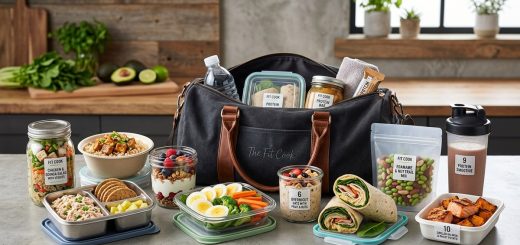
Our sunday meal prep blueprint shows you how to prep 3 hours and have a week of recovery meals ready. Each container is labeled with the protein content. Grab and go.
If you struggle with variety, the how to meal prep 150g protein daily guide offers 10 different meal combinations so you never get bored.
How Your Protein Needs Change Based on Training Style
| Training Type | Recommended Multiplier | Example (70 kg lean mass) |
|---|---|---|
| Endurance (running, cycling) | 0.40 | 28 grams |
| Strength (heavy lifting) | 0.55 | 38.5 grams |
| Mixed (CrossFit, sports) | 0.50 | 35 grams |
| Recovery day | 0.30 | 21 grams |
Use this table as your cheat sheet. Pin it to your fridge or save it in your notes app.
What Science Actually Says About the Anabolic Window
You have heard the phrase “anabolic window” thrown around. Some people say it closes in 30 minutes. Others say 2 hours. The truth is somewhere in the middle.
Research from 2026 shows that muscle protein synthesis stays elevated for up to 24 hours after resistance training. The highest response happens in the first 2 hours. Eating protein within that window gives you the best results. But waiting 3 hours is not a disaster. Consistency matters more than perfection.
That said, do not use this as an excuse to skip post-workout nutrition. Aim for the 2-hour window. Prep your food ahead of time. Use our meal prep sunday post-workout meals to stay on track.
Putting It All Into Action
Stop guessing. Start calculating. Your body does not respond to averages. It responds to precision.
Here is your action plan for this week:
- Calculate your lean body mass today.
- Pick your multiplier based on your hardest workout this week.
- Prep three post-workout meals or shakes that hit your target number.
- Eat within 2 hours after training.
- Recalculate in 12 weeks.
If you want a complete system for building meals that match your macros, our macro-friendly meal prep guide walks you through a full week of balanced eating.
Your Recovery Starts With One Number
You track your sets. You track your reps. You track your sleep. Why would you leave your post-workout protein to chance? That number is the fuel your muscles need to rebuild stronger. Get it right, and your recovery speeds up. Your soreness decreases. Your progress accelerates.
Use the method above. Plug in your numbers. Then go cook something that helps you grow. Your next workout will thank you.