7 Easy Ways to Hit Your Protein Target Without Shakes or Supplements
You do not need another tub of chalky vanilla powder sitting at the back of your pantry. Plenty of people ditch protein shakes because of the cost, the digestive discomfort, or simply because they prefer real food. The good news is that hitting your daily protein target without supplements is completely doable. In fact, it often tastes better and keeps you fuller longer.
You can easily hit your daily protein goal without ever touching a shaker bottle. Focus on high-protein whole foods like eggs, Greek yogurt, cottage cheese, chicken, fish, and legumes. Use simple cooking strategies like batch cooking proteins, adding collagen to coffee, and choosing smarter cuts of meat. With a little planning, you can get 150g of protein from real food alone.
Why Whole Foods Beat Powders for Protein
Protein powders are processed. They lack the fiber, vitamins, and minerals that come naturally attached to whole food protein sources. When you eat a chicken breast, you also get B vitamins and selenium. When you eat Greek yogurt, you get calcium and probiotics. Real food also triggers a stronger satiety response. You feel full because your stomach has to work to break down the food.
Many people also find that whey or plant-based powders cause bloating or gas. Whole foods rarely cause the same issues. And from a budget perspective, a bag of lentils or a dozen eggs costs far less per gram of protein than a tub of isolate powder.
Your 5-Step Process for Protein Without Supplements
Follow this process to build a day of eating that hits your target without any powders.
-
Calculate your baseline. Know your daily protein number. A good starting point for most active people is 1.6 to 2.2 grams per kilogram of body weight. For a 175-pound person, that means roughly 130 to 175 grams of protein per day.
-
Build every meal around a protein anchor. Before you add rice, potatoes, or vegetables, pick your protein source. That might be 6 ounces of chicken, 4 eggs, or a cup of cottage cheese. Make that the largest portion on your plate.
-
Add a high-protein breakfast. This is the meal most people miss. Without a solid breakfast, you spend the rest of the day playing catch up. Aim for at least 30 grams of protein at breakfast.
-
Layer in protein-rich snacks. Between meals, choose snacks that contribute real protein. Think beef jerky, hard-boiled eggs, edamame, or a single-serve Greek yogurt cup.
-
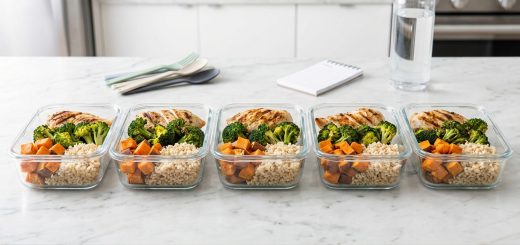
Use smart cooking techniques. Marinate lean meats to keep them moist. Use a meat thermometer to avoid overcooking. Batch cook proteins on Sunday so you always have something ready. This removes the excuse of convenience.
The Best Whole Food Protein Sources (Ranked by Protein Density)
Not all protein sources are equal. Some give you more protein per calorie and per dollar. Here is a list of the most efficient options.
- Chicken breast (skinless): About 31 grams of protein per 4-ounce serving. Lean, versatile, and affordable.
- Eggs: 6 to 7 grams per large egg. Eat three at breakfast and you are already at 20 grams.
- Greek yogurt (plain, nonfat): 15 to 20 grams per 3/4 cup. Perfect for a snack or base for a bowl.
- Cottage cheese (low-fat): 25 grams per cup. One of the most underrated protein sources.
- Canned tuna or salmon: 22 to 25 grams per 3-ounce serving. No cooking required.
- Lean beef (93/7 ground): 22 grams per 4-ounce serving. Great for burgers, meatballs, and tacos.
- Lentils and legumes: 18 grams per cooked cup. Excellent for plant-based eaters.
- Edamame (shelled): 17 grams per cup. A fantastic snack straight from the freezer.
- Pork tenderloin: 26 grams per 4-ounce serving. Often cheaper than chicken.
- Collagen peptides: 10 to 12 grams per scoop. Not a complete protein, but easy to add to coffee or oatmeal.
Common Mistakes and How to Fix Them
Even with good intentions, people slip up. Here is a table of the most frequent mistakes and the simple fixes.
| Mistake | Why It Happens | The Fix |
|---|---|---|
| Skipping breakfast protein | Morning rush, no plan | Prep egg muffins or overnight oats with Greek yogurt |
| Relying on carb-heavy snacks | Convenience | Swap chips for beef sticks or cottage cheese cups |
| Undercooking lean meat | Dry, unappetizing texture | Use a marinade and a meat thermometer |
| Not eating enough at dinner | Fatigue, low energy | Batch cook proteins so dinner is just reheating |
| Ignoring plant proteins | Limited variety | Add lentils to soups and edamame to salads |
The 3-Step High-Protein Breakfast That Changes Everything
If you fix only one meal, let it be breakfast. A high-protein breakfast sets the tone for the entire day. Here is a simple system.
“The single most effective change my clients make is eating 30 grams of protein at breakfast. After that, the rest of the day falls into place naturally.” – Registered Dietitian, Sarah Holben
First, choose your base. Three eggs scrambled or a cup of cottage cheese works well. Second, add a protein boost. Stir a scoop of collagen into your coffee or top your eggs with smoked salmon. Third, pair it with a slow-digesting carb like oats or a slice of whole grain toast. This combination keeps your blood sugar stable and your hunger in check until lunch.
How to Build a 150g Protein Day (Sample Menu)
Here is what a full day of eating looks like when you hit 150 grams of protein without any shakes.
- Breakfast (40g): 3 scrambled eggs with 1/2 cup cottage cheese and a side of sauteed spinach.
- Lunch (45g): 6 ounces of grilled chicken breast over a bed of mixed greens with chickpeas and a Greek yogurt dressing.
- Snack (20g): One cup of shelled edamame sprinkled with sea salt.
- Dinner (45g): 6 ounces of baked salmon with roasted broccoli and a small sweet potato.
Total protein: 150 grams. No powder, no blender, no fuss.
When to Use Collagen Peptides (The One Exception)
Collagen is not a complete protein because it lacks tryptophan. But it is still a useful tool. You can stir it into hot coffee, oatmeal, or soup without changing the flavor. Each scoop adds about 10 grams of protein. If you are short by 10 to 20 grams at the end of the day, collagen can fill the gap without feeling like a supplement.
Just remember that collagen should not replace whole food proteins. Use it as a finisher, not a foundation.
Your No-Supplement Protein Toolkit
Keep these items in your kitchen and pantry to make hitting your target effortless.
- A digital kitchen scale for portion control
- A meat thermometer to prevent dry chicken
- A good nonstick skillet for eggs
- A batch of hard-boiled eggs in the fridge at all times
- Single-serve Greek yogurt cups for grab-and-go snacks
- Canned fish like tuna and salmon for zero-cook meals
- Frozen edamame for an instant protein snack
Why This Approach Works Long Term
Supplements are a crutch. They work in the short term, but they rarely build sustainable habits. When you learn to cook and eat real food for protein, you develop skills that last a lifetime. You learn how to season a chicken breast so it tastes amazing. You figure out the perfect egg scramble. You stop relying on a powder to do the work for you.
This is the difference between a diet and a lifestyle.
Your Next Step
Start with one change. Pick breakfast. Tomorrow morning, eat three eggs or a cup of cottage cheese instead of cereal or toast. Do that for one week. Once that feels natural, add a high-protein snack in the afternoon. Then work on dinner. Stack the habits one at a time.
For more meal prep ideas that support this approach, check out our guide on how to meal prep 150g protein daily without getting bored. It pairs perfectly with the strategies above.
You do not need a tub of powder. You just need a plan and a little time in the kitchen. You have both.