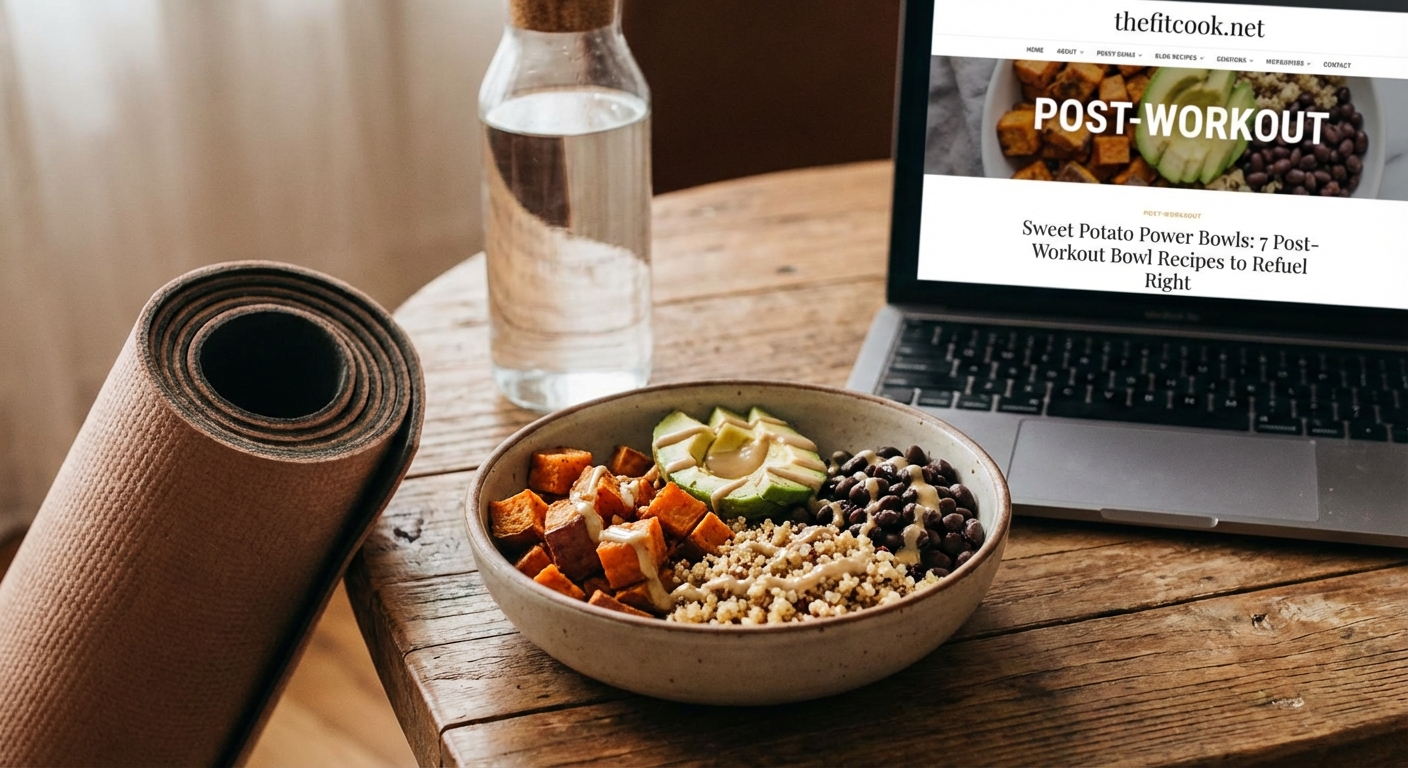
Sweet Potato Power Bowls: 7 Post-Workout Bowl Recipes to Refuel Right
You just crushed your workout. Your muscles are screaming for nutrients. You need real food that actually tastes good, not another bland chicken breast.
Sweet potato power bowls solve that problem. They pack everything your body needs after training into one satisfying dish. Complex carbs to replenish glycogen. Lean protein to rebuild muscle. Healthy fats to reduce inflammation. And they taste incredible.
A sweet potato power bowl combines roasted sweet potatoes with lean protein, fresh vegetables, and a flavorful dressing to create the ideal post-workout meal. This customizable recipe delivers 30-40g protein, complex carbohydrates for glycogen replenishment, and essential nutrients for muscle recovery. You can prep components ahead for grab-and-go convenience throughout your week.
Why Sweet Potatoes Belong in Your Post-Workout Meal
Sweet potatoes are fitness fuel disguised as comfort food. One medium sweet potato delivers around 25g of carbohydrates with a moderate glycemic index. That means steady energy release without the crash.
They’re also packed with potassium, which you lose through sweat during training. A single sweet potato provides more potassium than a banana. Add in beta-carotene, vitamin C, and fiber, and you have a nutritional powerhouse.
The carbohydrate timing matters. Your muscles are most receptive to glycogen storage in the 30-90 minute window after training. Sweet potatoes deliver those carbs in a form your body can actually use.
Building Your Perfect Power Bowl
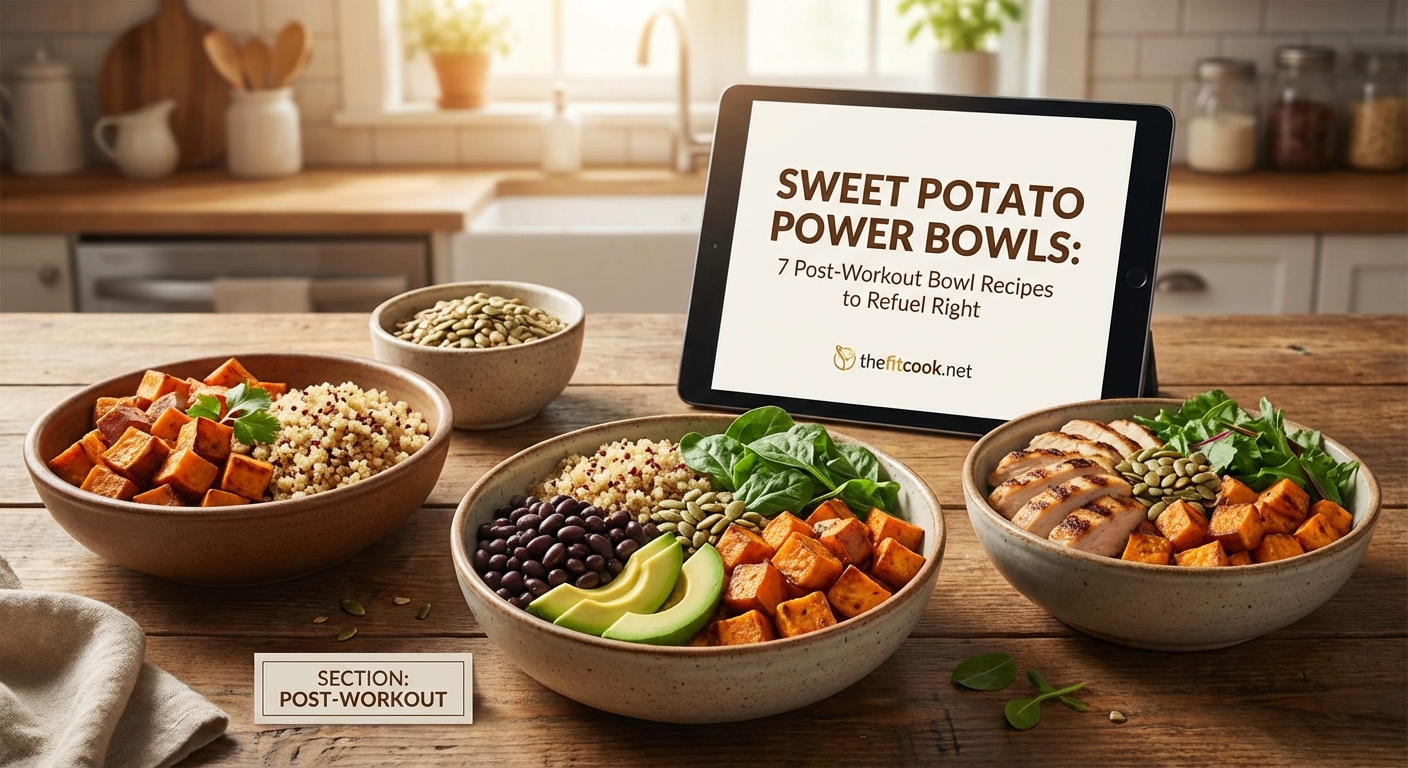
The formula is simple. Start with a base. Add protein. Layer in vegetables. Top with healthy fats and a sauce. The magic is in the balance.
Your base should be about 1 to 1.5 cups of roasted sweet potato cubes. That gives you roughly 30-40g of carbohydrates. Roasting brings out natural sweetness and creates crispy edges that add texture.
Protein options include grilled chicken breast, ground turkey, salmon, tofu, or chickpeas. Aim for 25-35g per bowl. If you’re tracking macros, understanding what your body actually needs helps you hit your targets consistently.
Vegetables add volume, fiber, and micronutrients without many calories. Think spinach, kale, broccoli, bell peppers, or shredded cabbage. The more colors, the better.
Healthy fats come from avocado, nuts, seeds, or olive oil-based dressings. A quarter avocado or tablespoon of tahini provides satiety and helps absorb fat-soluble vitamins.
The Master Sweet Potato Power Bowl Recipe
This version serves one but scales easily for meal prep.
Ingredients:
- 1 medium sweet potato, cubed
- 1 tablespoon avocado oil
- Sea salt and black pepper
- 6 oz grilled chicken breast, sliced
- 2 cups mixed greens
- 1/2 cup roasted broccoli
- 1/4 avocado, sliced
- 2 tablespoons tahini dressing
- 1 tablespoon pumpkin seeds
Preparation:
- Preheat your oven to 425°F.
- Toss sweet potato cubes with avocado oil, salt, and pepper on a baking sheet.
- Roast for 25-30 minutes, flipping halfway through, until crispy on the edges.
- While potatoes roast, season chicken breast with your preferred spices.
- Grill chicken over medium-high heat for 6-7 minutes per side until internal temperature reaches 165°F.
- Toss broccoli florets with a small amount of oil and roast alongside sweet potatoes for the final 15 minutes.
- Assemble your bowl with greens as the foundation, then layer roasted sweet potato, chicken, and broccoli.
- Top with avocado slices, drizzle with tahini dressing, and sprinkle pumpkin seeds.
The entire process takes about 35 minutes. For meal prep efficiency, check out strategies for prepping multiple meals at once to save time during your week.
Protein Variations That Actually Taste Good
Chicken gets boring. Here are alternatives that keep the same macro balance.
Ground turkey option: Brown 6 oz of 93% lean ground turkey with cumin, paprika, and garlic powder. It crumbles nicely over the bowl and adds a savory element.
Salmon version: A 5 oz piece of salmon provides omega-3 fatty acids alongside protein. Season with lemon pepper and bake at 400°F for 12-15 minutes.
Plant-based swap: Baked tofu or tempeh works well. Press extra-firm tofu, cube it, toss with tamari and sesame oil, then bake at 400°F for 25 minutes, flipping once.
Chickpea alternative: Drain and rinse a can of chickpeas, toss with olive oil and spices, then roast at 425°F for 20-25 minutes until crispy. You’ll need about 1.5 cups to hit similar protein levels.
Each protein brings different flavors and textures. Rotate them to prevent meal fatigue.
Sauce and Dressing Options
The sauce makes or breaks your bowl. These five options add flavor without derailing your macros.
Tahini-lemon dressing: Whisk 2 tablespoons tahini, juice of half a lemon, 1 minced garlic clove, and water until pourable. Adds healthy fats and a creamy texture.
Cilantro-lime vinaigrette: Blend fresh cilantro, lime juice, olive oil, garlic, and a pinch of salt. Bright and refreshing.
Spicy peanut sauce: Mix natural peanut butter, rice vinegar, tamari, sriracha, and water. Protein boost with a kick.
Balsamic reduction: Simmer balsamic vinegar until it reduces by half. Drizzle sparingly for a sweet-tangy finish.
Greek yogurt ranch: Combine plain Greek yogurt with dried dill, garlic powder, onion powder, and a splash of lemon juice. High protein and creamy.
Make dressings in larger batches. They keep in the fridge for 5-7 days.
Meal Prep Strategy for Power Bowls
Batch cooking components separately prevents soggy vegetables and maintains food safety. Here’s the system.
Sunday prep routine:
- Roast 4-5 sweet potatoes at once. Store in airtight containers for up to 5 days.
- Cook your protein of choice in bulk. Chicken, turkey, or tofu all keep well.
- Prep vegetables but keep them separate. Wash and chop greens. Roast harder vegetables like broccoli or Brussels sprouts.
- Make one or two dressings for variety throughout the week.
- Portion toppings like nuts, seeds, or avocado into small containers.
Assemble bowls fresh each day or pack components separately if eating away from home. This approach prevents the common issues that make meal prep go bad prematurely.
Store sweet potatoes and proteins together. Keep greens and raw vegetables separate. Pack dressings in small containers or use ice cube trays for perfect portions.
Common Mistakes and How to Avoid Them
| Mistake | Why It Happens | The Fix |
|---|---|---|
| Soggy sweet potatoes | Overcrowding the pan or too much oil | Use one layer, flip halfway, high heat |
| Dry chicken | Overcooking or no marinade | Use meat thermometer, pull at 165°F exactly |
| Watery bowls | Dressing added too early | Keep dressing separate until eating |
| Bland flavor | Under-seasoning components | Season each element individually |
| Wrong macros | Eyeballing portions | Weigh ingredients initially to learn portions |
The biggest mistake is not seasoning your sweet potatoes enough. Salt, pepper, and a touch of smoked paprika or cinnamon transform them from bland to craveable.
Customizing for Different Training Goals
Your nutritional needs change based on your goals. Here’s how to adjust the base recipe.
For muscle building: Increase protein to 40-45g by adding an extra 2 oz of chicken or a hard-boiled egg. Bump sweet potato to 1.5 cups for additional carbs. Add a tablespoon of almond butter to your dressing.
For fat loss: Reduce sweet potato to 3/4 cup. Keep protein at 30-35g. Load up on non-starchy vegetables like spinach, peppers, and cucumbers for volume. Use a lighter vinaigrette instead of creamy dressings.
For endurance training: Increase sweet potato to 2 cups for higher carbohydrate needs. Add quinoa or brown rice as an additional base. Include dried fruit like cranberries for extra fuel.
For maintenance: The base recipe works perfectly. Adjust portions based on your activity level that day.
“Post-workout nutrition doesn’t need to be complicated. Focus on getting quality protein and carbohydrates within an hour of training. Everything else is just optimization.” – Registered Dietitian Nutritionist
Flavor Combinations That Work
These tested combinations prevent boredom while maintaining nutritional balance.
Mediterranean bowl: Roasted sweet potato, grilled chicken, cucumber, tomato, red onion, feta cheese, kalamata olives, and lemon-herb dressing.
Asian-inspired bowl: Sweet potato, teriyaki salmon or tofu, edamame, shredded cabbage, carrots, sesame seeds, and ginger-miso dressing.
Mexican-style bowl: Sweet potato, seasoned ground turkey, black beans, corn, pico de gallo, avocado, and cilantro-lime dressing.
Fall harvest bowl: Sweet potato, roasted chicken, Brussels sprouts, dried cranberries, pecans, and maple-Dijon vinaigrette.
Greek bowl: Sweet potato, grilled chicken, spinach, cucumber, tomato, red onion, chickpeas, and Greek yogurt tzatziki.
Each combination keeps the protein-to-carb ratio consistent while offering completely different flavor profiles.
Budget-Friendly Ingredient Swaps
Eating healthy doesn’t require expensive ingredients. These swaps maintain nutrition while cutting costs.
Replace fresh herbs with dried versions. Use one-third the amount since dried herbs are more concentrated.
Buy frozen vegetables instead of fresh. They’re often cheaper, already prepped, and just as nutritious. Frozen broccoli, spinach, and mixed vegetables work perfectly in power bowls.
Choose chicken thighs over breasts. They’re usually half the price and stay moist even if slightly overcooked. Just trim excess fat before cooking.
Make your own dressings instead of buying specialty bottles. Basic ingredients like olive oil, vinegar, and spices cost less and last longer.
Buy sweet potatoes in bulk when on sale. They store for weeks in a cool, dark place. For more cost-saving strategies, explore building muscle on a budget.
Tracking Your Macros
Understanding the nutritional breakdown helps you hit your targets consistently.
Base recipe macros (approximate):
- Calories: 520
- Protein: 42g
- Carbohydrates: 48g
- Fat: 16g
- Fiber: 8g
These numbers shift based on your specific protein choice and portion sizes. Salmon adds more fat. Tofu reduces overall calories. Extra sweet potato increases carbs.
Track your first few bowls to learn what proper portions look like. After that, you can eyeball measurements with reasonable accuracy.
If you’re serious about hitting specific macro targets, learning how to calculate your personal needs makes meal planning much easier.
Make-Ahead Components for Busy Weeks
Some ingredients prep better than others. Here’s what to make ahead and what to keep fresh.
Prep up to 5 days ahead:
– Roasted sweet potatoes
– Cooked proteins (chicken, turkey, tofu)
– Hard-boiled eggs
– Roasted vegetables (broccoli, Brussels sprouts, cauliflower)
– Most dressings
Prep 2-3 days ahead:
– Chopped raw vegetables
– Washed greens
Add fresh:
– Avocado (oxidizes quickly)
– Fresh herbs
– Crunchy toppings like nuts or seeds
This system gives you flexibility. You can assemble fresh bowls daily in under five minutes or pack everything separately for on-the-go meals.
Many of these components work for other meal prep recipes too, maximizing your Sunday prep session.
When to Eat Your Power Bowl
Timing matters for optimal recovery. Your muscles are primed to absorb nutrients immediately after training.
Aim to eat within 30-90 minutes post-workout. This window is when your body most efficiently replenishes glycogen stores and initiates muscle protein synthesis.
If you train in the morning, your power bowl becomes lunch. Evening workouts make it dinner. The meal works any time because it provides balanced nutrition.
For those who train fasted or early morning, consider a smaller protein-focused snack immediately after training, then eat your full power bowl as your next meal. Post-workout nutrition timing affects your results more than most people realize.
Tools That Make Prep Easier
You don’t need fancy equipment, but a few basics speed up the process.
A sharp chef’s knife cuts prep time in half. Literally. Dull knives make chopping sweet potatoes dangerous and frustrating.
Rimmed baking sheets prevent oil from dripping into your oven. Get two or three so you can roast multiple components simultaneously.
Glass meal prep containers with tight lids keep food fresh longer than cheap plastic versions. They’re also microwave-safe and don’t absorb odors.
A meat thermometer removes guesswork from cooking protein. Perfectly cooked chicken every time.
A salad spinner dries greens thoroughly. Wet lettuce makes soggy bowls and dilutes dressings.
Your Next Steps
Start with the master recipe. Make one bowl this week. Notice how your body feels after eating it compared to your usual post-workout meal.
Then experiment. Try different proteins. Test new vegetable combinations. Find your favorite dressing.
Batch prep components on Sunday. Assemble fresh bowls throughout the week. Track how this approach affects your energy, recovery, and progress toward your fitness goals.
The sweet potato power bowl isn’t just another recipe. It’s a system for consistent, nutritious post-workout eating that actually fits into real life. No complicated meal plans. No expensive ingredients. Just whole foods that fuel your training and taste good enough to look forward to.