7 Common Meal Prep Mistakes That Are Sabotaging Your Fitness Goals
You wake up on Monday, proud of the Sunday afternoon you spent chopping, grilling, and portioning. By Wednesday, your chicken is dry, your veggies are mushy, and you are staring at a sad container of sad food. You wonder why meal prep feels more like punishment than progress. You are not alone.
Most meal prep efforts fail because of a handful of predictable errors: cooking everything exactly the same way, ignoring proper storage, skipping macro balance, prepping too much or too little, neglecting seasoning until reheat, using the wrong containers, and forgetting to plan for variety. Fix these, and your weekly prep will actually support your fitness goals.
Mistake 1: Cooking Everything the Same Way
Throwing chicken breasts, broccoli, and quinoa into separate pans and calling it a day seems efficient. But when you eat the same texture and flavor profile for lunch five days straight, boredom sets in. And boredom leads to takeout.
Variety does not mean extra hours in the kitchen. It means using different cooking methods across your batch. Roast one tray of veggies and steam another. Grill some chicken and shred others for a slow cooker chili. Change the sauce or spice blend from one container to the next.
For example, prep a big batch of ground turkey. Divide it into three bowls. Mix one with taco seasoning, one with marinara, and one with soy sauce and ginger. Suddenly you have three different meals from one protein source. That is the kind of efficiency that keeps you on track.
Expert Tip: Keep a few versatile sauces in your fridge. A simple lemon vinaigrette, a spicy peanut sauce, and a chimichurri can transform the same base ingredients into totally different meals. Make them on prep day and drizzle before serving.
Mistake 2: Ignoring Proper Storage Temperatures
You finish cooking, let the food cool on the counter for an hour, then pack it into containers and toss them in the fridge. That hour at room temperature might be fine for some foods, but for cooked proteins and moist grains, it is a bacteria breeding ground.
The USDA recommends refrigerating perishable foods within two hours. But if you are meal prepping for the week, you want to slow spoilage as much as possible. The key is to cool food down quickly before sealing.
Here is a simple process to follow:
- Spread hot food on a baking sheet or in a shallow dish to increase surface area.
- Place that dish in the fridge uncovered for about 20 minutes.
- Once the food stops steaming, portion it into your containers and seal them.
- Move sealed containers to the back of the fridge where temperature is most consistent.
| Common Mistake | Better Practice |
|---|---|
| Letting food cool slowly on counter | Cool rapidly on a sheet pan, then refrigerate |
| Sealing hot containers, trapping steam | Allow steam to escape before sealing |
| Storing containers in fridge door | Place in main body of fridge for stable temp |
| Using same container for 7 days | Use containers sized for 3-4 days; freeze extras |
If you want your meal prep to last beyond Wednesday, you have to get the temperature right. Check out our guide on why your meal prep goes bad after 3 days (and how to fix it) for more depth.
Mistake 3: Skipping the Macro Check
You might think a container full of grilled chicken and roasted broccoli is a perfect meal. But if your fitness goal is muscle gain or fat loss, the ratio of protein, carbs, and fats matters as much as the ingredients themselves.
A common meal prep mistake is building containers that are either too carb heavy or too low in protein. Without planning your macros ahead of time, you might end up with 20 grams of protein and 70 grams of carbs for lunch. That balance will leave you hungry an hour later and might not support recovery after your workout.
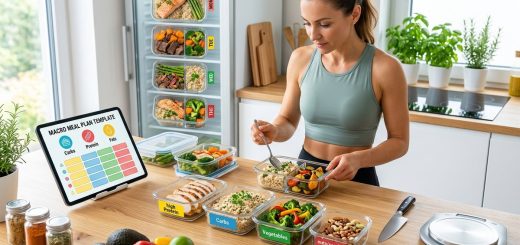
To fix this, take 15 minutes on Sunday to map out your daily targets. Use an app or a simple notebook. Then build each meal around a protein source first, then add veggies, then a carb source, then a fat source.
- Protein: chicken, turkey, eggs, tofu, fish, Greek yogurt
- Carbs: rice, quinoa, sweet potato, oats, beans
- Fats: avocado, nuts, olive oil, seeds, cheese
- Veggies: spinach, broccoli, bell peppers, zucchini, cauliflower
If you are new to tracking, start with our beginner’s guide to calculating macros for your weekly meal prep. It will save you from guesswork.
Mistake 4: Prepping Too Much or Too Little
You see those huge batch cooking videos and decide to prep for 10 days. By day four, your food is either spoiled or so unappetizing that you order pizza. On the flip side, you prep only three days of lunches and end up scrambling for dinner ideas halfway through the week.
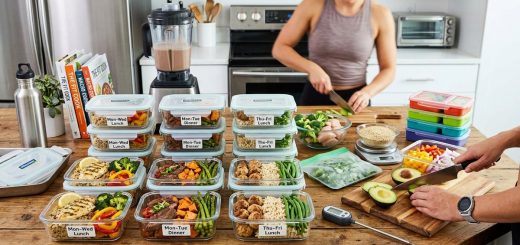
Most fresh cooked meals stay good for about 3 to 4 days in the fridge. After that, texture and flavor degrade significantly. Instead of prepping a full 7 days at once, prep two batches: one for days 1-3 and freeze the rest for days 4-7. That way you always have something fresh to defrost.
For example, cook a double batch of chili or soup. Eat half during the first half of the week, freeze the other half in single portions. On Wednesday night, move a frozen portion to the fridge. Thursday lunch, you have a perfectly good meal.
If you like the idea of bulk cooking but want to avoid waste, read our ultimate macro-friendly freezer meal prep guide for beginners. It shows you exactly how to freeze without ruining texture.
Mistake 5: Seasoning Only at Cook Time
You rely on salt and pepper while cooking, then reheat the food without adding anything. By Friday, every bite tastes like cardboard. Seasoning fades as food sits in the fridge. Herbs lose their punch, spices mellow out, and salt gets absorbed.
The fix is simple: season twice. First, season generously during cooking. Second, add a finishing touch right before eating. Think fresh lemon juice, a sprinkle of red pepper flakes, a dollop of yogurt, or a drizzle of balsamic glaze.
Here is a table of holding ingredients that survive the week and boost flavor at reheat:
| Ingredient | How to Use |
|---|---|
| Hot sauce or sriracha | Add after reheating; keeps heat level high |
| Fresh herbs (parsley, cilantro, basil) | Chop and add just before serving |
| Pickled onions or jalapenos | Tangy pop that does not get soggy |
| Crunchy seeds or nuts | Toss on for texture contrast |
| Citrus zest | Grate on top for instant brightness |
Preparing these small additions on Sunday takes five minutes but makes every lunch feel like a new meal. For more ideas, glance at our one-pan meal prep recipes that actually taste good reheated. They use ingredients that hold up well.
Mistake 6: Using the Wrong Containers
Not all containers are created equal. Plastic containers that are not airtight let in moisture and odors. Glass containers with loose lids allow air circulation that dries out food. And those cheap deli containers from the takeout place will crack in the microwave after one use.
Invest in containers that are:
- Airtight to keep food fresh longer
- Microwave and freezer safe so you can go from freezer to lunch
- Divided to keep wet and dry ingredients separate (no soggy rice)
- The right size for your portions (over stuffing leads to leaks)
If you have ever opened your lunch bag to find sauce all over your gym clothes, you know the pain. A good set of meal prep containers pays for itself in saved frustration and reduced food waste.
For a full comparison of materials and brands, see our best containers for meal prep that keep food fresh for 7 days. It covers glass vs. plastic, BPA-free options, and stackable designs.
Mistake 7: Forgetting to Plan for Variety
You prep five identical containers of chicken and rice. By Tuesday you would rather eat a protein bar. This is the number one reason people abandon meal prep. They associate it with boredom.
The solution is to build a rotation. Instead of making five portions of the same dish, make two or three different dishes and mix them across the week.
Here is a sample approach:
- Sunday cook: large batch of chili, a tray of roasted salmon and asparagus, and a big salad with chickpeas.
- Pack three containers of chili for Monday, Wednesday, Friday.
- Pack two containers of salmon for Tuesday, Thursday.
- Use the salad as a side or base for both.
- Now you have three different lunch combos across the week.
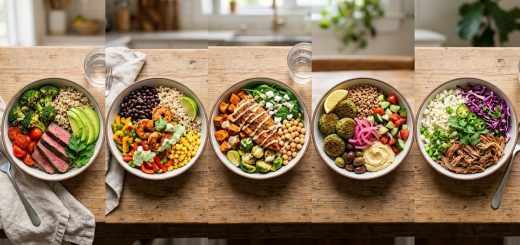
You can also prep ingredients instead of full meals. For example, cook a batch of quinoa, roast a tray of veggies, grill several chicken breasts, and hard boil eggs. Then each day you assemble different bowls: one day quinoa bowl with chicken and avocado, next day salad with egg and veggies, next day stir fry with leftover chicken and quinoa. This method is called ingredient prep, and it gives you variety without extra cooking time.
If you want a structured plan that covers an entire week, check out our sunday meal prep blueprint: 3 hours to a week of clean eating success. It walks you through every step.
Putting It All Together for Lasting Results
Meal prep is a tool, not a punishment. When you avoid these seven common meal prep mistakes, the process becomes something that supports your fitness goals instead of sabotaging them. You will save time, reduce food waste, and actually look forward to opening your lunch container.
Start with just one fix this week. Maybe it is seasoning twice. Or buying better containers. Or prepping only three days at a time. Small changes stack up fast. Before you know it, your Sunday prep will feel effortless, and your weekdays will be fueled by food that tastes good and works for your body.
You have got this. Go make that kitchen work for you.