The Best High Protein Dinner Recipes That Keep You Full Until Morning
Waking up at 2 AM with your stomach growling is frustrating. You ate dinner, but somehow you’re starving before breakfast. The problem isn’t willpower. It’s protein. Most dinners don’t pack enough to keep you satisfied through the night, especially if you’re training hard or trying to build muscle. These high protein dinner recipes change that. Each one delivers at least 35 grams of protein per serving, plus the right mix of fiber and healthy fats to keep hunger at bay until morning.
High protein dinners need 35+ grams of protein per serving to maintain satiety overnight. Combining lean proteins with fiber-rich vegetables and healthy fats slows digestion, stabilizes blood sugar, and prevents midnight hunger. These recipes use simple cooking techniques that preserve nutrients while delivering restaurant-quality flavor. Most take under 30 minutes and reheat beautifully for meal prep.
Why protein at dinner matters more than you think
Your body doesn’t stop working while you sleep. Muscle repair happens overnight. Your metabolism keeps running. Hormones rebalance. All of this requires amino acids from protein.
When you skimp on protein at dinner, your body starts breaking down muscle tissue to get what it needs. That’s the opposite of what you want if you’re trying to build strength or maintain lean mass.
Research shows that eating 30 to 40 grams of protein at dinner supports muscle protein synthesis through the night. It also keeps ghrelin (your hunger hormone) in check so you’re not raiding the pantry at midnight.
But here’s what most people miss. Protein alone isn’t enough. You need fiber to slow digestion and a bit of healthy fat to trigger satiety hormones. That’s the formula these recipes follow.
Building blocks of a satisfying dinner
Every meal in this collection follows a simple framework. Master this and you can create your own variations without counting every macro.
Start with a palm-sized portion of lean protein. That’s about 6 ounces of chicken, fish, or beef for most people. Plant-based eaters can use tofu, tempeh, or a combination of legumes and grains.
Add two fists of non-starchy vegetables. Think broccoli, cauliflower, Brussels sprouts, peppers, or leafy greens. These provide fiber and volume without adding many calories.
Include one thumb of healthy fat. Olive oil, avocado, nuts, or seeds work perfectly. Fat slows gastric emptying, which means you feel full longer.
Optionally add a cupped handful of complex carbs if you’re active. Sweet potatoes, quinoa, or brown rice give you energy for tomorrow’s workout without spiking blood sugar before bed.
This framework makes it easy to hit your protein target while staying satisfied. No calculator required.
Recipe collection that actually tastes good
These aren’t bland chicken and broccoli meals. Each recipe balances nutrition with flavor so you’ll actually want to eat them.
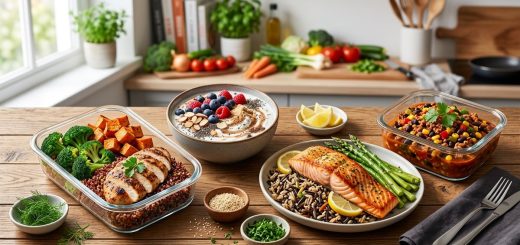
Garlic herb salmon with roasted vegetables
Salmon delivers 40 grams of protein per 6-ounce fillet plus omega-3s that support recovery. Season with minced garlic, fresh dill, and lemon zest. Roast at 400°F for 12 minutes.
Toss Brussels sprouts and bell peppers with olive oil and roast alongside the fish. The vegetables caramelize while the salmon stays moist. Total time is 20 minutes from start to finish.
Spicy turkey and black bean skillet
Ground turkey (93% lean) gives you 42 grams of protein per serving. Brown it with cumin, chili powder, and smoked paprika. Add black beans for extra fiber and plant-based protein.
Top with diced avocado and Greek yogurt instead of sour cream. The yogurt adds another 10 grams of protein. Serve over cauliflower rice to keep it lower carb or regular rice if you need the energy.
This one-pan meal works great for meal prep throughout the week because it reheats perfectly.
Balsamic chicken thighs with asparagus
Chicken thighs stay juicier than breasts and deliver 35 grams of protein per serving. Marinate in balsamic vinegar, Dijon mustard, and Italian herbs for 15 minutes.
Sear skin-side down in a cast iron skillet for 6 minutes, flip, then transfer to a 425°F oven for 12 minutes. Add asparagus spears to the pan during the last 8 minutes.
The rendered fat from the chicken coats the asparagus naturally. No need for extra oil.
Beef and broccoli stir-fry
Flank steak provides 38 grams of protein per serving when sliced thin against the grain. Marinate in coconut aminos, ginger, and garlic for maximum flavor.
Stir-fry over high heat in a wok or large skillet. Cook the beef first, remove it, then cook the broccoli until crisp-tender. Combine everything with a sauce made from beef broth, arrowroot starch, and sesame oil.
This technique prevents overcooking the meat while ensuring the vegetables stay bright green. If you enjoy stir-fry recipes that come together fast, this method works for any protein and vegetable combination.
Greek-style turkey burgers with tzatziki
Ground turkey mixed with feta, sun-dried tomatoes, and oregano creates burgers with 40 grams of protein each. Form patties slightly larger than your bun since they’ll shrink while cooking.
Grill or pan-sear for 5 minutes per side. Top with homemade tzatziki made from Greek yogurt, cucumber, dill, and lemon juice. The yogurt sauce adds another 8 grams of protein.
Serve in lettuce wraps for a lower-carb option or on whole grain buns if you need the extra energy.
Coconut curry shrimp with vegetables
Shrimp delivers 36 grams of protein per serving and cooks in under 5 minutes. Sauté in coconut oil with curry paste, then add coconut milk and vegetables like snap peas, carrots, and bell peppers.
The coconut milk provides healthy fats that help you absorb fat-soluble vitamins from the vegetables. Serve over cauliflower rice or regular jasmine rice depending on your goals.
This recipe proves that high protein dinners can be ready in 15 minutes without sacrificing flavor or nutrition.
Herb-crusted pork tenderloin with green beans
Pork tenderloin is one of the leanest cuts available, offering 42 grams of protein per serving. Coat with Dijon mustard, then press into a mixture of fresh herbs and almond flour.
Roast at 400°F for 20 minutes until the internal temperature reaches 145°F. Let it rest for 5 minutes before slicing. Roast green beans on the same sheet pan with garlic and olive oil.
The almond flour crust adds healthy fats and creates a satisfying crunch without breadcrumbs.
Cooking techniques that preserve protein quality
How you cook matters almost as much as what you cook. High heat can denature proteins and create compounds that are harder to digest.
Here’s a comparison of cooking methods and their impact on protein retention:
| Cooking Method | Protein Retention | Best For | Avoid For |
|---|---|---|---|
| Baking (350-400°F) | 95-98% | Chicken, fish, vegetables | Delicate herbs |
| Pan-searing | 92-95% | Steaks, chops, firm fish | Lean fish |
| Grilling | 90-93% | Burgers, kebabs, vegetables | Thin cuts |
| Slow cooking | 88-92% | Tough cuts, stews | Seafood |
| Boiling | 85-88% | Eggs, vegetables | Most meats |
Baking and pan-searing preserve the most protein while developing flavor through the Maillard reaction. That’s the browning that makes food taste better.
Avoid overcooking. Use a meat thermometer to hit these targets:
- Chicken: 165°F
- Pork: 145°F
- Beef (medium): 135°F
- Fish: 145°F
Resting meat for 5 minutes after cooking allows juices to redistribute. This keeps it moist and makes the protein easier to digest.
Common mistakes that sabotage satiety
You might be eating enough protein on paper but still feeling hungry. These errors explain why.
Cooking protein until it’s dry. Overcooked chicken or fish becomes hard to chew and digest. Your body has to work harder to break it down, which can actually reduce how much protein you absorb.
Skipping vegetables. Fiber slows digestion and adds volume to your meal. Without it, protein moves through your system too fast to trigger lasting fullness.
Eating too fast. It takes 20 minutes for satiety hormones to signal your brain. Slow down and you’ll naturally eat less while feeling more satisfied.
Ignoring healthy fats. Fat triggers the release of cholecystokinin (CCK), a hormone that tells your brain you’re full. A completely fat-free dinner will leave you hungry no matter how much protein you eat.
Drinking calories instead of eating them. Protein shakes have their place, but whole food keeps you fuller longer. The act of chewing sends satiety signals that drinking bypasses.
“The most common mistake I see is people focusing only on protein grams while ignoring meal composition. A 40-gram protein dinner with no fiber or fat will leave you hungry in two hours. Balance matters more than any single macro.” – Registered Dietitian
Making these recipes work for meal prep
Batch cooking high protein dinners saves time and ensures you always have something satisfying ready to eat.
Follow this process for efficient Sunday prep:
- Choose three recipes from the collection above
- Write a shopping list organized by store section
- Prep all vegetables first (wash, chop, portion)
- Cook proteins using different methods (oven, stovetop, grill)
- Portion into glass containers with separate compartments
- Label with the date and reheating instructions
- Store in the refrigerator for up to 4 days or freeze for up to 3 months
Most of these recipes taste even better the next day as flavors meld. The exceptions are dishes with crispy elements, which are best cooked fresh.
For meals you plan to freeze, slightly undercook vegetables so they don’t turn mushy when reheated. Cool everything completely before sealing containers to prevent condensation.
When reheating, add a splash of water or broth to prevent drying. Microwave on 70% power for more even heating, or use the oven at 350°F for 15 minutes if you have time.
If you’re serious about staying consistent with your nutrition goals, learning how to meal prep like a pro makes everything easier during busy weeks.
Adjusting recipes for different goals
These recipes work for multiple objectives with simple modifications.
For muscle building: Add an extra 2 ounces of protein and include a serving of complex carbs like sweet potato or quinoa. Time this meal within 2 hours after training for optimal recovery. The combination of protein and carbs supports muscle protein synthesis better than protein alone.
For fat loss: Keep the protein portion the same but double the non-starchy vegetables. Skip or minimize added fats and complex carbs. The high volume from vegetables keeps you full on fewer calories.
For maintenance: Follow the base recipes as written. They’re designed to provide balanced nutrition that supports an active lifestyle without creating a significant caloric surplus or deficit.
For plant-based eating: Swap animal proteins for tempeh, seitan, or a combination of legumes and grains. You’ll need slightly larger portions to hit the same protein targets. Check out plant-based protein meals for muscle gain for more specific guidance.
The framework stays the same regardless of your goal. You’re just adjusting ratios based on your needs.
Smart shopping for high protein ingredients
Buying quality protein doesn’t mean breaking your budget. Here’s what to prioritize.
Best value proteins:
– Whole chicken (break it down yourself)
– Ground turkey or beef in bulk
– Frozen fish fillets
– Eggs (the most affordable complete protein)
– Canned tuna or salmon
– Dried beans and lentils
When to splurge:
– Wild-caught salmon for omega-3s
– Grass-fed beef for special occasions
– Organic chicken if your budget allows
Buy proteins on sale and freeze them in portion sizes. Vacuum sealing prevents freezer burn and extends shelf life to 6 months.
Shop the perimeter of the grocery store where fresh proteins and produce live. The center aisles contain mostly processed foods that won’t support your goals.
Consider joining a wholesale club if you have freezer space. Buying in bulk cuts the per-pound cost significantly.
If you want a complete breakdown of what to buy, this guide to building a macro-friendly grocery list covers everything from proteins to pantry staples.
Flavor combinations that prevent boredom
Eating the same protein every night gets old fast. These seasoning combinations keep things interesting.
- Mediterranean: Lemon, oregano, garlic, olive oil
- Asian-inspired: Ginger, garlic, sesame oil, coconut aminos
- Mexican: Cumin, chili powder, lime, cilantro
- Indian: Curry powder, turmeric, garam masala, coconut milk
- Italian: Basil, tomato, balsamic vinegar, Parmesan
- Cajun: Paprika, cayenne, thyme, garlic powder
Each flavor profile works with any protein. Chicken with Mexican spices tastes completely different from chicken with Mediterranean herbs, even though the base ingredient is the same.
Stock your spice cabinet with these essentials and you’ll never eat a boring meal. Fresh herbs take things to the next level but dried versions work fine for weeknight cooking.
Marinating proteins for even 15 minutes makes a noticeable difference in flavor. Acid (lemon juice, vinegar) helps tenderize while herbs and spices penetrate the surface.
Troubleshooting common cooking problems
Even experienced cooks run into issues. Here’s how to fix them.
Dry chicken breasts: Switch to thighs, which have more fat and stay moist. Or brine breasts in salt water for 30 minutes before cooking. The salt helps them retain moisture.
Rubbery shrimp: You’re overcooking them. Shrimp are done when they turn pink and form a C shape. If they curl into an O, they’re overdone.
Tough steak: You’re either using the wrong cut or slicing with the grain. Always cut against the grain to shorten muscle fibers. For tougher cuts, use a marinade with acid to break down connective tissue.
Bland vegetables: You need more salt and fat. Vegetables require seasoning just like protein. Toss them in olive oil and kosher salt before roasting.
Soggy stir-fry: Your pan isn’t hot enough or you’re overcrowding it. Cook in batches over high heat to get proper searing.
Temperature control solves most cooking problems. Invest in an instant-read thermometer and use it every time.
Pairing sides that complement protein
The right side dishes round out your meal without derailing your macros.
Low-carb options:
– Cauliflower rice (sautéed with garlic)
– Zucchini noodles (tossed with olive oil)
– Roasted Brussels sprouts (with balsamic glaze)
– Sautéed spinach (with lemon)
– Mashed cauliflower (with Greek yogurt)
Moderate-carb options:
– Quinoa (cooked in broth for flavor)
– Sweet potato (roasted with cinnamon)
– Brown rice (mixed with herbs)
– Butternut squash (cubed and roasted)
– Black beans (seasoned with cumin)
High-carb options for active days:
– Jasmine rice
– Whole grain pasta
– Sourdough bread
– Regular potatoes
– Oats (yes, savory oats work)
Match your carb intake to your activity level. Training days need more fuel. Rest days need less. Your protein stays consistent either way.
If you’re following a lower-carb approach, these low carb meal prep recipes provide plenty of variety while keeping you satisfied.
Timing your dinner for best results
When you eat matters for sleep quality and muscle recovery.
Aim to finish dinner 2 to 3 hours before bed. This gives your body time to start digesting before you lie down. Eating too close to bedtime can disrupt sleep, especially if you’re prone to acid reflux.
If you train in the evening, eat your high protein dinner within 2 hours after finishing. This timing supports muscle protein synthesis when your body is most receptive.
For morning exercisers, dinner becomes your recovery meal from that day’s training. Make sure you’re getting enough protein to support overnight repair.
Don’t stress if your schedule doesn’t allow perfect timing. Consistency matters more than perfection. Eating a high protein dinner at 8 PM is better than skipping it entirely.
Some people do better with a slightly smaller dinner and a high protein snack before bed. Experiment to find what works for your body and schedule.
Equipment that makes cooking easier
You don’t need a fancy kitchen, but these tools speed up prep and improve results.
Essential items:
– Cast iron skillet (for perfect searing)
– Sheet pans (for one-pan meals)
– Instant-read thermometer (for perfect doneness)
– Sharp chef’s knife (makes prep faster and safer)
– Glass meal prep containers (for storage)
Nice to have:
– Food processor (for chopping vegetables)
– Slow cooker (for hands-off cooking)
– Grill pan (for indoor grilling)
– Mandoline (for uniform slicing)
– Kitchen scale (for portion accuracy)
Quality tools last longer and perform better. A good knife makes prep enjoyable instead of frustrating. A reliable thermometer prevents overcooking.
Start with the essentials and add other items as your budget allows. You can make every recipe in this collection with just a skillet, sheet pan, and knife.
Your protein-powered dinner plan
These high protein dinner recipes solve the late-night hunger problem while supporting your fitness goals. Each one delivers 35+ grams of protein plus the fiber and healthy fats you need to stay satisfied until morning.
Start with two or three recipes that sound appealing. Cook them this week and pay attention to how you feel. No midnight snacking? More energy in the morning? That’s the difference adequate protein makes.
Build your rotation slowly. Master a few recipes before adding more. Consistency beats variety when you’re establishing new habits.
Your body will thank you for the steady supply of amino acids. Your sleep will improve. Your training will benefit. All from making one simple change to how you approach dinner.