Low Carb Snacks That Hit Your Protein Goals Between Workouts
You just crushed a morning workout, but your next training session is hours away. Your stomach is growling, your muscles need fuel, and that vending machine is calling your name. But you know those chips and candy bars will tank your macros and leave you sluggish before you even hit the squat rack again.
High protein low carb snacks bridge the gap between workouts by delivering 15-30g of protein and under 10g of net carbs per serving. These snacks support muscle recovery, maintain stable energy levels, and prevent muscle breakdown during extended training days. The best options combine complete proteins with minimal processing, require little to no prep time, and travel well in a gym bag.
Why protein matters between training sessions
Your muscles don’t just recover during the hour after your workout. They’re rebuilding for the next 24 to 48 hours.
When you train twice in one day or have back-to-back sessions across consecutive days, your body needs consistent protein intake to prevent muscle breakdown. Going more than four hours without protein can trigger catabolism, where your body starts using muscle tissue for energy.
Carbs have their place, especially around intense training. But between sessions, keeping carbs low helps maintain insulin sensitivity and keeps your body in a fat-burning state while still protecting muscle mass.
The magic number sits around 20-30g of protein per snack. That’s enough to trigger muscle protein synthesis without overloading your system or making you feel too full to train later.
What makes a snack truly low carb
Not all “low carb” labels tell the truth.
Net carbs matter more than total carbs. Subtract fiber from total carbohydrates to get your net carb count. A snack with 12g total carbs and 8g fiber only gives you 4g net carbs.
For snacking between workouts, aim for under 10g net carbs per serving. This keeps you in a metabolic state that supports fat burning while the protein handles muscle recovery.
Watch out for hidden carbs in protein bars and shakes. Maltodextrin, brown rice syrup, and agave nectar all spike blood sugar just like regular sugar. Read labels like your gains depend on it, because they do.
Some athletes can handle 15-20g of carbs per snack and still maintain their low carb status, especially if they’re training at high intensity. Know your body and adjust accordingly.
Best whole food protein snacks under 5g net carbs
Whole foods beat processed options every time. They’re more satiating, contain better micronutrients, and won’t leave you with that weird chemical aftertaste.
Hard-boiled eggs are the MVP of between-workout snacks. Three large eggs give you 18g of protein and less than 2g of carbs. Prep a dozen on Sunday and you’re set for the week. Add a sprinkle of everything bagel seasoning or hot sauce for flavor without adding carbs.
Turkey or chicken roll-ups deliver serious protein with zero prep. Take 4-5 slices of deli turkey (about 20g protein), add a thin layer of cream cheese or mashed avocado, roll them up, and you’re done. Keep the carbs under 3g while getting a satisfying, portable snack.
Beef jerky works if you choose carefully. Look for brands with no added sugar and at least 10g of protein per ounce. Most quality jerky sits around 3-5g of carbs per serving. Just watch the sodium if you’re training in hot weather or sweating heavily.
String cheese or cheese cubes provide quick protein with almost zero carbs. Two sticks of string cheese deliver 12g of protein and 1g of carbs. Pair with a handful of almonds (about 10-12 nuts) for healthy fats and you’ve got a balanced snack that travels well.
Canned tuna or salmon pouches are clutch for desk workers who train during lunch breaks. A 5oz pouch of tuna packs 30g of protein with zero carbs. Mix with a tablespoon of mayo and some celery for crunch, or eat it straight if you’re hardcore.
Protein-packed dairy options that stay fresh
Greek yogurt beats regular yogurt every time for protein content. A 7oz container of plain, full-fat Greek yogurt delivers 20g of protein and only 6-8g of carbs.
Skip the fruit-on-the-bottom varieties. They’re loaded with added sugar that can push you over 25g of carbs per container.
Instead, buy plain Greek yogurt and add your own flavors. A tablespoon of natural peanut butter adds 4g of protein and healthy fats. A handful of crushed pecans or walnuts gives you crunch without the carb spike.
Cottage cheese is another protein powerhouse that people overlook. A cup of full-fat cottage cheese contains 25g of protein and about 6g of carbs. The casein protein in cottage cheese digests slowly, making it perfect for longer gaps between training sessions.
Try cottage cheese with everything bagel seasoning, black pepper, and a drizzle of olive oil for a savory option. Or mix in a scoop of vanilla protein powder and some cinnamon for a dessert-like treat that still hits your macros.
Skyr, the Icelandic yogurt, beats even Greek yogurt for protein density. Most brands pack 15-20g of protein into a 5oz container with only 5-6g of carbs. The texture is thicker and more filling than regular yogurt.
Protein shakes and bars that actually work
Not all protein supplements are created equal, and most are garbage for low carb athletes.
When choosing a protein powder, look for options with under 3g of carbs per scoop and at least 20g of protein. Whey protein isolate typically has fewer carbs than whey concentrate. Casein protein works great for sustained release between training sessions.
Mix your protein powder with unsweetened almond milk (1g carbs per cup) instead of regular milk (12g carbs per cup). Add ice, a tablespoon of natural peanut butter, and maybe some cocoa powder for a shake that tastes like a treat but keeps your carbs in check.
Protein bars are trickier. Most “high protein” bars are just candy bars with extra protein powder. They’re loaded with sugar alcohols that can cause digestive issues and still impact blood sugar.
Look for bars with a 2:1 protein to carb ratio minimum. A bar with 20g of protein should have no more than 10g of net carbs. Check that protein is the first ingredient, not dates or brown rice syrup.
Some solid options include bars made primarily from egg whites, nuts, and whey protein isolate. These typically deliver 15-20g of protein with 4-8g of net carbs.
Make your own protein bars if you want total control. Mix protein powder with natural nut butter, add some crushed nuts or unsweetened coconut, press into a pan, refrigerate, and cut into squares. You’ll save money and know exactly what’s going into your body.
Nut and seed combinations that travel well
Nuts and seeds bring protein, healthy fats, and satisfying crunch to your snack rotation. But portion control matters because the calories add up fast.
Almonds lead the pack for protein content among nuts. One ounce (about 23 almonds) provides 6g of protein and 3g of net carbs. Pair with a piece of string cheese and you’ve got a balanced 15g protein snack.
Pumpkin seeds punch above their weight class. A quarter cup delivers 10g of protein with only 2g of net carbs. Roast them with sea salt and cayenne pepper for a spicy kick that satisfies salt cravings after sweaty training sessions.
Sunflower seeds work similarly, with about 6g of protein per ounce and 4g of net carbs. Buy them in the shell if you tend to mindlessly snack. The extra work of shelling them slows you down and prevents overeating.
Nut butter packets are perfect for gym bags. Single-serve almond or peanut butter packets give you portion control and portability. Each packet typically contains 7-8g of protein and 4-6g of net carbs. Squeeze directly into your mouth post-workout or spread on celery sticks for added crunch.
Avoid trail mix unless you make it yourself. Store-bought versions are loaded with dried fruit and chocolate that spike your carbs into the 20-30g range per serving. If you make your own, stick to raw nuts, seeds, and maybe some unsweetened coconut flakes.
Meat-based snacks for serious protein needs
Sometimes you need real meat to feel satisfied. These options deliver complete protein with virtually zero carbs.
Rotisserie chicken from the grocery store is meal prep gold. Shred a whole chicken on Sunday, portion into containers, and you’ve got grab-and-go protein all week. Three ounces of chicken breast provides 26g of protein and zero carbs.
Keep it interesting by varying your seasonings. Try buffalo sauce and ranch one day, pesto another, or just salt and pepper if you’re a purist.
Deli meat roll-ups become more substantial when you add vegetables for bulk. Spread cream cheese or hummus on turkey slices, add cucumber or bell pepper strips, roll tight, and secure with a toothpick. You get protein, healthy fats, and some micronutrients without adding significant carbs.
Pepperoni or salami slices work in a pinch. About 15 slices of pepperoni gives you 10g of protein and 1g of carbs. Pair with cheese cubes or cucumber slices for a more balanced snack. Just watch the sodium and saturated fat if you’re eating these daily.
Leftover steak, pork chops, or burgers make excellent cold snacks. A 3oz portion of lean beef delivers 25g of protein with zero carbs. Meal prep extra protein at dinner and you’ve automatically created tomorrow’s snacks.
Smoked salmon brings variety to your protein rotation. Two ounces provide 12g of protein and zero carbs, plus omega-3 fatty acids that support recovery and reduce inflammation. Roll it around cream cheese and cucumber for a satisfying mid-afternoon snack.
Preparing snacks for the week ahead
Consistency beats perfection when it comes to between-workout nutrition. Having snacks ready to grab eliminates the temptation to hit the drive-through or vending machine.
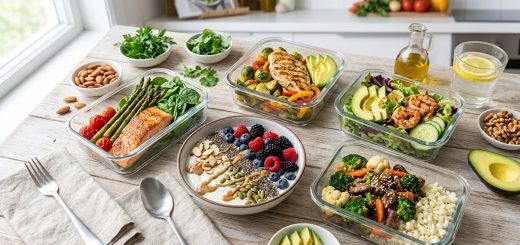
Sunday prep sessions set you up for success. Spend 30-60 minutes preparing your week’s worth of snacks and you’ll never have an excuse to make poor choices.
Here’s a simple system that works:
- Hard-boil a dozen eggs and store them unpeeled in the fridge.
- Portion nuts, seeds, and jerky into small containers or bags.
- Cut cheese into cubes and store in airtight containers.
- Prep any meat-based snacks like chicken or turkey roll-ups.
- Mix protein shake ingredients into individual servings if you use shakes.
Label everything with the macros if you’re tracking closely. Knowing exactly what you’re eating removes guesswork and keeps you accountable.
Invest in good containers. Glass containers with snap lids keep food fresh longer and don’t retain odors like plastic. Small 8oz containers are perfect for single-serving snacks.
Keep a cooler bag in your car with an ice pack. This extends your snack options beyond shelf-stable items and prevents food safety issues during long days.
Stock your desk, locker, or car with emergency backup snacks. Protein bars, nut butter packets, and beef jerky can sit for weeks without refrigeration. When life gets chaotic, you’ll still have high protein options available.
If you’re following a structured meal plan like those in how to meal prep 150g protein daily without getting bored, coordinate your snack prep with your main meal prep for maximum efficiency.
Common mistakes that sabotage your snacking strategy
Even experienced athletes make errors that undermine their between-workout nutrition. Avoid these traps and you’ll see better results.
| Mistake | Why It Matters | Better Approach |
|---|---|---|
| Eating too much protein at once | Your body can only use 30-40g per meal for muscle building | Spread protein intake across multiple smaller snacks |
| Ignoring fat content | High-fat snacks delay digestion and can cause discomfort during training | Choose leaner options within 2 hours of training |
| Not tracking liquid calories | Protein shakes can hide extra carbs and calories | Measure everything and account for all ingredients |
| Eating the same snack daily | Nutritional gaps develop and boredom leads to poor choices | Rotate through 5-7 different snack options weekly |
| Waiting until you’re starving | Extreme hunger leads to overeating and poor decisions | Set reminders to eat every 3-4 hours |
Relying solely on processed protein products is another common pitfall. Bars and shakes have their place, but whole foods provide better satiety and more complete nutrition. Aim for at least 60-70% of your snacks to come from real food sources.
Forgetting to account for snacks in your daily macro totals throws off your entire nutrition plan. Those between-workout snacks can add up to 400-600 calories and 60-80g of protein. Track them just as carefully as your main meals.
Not adjusting snack timing around your training schedule causes problems too. If you train at 6am and again at 6pm, you need different snacking strategies than someone who trains once daily at noon. Match your snack timing to your specific schedule and energy needs.
Snacking strategies for different training schedules
Your snacking approach should match your training split and intensity. A powerlifter doing two heavy sessions daily needs different fuel than a runner doing morning cardio and evening yoga.
For double training days, eat a protein-focused snack within an hour after your first session. This jumpstarts recovery before your second workout. Keep this snack moderate in size, around 20g protein and 5-8g carbs, so you’re not training on a full stomach.
Between your sessions, have another snack about 90 minutes before training again. This one can include slightly more carbs (10-15g) if your second session is high intensity. The timing gives your body enough time to digest without feeling heavy.
Athletes training once daily but for extended periods (90+ minutes) benefit from intra-workout nutrition. This doesn’t replace your between-workout snacks but supplements them. Branch chain amino acids (BCAAs) or essential amino acids (EAAs) in water provide protein building blocks without adding carbs or requiring digestion.
For those following a structured approach to nutrition timing, check out the ultimate guide to post-workout nutrition: what to eat and when for more detailed guidance on meal timing around training.
Rest day snacking looks different. You still need protein to support recovery, but your overall calorie needs drop. Stick to leaner protein sources and slightly smaller portions on rest days to match your reduced energy expenditure.
Budget-friendly protein snacks that don’t sacrifice quality
Eating high protein doesn’t require expensive supplements or specialty foods. Smart shopping and basic prep keep costs reasonable.
Eggs remain the cheapest complete protein available. At roughly $3-4 per dozen, you’re paying about 25 cents per egg for 6g of high-quality protein. No supplement comes close to that value.
Canned tuna and salmon cost $1-2 per can and deliver 20-30g of protein. Buy in bulk when it’s on sale and you’ll always have emergency protein available. The pouches cost more but offer convenience for athletes who eat at their desk or in the car.
Buying whole chickens instead of pre-cut pieces saves significant money. A $5-6 rotisserie chicken from the grocery store provides 3-4 pounds of meat. That’s enough protein for 12-15 snack portions at about 40 cents each.
Make your own jerky if you have a dehydrator or oven with a low temperature setting. Buy lean beef when it’s on sale, slice thin, marinate overnight, and dehydrate. You’ll spend about $15-20 per pound versus $30-40 for store-bought jerky.
Bulk nuts and seeds from warehouse stores cost half what you’d pay for individual packages. A 3-pound bag of almonds runs about $15-18, giving you 48 one-ounce servings at roughly 35 cents each.
Plain Greek yogurt in large containers costs less than individual cups. A 32oz container runs $4-5 and provides four 8oz servings at about $1.25 each. Individual cups of the same yogurt cost $1.50-2 each.
Those looking to maximize their protein intake on a budget should read 5-day muscle building meal prep on a budget: complete shopping list included for comprehensive cost-cutting strategies.
Plant-based high protein options for variety
You don’t need to eat animal products at every snack to hit your protein goals. Plant-based options add variety and different nutrient profiles to your rotation.
Edamame delivers impressive protein with minimal carbs. A cup of shelled edamame provides 17g of protein and about 8g of net carbs. Steam a batch, season with sea salt or everything bagel seasoning, and portion into containers for the week.
Lupini beans are a secret weapon for low carb, high protein snacking. One cup contains 26g of protein and only 6g of net carbs thanks to their high fiber content. They’re an acquired taste, but once you adjust to the slightly bitter flavor, they become addictive.
Tempeh offers more protein than tofu with a firmer texture that many people prefer. A 3oz serving provides 15g of protein and 9g of net carbs. Slice it thin, bake until crispy, and season aggressively. It makes a satisfying crunchy snack that travels well.
Hemp hearts (shelled hemp seeds) pack 10g of protein into just three tablespoons with only 2g of net carbs. Sprinkle them on Greek yogurt, blend into smoothies, or eat them by the spoonful. They provide complete protein with all essential amino acids.
Protein powder from pea, rice, or hemp can be just as effective as whey for muscle building. Mix plant-based protein powder with unsweetened almond milk and frozen berries for a shake that rivals dairy-based options. Look for brands that combine multiple plant proteins to ensure you get all essential amino acids.
Roasted chickpeas work if you prepare them right. Drain and rinse canned chickpeas, toss with olive oil and spices, then roast at 400°F until crispy. A half-cup serving gives you 7g of protein and about 12g of net carbs. They’re higher in carbs than some options but still reasonable for active athletes.
For comprehensive plant-based strategies, the ultimate guide to plant-based protein meals for muscle gain covers everything from protein combining to supplement selection.
Tracking your snacks without losing your mind
Precise tracking helps you dial in your nutrition, but obsessive measuring creates stress that undermines your progress. Find a balance that works for your goals and personality.
Use a food scale for the first week or two until you develop an eye for portions. Weigh out one ounce of almonds, three ounces of chicken, or a tablespoon of peanut butter. After you’ve seen what proper portions look like, you can estimate more accurately.
Pre-portioning removes daily decision-making. When you prep snacks on Sunday, divide everything into single servings immediately. Grab and go without thinking about it during the week.
Most tracking apps let you create custom meals or recipes. Build your common snack combinations once, then log them with a single tap. This saves time and ensures consistency in your tracking.
Round to the nearest 5g for protein and carbs. The difference between 23g and 25g of protein is negligible in the context of your total daily intake. Perfectionism wastes mental energy better spent on training hard and recovering well.
Focus on weekly averages rather than daily perfection. If you’re aiming for 150g of protein daily, hitting 140g one day and 160g the next averages out just fine. Your body doesn’t reset at midnight.
“The best nutrition plan is the one you can actually stick to. If tracking every gram of protein stresses you out and makes you miserable, you’re better off with a simpler approach that you’ll maintain long-term.”
Stop tracking altogether once you’ve established consistent habits and are seeing results. Many successful athletes eventually develop an intuitive sense of their nutrition needs without logging every bite. Use tracking as a learning tool, not a permanent requirement.
Adjusting your approach based on results
Your snacking strategy should evolve as your training changes and your body adapts. What works during a fat loss phase might need adjustment during a muscle-building phase.
If you’re losing strength or feeling flat during workouts, you might need more carbs around training even if you’re keeping them low the rest of the day. Try adding 10-15g of carbs to your pre-workout snack and monitor your performance.
Gaining unwanted body fat while eating high protein, low carb snacks usually means your portions are too large or you’re eating too frequently. Protein and fat still contain calories. Track your total intake for a week to identify where you’re overshooting your targets.
Not seeing muscle growth despite adequate protein? Check your total daily protein intake, not just your snacks. You might be nailing your between-workout nutrition but falling short at meals. Most athletes need 0.8-1g of protein per pound of body weight daily for optimal muscle building.
Digestive issues from high protein intake signal a need to spread your protein more evenly throughout the day. Instead of three 50g protein meals, try five 30g meals and snacks. Your body can only process so much protein at once.
Constant hunger between workouts despite eating protein-rich snacks means you need more volume or fat. Add vegetables to your snacks for bulk without significant calories, or include more healthy fats to improve satiety.
For those struggling to hit their daily protein targets, why your high protein diet isn’t working: 5 common mistakes addresses the most common pitfalls and their solutions.
Making high protein snacking work for your lifestyle
Between-workout nutrition doesn’t exist in a vacuum. It needs to fit your schedule, budget, and preferences or you won’t stick with it long enough to see results.
Busy professionals who train early and late need grab-and-go options that require zero prep time. Stock your office fridge with hard-boiled eggs, Greek yogurt, and string cheese. Keep shelf-stable backups like jerky and protein bars in your desk drawer.
Athletes who train at home have more flexibility for fresh preparation. You can make a proper snack between sessions without worrying about portability. Take advantage of this by incorporating more whole food options that don’t travel well, like cottage cheese with vegetables or fresh chicken breast.
People who travel frequently for work need strategies that work in hotels and airports. Request a mini-fridge in your hotel room and hit a grocery store immediately upon arrival. Stock up on Greek yogurt, pre-cooked chicken, cheese, and nuts. Most hotels have microwaves available if you ask.
Parents juggling training around kids’ schedules benefit from snacks that the whole family can eat. Hard-boiled eggs, cheese cubes, and nut butter work for both adults hitting protein goals and kids needing healthy snacks. Prep once, feed everyone.
Budget-conscious athletes should focus on the most cost-effective proteins and prep in bulk. Eggs, canned fish, whole chickens, and bulk nuts provide the best protein-per-dollar ratio. Avoid expensive protein bars and specialty products unless they’re on sale.
Your between-workout nutrition starts now
You’ve got the knowledge. You know which snacks deliver the protein your muscles need without the carbs that derail your progress. You understand how to prep efficiently, track effectively, and adjust based on your results.
The difference between the athlete who makes consistent progress and the one who spins their wheels often comes down to these small decisions between training sessions. Fuel your body right in those gaps and you’ll recover faster, build more muscle, and show up to every workout ready to perform.
Start with three snacks from this guide that appeal to you. Prep them this weekend. Eat them next week. Notice how you feel during your second workout of the day or your next training session. That’s your feedback loop.
Your muscles are waiting for the protein they need to grow stronger. Give it to them consistently, and they’ll reward you with the results you’re working so hard to achieve.