The Ultimate Guide to Flexible Dieting with Macro-Counted Recipes
You’ve probably tried diets that banned entire food groups or made you feel guilty for eating birthday cake. That approach works until it doesn’t. Then you’re stuck in a cycle of restriction and binge eating that leaves you frustrated and further from your goals. Flexible dieting changes the game by letting you eat the foods you love while still making progress toward fat loss or muscle gain.
Flexible dieting tracks [macronutrients](https://www.ncbi.nlm.nih.gov/pmc/articles/PMC524030/) (protein, carbs, fats) instead of labeling foods as good or bad. You hit daily macro targets while eating foods you actually enjoy. This approach builds sustainable habits, reduces food anxiety, and delivers real body composition results without the mental burden of restrictive meal plans that never last.
Understanding Flexible Dieting and Macro Tracking
Flexible dieting focuses on the total amount of protein, carbohydrates, and fats you eat each day. Instead of avoiding certain foods, you make them fit within your macro targets.
Think of your daily macros like a budget. You have a set amount to spend on each nutrient. A slice of pizza isn’t off limits, it just costs more of your carb and fat budget than a bowl of oatmeal would.
This approach is rooted in the principle that body composition depends primarily on total calorie intake and macronutrient balance, not whether you ate “clean” or “dirty” foods. Your body breaks down a chicken breast the same way whether you seasoned it with herbs or barbecue sauce.
The three macronutrients serve different purposes in your body. Protein rebuilds muscle tissue and keeps you full. Carbohydrates fuel your workouts and daily activities. Fats support hormone production and nutrient absorption. When you balance all three based on your goals, you create an eating pattern that supports performance and recovery.
How to Calculate Your Personal Macro Targets
Getting your macros right starts with understanding your maintenance calories. That’s the amount of energy you need to maintain your current weight.
Here’s the step by step process:
- Calculate your basal metabolic rate using your weight, height, age, and sex.
- Multiply by your activity factor (sedentary, lightly active, moderately active, very active).
- Adjust for your goal (subtract 300 to 500 calories for fat loss, add 200 to 300 for muscle gain).
- Set protein at 0.8 to 1.2 grams per pound of body weight.
- Allocate 25 to 35% of remaining calories to fats.
- Fill the rest of your calorie budget with carbohydrates.
Let’s use a real example. Sarah weighs 150 pounds and works out four times per week. Her maintenance is roughly 2,100 calories. For fat loss, she targets 1,700 calories daily.
Her protein goal is 150 grams (600 calories). She sets fat at 30% of total calories (57 grams or 510 calories). That leaves 590 calories for carbs, which equals about 148 grams.
These numbers aren’t set in stone. You adjust based on how your body responds over two to three weeks. Losing weight too fast? Add 100 calories. Not losing at all? Reduce by 100 and reassess.
How to calculate your macros for fat loss and muscle gain walks through the detailed math with additional examples for different body types and goals.
Tracking Your Macros Without Losing Your Mind
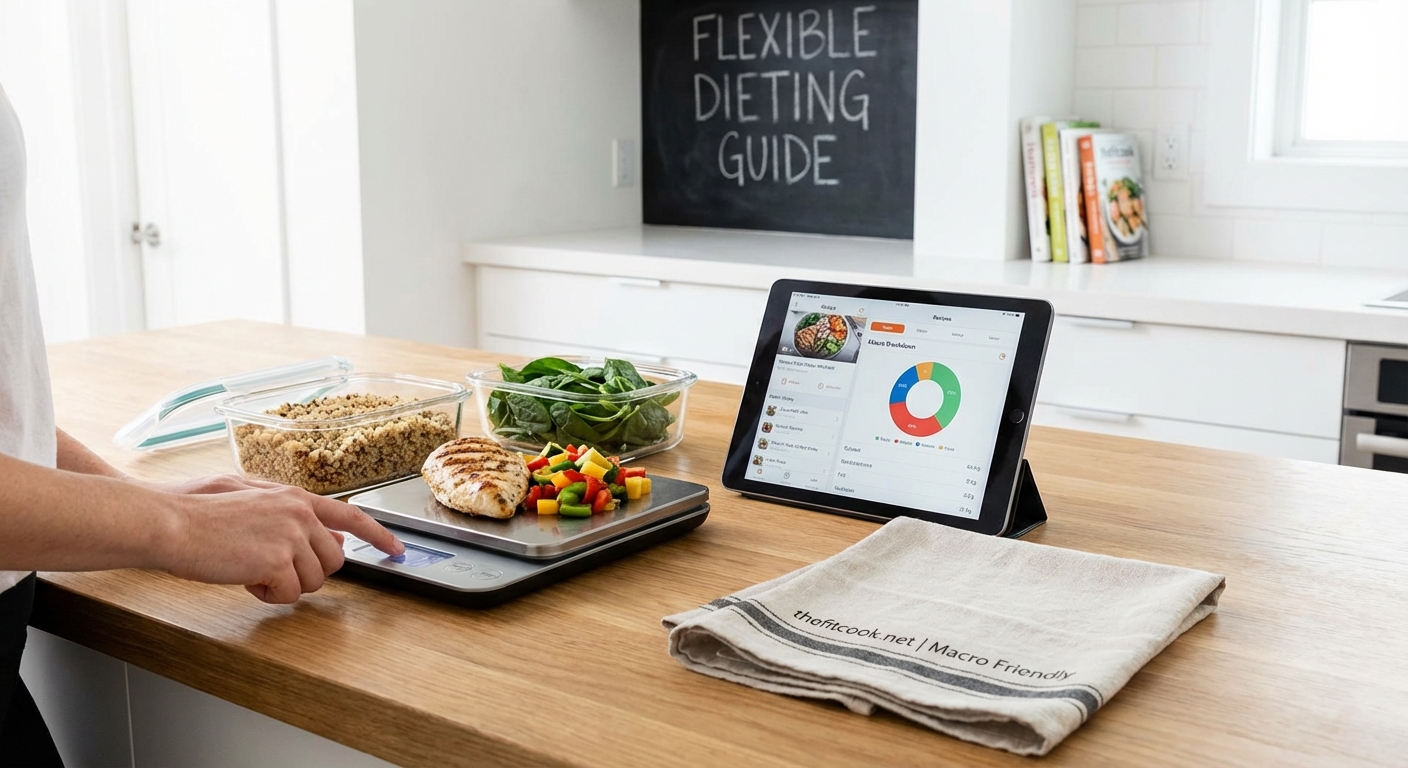
You need a food scale and a tracking app. Those two tools make flexible dieting work.
Weigh your food before cooking when possible. Raw chicken weighs more than cooked chicken. Four ounces raw becomes roughly three ounces cooked. Tracking the raw weight gives you more accurate macros.
Start by tracking everything for at least two weeks. Yes, everything. The handful of almonds. The cooking oil. The condiments. Small amounts add up faster than you think.
Most people underestimate their intake by 20 to 30% when they eyeball portions. That margin of error can completely stall your progress.
After a few weeks of consistent tracking, you’ll develop a better sense of portion sizes. You’ll know what 30 grams of peanut butter looks like. You’ll recognize four ounces of chicken on sight. The process becomes faster and more intuitive.
Here are the foods worth weighing every time:
- Nut butters and oils
- Cheese and full-fat dairy
- Grains and pasta
- Protein sources
- Sauces and dressings
Pre-packaged foods with nutrition labels are easier to track, but verify serving sizes. A “single serve” bag of chips might actually contain 1.5 servings according to the label.
Building Balanced Meals That Hit Your Targets
A well-built meal includes all three macros in proportions that support your goals. This keeps you satisfied and makes hitting your daily targets much easier.
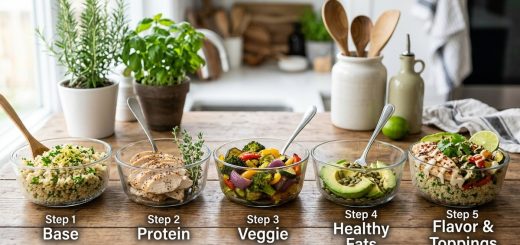
Use this simple template for each meal:
| Meal Component | Purpose | Examples |
|---|---|---|
| Protein source | Muscle maintenance, satiety | Chicken, fish, lean beef, tofu, Greek yogurt |
| Carb source | Energy, fiber | Rice, potatoes, oats, fruit, bread |
| Fat source | Hormone support, flavor | Olive oil, avocado, nuts, cheese |
| Vegetables | Micronutrients, volume | Broccoli, spinach, peppers, carrots |
A balanced lunch might be five ounces of grilled chicken (40g protein), one cup of brown rice (45g carbs), half an avocado (15g fat), and a side of roasted vegetables.
That same meal could be a burger with a whole wheat bun if the macros work out similarly. The burger patty provides protein and fat. The bun covers carbs. Add a side salad for micronutrients.
Both meals support your goals. One isn’t inherently better than the other.
When you’re prepping meals in advance, the ultimate macro-friendly freezer meal prep guide for beginners shows you how to batch cook and store perfectly portioned meals that maintain their macros after freezing.
Common Flexible Dieting Mistakes and How to Avoid Them
The biggest mistake is ignoring micronutrients. Yes, you can technically hit your macros eating only protein bars and Pop-Tarts. But you’ll feel terrible, perform poorly, and probably get sick.
Aim for 80% of your food to come from whole, nutrient-dense sources. Save the remaining 20% for treats and convenience foods. This balance gives you flexibility without sacrificing health.
Another common error is being too rigid with daily targets. If you’re five grams over on fat and five grams under on carbs, that’s fine. Aiming for perfection every single day creates unnecessary stress.
Look at your weekly average instead. Some days you’ll be slightly over. Other days you’ll be under. As long as the week balances out, you’re on track.
“Flexible dieting isn’t about eating junk food all day. It’s about having the freedom to include foods you love without derailing your progress. The goal is sustainability, not perfection.”
Here’s a comparison of approaches that work versus approaches that fail:
| What Works | What Doesn’t Work |
|---|---|
| Tracking consistently for 6 days, estimating on day 7 | Only tracking when you “eat clean” |
| Adjusting macros every 2-3 weeks based on results | Changing your plan every few days |
| Planning treats into your daily macros | Binging on weekends to “make up” for restriction |
| Weighing calorie-dense foods precisely | Eyeballing everything and wondering why you’re not progressing |
| Eating mostly whole foods with some flexibility | Trying to hit macros with only processed foods |
Why your high protein diet isn’t working: 5 common mistakes covers additional pitfalls that prevent people from seeing results even when they think they’re doing everything right.
Meal Planning Strategies That Make Flexible Dieting Easy
Planning ahead removes the daily stress of figuring out what to eat. You make decisions once per week instead of three times per day.
Start by choosing four to five protein sources you enjoy. Rotate through them during the week. Monday might be chicken, Tuesday is ground turkey, Wednesday brings salmon, and so on.
Do the same with carb sources and vegetables. You’re not eating the same exact meal every day, but you’re working with familiar ingredients that you know how to prepare.
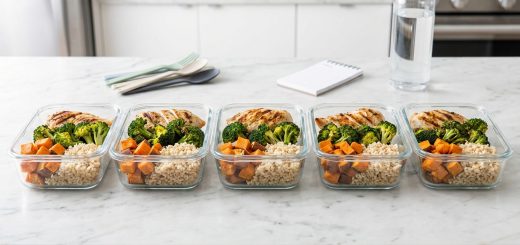
Batch cooking saves enormous amounts of time. Grill five pounds of chicken on Sunday. Roast a few sheet pans of vegetables. Cook a large pot of rice. Store everything in individual containers and you have mix-and-match components for the entire week.
How to meal prep an entire week of lunches in under 2 hours breaks down an efficient system for prepping multiple meals without spending your whole weekend in the kitchen.
When you’re building muscle and need higher calories, 5-day muscle building meal prep on a budget: complete shopping list included shows you how to hit higher macro targets without destroying your grocery budget.
Eating Out and Social Situations on Flexible Dieting
Restaurant meals don’t have to derail your progress. Most chain restaurants publish nutrition information online. Check the menu before you go and decide what fits your macros.
When nutrition data isn’t available, make your best estimate. Order grilled proteins instead of fried. Ask for dressings and sauces on the side. Choose steamed vegetables as your side dish.
You won’t nail your macros perfectly, and that’s acceptable. One meal at a restaurant won’t undo a week of consistent tracking.
Social events are trickier because the food is often unpredictable. Eat a protein-rich meal before you go so you’re not starving. Then you can enjoy a reasonable portion of whatever’s served without overeating.
If you know you have a big dinner planned, adjust your earlier meals to save room. Eat lighter at breakfast and lunch, banking some carbs and fats for the evening meal.
Some people prefer to take a full day off from tracking for special occasions. That’s a valid approach if it doesn’t trigger overeating. Others feel more comfortable tracking everything, even if the numbers are estimates.
Choose the method that helps you stay consistent long term.
Adjusting Your Macros as Your Body Changes
Your macro needs change as you lose fat, gain muscle, or maintain your weight. What worked at the start won’t necessarily work three months later.
Weigh yourself at the same time each day, preferably first thing in the morning after using the bathroom. Track the weekly average, not daily fluctuations.
If you’re trying to lose fat and the scale hasn’t moved in two weeks, reduce calories by 100 to 150. Take that reduction mostly from carbs and fats, keeping protein high to preserve muscle.
When building muscle, you should see slow weight gain. If you’re not gaining after two weeks at a calorie surplus, add 100 to 150 calories. Put those extra calories toward carbs to fuel your training.
Progress photos and measurements matter more than the scale. You might be building muscle while losing fat, which means the scale stays the same even though your body composition is improving.
Take photos every two weeks in the same lighting, wearing the same clothes. Measure your waist, hips, chest, arms, and thighs monthly. These metrics give you a complete picture of what’s happening.
Sample Day of Flexible Dieting Meals
Here’s what a full day might look like for someone targeting 2,000 calories with 150g protein, 200g carbs, and 65g fat.
Breakfast (500 calories)
– Three whole eggs scrambled (18g protein, 15g fat)
– Two slices whole wheat toast (24g carbs)
– One medium banana (27g carbs)
– One tablespoon peanut butter (4g protein, 8g fat)
Lunch (550 calories)
– Six ounces grilled chicken breast (54g protein)
– One cup brown rice (45g carbs)
– One cup steamed broccoli (5g carbs)
– One tablespoon olive oil for cooking (14g fat)
Snack (250 calories)
– One cup Greek yogurt (20g protein)
– Half cup blueberries (11g carbs)
– Ten almonds (6g fat)
Dinner (600 calories)
– Five ounces lean ground beef (40g protein, 12g fat)
– Two small whole wheat tortillas (36g carbs)
– Quarter cup shredded cheese (7g protein, 9g fat)
– Salsa, lettuce, tomatoes (5g carbs)
Dessert (100 calories)
– One serving of dark chocolate (6g fat, 12g carbs)
Total macros: 150g protein, 201g carbs, 66g fat, 1,998 calories.
Notice how this day includes chocolate and still hits all the targets. That’s the flexibility that makes this approach sustainable.
15 macro-balanced breakfast recipes under 400 calories provides more morning meal options that start your day with balanced nutrition.
Flexible Dieting for Different Training Goals
Your training style affects how you should set your macros. Someone doing heavy strength training needs different ratios than someone focused on endurance cardio.
Strength athletes and bodybuilders typically need higher protein (1.0 to 1.2 grams per pound) and moderate to high carbs to fuel intense lifting sessions. Fats can be moderate since the priority is recovery and muscle growth.
Endurance athletes need higher carbohydrate intake to support long training sessions. Protein stays moderate (0.6 to 0.8 grams per pound) since muscle building isn’t the primary goal. Fats remain moderate for sustained energy.
People doing general fitness training with a mix of cardio and weights fall somewhere in between. Balanced macros work well: moderate protein (0.8 to 1.0 grams per pound), moderate carbs, and moderate fats.
After training, your body needs nutrients to recover. The ultimate guide to post-workout nutrition: what to eat and when explains exactly how to time your meals for optimal recovery and results.
When you need convenient options after the gym, what to cook when you have zero energy after the gym gives you simple recipes that don’t require much effort but still support your macro goals.
Combining Flexible Dieting With Whole Food Choices
Flexible dieting doesn’t mean ignoring food quality. The best approach combines macro tracking with mostly whole, minimally processed foods.
Whole foods provide vitamins, minerals, fiber, and phytonutrients that processed foods lack. They also tend to be more filling per calorie, making it easier to stick to your targets without feeling hungry.
Base your meals around these nutrient-dense options:
- Lean proteins like chicken, fish, eggs, and Greek yogurt
- Complex carbs like oats, rice, potatoes, and whole grain bread
- Healthy fats from nuts, seeds, avocado, and olive oil
- Plenty of vegetables and some fruit
Then add in treats and convenience foods as needed to hit your macros and maintain your sanity. Maybe that’s a protein bar when you’re rushed. Or ice cream after dinner because it fits your remaining carbs and fats.
What exactly is clean eating and why does it matter for fitness results? explains how food quality impacts your energy, performance, and long-term health, even when calories and macros are equal.
Making Flexible Dieting Work for Your Lifestyle
The best diet is the one you can actually follow. Flexible dieting succeeds because it adapts to your life instead of forcing you to completely overhaul everything.
Start by tracking what you currently eat for three to five days. Don’t change anything yet. Just observe your normal patterns. This baseline shows you where you’re starting and what needs adjustment.
Then make small changes. Maybe you’re getting enough protein at dinner but falling short at breakfast. Add eggs or Greek yogurt to your morning routine. That one change might solve the problem.
If your carbs are too low and you’re dragging during workouts, add a serving of rice or oatmeal to your pre-training meal. Track the results for a week.
This gradual approach prevents overwhelm. You’re not trying to be perfect immediately. You’re building sustainable habits one change at a time.
How to build a clean eating meal plan that actually fits your macros shows you how to structure weekly meal plans that balance nutrition quality with macro targets.
Why Flexible Dieting Succeeds Where Other Diets Fail
Most diets fail because they’re built on restriction and willpower. You follow rigid rules until you can’t anymore, then you quit and regain the weight.
Flexible dieting removes the psychological burden of “good” and “bad” foods. Nothing is forbidden. You make informed choices based on your goals and what fits your macros that day.
This reduces food anxiety and binge eating. When you know you can have pizza tomorrow if you plan for it, you don’t feel the urge to eat an entire pizza tonight because it’s your “last chance” before the diet starts again.
The skills you build while tracking macros transfer to intuitive eating later. You learn portion sizes, protein needs, and how different foods affect your hunger and energy. Eventually, many people can maintain their results without tracking every meal.
That’s the real goal. Not tracking forever, but developing enough nutritional awareness that you make good choices automatically.
What are macros and why do they matter more than calories? provides the scientific foundation for understanding why this approach works better than simple calorie counting.
Your Path Forward With Flexible Dieting
You now have the framework to start tracking macros and building a sustainable approach to nutrition. The method is simple, but it requires consistency.
Track your food accurately for at least four weeks before deciding whether this works for you. That’s enough time to get comfortable with the process and see initial results.
Be patient with yourself. You’ll make mistakes. You’ll have days where you’re way over or way under your targets. That’s part of learning.
What matters is getting back on track the next day. One imperfect day doesn’t ruin your progress. A pattern of consistent effort over weeks and months creates the body composition changes you want.
Start today by calculating your macros and downloading a tracking app. Weigh and log everything you eat tomorrow. Then do it again the next day. Small actions repeated consistently produce remarkable results.