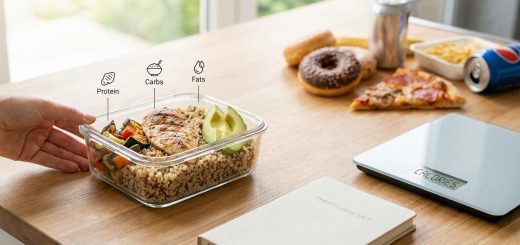
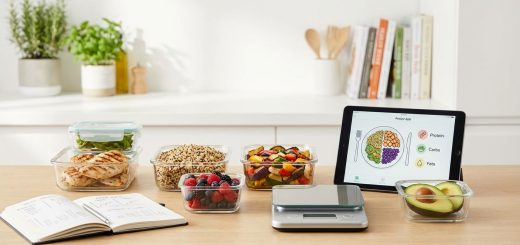
10 High-Protein Dinner Recipes That Balance All Three Macros
Finding a dinner that hits your protein target while balancing carbs and fats can feel like solving a puzzle every single night. You scroll through recipe sites, see “high protein” slapped on a chicken breast with steamed broccoli, and wonder why your meals never taste as good as they should. The truth is that most recipes either nail the protein but ignore your other macros, or they taste amazing but leave you 20 grams short of your daily goal. You need meals that do both.
High protein macro friendly recipes balance 30+ grams of protein with proper portions of carbs and fats in every meal. These recipes use whole food ingredients, provide complete nutrition breakdowns, and taste good enough to eat repeatedly without feeling restricted. Perfect for muscle building, fat loss, or maintaining a lean physique while enjoying real food.
What Makes a Recipe Truly Macro Friendly
A macro friendly recipe does more than just pack in protein. It accounts for all three macronutrients in proportions that support your specific goals.
Most people tracking macros aim for a ratio somewhere between 40/30/30 and 30/40/30, depending on whether they prioritize protein or carbs. The key is consistency.
Here’s what separates a truly balanced recipe from one that just happens to be high in protein:
- Complete nutrition information per serving, not just protein
- Whole food ingredients you can find at any grocery store
- Portions that match real meal sizes, not tiny samples
- Carbs from quality sources like sweet potatoes, rice, or quinoa
- Healthy fats from olive oil, avocado, nuts, or fatty fish
- Fiber content that keeps you satisfied between meals
A grilled chicken breast with no sides might have 40 grams of protein, but it leaves you hungry an hour later and missing out on the energy carbs provide for your next workout.
Building Your Macro Friendly Protein Base
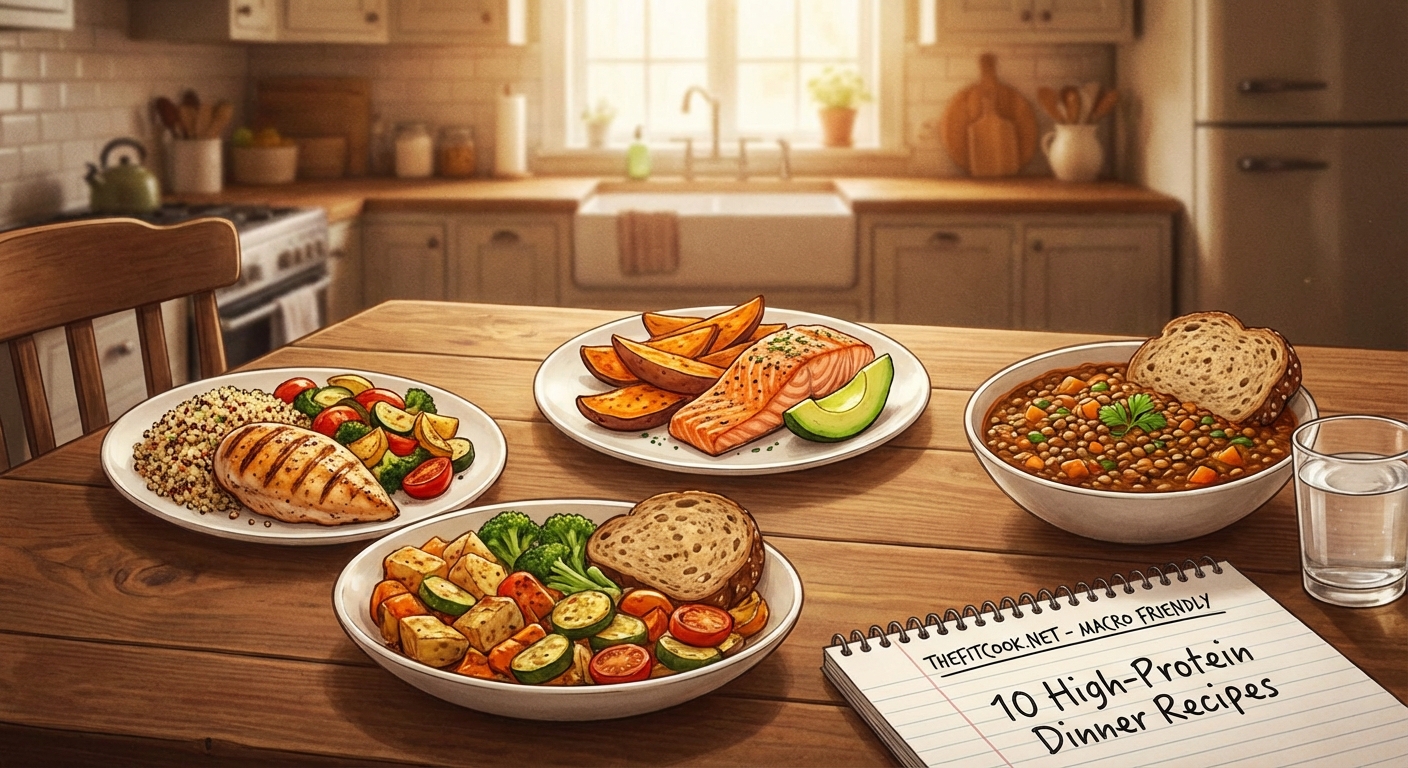
The protein source you choose determines how the rest of your meal comes together. Different proteins carry different amounts of fat, which changes how much room you have left for carbs.
Lean proteins like chicken breast, white fish, and shrimp give you the most flexibility. They deliver 25 to 35 grams of protein per serving with minimal fat, leaving room for a generous carb portion and added healthy fats.
Fattier proteins like salmon, ground beef, and chicken thighs already include 10 to 15 grams of fat per serving. These work better when paired with lower fat carb sources and lighter cooking methods.
Here’s how different protein sources affect your macro budget:
| Protein Source | Protein per 6oz | Fat per 6oz | Best Paired With |
|---|---|---|---|
| Chicken breast | 52g | 6g | Rice, potatoes, pasta with olive oil |
| Salmon | 40g | 18g | Quinoa, roasted vegetables, light sauces |
| 93/7 Ground beef | 46g | 14g | Sweet potato, beans, minimal added fat |
| Shrimp | 48g | 2g | Any carb source, room for avocado or nuts |
| Chicken thighs | 42g | 16g | Cauliflower rice, zucchini noodles, steamed greens |
The math matters less than the pattern. Match lean proteins with heartier sides. Match fatty proteins with lighter accompaniments.
Smart Carb Choices That Support Your Goals
Carbs fuel your workouts and help you recover. Cutting them too low while training hard is a recipe for burnout and stalled progress.
The best carb sources for macro friendly recipes provide energy, fiber, and micronutrients without spiking your blood sugar and leaving you crashed an hour later.
White rice, sweet potatoes, and regular potatoes get unfairly demonized in some fitness circles. They’re actually excellent choices when portioned correctly. A cup of cooked white rice gives you 45 grams of carbs and pairs perfectly with any protein.
Sweet potatoes add vitamin A and fiber. Regular potatoes offer more potassium than a banana. Both keep you full and satisfied.
Quinoa and brown rice work too, but they’re not automatically better just because they’re “whole grain.” What matters is hitting your total daily fiber target, which you can do with any combination of carb sources and vegetables.
For those following how to build the perfect low carb plate for fat loss and muscle retention, you can swap traditional carbs for cauliflower rice, zucchini noodles, or extra vegetables while keeping protein high.
Adding Fats Without Blowing Your Macros
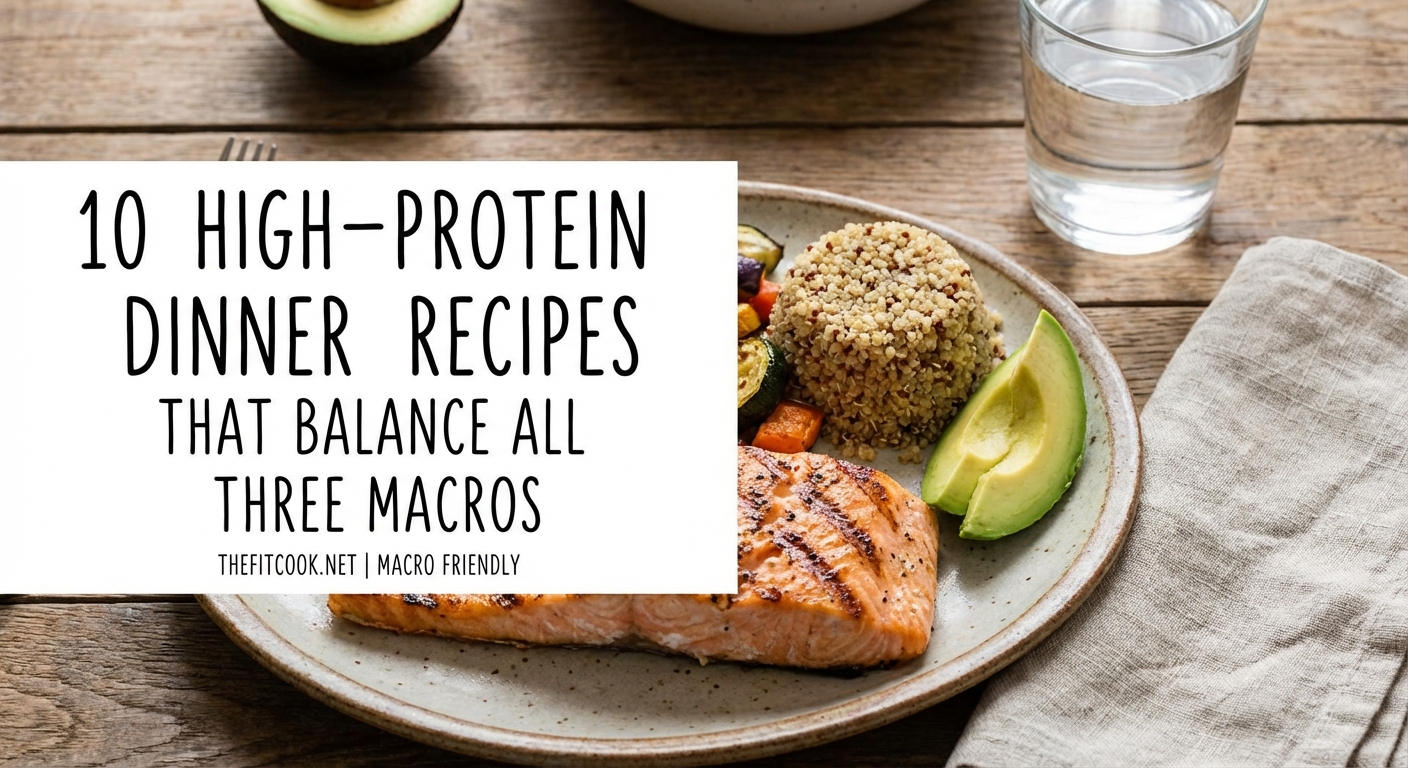
Fat makes food taste better. It also helps you absorb vitamins A, D, E, and K. But at 9 calories per gram compared to 4 for protein and carbs, it’s easy to overshoot your daily target.
The solution is measuring your fat sources instead of eyeballing them. One tablespoon of olive oil contains 14 grams of fat. Two tablespoons of peanut butter has 16 grams. A quarter of an avocado adds 8 grams.
These amounts sound small, but they add up fast when you’re cooking a full meal.
Use these strategies to control fat intake:
- Measure oils with actual measuring spoons, not a pour from the bottle
- Choose cooking methods that need less fat, like grilling or air frying
- Save room in your fat budget for ingredients that add major flavor, like cheese or nuts
- Use non-stick pans to reduce the oil needed for sautéing
- Add fat strategically to the components that benefit most from richness
A stir fry might use one tablespoon of sesame oil for cooking and another tablespoon of peanut butter in the sauce. That’s 30 grams of fat before you add any nuts or seeds as garnish.
Planning ahead prevents you from running out of fat macros halfway through building your plate.
Five High Protein Dinner Recipes With Full Macro Breakdowns
These recipes each provide 35 to 45 grams of protein and balance all three macros in portions that actually fill you up.
Teriyaki Salmon Bowl
- 6 oz salmon fillet
- 1 cup cooked white rice
- 1 cup steamed broccoli
- 2 tsp sesame oil
- 2 tbsp low-sodium teriyaki sauce
Macros per serving: 42g protein, 48g carbs, 16g fat, 492 calories
The salmon provides omega-3 fats. The rice gives you energy for your next training session. The broccoli adds fiber and vitamin C.
Cook the salmon in a pan with one teaspoon of sesame oil. Steam the broccoli while the rice cooks. Drizzle the remaining sesame oil over the rice, top with salmon and broccoli, then add teriyaki sauce.
Ground Turkey Taco Bowl
- 6 oz 93/7 ground turkey
- 1 medium sweet potato, cubed and roasted
- 1/4 cup black beans
- 2 tbsp Greek yogurt
- 1/4 avocado, sliced
- Taco seasoning
Macros per serving: 44g protein, 52g carbs, 14g fat, 494 calories
This bowl works for meal prep because every component reheats well. The sweet potato and black beans provide complex carbs and fiber. The Greek yogurt adds extra protein while replacing sour cream.
Brown the turkey with taco seasoning. Roast sweet potato cubes at 425°F for 25 minutes. Warm the black beans. Assemble and top with yogurt and avocado.
Chicken Stir Fry With Cashews
- 6 oz chicken breast, cubed
- 2 cups mixed vegetables (bell peppers, snap peas, carrots)
- 3/4 cup cooked jasmine rice
- 1 tbsp sesame oil
- 10 cashews, roughly chopped
- 2 tbsp low-sodium soy sauce
Macros per serving: 46g protein, 44g carbs, 15g fat, 489 calories
The vegetables add volume without many calories. The cashews provide healthy fats and crunch. The rice soaks up the sauce.
Heat sesame oil in a wok or large pan. Cook chicken until done, remove and set aside. Stir fry vegetables for 3 to 4 minutes. Return chicken to the pan, add soy sauce and cashews. Serve over rice.
Beef and Quinoa Stuffed Peppers
- 6 oz 90/10 ground beef
- 1/2 cup cooked quinoa
- 2 large bell peppers, halved
- 1/4 cup marinara sauce
- 2 tbsp shredded mozzarella
- Italian seasoning
Macros per serving: 42g protein, 46g carbs, 16g fat, 496 calories
These peppers freeze beautifully, making them perfect for the ultimate macro-friendly freezer meal prep guide for beginners.
Brown the beef with Italian seasoning. Mix with cooked quinoa and marinara. Stuff into pepper halves. Bake at 375°F for 30 minutes. Top with cheese and bake 5 more minutes.
Shrimp and Grits Power Bowl
- 6 oz shrimp, peeled
- 1/2 cup dry grits, cooked in water
- 1 cup sautéed spinach
- 1 tbsp olive oil
- 2 tbsp parmesan cheese
- Garlic, lemon, red pepper flakes
Macros per serving: 44g protein, 48g carbs, 14g fat, 486 calories
Grits provide a creamy base that feels indulgent while fitting your macros. The shrimp cook in minutes. The spinach adds iron and folate.
Cook grits according to package directions. Sauté spinach in half the olive oil with garlic. Cook shrimp in the remaining oil with red pepper flakes. Stir parmesan into grits. Top with spinach and shrimp. Finish with lemon juice.
Meal Prepping These Recipes for the Week
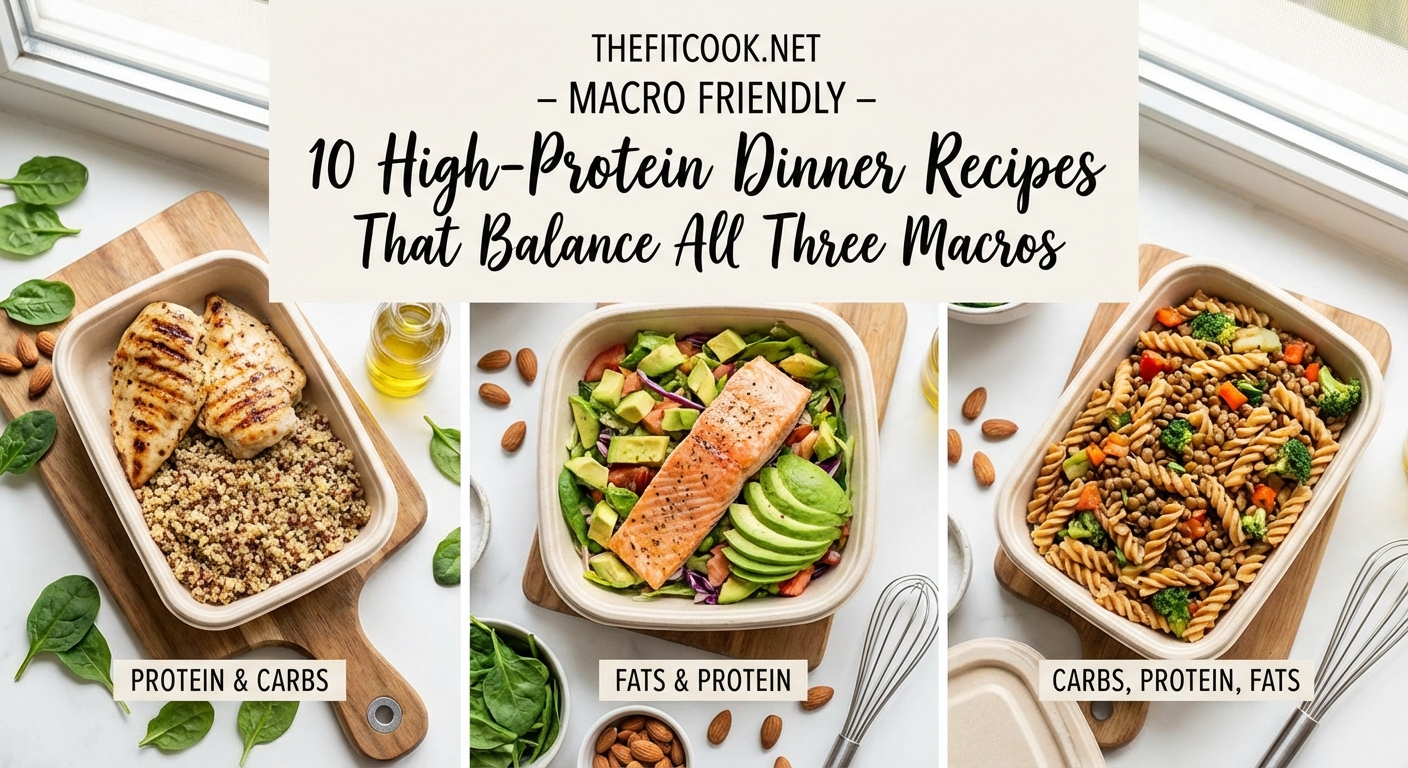
Cooking once and eating multiple times saves hours during busy weeks. These recipes scale up easily and store well for 4 to 5 days.
The key to successful meal prep is separating components that don’t reheat well. Keep sauces, avocado, and fresh herbs separate until you’re ready to eat.
“The biggest mistake people make with macro friendly meal prep is cooking everything exactly the same way. Variety in cooking methods keeps you from getting bored, even when you’re eating similar ingredients all week.” – Registered Dietitian
Cook your proteins using different methods throughout the week. Grill chicken on Sunday. Bake salmon on Tuesday. Pan sear shrimp on Thursday. Same protein targets, different flavors and textures.
Batch cook your carbs in large quantities. Make a big pot of rice, roast multiple sweet potatoes, or cook several cups of quinoa at once. Store in individual portions so you can grab and go.
For those interested in streamlining the entire process, sunday meal prep blueprint: 3 hours to a week of clean eating success walks through the exact system many fitness enthusiasts use.
Common Mistakes That Throw Off Your Macros
Even experienced macro trackers make errors that add up over time. Small miscalculations repeated daily can stall your progress.
The most frequent mistake is not weighing food after cooking. Chicken breast loses about 25% of its weight during cooking due to water loss. If you weigh it raw and log it as cooked, you’re underestimating your protein by a significant amount.
Always weigh protein raw, or use the correct cooked entry in your tracking app.
Another common error is forgetting to account for cooking oils. That tablespoon of olive oil you use to sauté vegetables contains 120 calories and 14 grams of fat. Miss that three times per day and you’ve added 360 untracked calories.
Here are the mistakes that sabotage macro tracking most often:
| Mistake | Why It Matters | How to Fix It |
|---|---|---|
| Eyeballing portions | Can be off by 30-50% | Use a food scale for accuracy |
| Not tracking vegetables | Adds up over multiple servings | Log everything, even low-calorie foods |
| Using generic entries | Macros vary by brand | Scan barcodes or use specific entries |
| Forgetting cooking oils | 120 calories per tablespoon | Measure oils before cooking |
| Tracking cooked weight as raw | Protein appears higher than reality | Weigh raw or use cooked entries |
The solution to all of these is consistency. Track the same way every single day. Weigh everything the same way. Use the same entries for the same foods.
Adjusting Recipes to Match Your Personal Macros
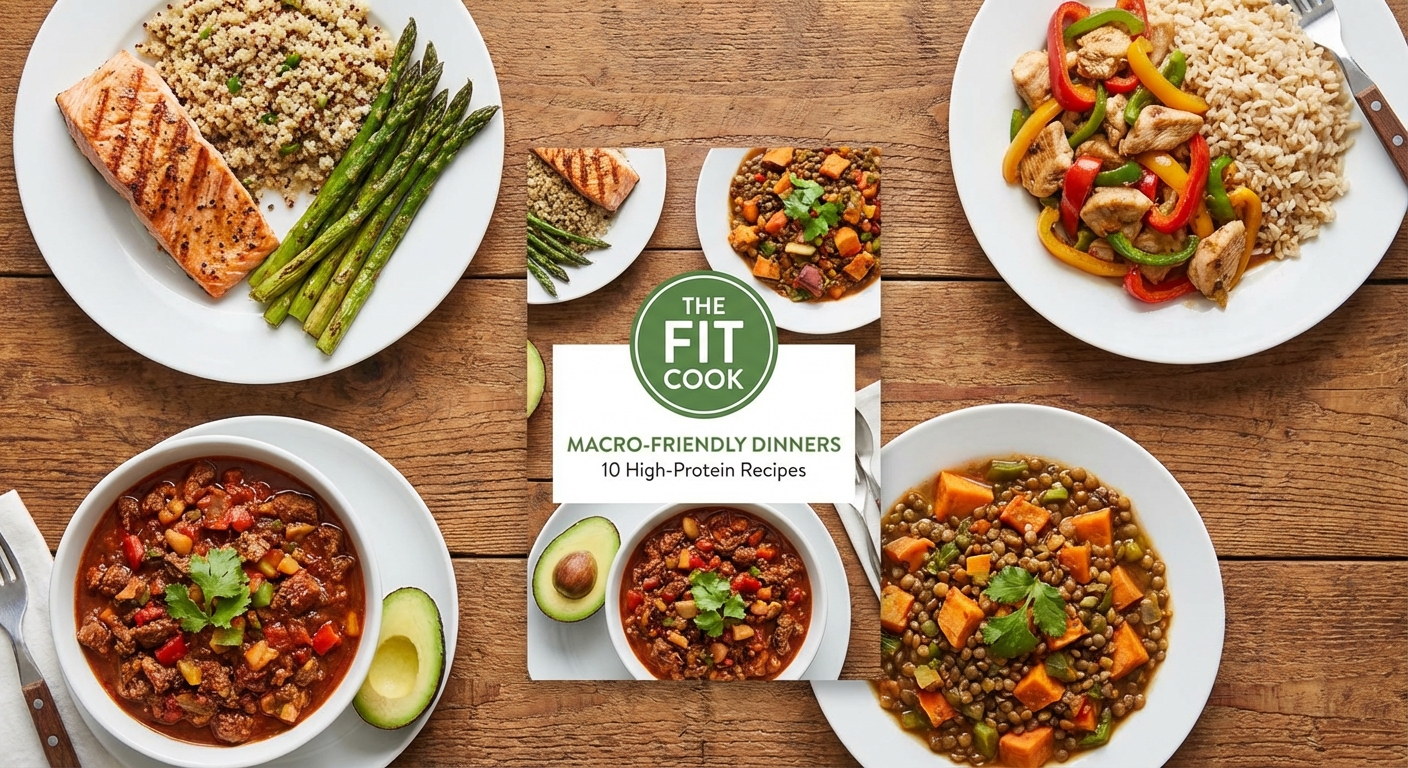
Not everyone needs the same macro split. A 150-pound woman cutting fat has different needs than a 200-pound man building muscle.
These recipes provide a balanced starting point, but you can adjust portions to match your specific targets.
If you need more protein, add an extra 2 ounces of your protein source. That’s typically 12 to 15 grams more protein and minimal additional fat if you choose lean options.
If you need more carbs for training days, increase your rice, potato, or quinoa portion by a quarter to a half cup. This adds 10 to 20 grams of carbs without changing protein or fat much.
If you need fewer carbs, reduce the carb portion and add more non-starchy vegetables like broccoli, cauliflower, or leafy greens. You’ll maintain volume and fiber while lowering total carbs.
Understanding how to calculate your macros for fat loss and muscle gain helps you make these adjustments confidently instead of guessing.
The recipes work as written for most people following a moderate macro split around 40% carbs, 30% protein, and 30% fat. Adjust from there based on your personal numbers.
Making These Recipes Work for Different Dietary Needs
Macro tracking works with almost any dietary preference. You can follow these recipes while being dairy-free, gluten-free, or following other restrictions.
For dairy-free needs, swap Greek yogurt for coconut yogurt or cashew cream. Replace cheese with nutritional yeast or simply omit it and add more healthy fats from avocado or nuts.
For gluten-free needs, all of these recipes already work except for soy sauce. Use tamari or coconut aminos instead. Both provide the same umami flavor without gluten.
For vegetarian needs, replace animal proteins with tempeh, tofu, or seitan. A 6-ounce serving of extra-firm tofu provides about 18 grams of protein, so you’ll need to increase the portion size or add additional protein sources like edamame or chickpeas.
Those following plant-based diets can hit similar macro targets by combining protein sources. A meal with both quinoa and black beans provides complete protein with all essential amino acids.
The math stays the same regardless of your protein source. You still need to balance all three macros. You still need to track portions accurately.
Scaling Recipes for Families or Solo Cooking
These recipes list single serving portions, but they multiply easily for family dinners or scale down for solo meal prep.
To cook for a family of four, multiply all ingredients by four. Use a larger pan or baking dish. Cooking times stay mostly the same, though you might need an extra 5 to 10 minutes for larger batches in the oven.
For solo cooking, these recipes work perfectly as written. Make one serving fresh for dinner tonight. Or double the recipe and have tomorrow’s lunch ready.
The stir fry and taco bowl recipes actually taste better when you make larger batches because the flavors have more time to develop. Make four servings on Sunday and portion them into containers for the week.
Stuffed peppers and salmon bowls work well as single servings cooked fresh. They take the same amount of time whether you’re making one portion or four.
If you’re cooking for one and want variety without waste, check out how to meal prep an entire week of lunches in under 2 hours for strategies on rotating different recipes throughout the week.
Pairing These Dinners With the Rest of Your Day
Your dinner macros need to fit within your total daily targets. If you’ve already had 60 grams of protein by dinner time, you might only need 25 to 30 more grams instead of 45.
The beauty of these recipes is their flexibility. You can adjust portion sizes to complement what you’ve already eaten.
Had a low-carb breakfast and lunch? Go with the full carb portion at dinner. Already hit your carb target by 3 PM? Cut the rice or potato in half and double up on vegetables.
Most people following macro-based nutrition plans aim for 3 to 4 meals per day plus snacks. These dinners typically represent 30 to 35% of total daily calories and macros.
For a 2,000 calorie day, that’s about 600 to 700 calories at dinner. For a 2,500 calorie day, it’s closer to 750 to 875 calories. All five recipes fall right in that range.
If you’re struggling to hit your protein target throughout the day, how to meal prep 150g protein daily without getting bored provides strategies for distributing protein across all meals and snacks.
Shopping Smart for Macro Friendly Ingredients
Buying ingredients for these recipes doesn’t require specialty stores or expensive organic everything. Regular grocery stores carry everything you need.
Focus your budget on quality protein sources. Chicken breast, ground turkey, and frozen shrimp provide the best value per gram of protein. Buy in bulk when possible and freeze what you won’t use within a few days.
Salmon costs more, but you can often find frozen salmon fillets for less than fresh. The quality is nearly identical once cooked, and frozen fish is actually fresher in many cases because it’s frozen immediately after being caught.
For carbs, buy whatever’s on sale. Rice, potatoes, and sweet potatoes are inexpensive year-round. Quinoa costs more but provides more protein and fiber, making it worth the occasional splurge.
Stock your pantry with these staples:
- Low-sodium soy sauce or tamari
- Olive oil and sesame oil
- Spices and dried herbs
- Canned beans
- Marinara sauce
- Rice and quinoa
These ingredients appear repeatedly across macro friendly recipes, so buying them in larger quantities saves money over time.
Fresh vegetables can be expensive depending on season and location. Frozen vegetables work just as well nutritionally and often cost half as much. Keep bags of frozen broccoli, mixed vegetables, and spinach on hand.
Timing Your Protein Intake Around Workouts
When you eat protein matters almost as much as how much you eat, especially if you’re training hard and trying to build muscle.
Your body can only use about 25 to 40 grams of protein per meal for muscle protein synthesis. Eating 100 grams in one sitting doesn’t build more muscle than eating 40 grams. The excess just gets used for energy or stored as fat.
Spreading protein evenly across 3 to 4 meals optimizes muscle building. If you train in the evening, having one of these high protein dinners within 2 hours after your workout supports recovery.
The post-workout window isn’t as critical as once believed, but getting protein within a few hours of training does help. Your muscles are primed to absorb nutrients and start rebuilding.
For morning trainers, these dinners work perfectly as a second high protein meal later in the day. Pair them with 10 high protein breakfast recipes ready in under 10 minutes to bookend your day with solid protein intake.
The key is consistency. Hit your total daily protein target. Spread it across multiple meals. Time one of those meals close to your training session.
Keeping These Recipes Interesting Long Term
Eating the same five recipes every week for months will burn you out, no matter how good they taste initially.
The solution is treating these recipes as templates rather than rigid formulas. The macro ratios stay the same, but the specific ingredients can rotate.
For the teriyaki salmon bowl, swap salmon for cod one week. Try mahi-mahi the next. Use brown rice instead of white. Replace broccoli with asparagus or green beans.
The taco bowl works with ground chicken, ground pork, or even ground bison. Switch sweet potato for butternut squash. Try pinto beans instead of black beans.
Small changes prevent boredom while keeping your macros on track. You’re still eating a protein, a carb, and vegetables. You’re still hitting your targets. But your taste buds get variety.
Seasonings make a huge difference too. The same chicken breast tastes completely different with Italian herbs versus curry powder versus taco seasoning.
Rotate through different cuisines. Make Asian-inspired meals one week. Mediterranean the next. Mexican after that. The macro math works the same regardless of flavor profile.
Your Next Step With Macro Friendly Cooking
These recipes give you a solid foundation for eating high protein meals that actually balance all three macros. You’re not just hitting a protein number and hoping the rest works out.
Start with one or two recipes this week. Get comfortable with the portions and the cooking process. Track your macros and see how they fit your daily targets.
Once these feel natural, branch out and apply the same principles to other meals. Build your own macro friendly recipes using the protein, carb, and fat ratios that work for your goals.
The math becomes second nature after a few weeks. You’ll start eyeballing portions more accurately. You’ll know instinctively whether a meal fits your macros before you even track it.
That’s when macro tracking stops feeling like a chore and starts feeling like a tool that gives you freedom to eat foods you actually enjoy while still making progress toward your goals.