What Exactly Is Clean Eating and Why Does It Matter for Fitness Results?
You’ve probably heard the term “clean eating” tossed around at the gym, on social media, or in conversations about health goals. But if you’re still not quite sure what it actually means or whether it’s just another diet trend, you’re not alone. The good news is that clean eating isn’t a restrictive fad. It’s a straightforward approach to choosing real, whole foods that fuel your body and support your fitness goals without the confusion of complicated rules.
Clean eating focuses on consuming whole, minimally processed foods like vegetables, fruits, lean proteins, [whole grains](https://www.who.int/news-room/fact-sheets/detail/healthy-diet), and healthy fats while avoiding artificial ingredients and heavily processed items. This approach supports better energy levels, improved workout performance, faster recovery, and sustainable fat loss. It’s not about perfection but about making consistently better food choices that align with your fitness goals and lifestyle.
Understanding the basics of clean eating
Clean eating is all about choosing foods that are as close to their natural state as possible. Think fresh vegetables, whole fruits, lean meats, fish, eggs, nuts, seeds, and whole grains. These foods don’t come with ingredient lists you need a chemistry degree to understand.
The core principle is simple. If you can recognize and pronounce every ingredient, it’s probably a clean choice. If a food item has a long list of additives, preservatives, artificial colors, or sweeteners, it doesn’t make the cut.
This doesn’t mean you need to eat only raw vegetables and grilled chicken. Clean eating allows for cooking methods that enhance flavor and nutrition without adding unnecessary junk. Roasting, steaming, grilling, and sautéing with healthy oils all fit within this framework.
The goal isn’t perfection. It’s progress. Small, consistent changes add up over time and create lasting results.
Why clean eating matters for your fitness results
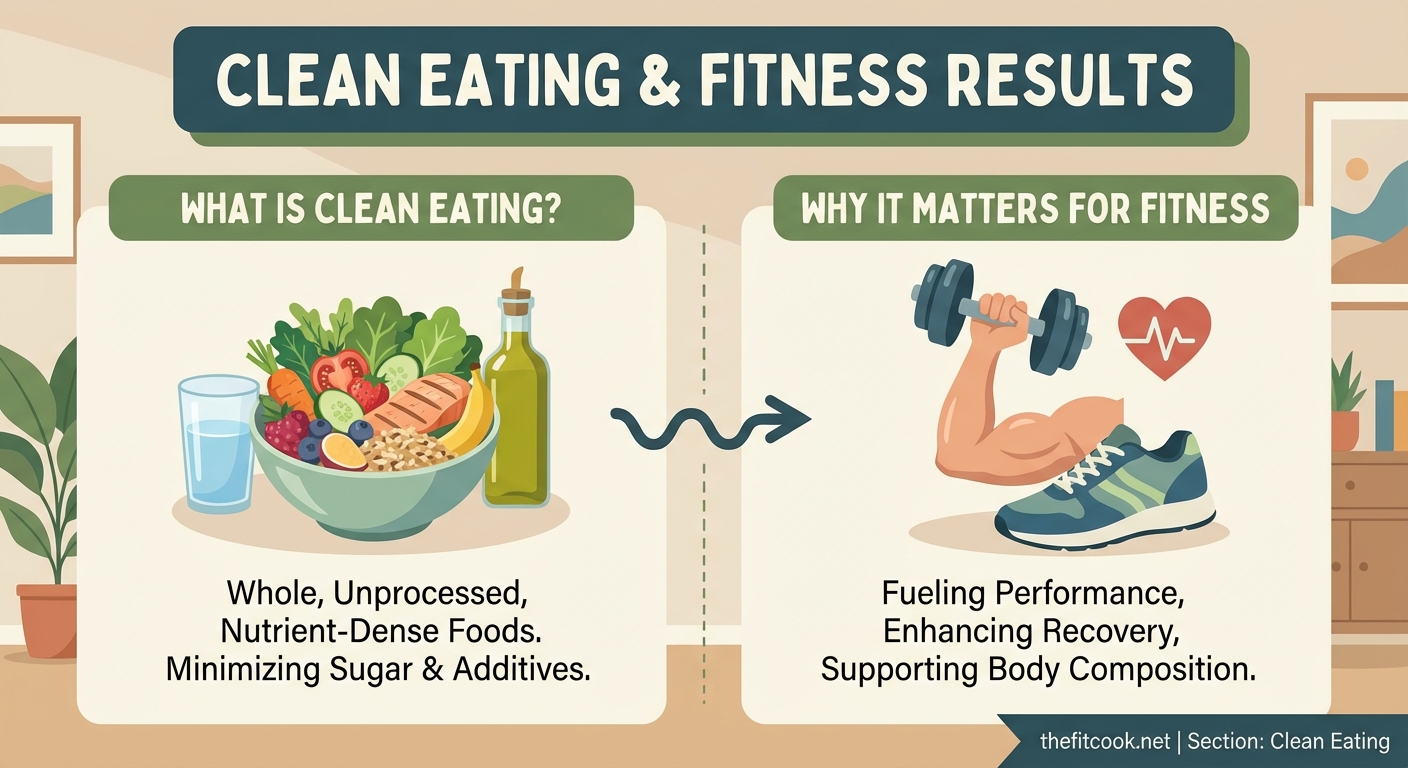
Your body runs on the fuel you give it. Feed it processed foods loaded with sugar, sodium, and artificial ingredients, and you’ll feel sluggish, bloated, and unable to perform at your best. Feed it whole, nutrient-dense foods, and you’ll notice better energy, faster recovery, and improved strength gains.
Clean eating directly impacts your workout performance. Whole foods provide steady energy without the crashes that come from refined sugars and processed carbs. You’ll have more stamina during training sessions and better focus throughout the day.
Recovery is where your muscles actually grow and repair. Clean eating supports this process by delivering the vitamins, minerals, and macronutrients your body needs to rebuild stronger. Processed foods create inflammation and slow down recovery, keeping you sore longer and limiting your progress.
Fat loss becomes easier when you eat clean because whole foods are naturally more filling and less calorie-dense than processed alternatives. You can eat satisfying portions without accidentally consuming thousands of empty calories. Your body also processes these foods more efficiently, which helps regulate hunger hormones and reduce cravings.
Muscle building gets a boost from clean eating because you’re providing high-quality protein and carbohydrates at the right times. Your body uses these nutrients to repair muscle tissue and replenish glycogen stores after training. If you’re serious about building muscle on a budget, clean eating makes every calorie count.
The fundamental principles of eating clean
Clean eating isn’t complicated, but it does require understanding a few core principles that guide your food choices.
Choose whole foods over processed alternatives. This means selecting a baked sweet potato instead of sweet potato fries from a bag. It means choosing oats instead of sugary cereal. It means picking fresh berries over fruit snacks.
Read ingredient labels carefully. The fewer ingredients, the better. If you see words you can’t pronounce or don’t recognize, put it back on the shelf. Sugar often hides under dozens of different names like high fructose corn syrup, dextrose, maltose, and cane juice.
Prioritize quality protein sources. Lean meats, fish, eggs, Greek yogurt, cottage cheese, and plant-based proteins like beans and lentils should form the foundation of your meals. Protein supports muscle repair and keeps you full longer.
Include plenty of vegetables and fruits. These provide fiber, vitamins, minerals, and antioxidants that support overall health and recovery. Aim for a variety of colors to ensure you’re getting a wide range of nutrients.
Select healthy fats. Avocados, nuts, seeds, olive oil, and fatty fish like salmon provide essential fatty acids that support hormone production, brain function, and joint health.
Limit added sugars and artificial sweeteners. These offer no nutritional value and can spike blood sugar, increase cravings, and contribute to fat storage. Natural sources of sweetness like fruit are a better choice.
Building your clean eating plate step by step
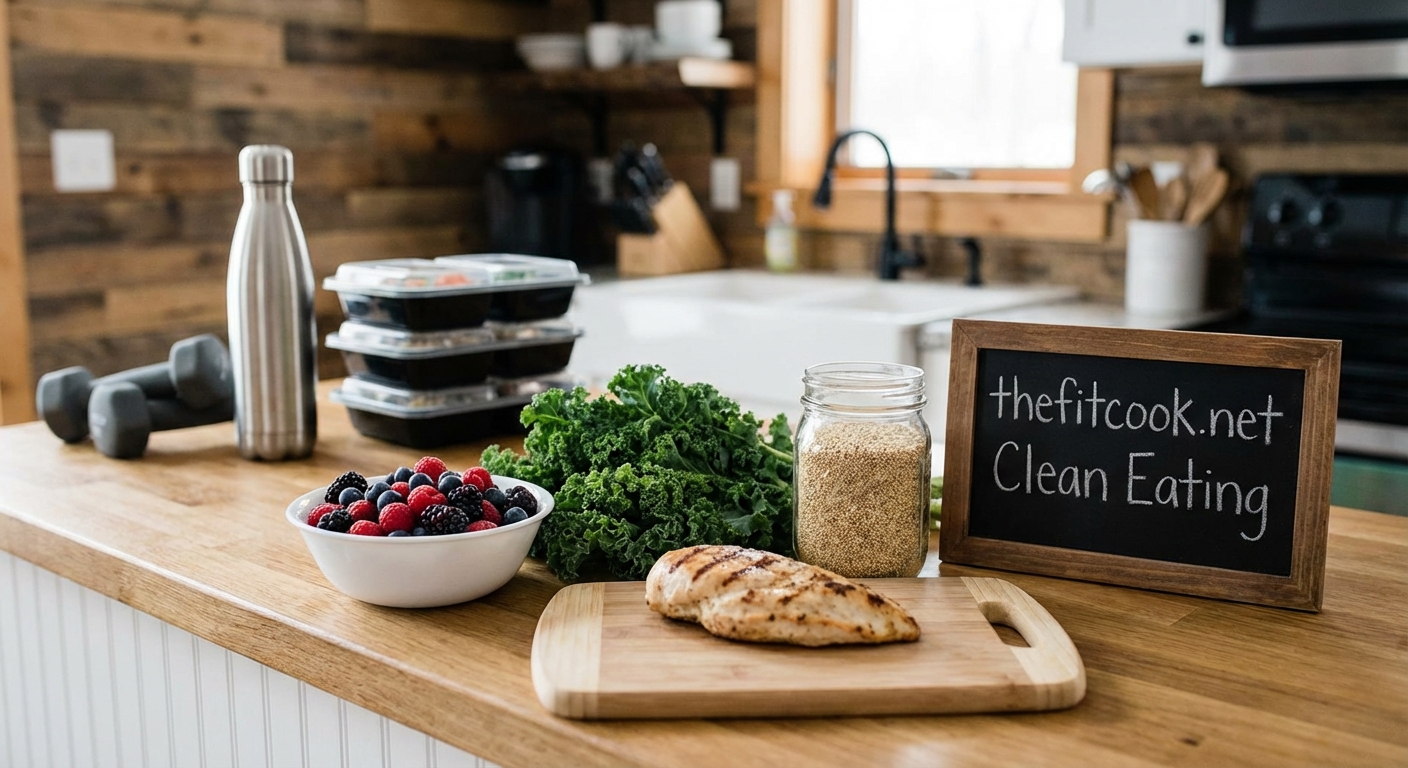
Getting started with clean eating doesn’t require a complete kitchen overhaul overnight. Follow these steps to transition smoothly.
-
Start with one meal. Pick breakfast, lunch, or dinner and focus on making that meal clean for one week. Master that before moving on.
-
Stock your pantry with staples. Having clean eating pantry staples on hand makes meal prep easier and reduces the temptation to order takeout.
-
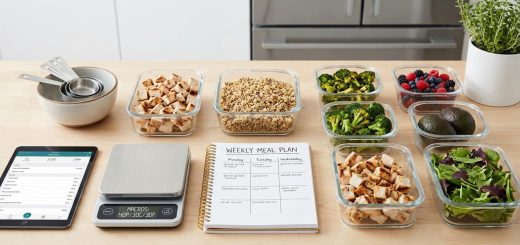
Plan your meals in advance. Spending time on meal prep each Sunday sets you up for success all week long.
-
Prepare simple recipes. You don’t need complicated dishes. Simple combinations of protein, vegetables, and healthy carbs work perfectly.
-
Batch cook proteins and grains. Cook several chicken breasts, a pot of brown rice, and roasted vegetables at once. Mix and match throughout the week.
-
Keep healthy snacks accessible. High-protein snacks prevent you from reaching for processed options when hunger strikes.
What clean eating looks like in practice
Here’s a practical breakdown of clean versus processed food choices.
| Food Category | Clean Choice | Processed Alternative |
|---|---|---|
| Breakfast | Steel-cut oats with berries and almonds | Sugary cereal with artificial flavors |
| Protein | Grilled chicken breast | Breaded chicken nuggets |
| Carbs | Baked sweet potato | Frozen french fries |
| Snacks | Apple slices with almond butter | Packaged cookies |
| Beverages | Water with lemon | Soda or energy drinks |
| Fats | Avocado or olive oil | Margarine or hydrogenated oils |
Notice how the clean choices are recognizable whole foods. The processed alternatives have been modified, packaged, and loaded with additives.
Macronutrients and clean eating for fitness goals
Understanding macronutrients helps you structure your clean eating approach for specific results. Whether you want to lose fat, build muscle, or improve performance, balancing protein, carbohydrates, and fats matters.
Protein should be your priority. It repairs muscle tissue, keeps you full, and has the highest thermic effect of all macronutrients, meaning your body burns more calories digesting it. Aim for lean sources like chicken, turkey, fish, eggs, and Greek yogurt. If you’re wondering how much protein you really need after a workout, the answer depends on your body weight and training intensity.
Carbohydrates fuel your workouts and replenish glycogen stores. Focus on complex carbs like oats, brown rice, quinoa, and sweet potatoes. These provide sustained energy without the blood sugar spikes from refined carbs. Timing matters too. Eating carbs around your training sessions maximizes performance and recovery.
Fats support hormone production, brain function, and nutrient absorption. Include sources like avocados, nuts, seeds, olive oil, and fatty fish. Don’t fear healthy fats. They’re essential for overall health and can actually help with fat loss when consumed in appropriate amounts.
Understanding what macros are and why they matter takes your clean eating to the next level. You can eat clean foods but still miss your goals if your macro balance is off.
Strategic eating around your workouts
When you eat matters almost as much as what you eat, especially if you’re training hard.
Pre-workout nutrition should focus on easily digestible carbs and moderate protein. This gives you energy without causing digestive discomfort. A banana with almond butter or oatmeal with protein powder works well. Eat 1 to 2 hours before training.
Post-workout nutrition is critical for recovery. Your muscles are primed to absorb nutrients, and you need both protein and carbs to maximize this window. A combination like grilled chicken with rice and vegetables or a protein smoothie with fruit hits the mark. Check out the ultimate guide to post-workout nutrition for detailed timing strategies.
Intra-workout nutrition typically isn’t necessary unless you’re training for more than 90 minutes. For most gym sessions, water is sufficient.
Common mistakes that sabotage clean eating
Even with good intentions, certain mistakes can derail your progress.
-
Thinking all “healthy” packaged foods are clean. Many products marketed as healthy still contain added sugars, artificial ingredients, and preservatives. Always read labels.
-
Ignoring portion sizes. Clean foods still contain calories. Eating massive portions of nuts, nut butter, or avocado can put you in a caloric surplus and prevent fat loss.
-
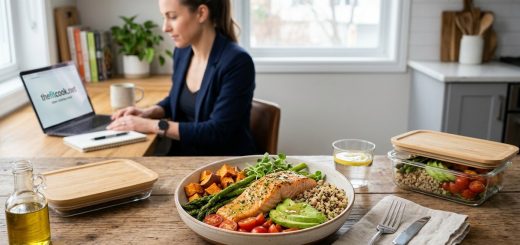
Not preparing ahead. Without meal prep, you’ll be tempted by convenience foods when hunger strikes. Meal prepping an entire week of lunches prevents this problem.
-
Being too restrictive. Clean eating should be sustainable, not miserable. An occasional treat won’t ruin your progress. Perfectionism often leads to burnout and binge eating.
-
Forgetting about protein timing. Spreading protein intake throughout the day supports muscle protein synthesis better than eating it all in one meal. If you’re making common high-protein diet mistakes, your results will suffer.
-
Drinking your calories. Juice, soda, fancy coffee drinks, and alcohol add up fast. Stick to water, black coffee, and tea most of the time.
Making clean eating work with your lifestyle
Clean eating doesn’t mean you can never eat out or enjoy social events. It means making better choices within your circumstances.
When dining out, look for grilled or baked proteins, ask for vegetables instead of fries, request dressings and sauces on the side, and skip the bread basket. Most restaurants will accommodate simple requests.
For social gatherings, eat a clean meal before you go so you’re not starving. Bring a healthy dish to share. Focus on protein and vegetable options. Allow yourself one treat if you want it, then move on.
Traveling requires planning. Pack protein bars, nuts, and fruit for flights or road trips. Research restaurants near your hotel. Many grocery stores have rotisserie chicken and pre-cut vegetables that make easy clean meals.
“The goal of clean eating isn’t to be perfect. It’s to make better choices more often. Progress, not perfection, creates lasting transformation.”
Practical clean eating meal ideas
Here are simple meal combinations that follow clean eating principles.
Breakfast options:
* Scrambled eggs with spinach and whole grain toast
* Greek yogurt with berries and almonds
* Oatmeal with banana and natural peanut butter
* High-protein breakfast options that you can prep in advance
Lunch ideas:
* Grilled chicken salad with mixed greens, vegetables, and olive oil dressing
* Turkey and avocado wrap in a whole grain tortilla
* Quinoa bowl with black beans, salsa, and grilled vegetables
* Tuna mixed with Greek yogurt on a bed of greens
Dinner combinations:
* Baked salmon with roasted sweet potato and broccoli
* Lean ground turkey stir-fry with brown rice and mixed vegetables
* Grilled chicken with quinoa and asparagus
* One-pan chicken recipes that simplify cleanup
Snack choices:
* Apple slices with almond butter
* Carrots and hummus
* Hard-boiled eggs
* Mixed nuts (watch portions)
* Cottage cheese with berries
Overcoming obstacles and staying consistent
The biggest challenge with clean eating isn’t knowing what to do. It’s doing it consistently despite obstacles.
Time constraints are the most common excuse. Meal prep solves this. Dedicate a few hours on the weekend to prepare proteins, chop vegetables, and portion meals. Freezer meal prep for beginners extends your prep even further.
Budget concerns are valid but manageable. Frozen vegetables are just as nutritious as fresh and often cheaper. Buy proteins in bulk when on sale and freeze portions. Eggs are an inexpensive protein source. Clean eating on a budget is absolutely possible with smart shopping.
Cravings will happen. Don’t try to white-knuckle through them. Have healthier versions of your favorite foods available. Want something sweet? Try dates or dark chocolate. Want something crunchy? Air-popped popcorn or roasted chickpeas work.
Social pressure from friends or family can be tough. You don’t need to announce you’re eating clean or make a big deal about it. Simply make your choices and move on. Most people won’t notice or care.
Lack of variety leads to boredom. Rotate your proteins, try new vegetables, experiment with different spices and herbs, and test new cooking methods. Sheet pan dinners offer endless variety with minimal effort.
Measuring your progress beyond the scale
Clean eating creates changes that go beyond weight loss. Pay attention to these markers of success.
- Energy levels throughout the day without crashes
- Sleep quality and how rested you feel in the morning
- Workout performance including strength, endurance, and recovery time
- Digestion and how your stomach feels after meals
- Skin clarity and overall appearance
- Mood stability and mental clarity
- Clothing fit even if the scale doesn’t move much
- Blood work showing improved cholesterol, blood sugar, and inflammation markers
These non-scale victories often appear before significant weight changes and indicate you’re on the right track.
Adjusting clean eating for different fitness goals
Your specific goals determine how you structure your clean eating approach.
For fat loss, create a moderate calorie deficit while maintaining high protein intake. Focus on filling, low-calorie-density foods like vegetables and lean proteins. Building the perfect low-carb plate can accelerate fat loss while preserving muscle.
For muscle building, eat in a slight calorie surplus with emphasis on protein and carbs around training. You need enough fuel to support muscle growth and recovery. Meal prepping 150g of protein daily becomes easier with the right systems.
For performance, prioritize carbohydrate timing around training sessions. Athletes need more carbs than someone focused purely on fat loss. Clean carb sources fuel intense training without the digestive issues from processed foods.
For maintenance, balance your macros to match your activity level and eat enough to sustain your current weight and performance. This is where many people settle after reaching their initial goals.
Building sustainable habits that last
Clean eating works when it becomes a lifestyle, not a temporary diet. These strategies help make it stick.
Start small. Change one meal at a time. Master breakfast before tackling lunch. Build confidence through small wins.
Create systems that remove decision fatigue. Eat similar meals during the week. Save variety for weekends. Know your go-to options at common restaurants.
Prepare for setbacks. You’ll have days when you eat less than perfectly. Don’t spiral. Just return to clean eating at your next meal.
Find clean versions of foods you love. Miss pizza? Make it with a whole grain crust, quality cheese, and vegetable toppings. Want burgers? Use grass-fed beef and whole grain buns with plenty of vegetables.
Connect with others who eat clean. Whether online communities or local friends, having support makes consistency easier.
Track your meals initially. This builds awareness of what you’re actually eating versus what you think you’re eating. Most people underestimate portions and calories significantly.
Making clean eating fit your unique needs
Clean eating isn’t one-size-fits-all. Customize it based on your preferences, schedule, and health considerations.
Food allergies or intolerances require substitutions. Dairy-free? Use almond milk and coconut yogurt. Gluten-free? Choose rice, quinoa, and potatoes as your carb sources. Clean eating principles still apply regardless of restrictions.
Vegetarian or vegan approaches work perfectly with clean eating. Focus on beans, lentils, tofu, tempeh, and other plant proteins. Combine different protein sources to get complete amino acid profiles.
Budget limitations mean choosing frozen vegetables, buying in bulk, and focusing on less expensive proteins like eggs, canned tuna, and chicken thighs. Quality matters more than buying everything organic.
Time constraints make batch cooking and simple recipes essential. What to cook when you have zero energy after the gym provides realistic solutions for busy schedules.
Family dynamics require finding meals everyone will eat. Start with familiar foods prepared in cleaner ways. Gradually introduce new options.
Your clean eating journey starts with one meal
Clean eating transforms your relationship with food, your energy levels, and your fitness results. It’s not about restriction or perfection. It’s about choosing real, whole foods that fuel your body and support your goals most of the time.
Start today with your next meal. Choose a lean protein, add vegetables, include a healthy carb source, and skip the processed extras. That’s it. Repeat that choice at the next meal, and the next. Small, consistent actions compound into major transformations over weeks and months. Your body will thank you with better performance, faster recovery, and the results you’ve been working toward.