How to Build a Clean Eating Meal Plan That Actually Fits Your Macros
You’ve calculated your macros. You know exactly how much protein, carbs, and fat you need each day. But when you sit down to plan your meals, everything falls apart. The numbers never add up. You’re either 20 grams over on carbs or way under on protein. And forget about making it taste good.
Building a meal plan that actually fits your macros doesn’t require a nutrition degree or expensive software. It just needs a smart framework and a few reliable strategies.
A meal plan that fits macros starts with choosing anchor proteins, building meals in a specific order, and using flexible food swaps. Calculate your daily targets, divide them across meals, then build each plate around protein first, carbs second, and fats last. Track everything for one week to establish your baseline, then repeat successful combinations while varying flavors and cooking methods.
Understanding Why Most Macro Meal Plans Fail
Most people approach macro planning backwards. They pick recipes they like, then try to force the numbers to work. That’s like trying to fit a square peg in a round hole.
The numbers will never cooperate when you start with the food.
Instead, you need to start with your targets and build meals that naturally land within range. This means thinking in components, not complete recipes.
A successful meal plan that fits macros treats each macronutrient as a separate puzzle piece. You’ll choose your protein source first, add carbs second, and finish with fats. This order matters because protein is the hardest to hit and fats are the easiest to adjust.
Calculate Your Daily Macro Targets First
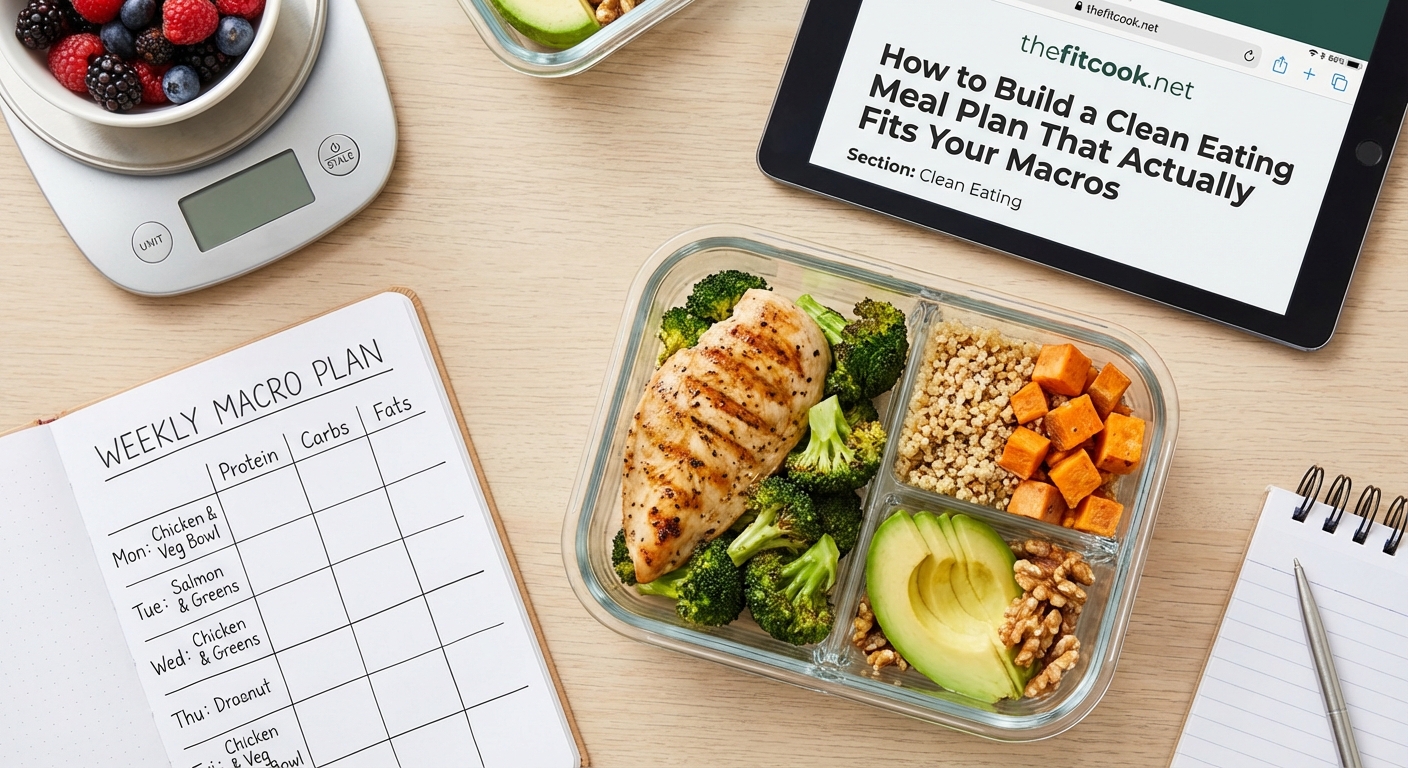
Before you plan a single meal, you need to know your numbers. What are macros and why do they matter more than calories breaks down the science, but here’s the practical version.
Your macro targets depend on your goal:
- Fat loss: Higher protein (1g per pound bodyweight), moderate carbs, lower fats
- Muscle gain: High protein (0.8-1g per pound), higher carbs, moderate fats
- Maintenance: Balanced split across all three macros
Once you have your daily totals, divide them by the number of meals you eat. If you eat three meals and two snacks daily, split your macros into five portions. They don’t need to be equal, but they should add up to your daily total.
Most people do better with larger meals and smaller snacks rather than five equal portions throughout the day.
The Anchor Protein Method for Meal Planning
Every meal starts with protein. This is non-negotiable when you’re building a meal plan that fits macros.
Choose 3-4 protein sources you actually enjoy eating multiple times per week. These become your anchor proteins. Common choices include chicken breast, ground turkey, salmon, eggs, Greek yogurt, and lean beef.
Calculate the exact macro breakdown for a standard serving of each anchor protein:
| Protein Source | Serving Size | Protein | Carbs | Fat |
|---|---|---|---|---|
| Chicken breast | 6 oz cooked | 52g | 0g | 3g |
| 93% ground turkey | 6 oz cooked | 48g | 0g | 9g |
| Salmon | 5 oz cooked | 35g | 0g | 12g |
| Whole eggs | 3 large | 18g | 1g | 15g |
| Greek yogurt (0%) | 1 cup | 23g | 9g | 0g |
Notice how each protein brings different amounts of fat. Chicken is almost pure protein. Salmon includes healthy fats. Eggs are higher in fat but lower in total protein per serving.
This matters when you build the rest of your meal. A salmon-based meal needs fewer added fats. A chicken-based meal has room for avocado, nuts, or oil-based dressing.
Building Complete Meals in the Right Order
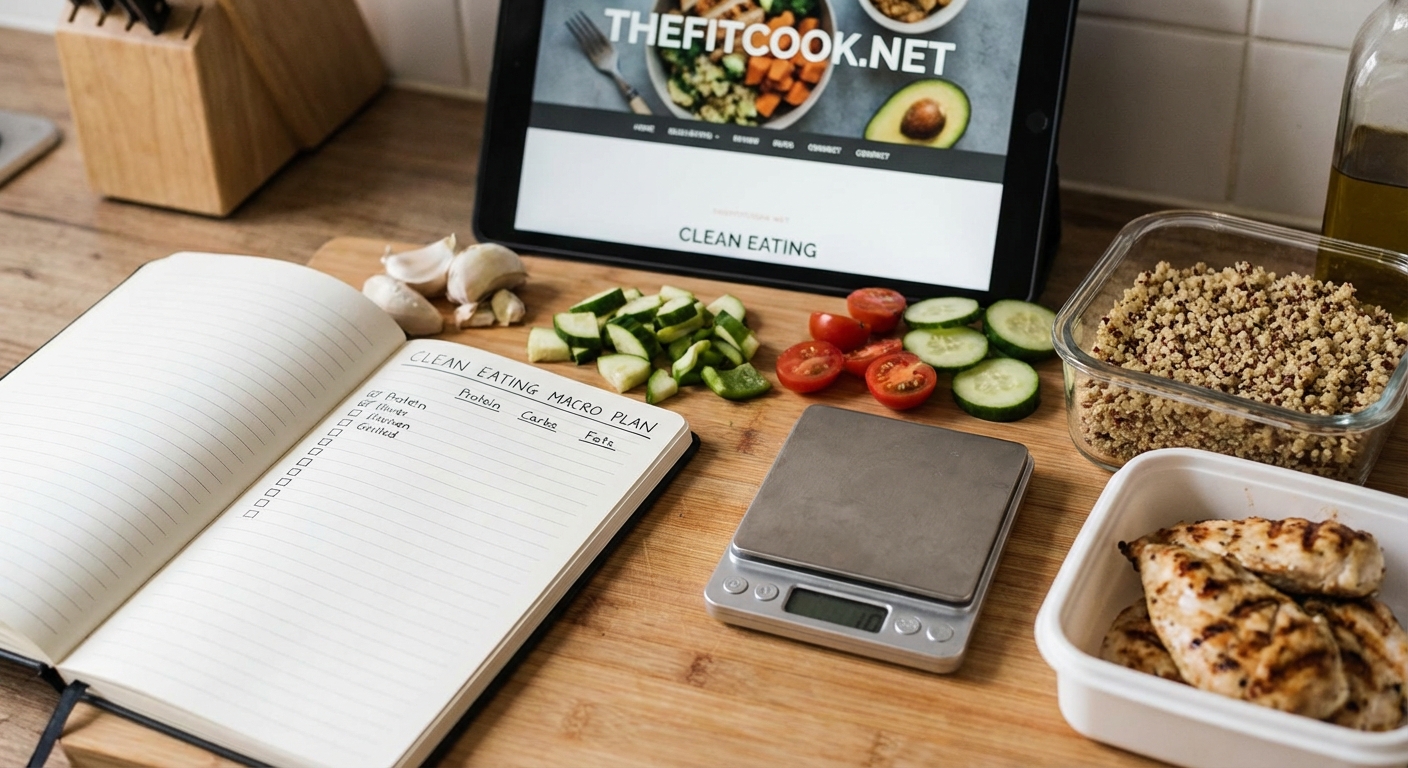
Start with your anchor protein. Let’s say you’re planning lunch and you need 45g protein, 50g carbs, and 15g fat.
You choose 6 oz chicken breast (52g protein, 0g carbs, 3g fat).
Your protein is covered. You’re slightly over, which is fine. Now you need 50g carbs and 12g more fat.
Add your carb source next. Options that work well:
- 1.5 cups cooked white rice (67g carbs, 6g protein)
- 8 oz sweet potato (52g carbs, 4g protein)
- 1.5 cups cooked quinoa (55g carbs, 12g protein)
Choose the sweet potato. You now have 52g protein, 52g carbs, and 3g fat.
Finish with fat sources to hit your remaining 12g:
- 1 tbsp olive oil (14g fat)
- 1/4 avocado (8g fat)
- 2 tbsp hummus (6g fat, plus 4g carbs and 2g protein)
Add 1 tbsp olive oil for cooking and you’re done. Final meal: 52g protein, 52g carbs, 17g fat. Close enough.
This is how you build every single meal. Protein first, carbs second, fats last.
Creating Your Weekly Meal Rotation
You don’t need 21 different meals for a week. You need 5-7 solid combinations that hit your macros and taste good reheated.
Pick your anchor proteins for the week. Let’s say chicken, ground turkey, and salmon. Now assign each one to different meals:
- Chicken with rice and roasted vegetables
- Turkey taco bowls with black beans
- Salmon with quinoa and asparagus
- Chicken stir-fry with mixed vegetables
- Turkey meatballs with pasta and marinara
Each base combination can be flavored differently throughout the week. Monday’s chicken and rice uses teriyaki sauce. Wednesday’s uses buffalo sauce. Friday’s uses lemon pepper seasoning.
Same macros, different flavors, zero boredom.
Sunday meal prep blueprint: 3 hours to a week of clean eating success walks you through the exact cooking process to make this happen efficiently.
The Flexible Food Swap System
Life happens. The grocery store runs out of chicken. You get sick of eating rice. Your meal plan needs built-in flexibility.
Create a swap list for each macro category. These foods are interchangeable because they have similar macro profiles:
Protein swaps (per 40g protein serving):
– 6 oz chicken breast
– 6 oz turkey breast
– 5 oz lean ground beef (93/7)
– 7 oz cod or tilapia
– 1.5 cups low-fat cottage cheese
Carb swaps (per 50g carbs):
– 1.5 cups white rice
– 8 oz sweet potato
– 2 slices whole grain bread
– 1.5 cups oatmeal (dry measure: 3/4 cup)
– 10 oz regular potato
Fat swaps (per 15g fat):
– 1 tbsp any oil
– 1/3 avocado
– 2 tbsp natural peanut butter
– 1 oz almonds
– 3 whole eggs (minus the protein)
When you need to swap, choose from the same category. Your macros stay on track even when your ingredients change.
Tracking Your First Week to Establish Baselines
Theory only gets you so far. You need real data from your actual eating patterns.
Track everything you eat for seven full days. Weigh your portions. Log every meal in a tracking app. Don’t judge, just observe.
You’ll discover patterns:
- Which meals consistently hit your targets
- Where you always go over on fats
- When you’re short on protein
- What foods throw off your numbers
After one week, you’ll have 5-7 meals that work perfectly. These become your core rotation. Everything else is just variation on these proven combinations.
How to calculate your macros for fat loss and muscle gain helps you adjust targets as your body composition changes.
Common Macro Planning Mistakes and Fixes
Mistake 1: Trying to hit macros exactly
Your targets are ranges, not absolutes. Being within 5g on each macro is perfectly fine. Stressing over 2g of carbs wastes mental energy.
Mistake 2: Forgetting to account for cooking oils and condiments
That tablespoon of olive oil adds 14g fat. The ketchup adds 4g carbs. These “small” additions destroy your numbers if you ignore them.
Mistake 3: Building meals around carbs instead of protein
When you start with pasta or rice, you’ll always struggle to fit enough protein. Start with protein every single time.
Mistake 4: Not preparing for hunger between meals
Your meal plan needs strategic snacks. A protein shake, Greek yogurt, or beef jerky keeps you from making desperate food choices that blow your macros.
The biggest mistake I see is people trying to eat “clean” foods that don’t match their macro needs. You can eat all the chicken and broccoli you want, but if you’re supposed to eat 300g carbs daily and you’re only getting 150g, you won’t reach your goals. Match your food choices to your numbers, not your idea of what “healthy” looks like.
Sample Day of Macro-Balanced Meals
Here’s what a full day looks like for someone targeting 180g protein, 220g carbs, and 60g fat (roughly 2,080 calories).
Breakfast (7am):
– 4 whole eggs scrambled
– 2 slices whole grain toast
– 1 cup mixed berries
– Black coffee
Macros: 28g protein, 52g carbs, 22g fat
Mid-morning snack (10am):
– Protein shake with 1 scoop whey, 1 banana, 1 cup almond milk
Macros: 28g protein, 35g carbs, 4g fat
Lunch (1pm):
– 6 oz grilled chicken breast
– 1.5 cups white rice
– 1 cup steamed broccoli
– 1 tbsp olive oil (for cooking)
Macros: 54g protein, 68g carbs, 16g fat
Pre-workout snack (4pm):
– 1 cup Greek yogurt (0% fat)
– 1/2 cup granola
Macros: 25g protein, 40g carbs, 8g fat
Dinner (7pm):
– 6 oz salmon
– 8 oz sweet potato
– 2 cups mixed vegetables
– Side salad with 1 tbsp dressing
Macros: 42g protein, 58g carbs, 18g fat
Daily totals: 177g protein, 253g carbs, 68g fat
Close enough to the targets. The extra carbs and fats come from vegetables and the granola. You could adjust by reducing the granola portion or using less oil at lunch.
Meal Prep Strategies That Keep Macros Consistent
Consistency requires preparation. You can’t hit your macros when you’re making food decisions while hungry at 6pm.
Cook your anchor proteins in bulk every Sunday. Grill 3 pounds of chicken, bake 2 pounds of salmon, brown 2 pounds of ground turkey. Store them in portioned containers.
Prep your carb sources similarly. Cook a large batch of rice, roast several sweet potatoes, portion out oatmeal servings.
Keep vegetables simple. Buy pre-washed salad mix, frozen broccoli, and steam-in-bag options. The goal is nutrition, not culinary awards.
The ultimate macro-friendly freezer meal prep guide for beginners shows you how to prep two weeks of meals in one afternoon.
When your proteins and carbs are ready to go, assembling a macro-perfect meal takes five minutes. Grab your chicken portion, microwave your rice, steam your vegetables, add your measured fat source. Done.
Adjusting Your Plan for Different Goals
Your meal structure stays the same whether you’re cutting, bulking, or maintaining. Only the portions change.
For fat loss, reduce carbs and fats slightly while keeping protein high. Drop 50g carbs and 10g fat from the sample day above. You’re now at 1,700 calories while maintaining muscle-protecting protein.
For muscle gain, increase carbs primarily and protein moderately. Add 80g carbs and 20g protein to the same template. You’re now at 2,480 calories with fuel for growth.
The meals themselves don’t change. You just adjust serving sizes of rice, potatoes, and oils. Your chicken breast portion stays roughly the same because protein needs remain consistent.
Making Restaurant Meals Fit Your Macros
Eating out doesn’t mean abandoning your plan. It means making strategic choices.
Choose restaurants with simple preparations. Grilled chicken, plain rice, and steamed vegetables are available almost everywhere. Ask for sauces on the side. Request no butter on your steak.
Estimate portions conservatively. Restaurant servings are usually larger than you think. That “6 oz” chicken breast is probably 8-10 oz. Log it as the higher amount.
Save some macro room for the meal. If you’re eating out for dinner, make breakfast and lunch slightly lower in carbs and fats. This creates a buffer for restaurant portions and hidden oils.
15-minute high-protein dinners that actually keep you full gives you backup options for nights when restaurant food doesn’t fit your needs.
Building Snacks Into Your Macro Plan
Snacks aren’t cheating. They’re strategic tools to hit your numbers without forcing huge meals.
Most people need 1-2 snacks daily to reach their protein targets comfortably. A 40g protein snack between lunch and dinner means your main meals only need 35-40g each instead of 50-60g.
Smart macro-friendly snacks:
- Protein shake with fruit
- Greek yogurt with granola
- Beef jerky with an apple
- Cottage cheese with berries
- Protein bar (check the label, many are candy bars in disguise)
- Hard-boiled eggs with rice cakes
Each snack should include protein plus one other macro. Protein plus carbs for pre-workout energy. Protein plus fat for sustained fullness between meals.
30 high protein snacks that actually taste like treats provides options that don’t feel like diet food.
Using Technology to Simplify Macro Tracking
A food scale is non-negotiable. Eyeballing portions will sabotage your progress. A $15 digital scale removes all guesswork.
Tracking apps make the math automatic. MyFitnessPal, MacroFactor, and Cronometer all work well. Log your meals as you build them, not hours later when you’ve forgotten the oil you used for cooking.
Create custom meals in your app for combinations you eat repeatedly. Save “Chicken Rice Bowl” with all components so you can log it with one tap next time.
Many apps let you copy entire days. When you have a day that hits your macros perfectly, duplicate it for similar days. Change one or two components for variety while keeping the structure intact.
When Your Meal Plan Stops Working
Your body adapts. What worked for 12 weeks eventually stops producing results.
Signs you need to adjust:
- Weight hasn’t changed in 3+ weeks (during a cut or bulk)
- Energy is consistently low
- Hunger is unmanageable
- Performance in the gym is declining
Recalculate your macros based on your new body weight. As you lose fat or gain muscle, your calorie and macro needs change. A person who weighs 180 pounds needs different nutrition than the same person at 165 pounds.
Sometimes the issue isn’t your macros but your food choices. Eating 200g carbs from white rice hits different than 200g from sweet potatoes and oats. The numbers match but the satiety, energy, and micronutrients vary.
Why your high protein diet isn’t working: 5 common mistakes helps you troubleshoot when progress stalls despite hitting your numbers.
Your Meal Plan Is a Tool, Not a Prison
The point of tracking macros is freedom, not restriction. When you understand how foods fit together, you can eat anything and still reach your goals.
Birthday cake at a party? Work it into your macros. Reduce carbs and fats earlier in the day. Enjoy the cake without guilt or progress loss.
Vacation coming up? Maintain your protein target, relax slightly on carbs and fats, and return to your normal plan when you’re home. One week won’t destroy months of work.
Your meal plan that fits macros should make your life easier, not harder. If you’re stressed about every gram and miserable eating foods you hate, the plan isn’t working regardless of the results.
Making This Work Long Term
Start with just one week. Build seven days of meals that hit your macros and taste good. Eat them. Adjust what doesn’t work.
Then repeat that week. Same meals, different seasonings and cooking methods. Get comfortable with the process before you try to get creative.
After two weeks, you’ll have the system down. You’ll know which combinations work and which don’t. You’ll understand how to adjust on the fly when life interferes.
The meal plan that fits macros isn’t the one from a fitness influencer or a meal prep company. It’s the one you build yourself using foods you actually enjoy, structured around your schedule, and flexible enough to survive real life.
Your macros are just numbers. The meals you create to hit those numbers determine whether this becomes a sustainable lifestyle or another failed diet attempt.