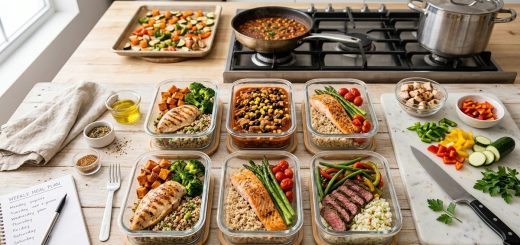
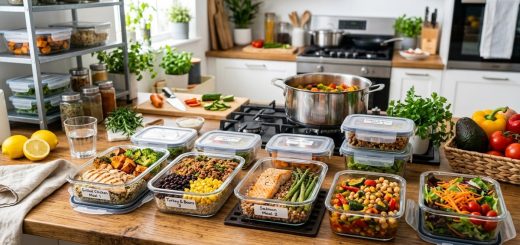
How to Plan a Week of Post-Workout Meals in Under 90 Minutes
You crush your workouts at 6 AM, shower in seven minutes flat, and then face the same problem: what to eat that actually supports your recovery and doesn’t derail your progress. The solution isn’t another last minute protein shake. It’s a repeatable system. A weekly post-workout meal plan that you can assemble in a single Sunday session, under 90 minutes, with zero guesswork. No complicated recipes, no exotic ingredients, and no decision fatigue when you’re already exhausted. Let’s build that system right now.
A weekly post-workout meal plan doesn’t have to be complicated or time consuming. By choosing three core protein sources, two versatile carbohydrate bases, and one reliable vegetable, you can batch cook seven complete recovery meals in under 90 minutes. This approach saves time, reduces stress, and ensures your muscles get the nutrients they need within the critical two hour window after training.
Why Your Post-Workout Window Deserves a Plan
Your body is most receptive to nutrients during the first two hours after exercise. That’s when muscle protein synthesis peaks and glycogen stores are most eager to refill. But if you’re scrambling to find a clean plate or settling for whatever vending machine option appears, you’re leaving progress on the table. A structured weekly post-workout meal plan eliminates that scramble. It guarantees you hit your protein target, replenish carbohydrates strategically, and include micronutrients that reduce inflammation. When you already have a prepped meal waiting in the fridge, there’s no reason to grab something that works against your goals.
The Science That Drives Your Recovery Meals
A great post-workout meal balances three things: protein for repair, carbohydrates for energy restoration, and small amounts of healthy fat for hormone support. The exact ratios depend on your training volume and body weight, but a solid starting point is 30 to 50 grams of protein paired with 40 to 70 grams of carbs. If you are a strength athlete or endurance focused, lean toward the higher carb side. If fat loss is your primary goal, keep carbs moderate and prioritize protein. This science applies whether you are meal prepping chicken thighs, tofu, or a blend of plant proteins.
Your 90 Minute Prep Blueprint
The magic happens when you work in stages. Do not chop everything first or cook each component separately. Use overlapping time. Here is the exact process that turns 90 minutes of active work into seven complete meals.
- Start the grains first. Choose rice, quinoa, or sweet potatoes. While they cook, move to step two.
- Cook your protein. Use a sheet pan, stovetop skillet, or pressure cooker. Chicken breast, ground turkey, or firm tofu each take about the same active cook time.
- Prep your vegetables. While the protein cooks, wash and chop bell peppers, broccoli, spinach, or zucchini. Add them to the protein pan during the last 10 minutes if you want everything in one container, or steam them separately.
- Portion everything. Grab seven containers. Add one scoop of grains, one portion of protein, and a generous handful of vegetables. Drizzle with a simple sauce like lemon tahini or balsamic vinaigrette.
- Label and store. Write the day on each lid. Most meals stay fresh for five days in the fridge. Freeze days six and seven if you want to stretch to a full week.
This system works because you cook in parallel. While the grains simmer, you’re not standing idle. While the protein roasts, you’re chopping veggies. By the time the oven timer goes off, you are ready to assemble.
Your Sample Weekly Post-Workout Meal Plan
Here is a concrete example using ingredients you can find at any grocery store in the United States. Each meal targets roughly 40 grams of protein and 50 grams of carbohydrates. Adjust portions based on your personal macros.
| Day | Protein Source | Carb Source | Vegetable | Sauce / Flavor |
|---|---|---|---|---|
| Monday | Grilled chicken breast | Brown rice | Steamed broccoli | Lemon juice + garlic |
| Tuesday | Ground turkey | Sweet potato cubes | Sautéed spinach | Smoked paprika + olive oil |
| Wednesday | Firm tofu (pressed) | Quinoa | Roasted bell peppers | Soy sauce + ginger |
| Thursday | Canned wild salmon | Brown rice | Zucchini noodles | Dijon vinaigrette |
| Friday | Grilled chicken thigh | Sweet potato cubes | Roasted asparagus | Balsamic glaze |
| Saturday | Ground turkey | Quinoa | Steamed green beans | Tomato basil sauce |
| Sunday | Firm tofu (marinated) | Brown rice | Stir fried bok choy | Peanut sauce |
You might notice that many meals repeat ingredients. That’s intentional. When you only rotate between two grains, two proteins, and four vegetables, your grocery list shrinks and your prep time stays low. Variety comes from different sauces and seasoning blends.
Common Mistakes That Undermine Your Meal Prep
Even with a solid plan, small errors can ruin your results. Here are the most frequent missteps and how to fix them.
| Mistake | Why It Hurts | The Fix |
|---|---|---|
| Cooking everything the same way | Boredom leads to skipping meals or ordering takeout | Use different spice blends and one unique sauce per protein |
| Skipping vegetables entirely | Missing antioxidants that reduce muscle soreness | Add pre chopped frozen vegetables if fresh ones take too long |
| Under seasoning your food | Bland meals make prep feel like a chore | Salt your cooking water, use citrus, and finish with fresh herbs |
| Forgetting to account for reheating | Some leftovers turn mushy or dry in the microwave | Keep sauces separate until serving; slightly undercook vegetables |
| Not adjusting portions for your training | A runner and a lifter need different carb amounts | Weigh your grains once and stick to that portion all week |
These fixes are simple. Implement them one at a time. Your future self, exhausted after leg day, will thank you for a container that actually tastes good.
Expert Advice from the Trenches
“Most people overthink post-workout nutrition. They worry about exact timing to the minute when the real difference comes from consistency. If you have a prepped meal ready within two hours of your workout, you’re already winning. Focus on getting whole food protein and complex carbs. Supplements are optional. Real food is not.”
— Rachel Lin, registered dietitian and sports nutritionist
The research backs her up. A 2026 meta analysis in the Journal of Sports Nutrition confirmed that consuming protein within a two hour window significantly improves muscle recovery, but the overall daily protein intake matters much more than a precise clock. So do not stress if you eat your meal 90 minutes or two hours after training. The prep system ensures you never miss the window entirely.
Your Week of Recovery Starts Now
You do not need a bigger budget, a professional kitchen, or advanced cooking skills. You need a plan that respects your time and supports your effort in the gym. This weekly post-workout meal plan approach works because it removes decisions when you are most vulnerable. You open the fridge, you grab the container, you eat. That is it.
To take it further, pair this meal system with our weekly workout schedule or check out our guide on efficient meal prep strategies for busy fitness enthusiasts. And if you want a full month of meal plans delivered to your inbox each Sunday, join our email list. You will get the exact shopping list, prep timeline, and calorie breakdowns for every meal. No fluff, just fuel.
Your recovery matters. Give it the consistency it deserves.