How to Build a Customizable Meal Prep Template That Adapts to Your Macros
Getting your macros right every single day can feel like a full time job. You calculate, weigh, log, and repeat. But the real challenge isn’t the math: it’s the monotony. Most macro meal plans are rigid. They tell you exactly what to eat each day, and if you burn out by Wednesday, you toss the plan and order takeout. That’s not a system. That’s a recipe for frustration. What you really need is a macro meal prep template that bends with your life, not one that breaks when you skip a meal or swap a protein source. Let’s build that.
A customizable macro meal prep template saves hours each week and prevents diet burnout. By choosing modular protein, carb, and fat sources you can mix and match, you keep your meals fresh while hitting your numbers. Learn the five step process: set your meal targets, pick your ingredient categories, batch cook smart, weigh before assembling, and store with a plan. The result is a reusable system that adapts to any goal.
Why a Generic Meal Plan Falls Short
You have probably downloaded a meal plan before. It looked perfect on paper. Breakfast: eggs and oats. Lunch: chicken and rice. Dinner: salmon and sweet potato. By day four you were sick of chicken, and the oats sat untouched. That plan was written for someone with your macros, but not your life. Your energy levels fluctuate. Your schedule changes. Some weeks you crave more fat, other weeks more carbs. A static meal plan can’t handle that.
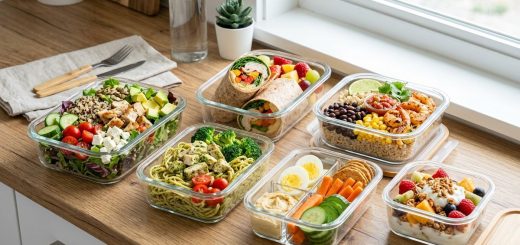
A macro meal prep template flips the script. Instead of locking you into specific recipes, it gives you a framework. You decide the protein, carb, and fat sources each week based on what’s on sale, what you feel like, and what fits your current training phase. The template holds the structure; you fill in the flavor.
The Core of Your Macro Meal Prep Template
Every effective template has four movable parts. Think of them as building blocks you can swap without recalculating everything. Here’s what they are:
- Primary protein: choose two to three lean sources (chicken breast, 93/7 ground turkey, firm tofu, cod, or lean beef).
- Carb base: pick two to three starchy options (brown rice, sweet potato, quinoa, oats, or whole wheat pasta).
- Fat source: choose one or two concentrated fats (avocado, olive oil, nuts, seeds, or full fat Greek yogurt).
- Vegetable volume: non starchy veggies like broccoli, spinach, bell peppers, or zucchini can be used freely with minimal macro impact.
The magic happens when you realize you can mix any protein with any carb and any fat source. Monday’s lunch could be chicken with quinoa and avocado. Tuesday could be ground turkey with sweet potato and olive oil. Different meals, same macros.
Steps to Build Your Reusable Template
Follow this numbered process to create your own template. Write it down in a notebook or spreadsheet; you will reuse it every week.
-
Determine your macro targets per meal. Divide your daily protein, carbs, and fat by the number of meals you eat. If you eat four meals, each one gets roughly 25% of your daily totals. Adjust for snacks if needed.
-
Select three protein sources for the week. Stick to ones you know how to cook well. Rotate them every week to keep taste buds happy.
-
Select three carb sources. At least one should be a resistant starch (like cooled potatoes) if you want better blood sugar control. Oats work great for breakfast meals.
-
Select one or two fat sources. Remember that cooking oils count, so include them in your fat budget. If you dry grill your chicken, you can use a separate fat source like avocado.
-
Add a vegetable list. Write down five to six non starchy veggies. You can use them in any combination because their calorie impact is low.
-
Weigh and portion after cooking. Cooked weights are more consistent than raw for meal prep. Weigh your finished protein, carb, and veggie components separately.
-
Use a “choose your own adventure” approach. Each day, pick one protein, one carb, one fat, and two veggies from your prepped stash. Log them in your tracker. Done.
Common Mistakes That Break Your Template
Even a great system can fail if you ignore small errors. The table below shows the most frequent pitfalls and how to fix them.
| Mistake | Fix |
|---|---|
| Not accounting for cooking oils or sauces | Pre measure oil into a small container and use only that amount. Log it as a separate fat entry. |
| Using the same vegetable every day | Rotate between broccoli, spinach, cauliflower, and asparagus. Texture variety reduces boredom. |
| Forgetting to adjust portions after swapping ingredients | When you swap chicken for tofu, check the protein per gram. Tofu is lower, so you need a larger serving. |
| Prepping more than four days of fresh food | After day four, freshness drops. Freeze portions for days five through seven. |
| Not writing down the template itself | Keep a master list of your prepped components on your phone or fridge. It prevents guesswork at mealtime. |
Expert advice: “The biggest mistake I see is people trying to prep seven identical meals. Your body responds better to variety even when macros are identical. By having two or three different proteins and carbs ready, you give your digestion a break and your taste buds a reward. That’s why a modular template outperforms a fixed plan every time.” – Rachel Martinez, Registered Dietitian and sports nutrition coach.
Sample Macro Meal Prep Template Layout
Here is a blank template you can copy. Fill in your cooked weights each Sunday.
| Component | Monday | Tuesday | Wednesday | Thursday | Friday |
|---|---|---|---|---|---|
| Protein (oz) | Chicken 6 oz | Ground turkey 6 oz | Cod 7 oz | Chicken 6 oz | Tofu 8 oz |
| Carb (g) | Brown rice 200g | Sweet potato 200g | Quinoa 180g | Oats 160g | Brown rice 200g |
| Fat (g) | Avocado 30g | Olive oil 14g | Almonds 28g | Avocado 30g | Olive oil 14g |
| Veggies | Broccoli 150g | Spinach 100g | Zucchini 200g | Bell peppers 150g | Cauliflower 150g |
Each day you just grab the row. If you want to swap Tuesday’s lunch with Thursday’s dinner, go ahead. The numbers stay the same because the weights are already calculated.
Putting It All Together – Your Weekly Workflow
Now that you have the template, make it real. Here is a Sunday workflow that takes about two hours.
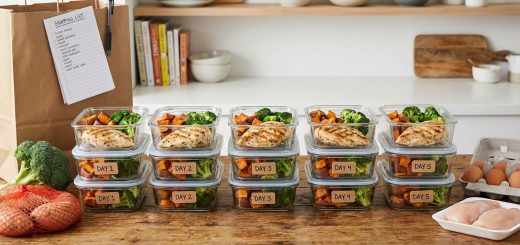
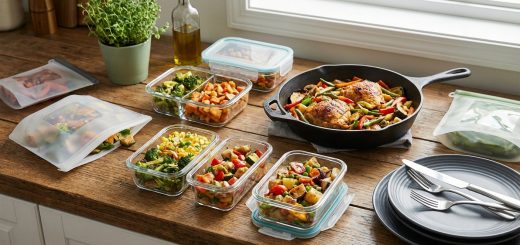
- 60 minutes: batch cook your three proteins. Grill, bake, or air fry. Slice or shred after resting.
- 30 minutes: cook your carb sources. Rice cooker for rice, oven for sweet potatoes, stovetop for quinoa.
- 20 minutes: wash and chop veggies. You can roast them or leave them raw for salads.
- 10 minutes: portion everything into containers using a food scale. Label each container with the component name and weight.
This system pairs perfectly with other strategies from the site. For example, if you want to add breakfast variety, check out how to meal prep 20 high protein breakfasts in under 2 hours. If you need to stretch your budget, the 5 day muscle building meal prep on a budget complete shopping list included will keep costs down. And if you worry about spoilage, read why your meal prep goes bad after 3 days and how to fix it to learn proper storage techniques.
Your Template, Your Success
The biggest shift happens when you stop following other people’s plans and start following your own framework. A macro meal prep template is not a crutch. It is a tool that gives you freedom. Freedom to eat what you want, when you want, while still hitting your protein, carb, and fat goals. That freedom is what keeps you consistent for months, not just weeks.
Grab a notebook or open a new spreadsheet. Write down your current macro targets per meal. Choose three proteins you love. Pick three carbs that digest well for you. Commit to using this template for the next two Sundays. After that, tweak it based on what felt good and what didn’t. The template evolves as you evolve. That’s the whole point.