How to Build a No-Reheat Meal Prep System for the Gym Bag in 2026
You finish your last set, grab your gym bag, and head to the locker room. Your muscles are pumped, your energy is drained, and your stomach is growling. You unzip your bag and pull out a container of cold grilled chicken with roasted sweet potatoes and a side of crunchy cucumber salad. No microwave needed. No sad, soggy leftovers. Just a fresh, satisfying meal that tastes exactly like it did when you packed it. This is the reality of a well-built no-reheat meal prep system, and in 2026, it is the smartest way to fuel your fitness lifestyle without relying on a break room microwave or spending money on overpriced protein shakes.
A no-reheat meal prep system for your gym bag is built on three pillars: choosing ingredients that taste great cold or at room temperature, using proper food safety techniques to keep meals fresh for up to four days, and packing in portable containers that fit your training schedule. Focus on sturdy proteins like grilled chicken or canned fish, acid-based dressings that preserve vegetables, and carb sources like quinoa or sweet potatoes that hold their texture. This method saves time, reduces food waste, and ensures you never skip a post-workout meal again.
Why Your Gym Bag Needs a No-Reheat System
Relying on a microwave after a workout is a gamble. You might not have access to one at your gym. The office microwave might be broken or have a long line. Or maybe you train outdoors at a park or during a lunch break and have no kitchen in sight. A no-reheat meal prep system removes that uncertainty.
Cold meals also preserve the texture of your food. Reheating often turns crisp vegetables into limp sadness and dries out lean proteins. When you build meals specifically for room temperature or cold eating, you keep the crunch, the moisture, and the flavor intact. Plus, you save the three to five minutes it takes to find a microwave, wait your turn, and heat everything evenly. Those minutes add up over a week.
The Core Principles of No-Reheat Meal Prep
Before we get into specific recipes and packing strategies, you need to understand the rules that make this system work. These are not complicated, but skipping them leads to sad, unappetizing meals.
- Choose sturdy vegetables. Leafy greens like spinach and arugula wilt fast when dressed too early. Instead, use cucumbers, bell peppers, cherry tomatoes, shredded cabbage, or snap peas. These stay crunchy for days.
- Use acid-based dressings. A simple vinaigrette with vinegar or citrus juice does more than add flavor. It acts as a natural preservative, keeping vegetables fresh and preventing browning. Think lemon juice, red wine vinegar, or apple cider vinegar.
- Pick proteins that improve cold. Grilled chicken breast can get dry, but chicken thighs, canned tuna, hard-boiled eggs, chickpeas, and tofu all hold up beautifully. Cold salmon or shrimp with a light marinade tastes fresh, not fishy.
- Separate wet and dry components. Keep dressings, sauces, and juicy ingredients in small containers or use a barrier like a lettuce leaf. You want to combine them only when you are ready to eat.
- Limit dairy that spoils quickly. Greek yogurt and cottage cheese are fine for two to three days if kept cold with an ice pack. Soft cheeses like fresh mozzarella are better eaten on day one or two.
Building Your No-Reheat Meal Prep in 5 Steps
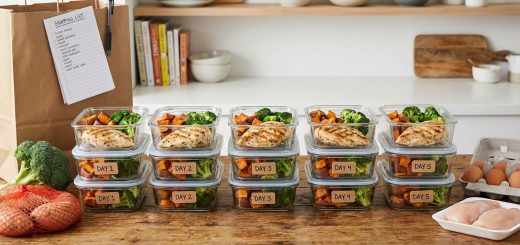
Let me walk you through the exact process I use every Sunday to prep five days of gym bag meals. This takes about 90 minutes and covers lunches for Monday through Friday.
-
Cook your proteins in bulk. Grill or bake 2 to 3 pounds of chicken thighs, salmon fillets, or turkey breast. Let them cool completely before storing. For plant-based options, cook a batch of lentils or marinate firm tofu in a soy-ginger dressing. Cool proteins prevent condensation inside your containers.
-
Prep your sturdy vegetables. Wash and chop cucumbers, bell peppers, and cherry tomatoes. Store them in a separate container lined with a paper towel to absorb excess moisture. Do not add dressing yet.
-
Make a batch of acid-based dressing. Whisk together olive oil, lemon juice, Dijon mustard, salt, and pepper. Or try a simple tahini-lemon sauce. Keep this in a small jar or silicone sauce container that fits inside your lunch bag.
-
Cook your carb base. Quinoa, farro, cold rice noodles, or roasted sweet potato cubes all work well. Sweet potatoes are especially forgiving because they stay firm and slightly sweet even when cold. Let them cool to room temperature before packing.
-
Assemble your containers with a barrier. Place the carb base at the bottom. Add the protein next. Layer the vegetables on top with a lettuce leaf or parchment paper between them and the dressing container. Keep the dressing separate until you are ready to eat.
The Best Foods for Your Gym Bag Meal Prep
Not all foods are created equal when it comes to surviving in a gym bag for four to five hours. Some ingredients shine, while others turn into a mushy mess. Here is a breakdown of what works and what to avoid.
| Ingredient Category | Best Options | Avoid These |
|---|---|---|
| Protein | Grilled chicken thighs, canned wild salmon, hard-boiled eggs, chickpeas, firm tofu, turkey meatballs | Ground beef (greasy when cold), breaded fish, soft tofu |
| Vegetables | Cucumbers, bell peppers, cherry tomatoes, shredded cabbage, snap peas, jicama | Leafy greens with dressing, sliced avocado (browns fast), raw mushrooms |
| Carbs | Quinoa, farro, cold soba noodles, roasted sweet potatoes, brown rice | Mashed potatoes, pasta with heavy sauce, rice that clumps |
| Dressings | Vinaigrettes with vinegar or citrus, tahini-lemon, Greek yogurt dill sauce | Creamy ranch, mayonnaise-based dressings, anything with raw garlic |
| Extras | Pickled vegetables, olives, roasted chickpeas, seeds, nuts | Fresh herbs (wilt), sliced apples (brown), berries (get mushy) |
Common Mistakes That Ruin Your No-Reheat Meals
Even experienced meal preppers make errors that turn their cold lunches into a disappointment. Here are the most frequent ones and how to fix them.
- Packing food while it is still warm. This creates condensation inside the container, which leads to soggy vegetables and a breeding ground for bacteria. Always cool cooked ingredients to room temperature before sealing.
- Using too much dressing. A heavy hand with dressing makes everything swim in liquid by lunchtime. Use a small separate container and add just one to two tablespoons when you eat.
- Forgetting an ice pack. Even though the meal does not need reheating, it still needs to stay below 40 degrees Fahrenheit if it contains perishable items like chicken or eggs. A reusable ice pack keeps everything safe for at least four hours.
- Choosing the wrong container. Glass jars are heavy and breakable. Flimsy plastic containers leak. Use BPA-free plastic or silicone containers with snap-lock lids that are leakproof. A bento box style with separate compartments is ideal.
- Overcomplicating the recipe. You do not need a five-ingredient dressing or a complex grain bowl. Keep it simple. Grilled protein, one vegetable, one carb, one dressing. That is enough.
Expert advice from a registered dietitian who works with athletes: “The number one reason people abandon meal prep is because they get bored. Rotate your protein sources weekly and change your acid base. One week use lemon and dill, the next week use lime and cilantro, the week after use orange juice and ginger. Small shifts keep your palate engaged without adding extra work.”
Sample No-Reheat Gym Bag Meal Plan
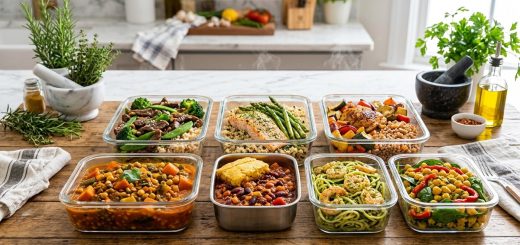
To make this practical, here is a full week of meals that follow the no-reheat system. Each meal is designed to be packed the night before or on Sunday and eaten straight from the container.
- Monday: Grilled lemon chicken thighs with quinoa, cucumber ribbons, and a red wine vinaigrette.
- Tuesday: Canned wild salmon mixed with chickpeas, farro, cherry tomatoes, and a lemon-dill dressing.
- Wednesday: Hard-boiled eggs with roasted sweet potato cubes, shredded cabbage, and a tahini-lemon sauce.
- Thursday: Turkey meatballs with cold soba noodles, snap peas, and a ginger-soy vinaigrette.
- Friday: Firm tofu marinated in sesame oil and soy sauce with brown rice, bell pepper strips, and a lime-cilantro dressing.
Each meal provides around 35 to 45 grams of protein, 40 to 50 grams of carbs, and 15 to 20 grams of fat, depending on portion sizes. Adjust based on your own macro targets using a guide like how to calculate your macros for fat loss and muscle gain.
Gear That Makes This System Effortless
You do not need expensive equipment, but a few key items make the difference between a system that works and one that frustrates you.
- Leakproof bento containers. Look for containers with a snap-lock lid and a separate compartment for dressing. Stainless steel options keep food cooler longer.
- Reusable silicone sauce cups. These small containers hold exactly one to two tablespoons of dressing and fit inside any lunch bag.
- Insulated lunch bag with a thick lining. A bag that is too thin lets heat in and spoils your food faster. Invest in one with at least two layers of insulation.
- Ice packs that stay cold for six hours. Gel packs are better than hard plastic ones because they mold around your container and provide even cooling.
- A small fork and napkin. You will forget these at least once. Keep a spare set in your gym bag at all times.
For a deeper look at storage solutions, read our guide on the best containers for meal prep that keep food fresh for 7 days.
How to Keep Your Meals Safe Without a Fridge
Food safety is nonnegotiable, especially when you are carrying perishable items in a gym bag that might sit in a warm locker room. Follow these rules to stay safe.
- Use a thermometer to check your ice pack temperature. It should be frozen solid before you pack.
- Keep your gym bag out of direct sunlight and away from heaters. A car trunk in summer is a danger zone.
- Do not pack more than four days of perishable meals at once. Cook on Sunday and eat through Thursday. Cook again on Wednesday for Friday and the weekend.
- If you are unsure whether a meal is still good, trust your nose. Sour smell, slimy texture, or discoloration means toss it.
- For longer storage, freeze individual portions. Thaw them in the fridge overnight and pack them with an ice pack in the morning. Freezing works especially well for grain bowls and cooked proteins.
Putting It All Together: Your Sunday Prep Workflow
Here is the exact timeline I follow every Sunday. It takes about 90 minutes from start to finish.
- 0 to 30 minutes: Cook your proteins. Grill chicken thighs, bake salmon, or boil eggs. While they cook, wash and chop your vegetables.
- 30 to 45 minutes: Cook your carb base. Quinoa takes 15 minutes. Sweet potatoes can go in the oven while the protein finishes.
- 45 to 60 minutes: Let everything cool on the counter. Do not rush this step. Warm food creates condensation.
- 60 to 75 minutes: Make your dressing and portion it into silicone cups.
- 75 to 90 minutes: Assemble your containers. Carb on the bottom, protein in the middle, vegetables on top with a barrier. Add the dressing cup and seal the lid.
This workflow pairs well with other prep strategies. If you want to expand your Sunday routine, check out our Sunday meal prep blueprint: 3 hours to a week of clean eating success.
Your New Gym Bag Habit Starts This Week
You do not need to overhaul your entire diet overnight. Start with two days of no-reheat meals this week. Pack them tonight, grab them tomorrow morning, and see how it feels to eat a fresh, cold meal after your workout. No microwave. No hassle. Just good food that supports your training.
Once you experience the convenience of opening your gym bag and finding a meal that is ready to eat, you will wonder why you ever relied on reheating in the first place. The system is simple. The payoff is huge. And your gains will thank you.