7 High Protein Soups That Make the Perfect Comfort Food for Muscle Recovery
When you finish a hard workout, your muscles are crying for nutrients. Protein helps repair the tiny tears that happen during strength training. But nobody wants a cold shake after a tough leg day. That is where high protein soups for muscle recovery come in. They combine the warmth of comfort food with the macro profile your body needs to rebuild lean mass. Think of a steaming bowl packed with shredded chicken, turkey, or lentils alongside vegetables and broth. It is like a hug for your sore quads.
High protein soups are a practical, delicious way to speed up muscle recovery after training. By choosing lean meats, legumes, and bone broth, you hit 25-40 grams of protein per bowl. Add vegetables for micronutrients and fiber. Batch cooking on Sunday gives you ready-to-heat meals all week. This guide shows you how to build the perfect recovery soup without overcomplicating your kitchen routine.
Why Soup Beats Shakes for Post-Workout Recovery
A cold shake can be convenient, but it does not always satisfy the craving for something warm and savory. Soup offers hydration, which is critical after sweating during a workout. The liquid helps transport amino acids to your muscle tissues faster. Plus, a well-built soup contains carbohydrates from vegetables or whole grains, which replenish glycogen stores. The combination of protein and carbs in a single bowl makes it a complete recovery meal.
Another advantage is digestion. Warm liquids can be easier on your stomach after intense exercise. If you are someone who gets queasy after a heavy shake, a broth-based soup may settle better. And because you can load it with vegetables, you also get anti-inflammatory compounds that help reduce muscle soreness.
Key Ingredients for a Muscle-Building Soup
Not all soups are created equal. To turn a simple soup into a recovery powerhouse, focus on these components:
- Lean protein sources: chicken breast, ground turkey, lean beef, firm tofu, edamame, or lentils.
- Broth base: bone broth adds collagen and extra protein. Chicken or vegetable broth works too.
- Carbohydrates for glycogen: sweet potatoes, brown rice, quinoa, barley, or beans.
- Vegetables for micronutrients: spinach, kale, carrots, celery, bell peppers, tomatoes.
- Healthy fats: a drizzle of olive oil, avocado chunks, or coconut milk for satiety.
- Herbs and spices: turmeric, ginger, garlic, and black pepper help reduce inflammation.
Each ingredient plays a role. For example, bone broth provides glycine and proline, which support connective tissue repair. Quinoa offers complete plant protein and complex carbs. Spinach supplies iron, which helps deliver oxygen to recovering muscles.
How to Build the Perfect Recovery Soup in 5 Steps
Building a high protein soup for muscle recovery is simple if you follow a structure. Here is a numbered list of the process:
- Choose your protein base (15-30 grams per serving). Examples: 6 ounces cooked chicken breast, 1 cup cooked lentils, 4 ounces lean ground turkey.
- Select your broth (low sodium preferred). Bone broth adds extra protein (about 10 grams per cup).
- Add vegetables (2-3 cups per pot). Go for color: dark leafy greens, orange root vegetables, red bell peppers.
- Include a carbohydrate source (1/2 cup cooked per serving). Sweet potato chunks, wild rice, or chickpeas.
- Season and simmer (20-30 minutes). Use turmeric, ginger, garlic, and a squeeze of lemon.
That is it. You can customize based on what you have in the fridge. For a creamy texture without dairy, blend a portion of the soup with an immersion blender.
Common Mistakes That Ruin a Recovery Soup
Even a well-intentioned soup can fall short if you make these errors. Here is a table that outlines techniques versus mistakes:
| Technique (Do This) | Mistake (Avoid This) |
|---|---|
| Use bone broth or high-protein stock | Use only water or low-protein broth |
| Add protein early in cooking to infuse flavor | Add protein at the end, resulting in bland meat |
| Include fibrous and starchy vegetables | Only add starchy vegetables with little fiber |
| Simmer gently to preserve nutrients | Boil aggressively, breaking down proteins |
| Season with anti-inflammatory spices | Rely only on salt for flavor |
| Let soup rest for flavors to meld | Serve immediately without resting |
| Cool and store in portioned containers | Store in one large pot, reheating repeatedly |
As you can see, small differences matter. For example, boiling can cause some amino acids to leach out into the water, reducing the protein density of the solids. Gentle simmering keeps everything intact.
Batch Cooking Your Recovery Soups for the Week
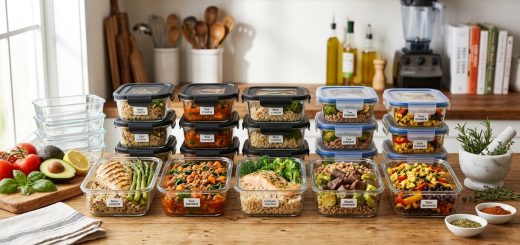
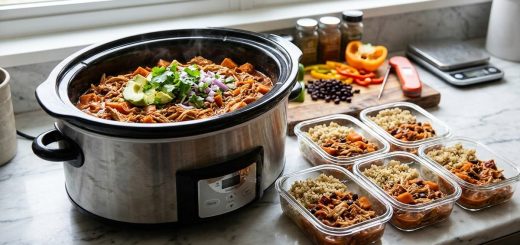
Soups are ideal for meal prep because they freeze well and reheat easily. Spend one hour on Sunday making a large pot, then portion it into containers for the whole week. You can use this approach to support your But for lunches and dinners, soup offers variety. Here is a bullet list of tips for batch prepping:
- Use a heavy pot or Dutch oven to make 6-8 servings at once.
- Cool the soup completely before sealing containers to avoid bacterial growth.
- Leave a little headspace in containers if freezing; liquid expands.
- Label each container with the date and protein count.
- Store in the fridge for up to 4 days, or freezer for 3 months.
A classic chicken and vegetable soup with bone broth can deliver around 35 grams of protein per 2-cup serving. Pair it with a slice of whole-grain bread for a complete meal.
How to Calculate Protein in Your Soup
If you track macros, you need to know exactly how much protein each bowl provides. Here is a simple method:
Weigh your protein ingredient before cooking. For example, 8 ounces of raw chicken breast contains about 48 grams of protein. If you make a soup with 8 servings, that is 6 grams of protein per serving from chicken alone. Add bone broth (10 grams per cup) and lentils (18 grams per cup), and you hit 25-30 grams per bowl easily.
That blockquote above is a real example. Use a food scale and a tracking app to stay accurate. For more detailed guidance on macro calculation, check out our
The Best Protein Sources for Different Diet Types
Not everyone eats chicken or beef. Here are options that work for various eating styles:
- Omnivore: shredded turkey, lean ground beef, whole eggs (poached in soup), shrimp.
- Vegetarian: lentils, chickpeas, firm tofu, edamame, Greek yogurt (stirred in at the end).
- Vegan: red lentils, split peas, tempeh, nutritional yeast, plant-based protein powder (unflavored).
- Pescatarian: salmon chunks, cod, clams, mussels.
Each of these can be incorporated into a soup base. For a vegan option, try a red lentil and sweet potato curry soup with coconut milk. It provides about 20 grams of protein per bowl when paired with rice.
Reheating and Storing Without Losing Protein
Reheating soup is easy, but you want to preserve the protein quality. Do not microwave on high for 5 minutes. Instead, reheat slowly on the stove or in the microwave at 50% power. Adding a splash of broth or water prevents drying out. If you freeze soup, thaw it in the refrigerator overnight. For a full guide on freezer meal prep, read our
Turn Your Soup Into a Complete Post-Workout Meal
Sometimes a soup alone may not have enough carbs for a heavy leg session. You can boost the carb content by adding a side of roasted sweet potatoes, a piece of fruit, or a whole-grain roll. For a higher fat approach, stir in a tablespoon of almond butter or avocado. The goal is to hit your target macronutrient split. If you need help planning, our https://thefitcook.net/5-day-muscle-building-meal-prep-on-a-budget-complete-shopping-list-included/ includes soup ideas that fit a budget.
Why Variety Matters for Long-Term Recovery
Eating the same soup every day can get boring, and it may also limit your nutrient variety. Rotate between chicken noodle, lentil vegetable, beef and barley, and coconut curry soup. Each provides different amino acid profiles and micronutrients. This variety also helps prevent food fatigue, making it easier to stick to your nutrition plan.
Recovery Soup You Can Make Tonight
Here is a simple recipe template you can use right now:
- 1 tablespoon olive oil
- 1 onion, diced
- 2 cloves garlic, minced
- 1 tablespoon fresh ginger, grated
- 1 teaspoon turmeric
- 4 cups low-sodium chicken or bone broth
- 2 cups cooked shredded chicken (about 12 ounces)
- 1 cup diced sweet potato
- 1 cup chopped spinach
- Salt and pepper to taste
Sauté onion, garlic, ginger for 3 minutes. Add turmeric, broth, sweet potato. Simmer 15 minutes. Stir in chicken and spinach, cook 2 more minutes. Serve hot. That bowl gives you about 30 grams of protein.
For a plant-based version, replace chicken with 1 cup cooked lentils and use vegetable broth.
Take Your Soup Game to the Next Level
Now you have the blueprint for high protein soups for muscle recovery. They are warm, satisfying, and scientifically backed to help your muscles rebuild. Start with one recipe this week. Make a double batch on Sunday. Portion it into containers and grab one after every workout. Your body will thank you, and your taste buds will too.
If you want to dig deeper into post-workout nutrition, our https://thefitcook.net/the-ultimate-guide-to-post-workout-nutrition-what-to-eat-and-when/ covers everything from timing to supplements. But for now, get that pot simmering and let the recovery begin.