Protein Timing Secrets: When to Eat for Maximum Muscle Recovery
Getting your protein timing right can transform your muscle recovery process. It’s not just about eating enough protein but knowing exactly when to consume it for maximum benefit. If you’re serious about building muscle, improving performance, or simply feeling better after workouts, understanding the best times to eat protein is essential. This article breaks down practical tips backed by science, so you can fine-tune your nutrition routine and see real results.
Timing your protein intake around workouts enhances muscle repair and growth. Consuming protein within specific windows post-exercise, along with balanced daily distribution, maximizes recovery. Focus on quality sources and consistent habits for best results.
The importance of timing your protein intake for muscle recovery
Protein is the building block for muscle tissue. When you work out, especially resistance training, tiny tears form in your muscles. Your body repairs these tears using protein. But the timing of that protein intake can accelerate or slow down your recovery process. Consuming protein at strategic times can promote faster muscle synthesis, reduce soreness, and improve performance over time.
Research shows that muscles are most receptive to protein right after training. This window, often called the “anabolic window,” is a critical period to supply your muscles with nutrients. Besides post-workout intake, evenly spreading protein throughout the day sustains a steady muscle-building environment.
How to optimize your protein timing steps
To make the most of your efforts, follow these steps:
-
Consume protein soon after your workout
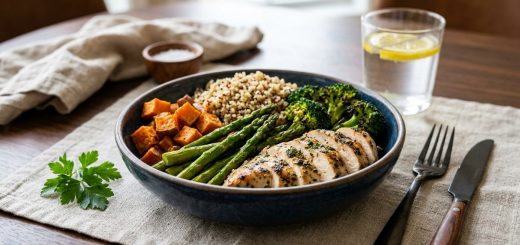
Aim to eat a high-quality protein source within 30 to 60 minutes after training. This rapid intake helps kickstart muscle repair and recovery processes. For example, a protein shake or a meal with lean chicken or fish works well. -
Distribute protein evenly across meals
Instead of loading most of your protein into one meal, spread it out. Aim for approximately 20 to 30 grams of protein per meal. This consistent supply supports muscle synthesis throughout the day. -
Prioritize high-quality proteins
Choose sources rich in essential amino acids like eggs, dairy, lean meats, or plant-based options such as soy and quinoa. These help maximize muscle repair and growth.
Practical process for optimal protein timing
- Step 1: Plan a post-workout snack or meal that includes a fast-digesting protein.
- Step 2: Ensure your subsequent meals include sufficient protein to meet daily goals.
- Step 3: Maintain hydration and rest, as they play vital roles in recovery.
Common mistakes that undermine protein timing efforts
| Technique or habit | Mistake | Impact |
|---|---|---|
| Skipping post-workout protein | Not eating soon after exercise | Delays muscle repair, increases soreness |
| Uneven protein distribution | Large gaps without protein intake | Reduces overall muscle synthesis efficiency |
| Relying only on carbs | Ignoring protein post-workout | Misses key amino acids needed for repair |
| Choosing low-quality proteins | Using processed or incomplete sources | Limits muscle rebuilding potential |
“Getting your protein timing right is about consistency and quality. A well-timed, high-protein meal after your workout can significantly improve your muscle recovery,” advises registered dietitian Sarah Miller.
The science behind the timing window
While some debate whether the “anabolic window” is as narrow as once thought, current evidence suggests that consuming protein within the first hour after training provides notable benefits. It’s not about obsessing over exact minutes but establishing a habit of timely intake.
Additionally, spreading your protein intake evenly across your meals supports a constant supply of amino acids. That steady stream ensures your muscles stay in a growth-friendly state, especially when combined with resistance training.
Building your daily protein schedule
Here’s a sample outline to help you plan your protein intake:
- Pre-workout: Include a small amount of protein (10-15 grams) to fuel your session.
- Post-workout: Consume 20-30 grams of fast-digesting protein within an hour.
- Meal distribution: Have balanced meals every 3-4 hours with adequate protein sources.
- Pre-sleep: Opt for slow-digesting proteins like casein to support overnight recovery.
Quick tips for staying on track
- Prepare protein-rich snacks in advance.
- Use a shaker bottle for a portable post-workout shake.
- Incorporate a variety of sources to keep meals interesting.
- Keep a food journal to track your intake and timing.
Common pitfalls to avoid
| Mistake | How to fix it |
|---|---|
| Underestimating protein needs | Calculate your daily requirement based on body weight and activity level. |
| Over-relying on supplements | Use whole foods as your main source; supplements are convenience tools. |
| Ignoring meal timing | Set reminders to eat at regular intervals, especially post-workout. |
| Not adjusting for recovery days | Even on rest days, maintain adequate protein intake to support muscle maintenance. |
Final thoughts on optimal protein timing
Getting your protein intake aligned with your training schedule can give your muscles the boost they need to recover and grow. Remember, consistency beats perfection. Focus on establishing a routine of eating quality proteins within the key windows and spreading your intake evenly across the day.
By integrating these simple habits, you will notice improvements in how your body responds to workouts. Keep your meals colorful, your proteins high-quality, and your timing intentional. Your muscles will thank you.
Putting it all together for muscle recovery success
The secret to maximizing muscle recovery lies in understanding the importance of protein timing. It’s about more than just hitting your daily protein target. It’s about strategic intake that supports your training and recovery goals. Whether you prefer a protein shake after lifting or balanced meals throughout the day, consistency and quality are your best allies.
Start small by planning your post-workout meal or snack. From there, build a routine that includes evenly spaced protein sources at each meal. Over time, these habits become second nature, helping you reach your fitness goals faster and more effectively.
Remember, the journey to optimal muscle recovery is ongoing. Adjust as needed, stay committed, and enjoy the process of becoming stronger and healthier.