Master the Art of Macro-Friendly Dinner Planning for Busy Nights
Getting dinner on the table when life is hectic can feel like a challenge. But with a smart approach to macro-friendly dinner planning, you can stay on track without spending hours in the kitchen. It’s all about balancing your macros, choosing efficient techniques, and preparing meals that nourish your body and fit your schedule. Whether you’re juggling work, family, or fitness goals, mastering this art makes your evenings easier and your nutrition consistent.
Effective macro-friendly dinner planning involves choosing simple recipes, prepping ahead, and balancing your macros. It ensures you meet your nutrition goals even during busy weeknights without sacrificing flavor or variety.
Simplifying macro-friendly dinner planning for busy schedules
Planning dinners that support your macro targets can seem complicated at first. The secret lies in strategic preparation and using proven techniques to streamline the process. When you develop a system that fits your lifestyle, you reduce stress and avoid last-minute takeout or unhealthy choices. Here are some essential steps to bring clarity and efficiency to your dinner routine.
1. Define your nutrition goals and macro targets
Before diving into meal ideas, understand your daily macro needs. Are you focusing on higher protein intake, moderate carbs, or balanced fats? Use a macro calculator to determine your ideal ratios based on your weight, activity level, and goals. Once you know these targets, you can choose ingredients and recipes that align perfectly, making your dinner planning more precise and effective.
2. Build a versatile meal base
Create a few go-to meal bases that can be customized with different proteins, vegetables, and seasonings. Think of a grilled chicken breast with roasted vegetables, a turkey meatloaf, or a tofu stir-fry. These bases serve as templates that you can prepare in advance or assemble quickly, saving valuable time during busy nights. For example, cooked grains like quinoa or brown rice can be stored in the fridge and paired with various proteins and veggies.
3. Use batch cooking and meal prep techniques
Batch cooking is a game-changer. Dedicate some time during the weekend or on a free evening to prepare large quantities of proteins, grains, and roasted vegetables. Store them in airtight containers. When dinner time rolls around, simply assemble your meals by combining these components. This method ensures you hit your macros without the stress of cooking from scratch every night.
4. Plan meals around your schedule and preferences
Adjust your meal plan to match your week’s schedule. If certain nights are busier, opt for one-pan meals or recipes that reheate well. Keep a list of your favorite macro-friendly recipes and rotate them to prevent boredom. Building a flexible plan keeps you motivated and ensures you always have nutritious options ready.
Practical steps to master macro-friendly dinner planning
To implement these strategies effectively, follow this simple process:
- Calculate your macros and set weekly goals.
- Choose 3-5 versatile recipes that meet your macro needs.
- Prepare ingredients in advance by batch cooking proteins and grains.
- Assemble dinners quickly by combining prepped ingredients.
- Track your intake to ensure you stay aligned with your targets.
Essential techniques and common pitfalls
| Technique | Mistake | Explanation |
|---|---|---|
| Batch cooking | Overcooking or undercooking proteins | Follow recommended cooking times; overcooked meat loses texture, undercooked can be unsafe. |
| Meal prepping | Not storing meals properly | Use airtight containers; label dates to prevent spoilage. |
| Using simple recipes | Relying on overly complex dishes | Keep recipes straightforward to save time and reduce stress. |
| Balancing macros | Ignoring portion sizes | Use measuring tools or scales to ensure accurate macro intake. |
| Variety in meals | Repeating the same meals | Rotate recipes to avoid boredom and ensure a range of nutrients. |
“The key to successful macro-friendly dinner planning is consistency. Focus on simple, balanced meals that you can prepare ahead of time and customize — that’s how sustainable progress happens.” — Nutrition expert Jane Doe
Healthy cooking techniques to maximize nutrition
Using healthy cooking methods preserves nutrients and enhances flavor. Here are techniques to incorporate into your dinner prep:
- Grilling or broiling: Adds flavor without extra fat.
- Steaming: Retains vitamins and minerals.
- Baking or roasting: Easy and hands-off, perfect for batch cooking.
- Stir-frying: Quick and preserves textures and nutrients.
- Using minimal oil: Opt for sprays or non-stick pans to control fat intake.
Common mistakes include overusing oils, overcooking vegetables, or relying heavily on processed ingredients. For best results, choose fresh ingredients and cook them gently to preserve macro values.
Simple macro-friendly dinner recipes for busy nights
Here are some meal ideas that fit seamlessly into your schedule:
- Grilled chicken with roasted sweet potatoes and broccoli
Prepare the chicken and sweet potatoes in advance. When ready, reheat and serve with steamed broccoli. - Turkey lettuce wraps with hummus and vegetables
Use ground turkey cooked in bulk. Assemble wraps with fresh lettuce and veggies. - Tofu stir-fry with mixed vegetables and brown rice
Batch cook tofu and rice, then stir-fry with your favorite veggies for a quick meal. - Salmon with quinoa and asparagus
Bake salmon in the oven, and combine with pre-cooked quinoa and roasted asparagus. - Egg scramble with spinach, mushrooms, and lean sausage
Make a large batch and reheat portions for a protein-rich dinner.
Tips for maintaining macro balance
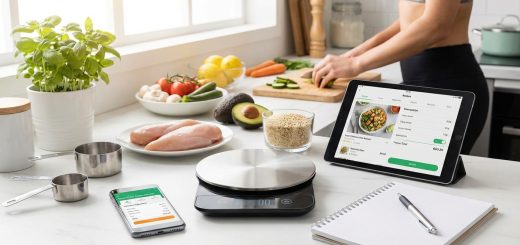
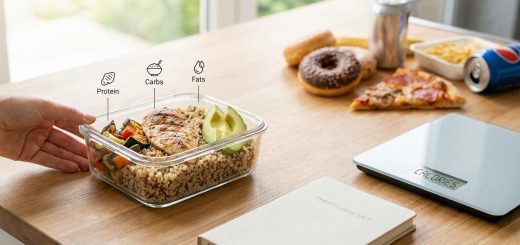
- Use measuring cups or a food scale to portion servings accurately.
- Incorporate a variety of proteins across the week.
- Include fibrous vegetables to boost satiety.
- Use healthy fats like avocado, nuts, or olive oil in moderation.
- Keep processed foods to a minimum for better macro control.
Final thoughts on mastering macro dinner planning
Balancing your macros during busy nights is entirely achievable with a bit of planning, preparation, and flexibility. Focus on building a repertoire of simple recipes, prep ingredients ahead, and stay consistent with your tracking. Over time, this approach becomes second nature, making nutrition a seamless part of your life. Remember, the goal is progress, not perfection. Small, steady steps lead to lasting results.
Embrace the process, experiment with flavors, and enjoy nourishing your body even on the busiest days. With these strategies, you’ll find dinner planning less of a chore and more of a rewarding routine that keeps you aligned with your health aspirations.