Are You Making These 7 Common Macro Counting Mistakes?
You’ve been diligently tracking every meal in your app, hitting the gym consistently, and staying committed to your fitness goals. But the scale isn’t budging, your body composition seems stuck, and you’re starting to wonder if macro counting even works. I’ve been there, and I’ve coached hundreds of clients through this exact frustration. The truth? Macro counting absolutely works, but only when you’re doing it correctly.
After years of tracking my own macros and helping others dial in their nutrition, I’ve noticed the same patterns emerging over and over. Most people aren’t failing because they lack discipline or commitment. They’re making small but significant errors that compound over time, creating a gap between what they think they’re eating and what they’re actually consuming. The good news? Once you identify and fix these macro counting mistakes, progress comes quickly. Let me walk you through the seven most common errors I see and, more importantly, how to correct them so you can finally see the results your hard work deserves.
The 7 Macro Counting Mistakes Holding You Back
Prep Time: 5 minutes | Total Time: 10 minutes (to implement these fixes) | Impact: Immediate improvement in tracking accuracy
The Mistakes (And How to Fix Them)
1. Eyeballing Portions Instead of Weighing Food
This is the number one culprit behind stalled progress. When you estimate that you’re eating “about 4 ounces” of chicken or “roughly 1/2 cup” of rice, you’re likely off by 20-50%. Studies show that even trained dietitians underestimate portion sizes by an average of 200-300 calories per day.
The fix: Invest in a digital food scale (they cost around $15-20) and weigh everything for at least 30 days. Weigh proteins raw before cooking, measure nut butters with a scale (2 tablespoons of peanut butter can easily become 3-4 when eyeballed), and weigh your carb sources. After a month of consistent weighing, you’ll develop a much more accurate internal gauge, but during fat loss phases, the scale remains your best friend.
2. Using Generic Database Entries in Your Tracking App
When you search “chicken breast” in MyFitnessPal or similar apps, you’ll find dozens of entries with wildly different macro counts. Choosing the wrong one can throw off your entire day’s tracking by 10-20 grams of protein or more.
The fix: Always verify entries against the USDA database or scan actual product barcodes. Create your own “frequent foods” list with verified entries for items you eat regularly. For whole foods like chicken, eggs, or sweet potatoes, use USDA entries. For packaged foods, scan the barcode and double-check that the macros match the label exactly before saving.
3. Forgetting About “BLTs” (Bites, Licks, and Tastes)
That bite of your partner’s dessert, the handful of your kid’s crackers, the spoonful of sauce you taste while cooking, those few almonds you grabbed walking past the pantry – none of it gets tracked, but all of it adds up. Research suggests these mindless calories can total 300-500 per day.
The fix: Track absolutely everything for two weeks to get honest data. Yes, even that single piece of chocolate or those three grapes. Use the “quick add” feature in your app for small items rather than skipping them entirely. Better yet, adopt a “plate-only” rule where you only eat food that’s been portioned onto a plate or into a bowl, making tracking automatic. This habit alone has helped many of my clients break through plateaus.
4. Tracking Raw Weight But Eating Cooked Food (Or Vice Versa)
Chicken loses about 25% of its weight when cooked. Rice nearly triples in weight when prepared. If you’re tracking 6 ounces of raw chicken but weighing it cooked, you’re undercounting by about 75 calories and 18 grams of protein.
The fix: Choose one method and stick with it consistently. I recommend tracking raw weights for proteins and dry weights for grains, then batch prep your meals so you can divide the total macros by the number of portions. If you must track cooked weights, make sure you’re selecting “cooked” entries in your database. For meal prep efficiency, cook large batches, weigh the total, calculate total macros, then divide into equal portions.
5. Not Accounting for Cooking Oils, Condiments, and Sauces
One tablespoon of olive oil contains 14 grams of fat and 120 calories. That “splash” of oil in your pan? Probably 2-3 tablespoons if you’re not measuring. Ketchup, BBQ sauce, salad dressings, and mayo all contain calories and macros that count.
The fix: Measure all oils with measuring spoons or, better yet, use a spray oil and count 1-second sprays as approximately 5 calories each. Track every sauce and condiment, even if it seems insignificant. Many of my clients discover they’re consuming an extra 200-400 calories daily just from unmeasured fats and sauces. Switch to low-calorie alternatives when possible or factor these items into your daily targets from the start.
6. Setting Unrealistic or Outdated Macro Targets
You calculated your macros six months ago when you weighed 15 pounds more, but you’re still eating the same amounts. Or you’ve set protein so high and carbs so low that you can barely function in your workouts. Your macro needs change as your body composition, activity level, and goals evolve.
The fix: Recalculate your macros every 10-15 pounds of weight loss or every 8-12 weeks, whichever comes first. If you’re struggling with energy, irritability, or poor workout performance, your targets may be too aggressive. For most people, I recommend starting with 0.8-1.0 grams of protein per pound of body weight, 0.3-0.5 grams of fat per pound, and filling the remaining calories with carbohydrates. Learn more about calculating your macros properly to ensure your targets align with your current stats and goals.
7. Tracking Perfectly on Weekdays But Going Rogue on Weekends
You hit your macros Monday through Friday, then completely abandon tracking on Saturday and Sunday. Unfortunately, fat loss requires a weekly caloric deficit, and two days of untracked eating can easily erase five days of careful adherence. A 500-calorie daily deficit during the week (3,500 calories total) disappears quickly with just one large restaurant meal and a few drinks on the weekend.
The fix: Track seven days per week, even if you’re not perfect. Weekend tracking doesn’t mean you can’t enjoy yourself – it means you’re making informed decisions. Plan higher-calorie meals in advance, budget your macros accordingly, and consider using a weekly average approach where you eat slightly below target during the week to allow more flexibility on weekends. This is the foundation of sustainable flexible dieting that actually fits your lifestyle.
Tips & Tricks for Accurate Macro Tracking
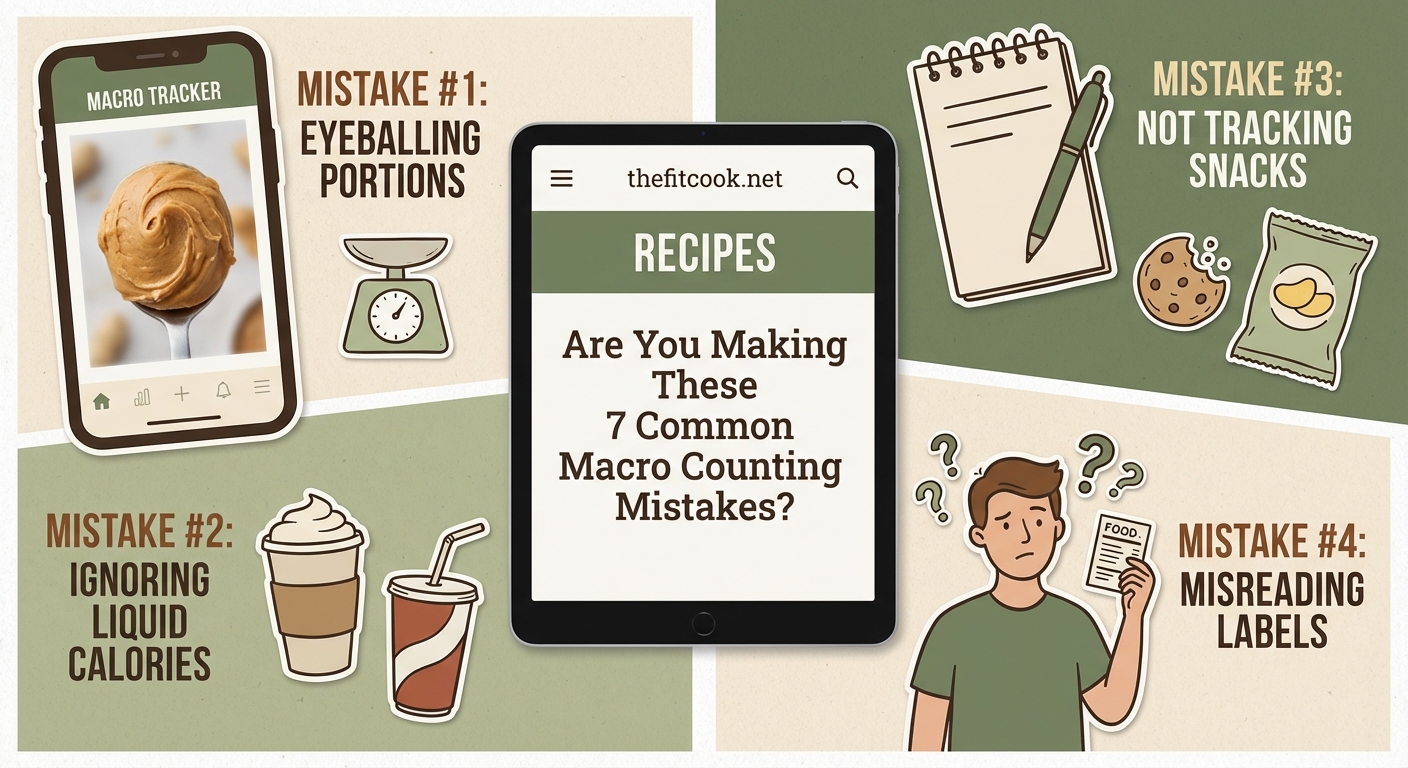
Prep your tracking environment: Set up your food scale in a convenient location where you do most of your food prep. Keep your phone nearby with your tracking app already open. The easier you make the process, the more consistent you’ll be.
Use the “recipe builder” feature: If you make the same meals regularly, use your app’s recipe builder to calculate the macros once, then simply log “1 serving” going forward. This works brilliantly for meal prep recipes you make in bulk.
Track your food before you eat it: Pre-logging meals helps you stay on target and makes adjustments easier. If you realize you’re short on protein after logging breakfast and lunch, you can plan a high-protein dinner accordingly.
Take progress photos and measurements: The scale doesn’t tell the whole story. When you’re tracking accurately, you might maintain weight while losing fat and building muscle. Photos and measurements reveal progress the scale might miss.
Give it time: Accurate tracking takes 2-3 weeks to become habitual. Push through the initial learning curve, and it becomes second nature. Most of my clients report spending less than 10 minutes per day tracking after the first month.
Substitutions & Variations for Different Goals
For aggressive fat loss: Prioritize protein (1.0-1.2g per pound of body weight), moderate fats (0.3-0.4g per pound), and lower carbs. Track even more meticulously during this phase as your margin for error is smaller.
For muscle building: Increase overall calories by 10-20%, primarily from carbohydrates to fuel training. Protein remains high (0.8-1.0g per pound), and tracking accuracy matters less when in a surplus, though you should still monitor to avoid excessive fat gain.
For maintenance/lifestyle: You can be slightly less rigid with tracking once you’ve established good habits and understand portion sizes. Consider tracking 5-6 days per week and using intuitive eating on other days, while still being mindful.
For athletes with high training volumes: Adjust carbohydrate intake based on training days versus rest days. Track more carefully around key training blocks when performance and recovery matter most. Learn about fueling workouts properly for optimal results.
Storage & Meal Prep Applications
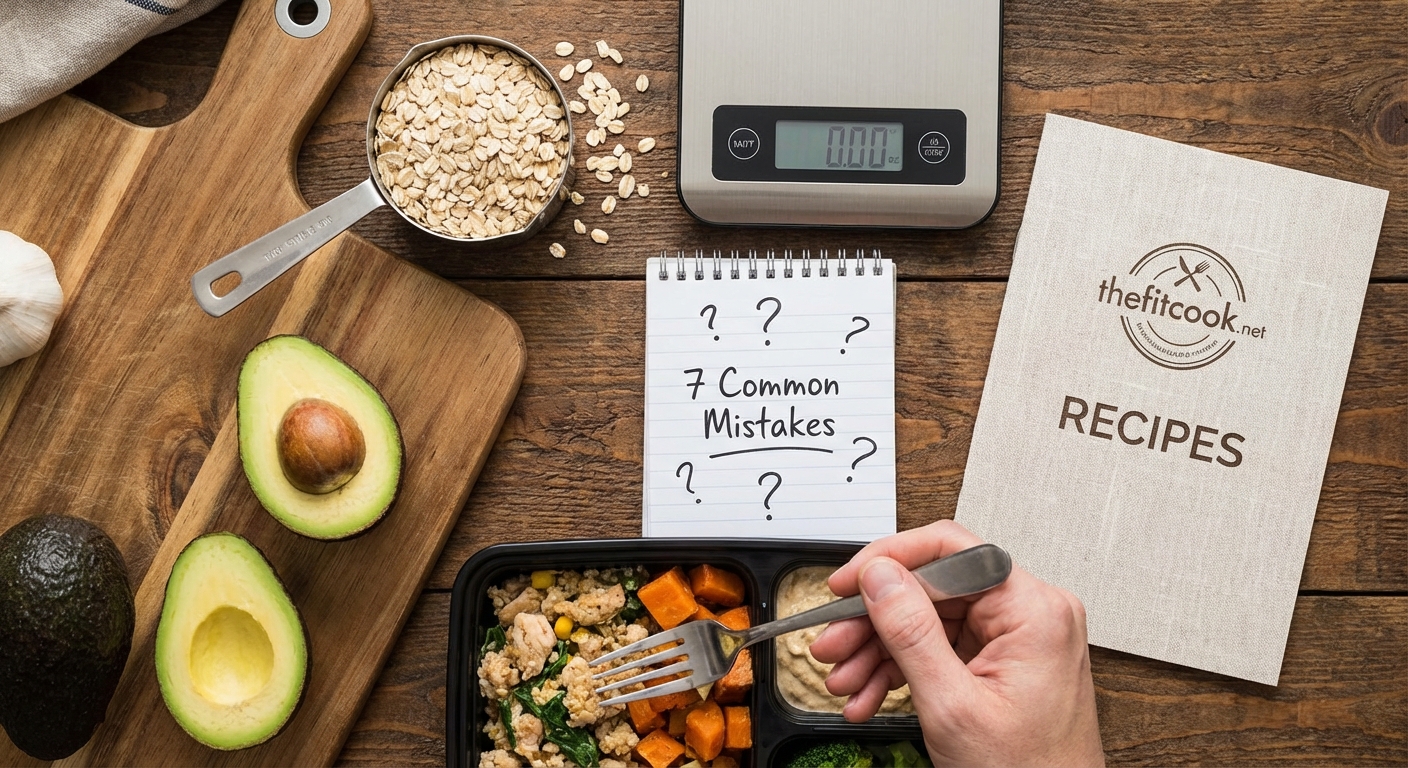
Accurate macro counting pairs perfectly with meal prep. When you batch cook meals, you can weigh the entire recipe, calculate total macros, and divide into exact portions. Store these meals in labeled containers with the macro breakdown written on top.
Storage guidelines: Most prepped proteins and cooked grains last 4-5 days in the refrigerator when stored properly. If your meal prep goes bad too quickly, you’re likely making storage mistakes that are separate from tracking issues.
Freezer-friendly approach: Double your recipes and freeze half in individual portions with macros labeled. This creates a library of pre-tracked meals you can grab when time is tight. Freezer meal prep is a game-changer for busy weeks.
Reheating without affecting macros: The cooking method doesn’t change the macro content of your food. Whether you microwave, air fry, or reheat in a pan, the macros remain the same. Focus on reheating methods that preserve taste rather than worrying about macro changes.
Nutrition Info (For Reference)
Understanding the basic caloric values of macronutrients helps you spot database errors:
- Protein: 4 calories per gram
- Carbohydrates: 4 calories per gram
- Fat: 9 calories per gram
- Alcohol: 7 calories per gram (often forgotten)
- Fiber: Technically 2 calories per gram, but often subtracted in “net carb” calculations (see mistake #6 in many tracking errors)
Example daily target for a 150-pound person in fat loss:
– Calories: 1,800
– Protein: 150g (600 calories)
– Fat: 50g (450 calories)
– Carbs: 187g (750 calories)
These numbers are approximate and should be customized based on individual factors including age, activity level, training intensity, and metabolic health. The macro calculation process requires honest assessment of your current stats and goals.
FAQ
How long should I track macros before expecting results?
Give yourself at least 3-4 weeks of accurate tracking before making judgments. The first 1-2 weeks involve learning and correcting the mistakes outlined above. Weeks 3-4 provide reliable data about whether your targets are appropriate. If you’re not seeing progress after a month of genuinely accurate tracking, you likely need to adjust your macro targets rather than your tracking methods.
Do I really need to track vegetables?
Yes, especially starchy vegetables and if you eat large quantities. A medium sweet potato contains about 25g of carbs. A cup of broccoli has 6g. While these are nutritious choices, they count toward your daily totals. Many people stall because they’re eating an extra 100-200 calories daily in “free” vegetables. That said, if you’re eating 1-2 cups of leafy greens or non-starchy vegetables per day, the impact is minimal.
What about eating out at restaurants?
Restaurant meals are notoriously difficult to track accurately. Most restaurants use far more oil, butter, and salt than you’d use at home. When possible, choose chain restaurants that provide nutrition information, though even these can be off by 20%. For local restaurants, overestimate by 20-30% to account for hidden fats and larger portions. Better yet, save restaurant meals for planned higher-calorie days and focus on home-cooked meals most of the time.
Should I track net carbs or total carbs?
Track total carbs. The “net carbs” concept (total carbs minus fiber) is primarily a marketing tool for low-carb products. While fiber does have a lower caloric impact than other carbohydrates, it’s already accounted for in standard macro calculations. Switching between net and total carbs creates inconsistency in your tracking. For simplicity and accuracy, track total carbohydrates and let your fiber intake be a bonus for satiety and digestive health.
How do I track homemade recipes with multiple ingredients?
Use your app’s recipe builder feature. Weigh each raw ingredient as you add it to the recipe, input everything into the builder, then weigh the final cooked product. Divide the total weight by your desired portion size (e.g., if the final dish weighs 1,200g and you want 4 servings, each serving is 300g). The app calculates macros per serving automatically. Save the recipe for easy logging in the future. This method works perfectly for balanced meal prep recipes you make regularly.
Is it normal to feel obsessive about tracking at first?
Some initial hyperawareness is normal as you learn the system, but tracking should eventually feel routine, not stressful. If you find yourself experiencing anxiety around food, skipping social events to avoid tracking challenges, or developing an unhealthy relationship with numbers, it’s time to step back. Macro counting is a tool for progress, not a prison. Consider working with a nutrition coach if tracking triggers disordered eating patterns. The goal is sustainable progress, not perfection. Remember that avoiding common diet mistakes includes maintaining a healthy psychological relationship with food and tracking.