Your Complete Guide to High-Protein Meal Prep for a Full Week of Muscle Gains
You have the willpower to grind through a tough set of deadlifts. You show up for leg day even when your couch is calling your name. But when it comes to feeding your muscles consistently, the struggle is real. You stare into the fridge after a workout, hungry and tired, and suddenly that frozen pizza looks like a viable option. It does not have to be this way. High-protein meal prep is the bridge between your gym effort and your actual results. And once you get it down, you will save hours every week and never miss your protein targets again.
A successful high-protein meal prep plan relies on three pillars: choosing the right protein sources that reheat well, using a simple rotation of just two or three recipes per week, and storing food correctly to maintain freshness. This guide walks you through the entire process so you can build muscle without spending your whole Sunday in the kitchen.
Why Most People Quit Meal Prep by Wednesday
You have probably tried meal prepping before. You bought the containers, cooked a massive batch of chicken and rice on Sunday, and by Tuesday you were ordering takeout again. This happens for a few specific reasons.
The first mistake is cooking food that does not reheat well. Lean chicken breast dries out. Fish gets rubbery. Vegetables turn into sad, soggy mush. The second mistake is cooking too much variety. When you try to prep five different meals, you end up spending four hours cooking and creating a mountain of dishes. The third mistake is ignoring your actual hunger signals. You pack a 400-calorie lunch, but you need 600 calories to feel satisfied after a morning workout.
The fix for all of these problems is a smarter approach to high-protein meal prep. You need to choose ingredients that stay delicious for days, batch cook efficiently, and build meals around your real needs.
The Best Protein Sources for Weekly Meal Prep
Not all proteins are created equal when it comes to surviving a week in the fridge. Some hold up beautifully, while others turn into a texture disaster by day three. Here is a breakdown of what works and what does not.
| Protein Source | Best for Meal Prep? | Reheat Quality | Best Cooking Method |
|---|---|---|---|
| Chicken thighs | Yes | Stays moist for 5 days | Braise or slow cook |
| Chicken breast (boneless, skinless) | With caution | Dries out fast | Sous vide or poach |
| Lean ground beef (93/7) | Yes | Holds up well | Brown and add sauce |
| Ground turkey (93/7) | Yes | Slightly drier than beef | Add olive oil or broth |
| Firm tofu | Yes | Absorbs flavors over time | Press, cube, and bake |
| Canned tuna or salmon | Yes | Best used by day 3 | Mix into salads cold |
| White fish (cod, tilapia) | No | Becomes tough and fishy | Best cooked fresh |
| Eggs (hard boiled) | Yes | Good for up to 7 days | Boil and peel |
| Greek yogurt | Yes | No reheating needed | Use as cold base |
| Lean pork tenderloin | Yes | Stays tender for 4 days | Roast or grill |
A good rule of thumb is to pick two protein sources per prep session. For example, you might choose chicken thighs and lean ground beef for one week, then switch to ground turkey and firm tofu the next week. This keeps your meals interesting without overwhelming your schedule.
Your Step-by-Step High-Protein Meal Prep Process
Let us walk through the actual process of prepping a full week of muscle-building meals. This takes about two to three hours on a Sunday afternoon.
Step 1: Plan around your schedule (10 minutes)
Look at your week ahead. Do you have a late meeting on Tuesday? A morning workout on Thursday? Plan your biggest meals for the days you need the most energy. If you train after work, make sure your lunch is protein heavy and your dinner is ready to heat up the second you walk in the door.
Step 2: Choose your two recipes (5 minutes)
Pick one main protein dish and one secondary dish. For example, a big batch of chili with ground turkey and black beans, plus a sheet pan of lemon-herb chicken thighs with roasted broccoli. That is it. Two recipes. No more.
Step 3: Grocery shop efficiently (30 minutes)
Stick to your list. Buy your proteins in bulk from a warehouse store if you can. Grab large bags of frozen vegetables, canned beans, and whole grains like brown rice or quinoa. Do not buy anything that requires complicated prep work.
Step 4: Batch cook your proteins (60 to 90 minutes)
Cook both protein sources at the same time. While your chili simmers on the stove, your chicken thighs can roast in the oven. Use a meat thermometer to avoid overcooking. Chicken thighs are done at 175 degrees Fahrenheit internal temp for the best texture.
Step 5: Portion and store (20 minutes)
Divide everything into individual containers. Use glass containers for meals you will eat in the first three days. Use freezer-safe containers for meals you plan to eat on days four through seven. Label each container with the contents and the date.
Step 6: Build your grab-and-go snacks (15 minutes)
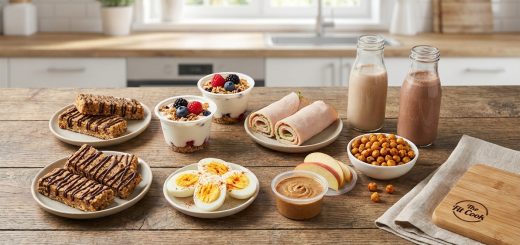
Portion out Greek yogurt cups, hard boiled eggs, and pre-made protein shakes. Having these ready means you never reach for a bag of chips when hunger strikes between meals.
Common Mistakes That Ruin Your Meal Prep
Even with a solid plan, a few small errors can derail your entire week. Here are the most common problems and how to avoid them.
- Cooking vegetables until they are mush. Roast or steam vegetables until they are just tender. They will continue to cook slightly when you reheat them. Undercook them on purpose.
- Using the wrong containers. Flimsy plastic containers crack in the freezer and leak in your gym bag. Invest in glass or high-quality BPA-free plastic with snap-lock lids.
- Forgetting to season generously. Food tastes blander after refrigeration. Your taste buds need a little extra salt, acid, and spice to wake up leftovers. Add a squeeze of lemon or a splash of vinegar before serving.
- Reheating everything in the microwave. Some foods do better in the oven or on the stovetop. Chicken thighs and roasted vegetables crisp up nicely under the broiler for two minutes.
- Prepping too much food for one person. If you live alone, do not cook for an army. A week of meals is enough. Any more than that and you risk food waste.
Expert tip from a registered dietitian: “Many people underestimate how much protein they actually need per meal. Aim for 30 to 40 grams of protein per meal if you are actively trying to build muscle. That means each container should hold roughly one and a half palm-sized portions of your chosen protein source.”
Building a Sample Week of High-Protein Meals
Let us put this into practice with a real example. This plan uses two recipes and rotates them with simple add-ons to keep things fresh.
Recipe 1: Turkey and Bean Chili
– 2 pounds lean ground turkey
– 2 cans of black beans, drained and rinsed
– 1 large can of crushed tomatoes
– 1 onion, diced
– 2 tablespoons chili powder
– 1 tablespoon cumin
– Salt and pepper to taste
Brown the turkey in a large pot. Add the onion and cook until soft. Stir in the spices, then add the tomatoes and beans. Simmer for 30 minutes. This makes about six servings with roughly 35 grams of protein each.
Recipe 2: Lemon Herb Chicken Thighs with Roasted Broccoli
– 8 bone-in, skin-on chicken thighs
– 4 cups of broccoli florets
– 3 tablespoons olive oil
– Juice of 2 lemons
– 4 cloves of garlic, minced
– 1 teaspoon dried oregano
– Salt and pepper
Toss the chicken thighs with olive oil, lemon juice, garlic, oregano, salt, and pepper. Roast at 400 degrees Fahrenheit for 40 minutes. Add the broccoli to the sheet pan for the last 15 minutes of cooking. This makes four servings with roughly 40 grams of protein each.
Your weekly meal map looks like this:
– Monday: Chili for lunch, chicken for dinner
– Tuesday: Chicken for lunch, chili for dinner
– Wednesday: Chili for lunch, chicken for dinner
– Thursday: Chicken for lunch, chili for dinner
– Friday: Leftover chili or chicken, whichever you have more of
– Saturday: Use your remaining portions or cook something fresh
– Sunday: Prep day again
This rotation works because you never eat the same meal twice in a row. The flavors stay distinct, and you do not get bored.
How to Make Your High-Protein Meal Prep Last All Week
Freshness is the number one concern for anyone who meal preps. Nobody wants to open a container on Thursday and smell something funky. Here are the storage rules you need to follow.
-
Cool food completely before sealing. Hot food creates condensation inside the container. That moisture leads to soggy textures and faster spoilage. Let your food sit on the counter for 30 minutes before you put the lid on.
-
Freeze meals you will not eat within 72 hours. If you prep on Sunday and you know you will not eat a certain meal until Thursday or Friday, put it in the freezer on Sunday night. Move it to the fridge the night before you plan to eat it.
-
Keep wet and dry ingredients separate. If you are prepping salads, store the dressing in a small container on the side. If you are prepping grain bowls, keep the grains, protein, and vegetables in separate sections of a divided container. Assemble right before eating.
-
Use the coldest part of your fridge. The back of the bottom shelf is the coldest spot. Store your protein-heavy meals there. Keep your snacks and fruits in the door or on the top shelf.
For a deeper look at why some prepped meals go bad so fast, read our guide on why your meal prep goes bad after 3 days. It covers the science of food spoilage and the exact storage hacks that professional meal prep services use.
Your Next Steps for Mastering High-Protein Meal Prep
You now have the framework. You know which proteins to choose, how to cook them, how to store them, and how to build a week of meals without spending your entire Sunday in the kitchen. The only thing left is to take action.
Start small. Pick one protein and one recipe this weekend. Cook it. Portion it. Eat it for three days. Notice how good it feels to open your fridge and see a ready-to-eat meal that supports your goals. Then, the following week, add a second recipe. Build the habit slowly.
If you want to take your prep to the next level, check out our sunday meal prep blueprint for a complete three-hour plan that covers breakfast, lunch, dinner, and snacks. Or, if you are trying to hit a specific protein number every day, our guide on how to meal prep 150g protein daily will show you exactly how to structure your portions.
Your First Week Starts Now
You have the knowledge. You have the plan. Now it is time to put it into motion. High-protein meal prep is not about perfection. It is about consistency. Some weeks you will nail it. Other weeks you will eat chili four days in a row and that is okay. Every meal you prep is one less meal that derails your progress. Grab your grocery list, pick your protein, and make this the week you stop guessing and start gaining.