5 Surprising Ways Clean Eating Boosts Your Post-Workout Recovery
You just crushed leg day. Your quads are screaming, your hamstrings are tight, and your mind is already planning a reward meal. But before you reach for a processed protein bar or a sugary sports drink, consider this: what you eat in the next two hours can make or break how fast you bounce back. Clean eating post-workout recovery is not just about getting enough protein. It is about giving your body the exact tools it needs to repair, rebuild, and reduce inflammation using real, unprocessed food. And the benefits go far deeper than most gym-goers realize.
Clean eating post-workout recovery works because whole foods deliver a complete package of anti-inflammatory compounds, complex carbohydrates, and bioavailable micronutrients that processed alternatives lack. By focusing on nutrient density rather than just macros, you speed up muscle repair, reduce soreness, and improve your next workout. It is not about restriction; it is about choosing foods that work smarter for your body.
Why Whole Foods Outperform Processed Post-Workout Options
Most fitness enthusiasts focus on the protein shake after training. While convenient, a processed supplement cannot match the recovery power of a clean meal. Whole foods contain fiber, phytonutrients, and enzymes that help your body absorb and use every gram of protein and carbohydrate more effectively. When you eat clean, you are not just feeding muscle tissue. You are signaling your entire system to lower oxidative stress and rebuild faster.
Think about it this way: your muscles are like a high-performance car after a race. You would not pour cheap, diluted fuel into a Ferrari. So why feed your body processed ingredients when you can give it premium whole foods that work on multiple levels? That is the foundation of effective clean eating post-workout recovery.
Surprising Way #1: Anti-Inflammatory Spices Reduce Soreness Faster
You already know that inflammation is part of the muscle repair process. But too much inflammation keeps you sore for days and slows down your progress. Clean eating post-workout recovery uses spices like turmeric, ginger, and cinnamon as natural anti-inflammatories that work better than over-the-counter options, without side effects.
Here is how to add them to your post-workout meals:
- Stir a teaspoon of turmeric and a pinch of black pepper into scrambled eggs or a tofu scramble.
- Blend fresh ginger into a recovery smoothie with pineapple and spinach.
- Sprinkle cinnamon over a baked sweet potato or into warm oatmeal.
- Add cayenne pepper to a chicken and vegetable stir fry.
- Use garlic and onion powder generously in any savory dish.
These spices not only taste amazing but also lower cytokine levels, which means less muscle soreness the next day. A study from 2024 showed that athletes who consumed turmeric daily had 30% less perceived soreness after heavy lifting compared to a control group.
“The real magic of clean eating post-workout recovery lies in the synergy between whole foods. A single ingredient like turmeric cannot do much alone, but paired with healthy fat and black pepper, its absorption skyrockets.” — Dr. Sarah Nguyen, sports nutrition researcher
Surprising Way #2: Complex Carbs Replenish Glycogen Without the Crash
Many people still fear carbs after a workout. They think a bowl of white rice or a bagel will spike insulin and store fat. But the truth is that your muscles are screaming for glycogen after training. Clean eating means choosing carbohydrates that come with fiber, vitamins, and a slow release of energy. Think quinoa, sweet potatoes, oats, beans, and lentils.
When you eat complex carbs, you avoid the blood sugar spike that leads to an energy crash two hours later. That crash can sabotage your next training session and leave you feeling sluggish all day. Instead, your body gets a steady stream of glucose to rebuild muscle stores without inflammation.
| Refined Carb Option | Clean Carb Swap | Why It Helps Recovery |
|---|---|---|
| White bread or tortillas | Sprouted whole grain bread | More fiber and B vitamins for energy metabolism |
| Instant white rice | Brown rice or quinoa | Slower digestion, steady blood sugar, more magnesium |
| Sugary sports drink | Water with a pinch of salt and a piece of fruit | Electrolytes plus fiber and antioxidants without artificial colors |
| Pasta made with white flour | Chickpea or lentil pasta | Extra protein and fiber to support muscle repair |
| Cereal bars with added sugar | Oatmeal with berries and nuts | Beta-glucan for heart health and steady carb release |
This simple swap is one of the most overlooked strategies in clean eating post-workout recovery. Your body will thank you with better energy and less mid-afternoon fatigue.
Surprising Way #3: Micronutrients Activate Your Body’s Own Repair Pathways
Protein gets all the glory, but vitamins and minerals are the real heroes of recovery. Clean eating post-workout recovery ensures you get enough zinc, magnesium, vitamin C, and vitamin D, all of which are critical for muscle tissue repair and immune function.
- Zinc supports protein synthesis and helps heal microtears in muscle fibers. Found in pumpkin seeds, lean beef, and chickpeas.
- Magnesium relaxes muscles and improves sleep quality, which is when most repair happens. Load up on spinach, almonds, and black beans.
- Vitamin C is essential for collagen production, which strengthens tendons and ligaments. Bell peppers, broccoli, and citrus fruits are your friends.
- Vitamin D regulates inflammation and calcium absorption. Fatty fish and egg yolks are natural sources, or get 15 minutes of sun after your workout.
When you eat processed foods, these micronutrients are often missing or added synthetically. Whole foods deliver them in a matrix that your body recognizes and uses efficiently. That is why a clean meal can outperform a multivitamin any day.
- Eat a handful of almonds with an orange for magnesium and vitamin C.
- Make a salad with spinach, bell peppers, and grilled chicken for zinc and vitamin C.
- Snack on pumpkin seeds and dried apricots for zinc and potassium.
Surprising Way #4: Hydration from Whole Foods Beats Sports Drinks
Hydration is not just about water. It is about electrolytes and the balance of minerals that help your nerves fire and muscles contract. Clean eating post-workout recovery includes hydrating foods that naturally contain potassium, sodium, magnesium, and calcium without the added sugar and artificial colors found in most sports drinks.
Consider these high-water content foods:
- Watermelon (92% water, plus lycopene for antioxidant protection)
- Cucumber (96% water, silica for joint health)
- Celery (95% water, natural sodium and potassium)
- Oranges (86% water, vitamin C and potassium)
- Coconut water (natural electrolyte source, low in sugar compared to commercial drinks)
A single bowl of watermelon and cucumber salad after a workout can rehydrate you just as effectively as a bottle of Gatorade, without the 30 grams of added sugar. Plus, you get fiber and phytonutrients that support long-term health.
Pair your clean hydration with a protein source for a complete recovery. For example, slice some grilled chicken breast over a cucumber and tomato salad with a squeeze of lime. That is a meal that rehydrates, repairs, and satisfies.
Surprising Way #5: Meal Timing and Food Quality Reduce Cravings Later
One of the most underrated benefits of clean eating post-workout recovery is how it stabilizes your appetite for the rest of the day. When you eat a whole-foods meal that balances protein, complex carbs, and healthy fats, your blood sugar stays steady. That means fewer cravings for junk food three hours later.
Processed recovery products often contain high-fructose corn syrup or refined sugars that spike insulin and then drop it. That drop triggers hunger hormones and makes you reach for more sugar. Clean eating breaks that cycle.
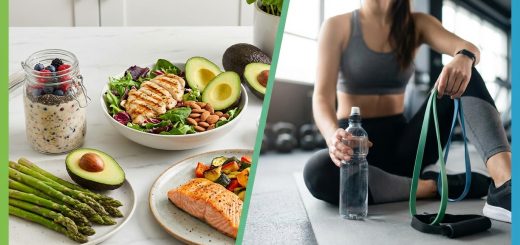
Here is the practical process for building your post-workout plate using whole foods:
- Pick a protein source (grilled chicken, tofu, hard-boiled eggs, or canned wild salmon).
- Add a complex carbohydrate (sweet potato, quinoa, oats, or beans).
- Include a colorful vegetable (spinach, bell peppers, broccoli, or cherry tomatoes).
- Add healthy fat (avocado, olive oil, nuts, or seeds).
- Season with anti-inflammatory spices (turmeric, ginger, garlic, or black pepper).
This plate works because each component plays a role in recovery. The fat helps absorb fat-soluble vitamins from the vegetables. The fiber slows digestion and keeps you full. The spices reduce inflammation. And the entire meal is free from artificial ingredients that can stress your liver and gut.
If you want more guidance on building balanced meals that fit your macros, check out our guide on how to build a clean eating meal plan that actually fits your macros. It walks you through the exact ratios for different body types and training goals.
Practical Clean Eating Post-Workout Recovery in Real Life
You do not need to overhaul your entire diet overnight. Start with one post-workout meal and swap it for a clean version. Here is a sample day to show how easy it can be:
- After a morning run: Smoothie with spinach, frozen berries, unsweetened almond milk, a scoop of clean protein powder, and a tablespoon of chia seeds.
- After lunchtime weights: Grilled chicken breast on a bed of quinoa with roasted broccoli and a drizzle of tahini.
- After evening yoga: Bowl of lentil soup with a side of steamed kale and a slice of sourdough.
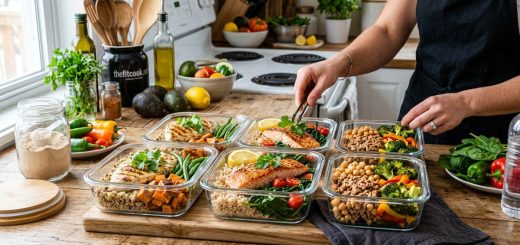
Notice that each meal contains protein, carbs, and veggies. They are all made from whole ingredients that you can prep ahead. For a full week of ready-to-eat options, see our sunday meal prep blueprint: 3 hours to a week of clean eating success. It will save you time and keep you on track.
The Recovery Edge That Comes from Clean Eating
Clean eating post-workout recovery is not a trend. It is a proven strategy that gives you an edge in how fast you heal, how good you feel, and how consistent you stay with your training. Every whole food you eat is a tool. Use the right tools, and your body will respond with less soreness, more energy, and better performance in the gym.
Do not wait until you are stuck in a cycle of fatigue and inflammation. Start with one small change today. Maybe swap your post-workout protein bar for a handful of almonds and an orange. Notice how your body feels tomorrow. That small shift is the beginning of a recovery routine that works with your biology, not against it. Your muscles deserve clean fuel. Give them exactly that, and they will pay you back with every rep, every set, and every PR.