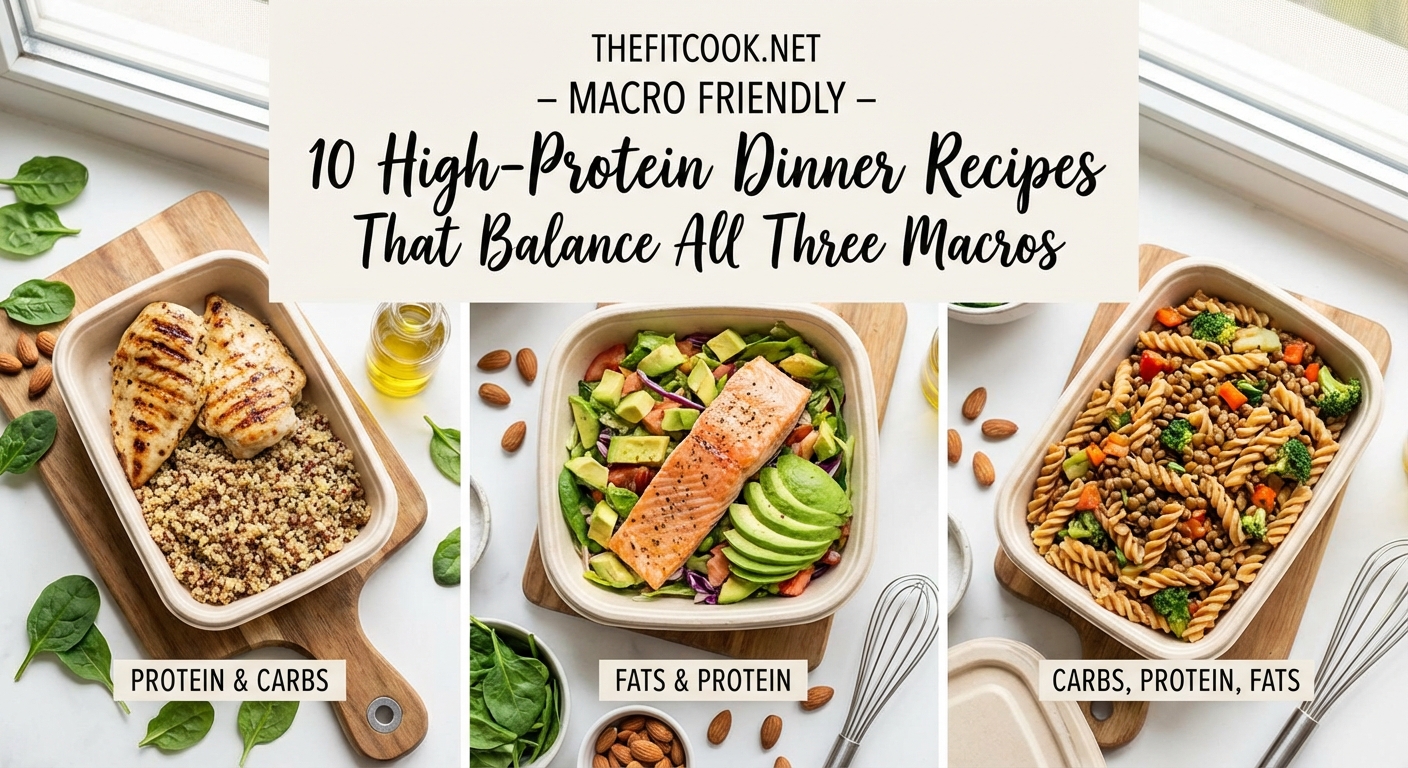
10 High-Protein Dinner Recipes That Balance All Three Macros
Getting your macros right at dinner can feel like solving a puzzle with missing pieces. You need enough protein to support recovery, the right carbs to fuel tomorrow’s workout, and healthy fats to keep hormones balanced. Most recipes online give you one or two macros but leave the third one completely out of whack.
High protein macro balanced dinner recipes deliver 30-45g protein alongside properly portioned carbohydrates and fats to support fitness goals. These meals eliminate guesswork by providing complete nutritional breakdowns, making it easier to track macros without sacrificing flavor or satisfaction. Perfect for anyone serious about body composition while maintaining a sustainable eating pattern.
Understanding Macro Balance for Dinner
Macro balance means hitting your protein target while keeping carbs and fats within range for your goals.
Most people nail protein but completely bomb the other two macros.
A balanced dinner typically contains 30-45g protein, 30-50g carbohydrates, and 12-20g fat. These ranges shift based on your specific goals, but they create a solid starting point for most active individuals.
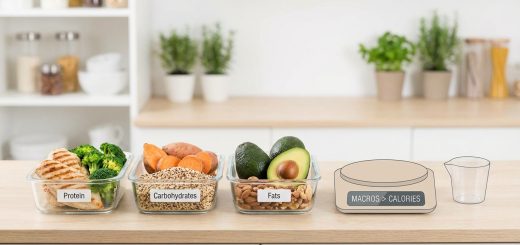
Protein supports muscle repair after training. Carbohydrates replenish glycogen stores. Fats regulate hormones and increase nutrient absorption.
Skip one macro and the others can’t do their job properly.
The recipes below hit all three targets without requiring a nutrition degree to calculate portions. Each one includes a complete macro breakdown so you can track accurately.
Why Most High Protein Dinners Fail the Macro Test
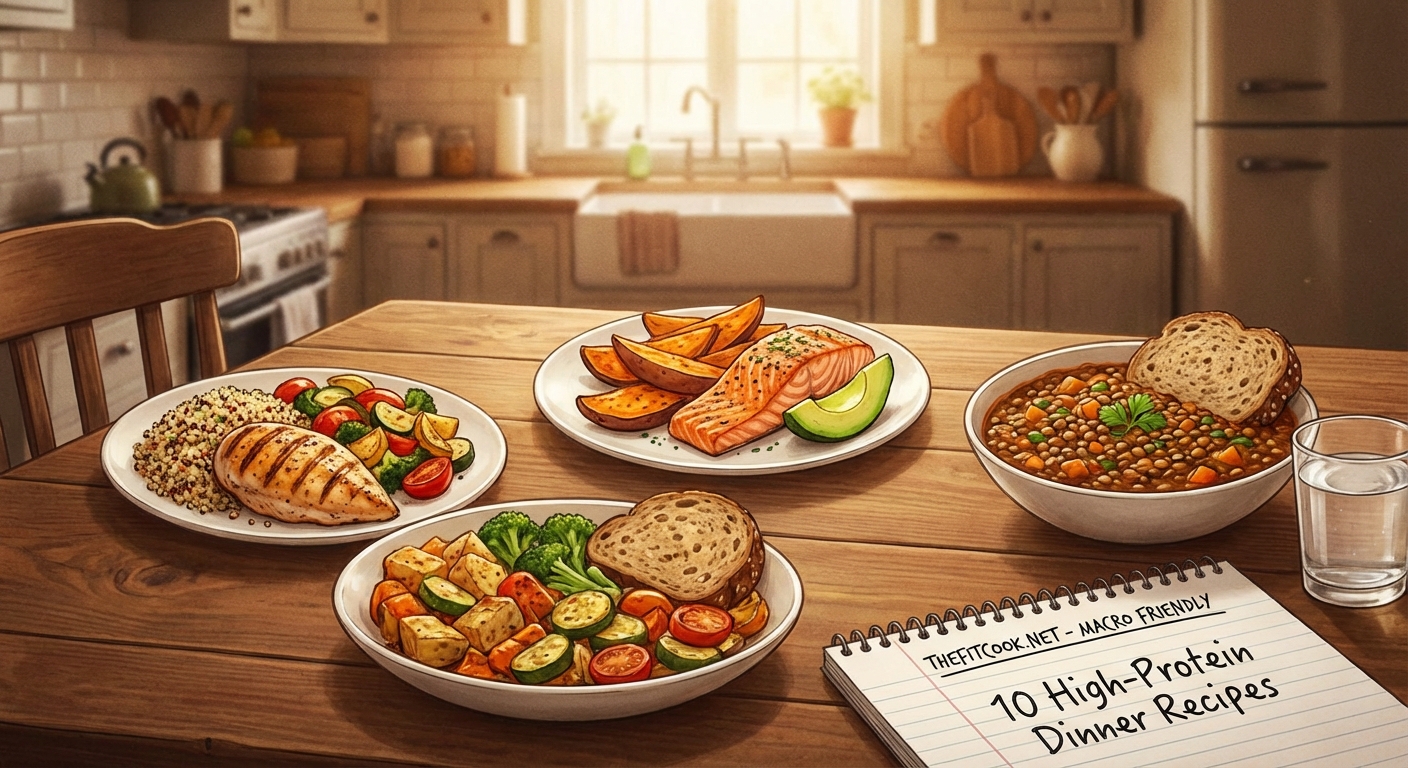
Restaurant meals and typical home cooking prioritize taste over nutrition balance.
A grilled chicken breast with steamed broccoli gives you plenty of protein but almost zero carbs and minimal fat. Your body needs all three to function optimally.
On the flip side, pasta dishes loaded with cream sauce deliver carbs and fat but leave protein in the dust.
Here’s what throws macros off balance:
- Using too much cooking oil or butter
- Skipping complex carbohydrates entirely
- Relying on processed protein sources with hidden fats
- Eyeballing portions instead of weighing ingredients
- Adding high-calorie toppings without accounting for them
The solution involves intentional ingredient selection and precise portioning. What are macros and why do they matter more than calories breaks down the science behind this approach.
Recipe 1: Teriyaki Salmon with Sweet Potato and Green Beans
This dish combines omega-3 rich salmon with nutrient-dense sweet potato and fiber-packed green beans.
Macros per serving: 42g protein, 38g carbs, 14g fat
Ingredients:
– 6 oz salmon fillet
– 1 medium sweet potato (150g)
– 1.5 cups green beans
– 2 tbsp low-sodium teriyaki sauce
– 1 tsp sesame oil
– Garlic powder and ginger to taste
Preparation:
- Preheat oven to 400°F.
- Cube sweet potato and toss with cooking spray.
- Roast sweet potato for 20 minutes.
- Season salmon with garlic powder and ginger.
- Brush salmon with teriyaki sauce.
- Add salmon to baking sheet for final 12 minutes.
- Steam green beans and toss with sesame oil.
The sweet potato provides slow-digesting carbs that won’t spike insulin. Green beans add volume and micronutrients without padding the calorie count.
Recipe 2: Ground Turkey Burrito Bowl
Burrito bowls give you complete control over every macro while delivering restaurant-quality flavor.
Macros per serving: 38g protein, 42g carbs, 16g fat
Ingredients:
– 5 oz 93% lean ground turkey
– 2/3 cup cooked brown rice
– 1/2 cup black beans
– 1/4 cup corn
– 2 tbsp salsa
– 1 tbsp Greek yogurt
– 1/4 avocado
– Cumin, chili powder, garlic powder
Preparation:
- Cook brown rice according to package directions.
- Brown ground turkey in a skillet with spices.
- Warm black beans and corn separately.
- Layer rice in bowl as base.
- Add turkey, beans, and corn.
- Top with salsa, Greek yogurt, and sliced avocado.
Greek yogurt replaces sour cream to boost protein while cutting fat. The combination of rice and beans creates a complete amino acid profile.
Recipe 3: Balsamic Chicken with Roasted Vegetables and Quinoa
This Mediterranean-inspired plate balances lean protein with ancient grains and colorful vegetables.
Macros per serving: 41g protein, 36g carbs, 13g fat
Ingredients:
– 6 oz chicken breast
– 2/3 cup cooked quinoa
– 1 cup zucchini, chopped
– 1 cup bell peppers, chopped
– 3 tbsp balsamic vinegar
– 1 tsp olive oil
– Italian seasoning
Preparation:
- Marinate chicken in 2 tbsp balsamic vinegar for 30 minutes.
- Cook quinoa according to package instructions.
- Toss vegetables with olive oil and Italian seasoning.
- Roast vegetables at 425°F for 20 minutes.
- Grill or pan-sear chicken until internal temp reaches 165°F.
- Drizzle remaining balsamic over chicken before serving.
Quinoa contains all nine essential amino acids, making it a complete protein source that complements the chicken.
Recipe 4: Lean Beef Stir-Fry with Jasmine Rice
Stir-fries cook fast and allow for endless vegetable combinations.
Macros per serving: 39g protein, 44g carbs, 15g fat
Ingredients:
– 5 oz 90% lean ground beef
– 2/3 cup cooked jasmine rice
– 2 cups mixed stir-fry vegetables
– 2 tbsp low-sodium soy sauce
– 1 tsp sesame oil
– Fresh ginger and garlic
Preparation:
- Cook jasmine rice and set aside.
- Brown ground beef in a large skillet or wok.
- Remove beef and set aside.
- Add sesame oil to pan with ginger and garlic.
- Stir-fry vegetables until tender-crisp.
- Return beef to pan with soy sauce.
- Serve over rice.
Using 90% lean beef keeps saturated fat in check while delivering iron and B vitamins that support energy production.
Recipe 5: Lemon Herb Cod with Fingerling Potatoes and Asparagus
White fish provides lean protein that pairs perfectly with roasted potatoes.
Macros per serving: 35g protein, 40g carbs, 11g fat
Ingredients:
– 7 oz cod fillet
– 5 oz fingerling potatoes
– 1.5 cups asparagus
– 1 lemon
– 1 tsp olive oil
– Fresh dill and parsley
Preparation:
- Halve fingerling potatoes lengthwise.
- Toss potatoes with half the olive oil.
- Roast at 425°F for 25 minutes.
- Season cod with lemon juice, dill, and parsley.
- Add cod and asparagus to baking sheet for final 12 minutes.
- Drizzle remaining olive oil over asparagus.
Cod contains virtually no fat, allowing you to allocate fat macros to the cooking oil and create a more balanced plate.
Recipe 6: Chicken Sausage Pasta with Marinara
Pasta fits into macro-balanced eating when you control portions and choose lean proteins.
Macros per serving: 37g protein, 45g carbs, 14g fat
Ingredients:
– 2 links chicken sausage (about 3 oz cooked)
– 2 oz dry whole wheat pasta
– 1/2 cup marinara sauce
– 1 cup spinach
– 2 tbsp parmesan cheese
– Italian seasoning
Preparation:
- Cook pasta according to package directions.
- Slice and brown chicken sausage in a skillet.
- Add marinara sauce and spinach to sausage.
- Simmer until spinach wilts.
- Toss cooked pasta with sauce mixture.
- Top with parmesan cheese.
Whole wheat pasta provides more fiber than regular pasta, helping you stay fuller longer. The spinach adds volume without significantly impacting macros.
Recipe 7: Shrimp Fajita Plate
Shrimp cooks in minutes and delivers impressive protein with almost zero fat.
Macros per serving: 36g protein, 41g carbs, 12g fat
Ingredients:
– 6 oz shrimp, peeled and deveined
– 2 small corn tortillas
– 1 cup bell peppers and onions
– 1/4 cup black beans
– 2 tbsp salsa
– 1 tsp olive oil
– Fajita seasoning
Preparation:
- Toss shrimp with fajita seasoning.
- Sauté peppers and onions in olive oil until soft.
- Remove vegetables and cook shrimp in same pan.
- Warm tortillas and black beans.
- Assemble fajitas with shrimp, vegetables, beans, and salsa.
This meal works great for macro-friendly meal prep: 5 days of perfectly balanced lunches since all components store well separately.
Recipe 8: Turkey Meatballs with Orzo and Roasted Broccoli
Meatballs aren’t just for pasta night. They batch cook beautifully for the week ahead.
Macros per serving: 40g protein, 38g carbs, 15g fat
Ingredients:
– 5 oz ground turkey (93% lean)
– 1/3 cup dry orzo
– 2 cups broccoli florets
– 1 egg white
– 2 tbsp breadcrumbs
– Italian herbs
– 1 tsp olive oil
Preparation:
- Mix ground turkey with egg white, breadcrumbs, and herbs.
- Form into 6-8 meatballs.
- Bake at 375°F for 20 minutes.
- Cook orzo according to package directions.
- Toss broccoli with olive oil and roast alongside meatballs.
- Combine all components on plate.
The egg white binds meatballs without adding fat. Breadcrumbs contribute to the carb count while keeping meatballs tender.
Recipe 9: Pork Tenderloin with Wild Rice and Brussels Sprouts
Pork tenderloin rivals chicken breast for leanness when you trim visible fat.
Macros per serving: 38g protein, 39g carbs, 13g fat
Ingredients:
– 5 oz pork tenderloin
– 2/3 cup cooked wild rice
– 1.5 cups Brussels sprouts, halved
– 1 tsp olive oil
– Rosemary and thyme
– Dijon mustard
Preparation:
- Rub pork with Dijon mustard, rosemary, and thyme.
- Roast pork at 400°F for 20-25 minutes until internal temp hits 145°F.
- Cook wild rice according to package instructions.
- Toss Brussels sprouts with olive oil and roast for 25 minutes.
- Let pork rest 5 minutes before slicing.
Wild rice contains more protein than white or brown rice, helping you hit your protein target from multiple sources.
Recipe 10: Tofu and Vegetable Curry with Basmati Rice
Plant-based eaters need balanced macros too. This curry delivers complete nutrition without animal products.
Macros per serving: 32g protein, 46g carbs, 16g fat
Ingredients:
– 7 oz extra-firm tofu
– 2/3 cup cooked basmati rice
– 1 cup mixed vegetables (cauliflower, peas, carrots)
– 1/2 cup light coconut milk
– 2 tbsp curry powder
– 1 tsp coconut oil
– Fresh cilantro
Preparation:
- Press tofu to remove excess water, then cube.
- Cook basmati rice and set aside.
- Heat coconut oil in a large pan.
- Brown tofu cubes on all sides.
- Add vegetables and curry powder.
- Pour in coconut milk and simmer 10 minutes.
- Serve over rice with fresh cilantro.
Light coconut milk cuts fat content dramatically compared to full-fat versions while maintaining creamy texture. Pairing tofu with rice creates a complete protein profile.
“The biggest mistake I see with macro tracking is people hitting their protein goal but completely ignoring carb and fat balance. Your body needs all three macros working together, not just one doing overtime.” – Registered Dietitian specializing in sports nutrition
Common Macro Balancing Mistakes and How to Fix Them
Even experienced meal preppers make these errors when building macro-balanced plates.
| Mistake | Why It Happens | The Fix |
|---|---|---|
| Too much cooking fat | Eyeballing oil instead of measuring | Use measuring spoons or cooking spray |
| Skipping carbs entirely | Fear of weight gain | Include complex carbs for energy and recovery |
| Oversized protein portions | “More is better” mentality | Stick to 5-7 oz cooked portions |
| Ignoring hidden fats | Not reading labels on sauces | Choose low-fat condiments or make your own |
| Inconsistent weighing | Weighing some foods but not others | Weigh all main components for accuracy |
The difference between eyeballing and weighing can add up to 200-300 calories per meal. That might not sound like much, but it compounds to 1,400-2,100 calories weekly.
How to calculate your macros for fat loss and muscle gain walks you through finding your specific targets instead of using generic recommendations.
Meal Prep Tips for Macro-Balanced Dinners
Batch cooking these recipes saves time and ensures you always have balanced meals ready.
Cook proteins in bulk on Sunday. Grill 3-4 chicken breasts, bake a full sheet of salmon, or brown 2 pounds of ground turkey at once.
Prepare grains in large batches. Rice, quinoa, and pasta all refrigerate well for 4-5 days.
Chop vegetables in advance but wait to cook them. Most vegetables taste better when cooked fresh, and they only take 10-15 minutes to roast or steam.
Store components separately in glass containers. This prevents sogginess and lets you mix and match throughout the week.
Portion everything immediately after cooking. Divide proteins into 5-7 oz servings, carbs into measured portions, and vegetables into 1-2 cup servings.
Label containers with the macro breakdown. Write protein, carbs, and fat directly on the lid with a dry-erase marker.
These strategies align perfectly with the ultimate macro-friendly freezer meal prep guide for beginners if you want to prep even further in advance.
Adjusting Recipes to Match Your Specific Macros
Your macro targets differ from the person next to you at the gym.
These recipes provide a baseline, but you can tweak portions to fit your numbers.
To increase protein: Add an extra ounce of meat, fish, or tofu. Include a side of Greek yogurt or cottage cheese. Swap regular pasta for protein pasta.
To increase carbs: Bump up rice, potato, or pasta portions by 1/3 cup cooked. Add a piece of fruit as dessert. Include an extra serving of beans or lentils.
To increase fats: Drizzle an extra teaspoon of olive oil. Add 1/4 avocado. Include a small handful of nuts or seeds. Use full-fat coconut milk instead of light.
To decrease any macro: Simply reduce the portion size of that specific component. The meal still works nutritionally.
Most people need to adjust recipes by 10-20% to match their exact targets. That’s completely normal and expected.
Tracking Macros Without Losing Your Mind
Precision matters, but perfection doesn’t.
Getting within 5g of your target for each macro counts as a win. You don’t need to hit exact numbers down to the decimal point.
Use a food scale for main components. Weigh proteins, grains, and high-calorie ingredients like oils and nut butters.
Estimate low-calorie vegetables. A cup more or less of broccoli won’t derail your macros.
Track consistently for 2-3 weeks until you develop an eye for portions. Many people can eventually estimate accurately without weighing every single meal.
Pre-log your dinner in the morning. This prevents end-of-day scrambling when you’re tired and hungry.
Keep 3-4 go-to meals in rotation. You don’t need variety at every single meal. Eating the same balanced dinners multiple times per week simplifies tracking significantly.
Why your high protein diet isn’t working: 5 common mistakes covers other tracking pitfalls that sabotage results.
Building Your Weekly Rotation
Start with three recipes from this list.
Make each one twice during your first week. This gives you six balanced dinners without overwhelming your prep time.
The following week, swap one recipe for a new option. Gradually expand your rotation until you have 8-10 recipes you can make without thinking.
Consider your schedule when planning:
– Choose one-pan recipes for your busiest nights
– Save recipes with multiple components for days when you have more time
– Prep ingredients on less hectic evenings to speed up cooking later
Match recipes to your training schedule. Higher carb options work well on heavy training days. Lower carb versions fit rest days better.
Keep a running list of what worked and what didn’t. Note which recipes reheated well, which your family enjoyed, and which ones felt too time-consuming.
Making Macro Balance Work Long Term
Sustainable nutrition habits beat perfect short-term compliance every time.
You won’t track macros forever. Most people use detailed tracking for 8-12 weeks to learn portion sizes, then switch to a more intuitive approach.
The skills you develop now carry forward. You’ll recognize what a balanced plate looks like without pulling out your food scale.
Allow flexibility within your framework. If you’re 5g over on fat one night, reduce it slightly the next day. Small adjustments prevent the all-or-nothing mentality that derails progress.
Eating out becomes easier once you understand macro balance. You can estimate restaurant portions and make smart swaps without stressing.
These recipes provide the foundation. Your consistency with them determines results.
Your Next Macro-Balanced Meal Starts Tonight
You now have ten complete dinner recipes that take the guesswork out of macro tracking.
Each one delivers the protein your muscles need, the carbs your training demands, and the fats your hormones require. No more choosing between taste and nutrition.
Pick one recipe for tonight. Weigh your portions. Track your macros. Notice how satisfied you feel after a truly balanced meal.
The difference between knowing what to eat and actually eating it comes down to having a clear plan. You’ve got the plan. Now execute it.