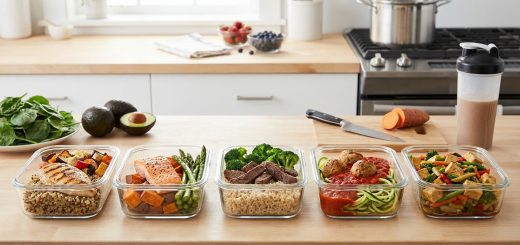
Why Your Post-Workout Meal Timing Might Be Sabotaging Your Gains
Getting your nutrition right after a workout can significantly influence your fitness results. It’s not just about what you eat but also when you eat it. Proper timing of your post-workout meal helps your body recover faster, boosts muscle synthesis, and maximizes your gains. Many gym-goers focus solely on their workout routines or diet quality without paying enough attention to meal timing. But understanding and implementing the right post-workout nutrition schedule can take your progress to the next level.
Timing your post-workout meal strategically enhances recovery and muscle growth. Aim to eat within an hour after training, focus on balanced nutrients, and avoid common mistakes to get the best results from your efforts.
Why Post-Workout Meal Timing Matters
When you exercise intensely, your muscles undergo stress that triggers repair processes. To support this, your body needs specific nutrients at the right time. Consuming a well-balanced meal shortly after training provides amino acids for muscle repair, replenishes glycogen stores, and reduces inflammation. Delaying nutrition can slow recovery, decrease muscle synthesis, and even increase soreness.
Research indicates that nutrient timing influences how effectively your body uses nutrients. Eating too late or with insufficient nutrients after a workout can sabotage your gains. It’s about aligning your meal schedule with your training to optimize recovery and muscle growth.
How To Make The Most Of Your Post-Workout Nutrition
Maximizing your post-workout meal involves a few straightforward steps. Here’s a practical process to follow:
- Eat as Soon as Possible After Your Exercise
- Prioritize Protein and Carbohydrates in Your Meal
- Stay Consistent With Your Timing and Nutrition Quality
1. Eat within the Critical Window
The phrase “anabolic window” has been debated but is generally accepted that eating within a certain period after training enhances results. Most experts recommend aiming for a meal within 30 to 60 minutes. This window allows your muscles to absorb nutrients more efficiently when blood flow is elevated, and your glycogen stores are depleted.
2. Focus on Nutrient Balance
Your post-workout meal should contain:
- High-quality protein for muscle repair (like chicken, fish, eggs, or plant-based options such as tofu or lentils)
- Complex carbs to replenish glycogen (sweet potatoes, brown rice, oats)
- Healthy fats (avocado, nuts, olive oil) in moderation to support overall recovery
3. Avoid Common Pitfalls
Skipping your post-workout meal or waiting too long can hinder your progress. Also, reliance on sugary or processed foods may spike insulin temporarily but won’t support long-term gains. Instead, focus on whole, nutrient-dense foods.
Practical Strategies for Effective Meal Timing
Implementing good timing practices can be simple. Here are three actionable steps:
- Plan ahead by preparing balanced meals or snacks in advance.
- Keep quick options on hand such as protein shakes, Greek yogurt with fruit, or trail mix.
- Listen to your body, but don’t let hunger delay your recovery nutrition.
Sample Post-Workout Meal Plan
| Technique | Mistake to Avoid | Explanation |
|---|---|---|
| Timing | Waiting over two hours | Delays muscle repair and glycogen replenishment. |
| Nutrient Focus | Skipping carbs | Limits glycogen restoration, prolonging soreness. |
| Protein Intake | Not enough protein | Reduces muscle synthesis and recovery. |
Common Mistakes and How to Avoid Them
| Mistake | How to Fix It | Why It Matters |
|---|---|---|
| Eating too late | Prepare meals ahead or have portable options | Limits recovery efficiency |
| Relying on junk foods | Choose whole, nutrient-dense foods | Supports muscle growth and overall health |
| Ignoring hydration | Drink water or electrolyte beverages | Prevents cramps and aids digestion |
“Consuming nutrients promptly after training is a cornerstone of effective recovery,” advises registered dietitian Lisa Miller. “Even a small snack can make a big difference in how your muscles respond and rebuild.”
When and What To Eat After Your Workout
Timing isn’t the entire story. The quality of your post-workout meal is equally critical. Focus on foods rich in protein and carbs, and include some healthy fats. For example:
- Grilled chicken with roasted sweet potatoes
- A smoothie with protein powder, banana, and oats
- Greek yogurt topped with berries and nuts
Eating balanced meals consistently helps your body adapt and improve over time. Remember, the goal is to support your natural recovery process with timely, nourishing foods.
Incorporating Meal Timing Into Your Routine
To make post-workout nutrition a habit, try these tips:
- Set reminders on your phone to eat within the optimal window.
- Batch prepare meals on weekends so you’re ready when hunger strikes.
- Use portable containers for meals or snacks to take to the gym or work.
By integrating these habits, you can ensure your body gets the nutrients it needs exactly when it needs them most.
Why Consistency Trumps Perfection
While perfect timing can boost results, consistency beats all. Focus on maintaining a regular feeding schedule aligned with your training. Even if you occasionally miss the ideal window, prioritize nutrient quality and quantity throughout your day.
Remember, your progress depends on the overall pattern of your nutrition, training, and recovery. Small, consistent efforts will yield better long-term gains than sporadic perfect timing.
Harnessing the Power of Nutrient Timing for Better Gains
Fine-tuning your post-workout meal timing is a simple yet powerful way to advance your fitness goals. It’s about giving your body the nutrients it craves when it can best utilize them. By eating within the first hour after training, focusing on balanced meals, and avoiding common mistakes, you set yourself up for faster recovery and muscle growth.
Adopt these strategies gradually. Prepare your meals, stay consistent, and listen to your body’s signals. With time, this targeted approach will become second nature, helping you see real results from your dedication in the gym.
A Practical Approach to Post-Workout Success
Putting these principles into action can seem straightforward, but it’s often the small habits that make the biggest difference. Remember to plan ahead, keep nutritious options accessible, and prioritize your recovery nutrition. Whether you’re lifting weights, running, or engaging in a sport, timely post-exercise meals support your efforts and help you break plateaus.
Your body is capable of incredible adaptation when fueled properly. Make nutrition timing a regular part of your routine and watch your progress accelerate.
Stay consistent, prepare smart, and listen to your body. Your muscles will thank you, and your fitness journey will become even more rewarding.