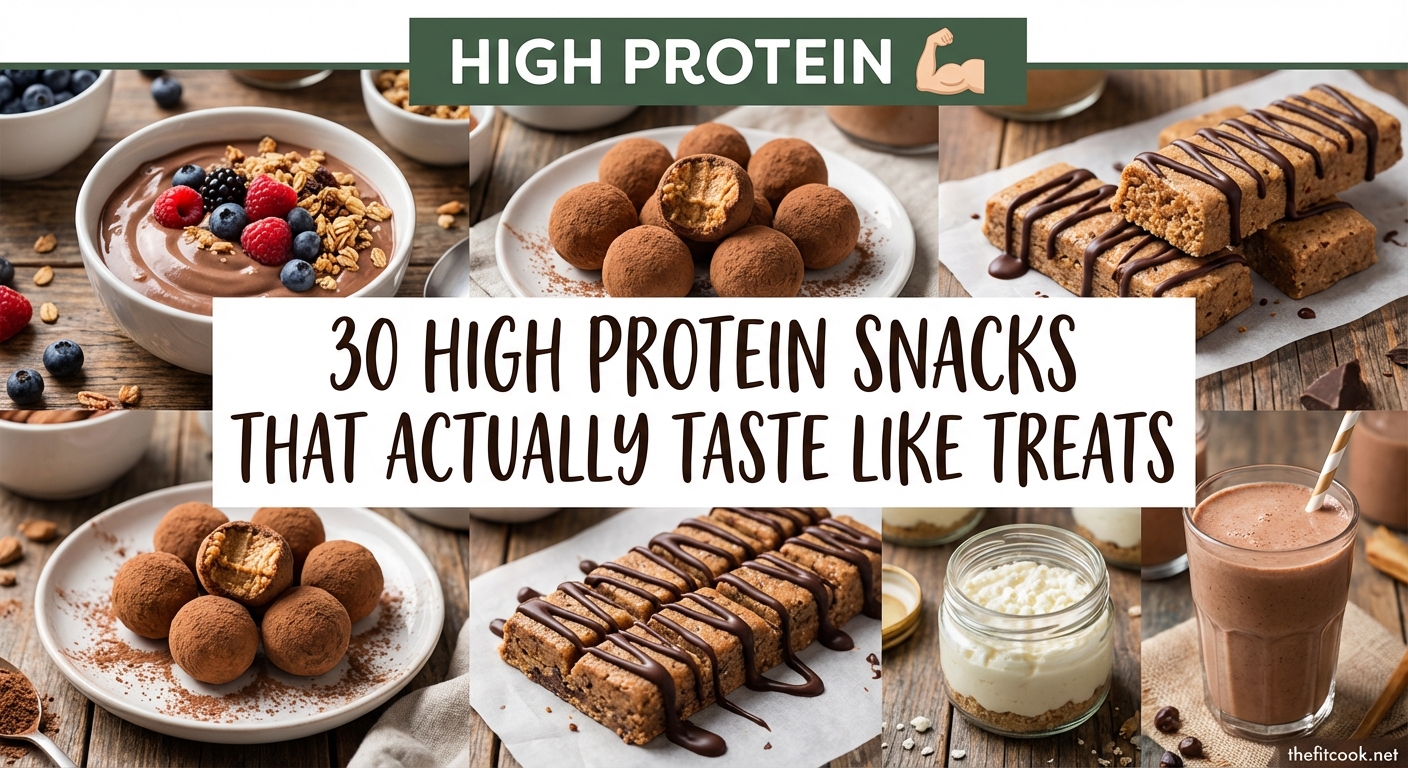
30 High Protein Snacks That Actually Taste Like Treats
Protein keeps you full longer, helps build muscle, and stops you from reaching for that third cookie at 3 p.m. But let’s be honest: most protein snacks taste like cardboard wrapped in disappointment. The good news? You don’t have to choose between hitting your macros and actually enjoying what you eat.
High protein snacks deliver 10 to 30 grams of protein per serving while tasting like real food. They stabilize blood sugar, reduce cravings, and support muscle recovery. The best options combine protein with healthy fats or fiber to keep you satisfied between meals. Whether you prefer savory jerky or sweet yogurt parfaits, these snacks fit busy schedules without sacrificing flavor or nutrition.
Why Protein Matters for Snacking
Your body uses protein differently than carbs or fats. It takes longer to digest, which means you stay full for hours instead of minutes. That’s why a handful of almonds keeps you satisfied while a granola bar leaves you hungry 30 minutes later.
Protein also helps maintain muscle mass, especially if you’re active or trying to lose weight. When you cut calories without enough protein, your body breaks down muscle tissue for energy. That slows your metabolism and makes it harder to reach your goals.
The magic number for most people is 20 to 30 grams of protein per snack. That’s enough to trigger muscle protein synthesis and keep hunger at bay until your next meal. Athletes and highly active people might need more, while smaller individuals might do fine with 15 grams.
Best Store Bought Options
Sometimes you need to grab something fast. These shelf stable picks deliver solid protein without weird ingredients or sky high sugar counts.
Beef Jerky and Meat Sticks
A one ounce serving of quality beef jerky packs around 9 grams of protein. Look for brands with minimal ingredients: beef, salt, and spices. Skip the ones loaded with corn syrup or MSG.
Grass fed options taste better and offer more omega 3 fatty acids. Turkey and bison jerky work just as well if you prefer leaner options. Meat sticks are equally portable and usually come in 10 gram protein servings.
Greek Yogurt
Plain Greek yogurt delivers 15 to 20 grams of protein per cup. The thick, creamy texture comes from straining out excess whey, which concentrates the protein.
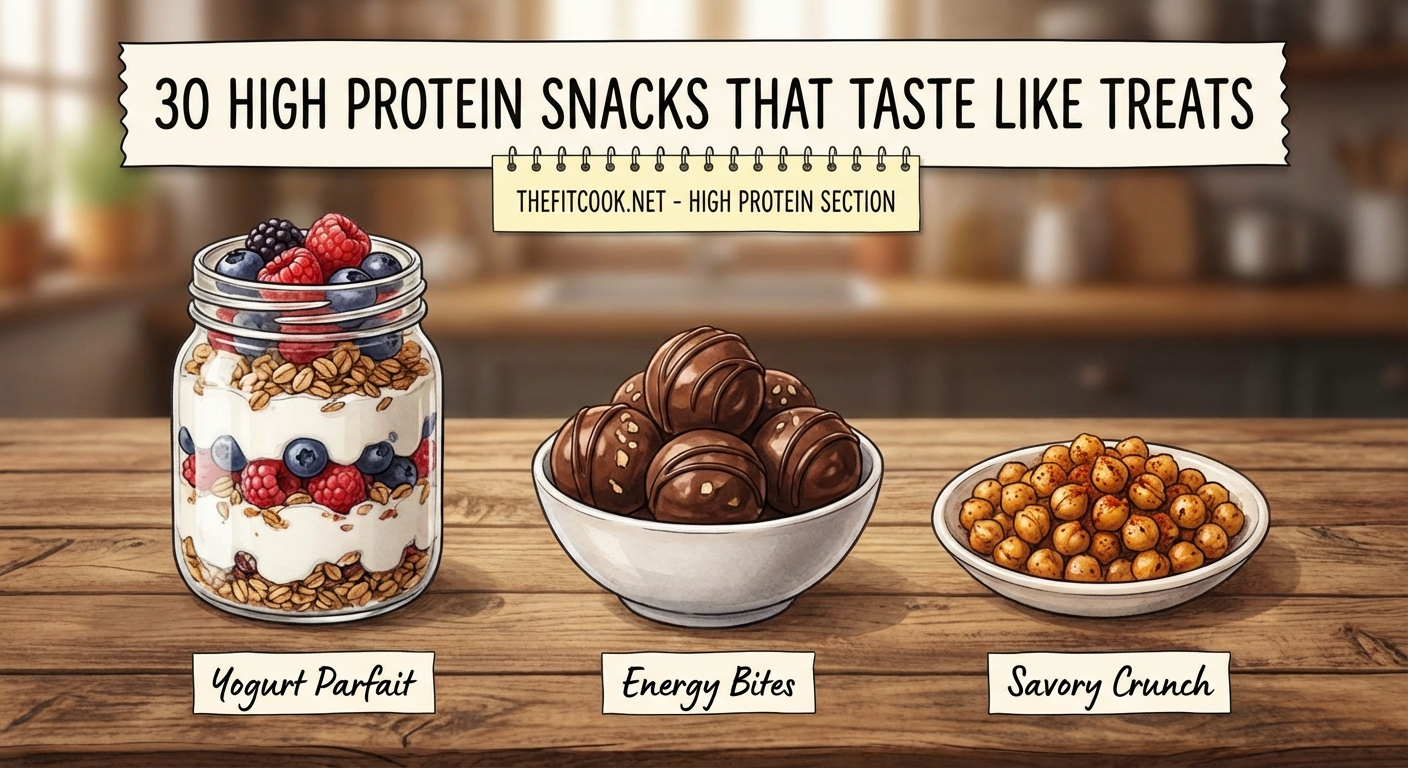
Add your own toppings instead of buying flavored versions. Fresh berries, a drizzle of honey, and some granola turn it into a parfait that tastes like dessert. Cinnamon and a few dark chocolate chips work too.
Full fat versions keep you fuller longer. The fat slows digestion and helps your body absorb fat soluble vitamins from any fruit you add.
Protein Bars
Not all protein bars are created equal. Many are candy bars in disguise, loaded with sugar alcohols that cause digestive issues.
Look for bars with at least 15 grams of protein and less than 10 grams of sugar. The ingredient list should be short and readable. Dates, nuts, and whey protein isolate are good signs. Avoid bars with more than 5 ingredients you can’t pronounce.
Texture matters. Some bars are chewy, others are crunchy. Try different brands to find what you actually want to eat, not just tolerate.
Roasted Chickpeas
These crunchy legumes deliver 6 grams of protein and 5 grams of fiber per half cup. You can buy them pre seasoned or make your own.
The fiber content is a bonus. It slows digestion even more and feeds the good bacteria in your gut. Ranch, barbecue, and sea salt flavors are common, but you can find everything from sriracha to cinnamon sugar.
They’re lighter than nuts, so you can eat more volume for fewer calories. That makes them perfect when you want something to munch on during a long meeting or road trip.
Homemade Protein Packed Snacks
Making your own snacks gives you total control over ingredients and flavors. These recipes are simple enough for beginners but satisfying enough to become weekly staples.
No Bake Protein Energy Bites
These take 10 minutes to make and last a week in the fridge.
- Mix 1 cup rolled oats, half cup peanut butter, third cup honey, and half cup protein powder in a bowl.
- Add chocolate chips, dried fruit, or coconut flakes if you want.
- Roll into balls about an inch wide and refrigerate for at least 30 minutes.
Each bite has around 5 grams of protein. Eat two or three for a solid snack. The oats add fiber, the peanut butter provides healthy fats, and the protein powder bumps up the macros.
You can swap almond butter for peanut butter or use maple syrup instead of honey. Vanilla or chocolate protein powder both work. Make a big batch on Sunday and grab them all week.
Hard Boiled Eggs with Everything Seasoning
One large egg contains 6 grams of protein and all nine essential amino acids. Hard boil a dozen at the start of the week.
Peel two eggs, slice them in half, and sprinkle with everything bagel seasoning. The sesame seeds, garlic, and onion make them taste way better than plain eggs with salt.
You can also mash them with a little Greek yogurt and mustard for a protein rich egg salad. Spread it on whole grain crackers or stuff it into a bell pepper half.
Turkey and Cheese Roll Ups
Three ounces of deli turkey has about 18 grams of protein. Add a slice of cheese for another 7 grams.
Lay out a slice of turkey, place a cheese stick or slice on one end, and roll it up. Add a pickle spear, some mustard, or a few spinach leaves before rolling if you want more flavor.
These are mess free and take seconds to assemble. Make several at once and store them in the fridge for grab and go convenience.
Cottage Cheese Bowl
Cottage cheese is underrated. A cup of the low fat version has 28 grams of protein, making it one of the most protein dense foods you can buy.
The texture turns some people off, but mixing in toppings helps. Try these combinations:
- Cherry tomatoes, cucumber, and black pepper for a savory option
- Pineapple chunks and a sprinkle of cinnamon for something sweet
- Sliced peaches and a handful of granola for crunch
Blending cottage cheese makes it smooth and creamy. Use it as a base for protein pancakes or mix it with cocoa powder and a little honey for a chocolate mousse style treat.
Savory Snacks That Hit Different
Sometimes you crave salt and crunch, not sweetness. These options satisfy that need while keeping protein high.
Tuna Packets
Single serve tuna pouches are genius. They don’t need refrigeration until opened, and most brands pack 16 to 20 grams of protein per pouch.
Mix tuna with a little mayo, lemon juice, and diced celery. Eat it with whole grain crackers or stuff it into a halved avocado. The healthy fats in the avocado pair perfectly with lean tuna.
Flavored varieties like lemon pepper or sriracha save you from adding seasonings. Just rip open the pouch and eat it straight or mix it with a little Greek yogurt for extra creaminess.
Edamame
One cup of shelled edamame contains 17 grams of protein and 8 grams of fiber. You can buy it frozen and steam it in minutes.
Sprinkle with coarse sea salt or try chili lime seasoning for a kick. Some stores sell dry roasted edamame that’s crunchy like nuts but with more protein and less fat.
It’s one of the few plant based snacks that delivers complete protein. That means it has all the essential amino acids your body can’t make on its own.
Protein Smoothies
Blend one scoop of protein powder with frozen fruit, a handful of spinach, and your choice of milk. You’ll get 20 to 25 grams of protein in a drinkable form.
The frozen fruit makes it thick and creamy without needing ice cream. Banana and berries are classic, but mango and pineapple work too. The spinach adds nutrients without changing the flavor.
Use unsweetened almond milk to keep calories low or whole milk for more staying power. Add a tablespoon of nut butter or a quarter avocado for healthy fats that slow digestion.
Roasted Pumpkin Seeds
A quarter cup of pumpkin seeds has 10 grams of protein plus magnesium, zinc, and iron. Roast them yourself for the freshest flavor.
Toss raw seeds with a little olive oil and your favorite spices. Spread them on a baking sheet and roast at 300 degrees for 30 to 40 minutes, stirring every 10 minutes.
Try smoked paprika and garlic powder for a smoky flavor or cinnamon and a tiny bit of maple syrup for something sweet. They stay crunchy for weeks in an airtight container.
Sweet Treats That Pack Protein
You don’t have to give up dessert to hit your protein goals. These options taste indulgent while supporting your nutrition plan.
Protein Pancakes
Mix one mashed banana, two eggs, and a scoop of protein powder. Cook like regular pancakes on a non stick skillet.
Each pancake has about 8 grams of protein. Top with Greek yogurt instead of syrup for even more. Fresh berries and a drizzle of almond butter make it feel like a special breakfast, but it works just as well for an afternoon snack.
The banana adds natural sweetness and helps bind everything together. You don’t need flour, which keeps the carb count lower and makes them gluten free.
Chia Pudding
Chia seeds absorb liquid and turn into a pudding like texture. Mix 3 tablespoons of chia seeds with 1 cup of milk and let it sit overnight.
Add a scoop of protein powder before refrigerating to boost the protein from 6 grams to over 25. Vanilla protein powder works best for sweet versions.
Top with fresh fruit, a spoonful of nut butter, or some unsweetened coconut flakes. The omega 3 fatty acids in chia seeds support heart health and reduce inflammation.
Protein Ice Cream
Freeze two ripe bananas, then blend them in a food processor until smooth and creamy. Add a scoop of chocolate or vanilla protein powder and blend again.
The result tastes like soft serve ice cream but has 20 grams of protein per serving. Add a tablespoon of cocoa powder for double chocolate or mix in some peanut butter for a Reese’s vibe.
Eat it immediately for soft serve texture or refreeze for an hour if you prefer it firmer. It stays good in the freezer for up to a month.
Apple Slices with Nut Butter
One medium apple plus 2 tablespoons of almond or peanut butter gives you around 8 grams of protein and plenty of fiber.
The combination of sweet, crunchy apple with creamy, salty nut butter hits multiple taste preferences at once. It’s simple but satisfying.
Choose natural nut butters with just nuts and maybe salt. Avoid versions with added sugar or hydrogenated oils. The healthy fats in nut butter help your body absorb the vitamins in the apple.
Portable Options for Busy Days
Life gets hectic. These snacks travel well and don’t need refrigeration or utensils.
String Cheese and Almonds
One string cheese stick has 6 to 8 grams of protein. Pair it with a small handful of almonds for another 6 grams plus healthy fats.
This combo fits in any bag and won’t get crushed or leak. The fat in both foods keeps you full for hours, making it perfect for long commutes or between meetings.
Choose low moisture mozzarella for the best texture. Smoked versions add extra flavor without extra calories.
Protein Muffins
Bake a batch of protein muffins on Sunday and grab them all week. Use protein powder in place of some flour to bump up the macros.
Mix 1 cup oat flour, 1 scoop protein powder, 2 eggs, half cup Greek yogurt, and a mashed banana. Add blueberries, chocolate chips, or chopped nuts. Bake at 350 degrees for 18 to 20 minutes.
Each muffin has around 10 grams of protein. They freeze well, so make a double batch and thaw them as needed.
Canned Salmon
Small cans of wild caught salmon pack 20 grams of protein and omega 3s. Mix with a little mayo and lemon juice, then eat with whole grain crackers.
The bones in canned salmon are soft and edible. They add calcium and make the texture creamier. If that weirds you out, look for boneless skinless versions.
Smoked salmon varieties taste less fishy and work well on cucumber slices or rice cakes. Keep a few cans in your desk drawer for emergency protein.
Peanut Butter Protein Balls
Similar to energy bites but with a higher protein ratio. Mix half cup peanut butter, third cup protein powder, and 2 tablespoons honey.
Roll into balls and coat with crushed nuts, coconut flakes, or cocoa powder. Each ball has about 7 grams of protein.
They don’t need refrigeration for a day or two, making them perfect for travel. Pack them in a small container and toss it in your bag.
Common Mistakes to Avoid
Even with good intentions, it’s easy to sabotage your snacking strategy. Here’s what to watch out for.
| Mistake | Why It’s a Problem | Better Approach |
|---|---|---|
| Eating protein bars with 20+ grams of sugar | Spikes blood sugar and causes crashes | Choose bars with less than 10 grams of sugar |
| Relying only on protein powder | Missing out on fiber and micronutrients | Combine powder with whole foods like fruit and oats |
| Skipping fat completely | Protein alone doesn’t satisfy hunger | Add nuts, avocado, or cheese for staying power |
| Not planning ahead | Leads to vending machine choices | Prep snacks on Sunday for the whole week |
| Eating too much too fast | Stomach can only absorb about 30 grams at once | Spread protein throughout the day |
Timing Your Protein Intake
When you eat protein matters almost as much as how much you eat. Your body uses it more efficiently when spread across the day.
Aim for protein every 3 to 4 hours. That keeps your blood sugar stable and prevents the energy crashes that lead to poor food choices.
Post workout snacks should include protein within 30 to 60 minutes of finishing. Your muscles are primed to absorb nutrients during this window. A protein shake or Greek yogurt with fruit works perfectly.
Before bed, a slow digesting protein like cottage cheese or casein powder helps your muscles recover overnight. You’re fasting for 7 to 8 hours while you sleep, so giving your body amino acids before that fast helps maintain muscle mass.
“Most people front load protein at dinner and skimp during the day. Spreading it out helps with muscle protein synthesis and keeps hunger in check. Aim for 20 to 30 grams at each meal and snack, not 80 grams at dinner and 10 at breakfast.” – Registered Dietitian
Plant Based Protein Sources
You don’t need animal products to hit your protein targets. These plant based options work just as well.
Tempeh
This fermented soy product has 15 grams of protein per half cup. It’s firmer than tofu and has a nutty, slightly earthy flavor.
Slice it thin, marinate in soy sauce and garlic, then pan fry until crispy. It makes a great bacon substitute or a crunchy topping for salads.
The fermentation process makes it easier to digest than regular soybeans. It also adds probiotics that support gut health.
Lentils
One cup of cooked lentils delivers 18 grams of protein and 16 grams of fiber. They cook faster than most beans and don’t need soaking.
Make a big batch and store them in the fridge. Add them to salads, mix them with rice, or blend them into hummus. Red lentils break down into a creamy texture that works well in dips.
Hemp Seeds
Three tablespoons of hemp seeds have 10 grams of complete protein. They taste nutty and slightly sweet.
Sprinkle them on yogurt, oatmeal, or salads. Blend them into smoothies for extra protein without changing the flavor. They also contain omega 3 and omega 6 fatty acids in the ideal ratio.
Nutritional Yeast
This deactivated yeast has a cheesy, savory flavor and packs 8 grams of protein per quarter cup. It’s also loaded with B vitamins.
Sprinkle it on popcorn, stir it into soups, or mix it with cashews and garlic to make a vegan cheese sauce. It’s shelf stable and lasts for months.
Making Protein Snacks Kid Friendly
Getting kids to eat protein can be tricky. These strategies help without resorting to processed junk.
Ants on a Log 2.0
The classic celery, peanut butter, and raisins combo still works. Upgrade it by using almond butter and swapping raisins for dried cranberries or dark chocolate chips.
Let kids assemble their own. They’re more likely to eat something they helped make. Offer different nut butters and toppings so they can customize.
Protein Smoothie Popsicles
Blend protein powder with fruit and milk, pour into popsicle molds, and freeze. Kids think they’re getting a treat, but they’re actually getting 10 grams of protein.
Use silicone molds for easy removal. Add a few chocolate chips or fruit chunks before freezing for surprise bites.
Mini Turkey Meatballs
Mix ground turkey with an egg, breadcrumbs, and Italian seasoning. Roll into small meatballs and bake.
Each meatball has about 3 grams of protein. Kids can eat them plain, dip them in marinara, or pop them in their mouths like popcorn.
Make a big batch and freeze them. Reheat in the microwave for a protein boost that takes 30 seconds.
Budget Friendly Protein Strategies
Protein doesn’t have to be expensive. These tips help you get more for less.
Buy whole chickens and roast them yourself instead of buying pre cooked rotisserie versions. You’ll get more meat for less money, plus bones for making broth.
Eggs are the cheapest complete protein. A dozen costs a few dollars and gives you 72 grams of protein. Hard boil them, scramble them, or bake them into muffins.
Canned tuna and salmon cost less than fresh and last for years in your pantry. Stock up when they’re on sale.
Dried beans and lentils are dirt cheap. A pound costs less than a protein bar and provides multiple servings. Cook a big pot on Sunday and use them all week.
Plain Greek yogurt in large containers costs less per ounce than single serve cups. Portion it yourself and add your own toppings.
Snacks That Support Different Goals
Your protein needs change based on what you’re trying to accomplish. Here’s how to adjust.
For Weight Loss
Focus on high protein, high fiber snacks under 200 calories. The combination keeps you full without adding too many calories.
Try cucumber slices with tuna salad, a hard boiled egg with hot sauce, or roasted chickpeas. These fill you up without triggering cravings for more food.
For Muscle Gain
You need more calories and protein. Aim for snacks in the 300 to 400 calorie range with at least 20 grams of protein.
Protein smoothies with nut butter, Greek yogurt parfaits with granola, or turkey and cheese sandwiches on whole grain bread all work well.
For Endurance Athletes
Combine protein with carbs to refuel glycogen stores. A 3 to 1 ratio of carbs to protein works best.
Try chocolate milk, a banana with peanut butter, or a protein bar with dried fruit. The carbs restore energy while protein helps repair muscle damage.
For Vegetarians
Focus on complete plant proteins or combine incomplete proteins to get all essential amino acids.
Hummus with whole grain pita, edamame with brown rice crackers, or a smoothie with hemp seeds and almond butter all provide complete protein profiles.
Building Your Snack Rotation
Variety prevents boredom and ensures you get different nutrients. Build a rotation of 10 to 15 snacks you actually like.
Pick 3 sweet options, 3 savory options, and 3 portable options. Rotate through them so you’re not eating the same thing every day.
Prep what you can on Sunday. Hard boil eggs, portion out nuts and seeds, make energy bites, and wash and cut vegetables.
Keep backup options in your pantry. Protein bars, jerky, and nut butter packets save you when you forget to prep or run out of fresh options.
Listen to your body. If you’re craving something crunchy, eat roasted chickpeas or nuts. If you want something cold and creamy, reach for Greek yogurt or cottage cheese.
Protein Snacks That Feel Like Comfort Food
Healthy eating doesn’t mean giving up foods that make you happy. These options satisfy emotional cravings while supporting your goals.
Protein Pizza Bites
Top whole grain English muffin halves with marinara, mozzarella, and turkey pepperoni. Broil for 3 minutes.
Each half has about 12 grams of protein and tastes like pizza. Make several at once and reheat them when you need a savory, satisfying snack.
Chocolate Protein Mug Cake
Mix 1 scoop chocolate protein powder, 1 egg, and 2 tablespoons milk in a mug. Microwave for 60 seconds.
You get a warm, cake like treat with 25 grams of protein. Top with a dollop of Greek yogurt or a few berries.
Buffalo Chicken Celery Boats
Mix shredded rotisserie chicken with buffalo sauce and a little Greek yogurt. Spoon into celery sticks.
The spicy, tangy flavor satisfies wing cravings without the deep fried calories. Each boat has around 5 grams of protein.
Staying Consistent Without Burnout
The best snack plan is one you can stick with long term. Perfection isn’t the goal. Consistency is.
Allow yourself treats that aren’t high protein sometimes. One cookie won’t ruin your progress. Trying to be perfect leads to burnout and giving up completely.
Find protein sources you genuinely enjoy. If you hate Greek yogurt, don’t force yourself to eat it because it’s healthy. Try cottage cheese, protein shakes, or hard boiled eggs instead.
Prep when you have energy, not when you’re already tired and hungry. Sunday afternoon works for most people, but maybe Wednesday evening is better for you.
Track your protein for a week to see where you stand. You might be getting more than you think, or you might discover you’re way short. Awareness helps you make better choices.
Fueling Your Day the Right Way
Protein snacks aren’t about restriction or suffering through bland food. They’re about giving your body what it needs to feel good and perform well.
Start with one or two new snacks this week. See how they make you feel. Notice if you stay full longer or have more energy. Pay attention to which flavors and textures you actually look forward to eating.
Your snack choices add up over time. Small, consistent improvements beat dramatic overhauls that only last a week. Find what works for your schedule, your taste preferences, and your goals. Then make it a habit, not a chore.