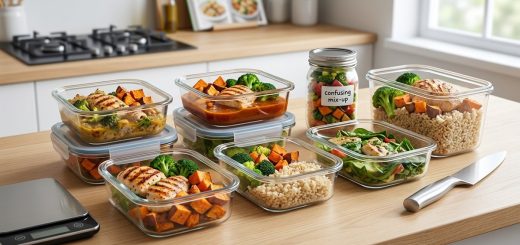
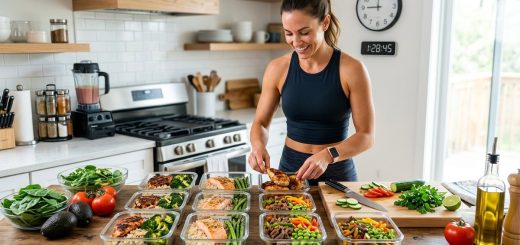
7 High-Protein Meal Prep Containers That Lock in Freshness for a Full Work Week
You have been through it. You spent Sunday afternoon cooking a week’s worth of lean chicken, roasted veggies, and quinoa. You portioned everything into containers. By Wednesday, the chicken is dry, the veggies are sad, and that one container has a mysterious smell. The culprit is almost never the recipe. It is almost always the container.
Your meal prep containers are the gatekeepers of freshness. If they do not seal properly, if they crack in the microwave, or if they let air in, your hard work goes to waste. The best meal prep containers do more than hold food. They lock in moisture, prevent leaks, and keep your high-protein meals tasting great from Monday to Friday. Choosing the right ones saves you money, reduces food waste, and keeps you on track with your nutrition goals.
The best meal prep containers for 2026 seal tightly, survive the microwave and dishwasher, and come in sizes that match your macro goals. Glass containers last longer and reheat evenly, while high-quality plastic options are lighter for the gym bag. Look for leak-proof lids, stackable shapes, and materials that resist stains and odors. Your containers should work as hard as you do.
What to Look for in a Meal Prep Container
Not all containers are created equal. A cheap takeout container will not keep your grilled chicken fresh for five days. You need specific features that match how you actually use them.
- Airtight seal. This is non-negotiable. A lid that clicks or snaps shut creates a barrier against air and bacteria. If you can smell last night’s dinner through the lid, the seal is failing.
- Material that matches your routine. Glass is heavy but reheats beautifully. Plastic is lightweight but can stain and warp. Silicone is flexible but not always rigid enough for stacking.
- Size variety. You need smaller containers for snacks and sides, larger ones for main dishes. A good set gives you options.
- Dishwasher and microwave safe. If you have to hand-wash every lid, you will stop using them. Look for containers that can handle the heat and the spray.
- Stackable design. Square and rectangular shapes use fridge space better than round ones. They stack neatly and stay put.
Glass vs. Plastic: Which Is Better for High-Protein Meal Prep?
This is the biggest debate in meal prep. Both materials have strengths, and the right choice depends on your lifestyle.
| Feature | Glass Containers | Plastic Containers |
|---|---|---|
| Durability | Last for years, no staining | Can warp or crack over time |
| Reheating | Even heat, no chemical leaching | Can melt if not microwave-safe |
| Weight | Heavy, not ideal for carrying | Lightweight, great for gym bags |
| Stain and odor resistance | Excellent, no lingering smells | Can hold tomato sauce or curry odors |
| Cost | Higher upfront cost | Lower upfront cost |
| Freezer safety | Safe, but can break if thermal shocked | Safe, but can become brittle |
If you meal prep mostly for home, glass is the winner. If you pack lunches for the office or the gym, a set of high-quality plastic containers might serve you better. Many people keep both.
The 3-Step System for Choosing Your Perfect Container
Follow this process to narrow down your options without getting overwhelmed.
- Count your meals. How many lunches and dinners do you prep each week? Multiply by the number of compartments you need. A week of five lunches means at least five main containers.
- Measure your portions. Do you eat 6 ounces of chicken with 1 cup of rice? Look for containers around 24 to 32 ounces. For snacks or sides, 8 to 16 ounces works well. Match the size to your macros so you are not guessing.
- Test your routine. Think about where the container will spend most of its time. Is it in a fridge, a microwave, a dishwasher, or a gym bag? Pick the material that fits that environment. A glass container is perfect for the office microwave. A plastic one is better for a crowded backpack.
Common Mistakes That Ruin Your Meal Prep Freshness
Even the best meal prep containers cannot fix bad habits. Here are the most common errors and how to avoid them.
| Mistake | Why It Hurts Freshness | The Fix |
|---|---|---|
| Putting hot food in a sealed container | Steam creates condensation, making food soggy | Let food cool completely before sealing |
| Using lids that do not snap shut | Air gets in, food dries out faster | Test the seal before buying |
| Overfilling containers | Lids pop open, leaks happen | Leave at least half an inch of headspace |
| Storing containers on their side | Liquids seep past the seal | Keep them upright in the fridge |
| Reusing single-use plastic containers | They crack, warp, and leach chemicals | Invest in reusable containers made for meal prep |
Expert advice from The Fit Cook: “Never trust a lid that does not click. If you have to push down on the center to feel it seal, it will fail by day three. The best containers have a four-latch locking system that you can hear close. That sound is your guarantee of freshness.”
How to Keep Your Containers in Top Shape
Your containers need care too. A cracked lid or a warped base defeats the purpose of buying quality gear.
- Wash lids on the top rack of the dishwasher only. The heating element on the bottom can warp plastic lids over time.
- Do not stack glass containers when they are hot. Thermal shock can cause cracks.
- Remove rubber gaskets from lids before washing if possible. Food gets trapped underneath and causes odors.
- Store lids separately or with the container slightly open to prevent mold growth.
If you follow these steps, a good set of containers should last you two to three years. That is a lot of fresh chicken, rice bowls, and meal prep success stories.
Matching Containers to Your Meal Prep Style
Your meal prep style influences which containers work best. Here is how to match them.
- If you batch cook on Sundays. You need large containers for storing bulk ingredients like cooked rice, roasted vegetables, or shredded chicken. Look for 4-cup or larger rectangular containers that stack in the fridge.
- If you portion individual meals. Single-serving containers in the 24 to 32 ounce range are your best friend. They make grab-and-go effortless.
- If you track macros. Containers with clear measurement markings on the side help you portion without dirtying extra measuring cups.
- If you pack for the gym or office. Leak-proof is critical. No one wants dressing on their gym bag. A two-compartment container keeps wet and dry foods separate until you are ready to eat.
For a deeper look at building a full meal prep system that works with your containers, check out our how to meal prep like a pro complete Sunday prep guide for beginners.
Your Freshness Checklist for a Full Work Week
Before you close the fridge on Sunday night, run through this list.
- Every container has a fully sealed lid. No gaps.
- Food is completely cool before sealing. No steam inside.
- Containers are stored upright, not stacked on their sides.
- Lids are clean and free of food debris.
- You have labeled containers with the day of the week if you are prepping for specific days.
The One Container Rule That Changes Everything
Here is the single most important thing to remember. The best meal prep container is the one you will actually use. If it is too heavy to carry, you will leave it at home. If it is too hard to clean, you will let it sit in the sink. If it does not fit in your fridge, it is useless.
Buy a small set first. Test them for two weeks. See what works and what does not. Then invest in a full set that matches your real habits, not your ideal ones.
Keeping Your Prep Fresh from Monday to Friday
The best meal prep containers in 2026 are the ones that respect your time and your food. They keep your high-protein meals tasting fresh. They survive the microwave without leaching chemicals. They stack neatly and clean easily. And they give you one less thing to worry about during a busy week.
Your Sunday cooking deserves better than a container that gives up by Wednesday. Invest in the right gear, and your future self will thank you every time you open that fridge and see a week of fresh, delicious meals waiting for you. For more tips on making your meals last longer, read our guide on why your meal prep goes bad after 3 days and how to fix it.
Now go prep with confidence. Your containers have your back.