How to Build a Meal Prep Routine That Actually Sticks (No More Food Waste)
You have been there. On Sunday, you buy a bag of spinach, a bundle of broccoli, and a pack of chicken breasts with the best intentions. By Thursday, the spinach is slimy, the broccoli is limp, and that chicken? It smells off. So you toss it all and order takeout. The cycle repeats. You’re not alone. Americans waste an estimated 30 to 40 percent of the food supply every year, and much of that happens in home kitchens. The good news? You can stop that cycle with a meal prep routine that actually sticks. Not a rigid system that burns you out, but a flexible approach that saves money, time, and your sanity. Let me show you how.
Building a meal prep routine that avoids food waste is simpler than you think. It starts with a smart grocery list based on overlapping ingredients, not random buys. Then you store produce to maximize freshness, batch cook versatile components instead of full meals, and use your freezer as a strategic tool. With these steps, you will cut waste, save an average of $1,300 a year, and enjoy delicious homemade meals every day.
Why Your Current Approach Creates Waste
Most people treat meal prep like a chore. They pick five random recipes, buy every ingredient listed, cook everything on Sunday, and then wonder why Tuesday’s quinoa bowl tastes like cardboard. The real problem is disconnection. You buy ingredients without a plan for their lifespan. You cook meals that don’t share building blocks. And you never factor in how your schedule changes midweek.
The fix is a routine designed around use it up, cook it smart, freeze the rest. This method works because it respects the way food spoils and the way you actually eat.
The 5 Step Routine That Ends Food Waste
Here is the exact process I follow every week. It takes about two hours total, including planning and cooking. You can adapt it to your own eating style.
-
Audit your fridge and pantry first. Before you write a single shopping list item, open your fridge and cabinets. What needs to be eaten today or tomorrow? That half-used bell pepper, the bunch of kale starting to wilt, the leftover cooked quinoa. Build your weekly meals around these items. You will save money and use what you already paid for. This step alone cuts waste by at least 30 percent.
-
Choose recipes that share ingredients. Pick two or three dinner recipes that use overlapping ingredients. For example, if you buy a bunch of cilantro, use it in a chicken marinade, a black bean salad, and as a garnish for tacos. Avoid recipes that call for a single teaspoon of a specialty herb you will never use again. When you plan this way, you buy less total food and waste almost nothing. Check out our how to meal prep an entire week of lunches in under 2 hours for a real example of ingredient overlapping.
-
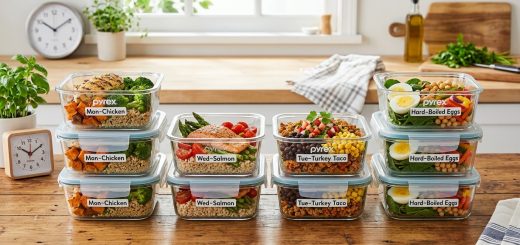
Prep components, not full meals. Do not cook every meal from start to finish. Instead, batch cook building blocks. Grill a pound of chicken thighs, roast a sheet pan of mixed vegetables, cook a big batch of brown rice, and make one versatile sauce. During the week, you combine these components into different meals. A roasted veggie bowl one night, a chicken and rice wrap the next, a stir fry with the same sauce. This approach keeps food interesting and prevents the dreaded leftovers fatigue. For more on this method, see our Sunday meal prep blueprint: 3 hours to a week of clean eating success.
-
Store ingredients by how they spoil. Use the wrong storage method and your produce wilts in days. Leafy greens stay fresh longer when wrapped in a paper towel inside a sealed container. Asparagus lasts a week if you trim the ends and stand them in a glass of water with a bag over the top. Berries should stay unwashed until you eat them. Mushrooms belong in a paper bag, not plastic. These small changes add days of shelf life. Our guide on why your meal prep goes bad after 3 days (and how to fix it) covers all the storage science.
-
Freeze strategically, not desperately. Do not wait until food is about to spoil to freeze it. Freeze ingredients at their peak freshness. Chop fresh herbs, put them in an ice cube tray with olive oil, and pop them into soups later. Freeze cooked grains in single serving bags. Portion raw chicken into freezer bags with marinade already inside. When you freeze with intention, you create a backup supply for busy weeks instead of a graveyard of forgotten leftovers. The ultimate macro-friendly freezer meal prep guide for beginners will walk you through the best freezing techniques.
Common Mistakes and Their Solutions
To make this routine stick, you need to avoid the traps that send most people back to takeout. Here is a table of the biggest mistakes and how to fix them.
| Mistake | Why It Wastes Food | The Fix |
|---|---|---|
| Buying in bulk without a plan | You overestimate how much you will cook. Produce rots before you use it. | Buy only what you need for the week. Bulk works for non perishables like oats or rice, not for fresh produce. |
| Prepping all meals on Sunday | Your plans change. You eat out Wednesday and the Thursday meal goes bad. | Prep only 3 days of fully cooked meals. Prep components for the rest. Leave Friday flexible. |
| Using the same recipe twice | Boredom leads to ordering pizza. The leftover ingredients sit unused. | Rotate proteins and cuisines. Use a core set of staple vegetables and swap the seasoning. |
| Ignoring the freezer | Leftovers pile up in the fridge and grow mold. | Freeze any cooked meal that you won’t eat within 3 days. Label with date and contents. |
Tools That Make the Routine Effortless
You do not need a restaurant kitchen to execute this. A few quality tools will keep your food fresh and your prep time low.
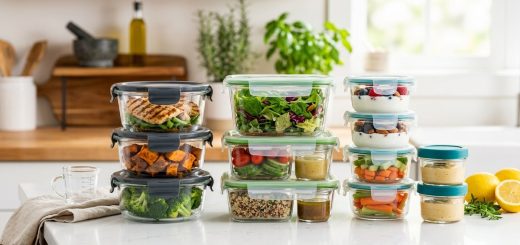
- Airtight glass containers. They do not stain, they stack neatly, and they go from fridge to microwave to dishwasher. Glass also does not absorb smells like plastic does.
- Mason jars for salad prep. Assemble salads in layers: dressing on the bottom, then hearty vegetables, then greens on top. When you are ready to eat, shake and pour. No soggy lettuce.
- A digital food scale. When you portion your meals, you avoid cooking too much. A scale also helps you track macros if that is your goal.
- Freezer safe silicone bags. They are reusable, they lay flat in the freezer, and they seal airtight. Perfect for marinating meat or storing soups.
A Sample Week to Get You Started
Let me walk you through one real week using this routine.
Saturday evening (20 minutes): Audit fridge. You have half an onion, a container of cherry tomatoes about to wrinkle, and a block of firm tofu from last week. You decide to make a tofu and vegetable stir fry Monday, and a tomato based pasta sauce Tuesday. Write a short grocery list: bell peppers, garlic, spinach, chicken thighs, brown rice, canned chickpeas, lemons, and cilantro.
Sunday morning (1.5 hours): Grill all the chicken thighs with a simple lemon garlic marinade. Roast a sheet pan of bell peppers, onion, and tomatoes. Cook a big batch of brown rice. Make a cilantro lime dressing. Chop the spinach and store it with a paper towel.
Monday: Stir fry the tofu with leftover roasted veggies and some of the rice. Use half the cilantro lime dressing.
Tuesday: Pasta sauce from roasted tomatoes and onion, served with half the chicken thighs. Spinach on the side.
Wednesday: Chicken and rice bowls with remaining chicken, spinach, fresh bell pepper slices, and the last of the dressing.
Thursday: Use the canned chickpeas to make a quick curry with the leftover cilantro. Serve over remaining rice.
Friday: You eat out. The fridge is essentially empty except for a few lemons. You have used every ingredient you bought. Zero waste.
Expert Advice: “The best meal prep routine is the one you will actually do. Do not aim for perfection. Aim for progress. If you prep just one extra meal per week and eat it instead of ordering delivery, you are already saving food and money.” – The Fit Cook Team
Building a Habit That Lasts
The biggest barrier to a consistent meal prep routine is not lack of time. It is lack of a system. When you follow the five steps above, you transform meal prep from a Sunday chore into a seamless part of your week. The food waste stops. The grocery bill drops. And you finally eat the healthy meals you intended to eat.
Start small. Pick one of the five steps and apply it this week. Next week, add another. Before you know it, you will wonder how you ever lived without this routine. Your wallet, your fridge, and your taste buds will thank you.
For even more ways to streamline your cooking, check out our efficient meal prep strategies for busy fitness enthusiasts or browse our one pan meal prep recipes that actually taste good reheated. You have got this.