From Processed to Whole Foods: Your 30-Day Clean Eating Transition Plan
Getting started on a healthier lifestyle can feel overwhelming. The good news is that changing your eating habits gradually over a month makes a big difference. A 30-day clean eating plan offers a structured way to ditch processed foods and embrace whole, nourishing ingredients. It’s designed for beginners who want to feel energetic, improve their digestion, and develop lasting habits without feeling deprived. Let’s walk through how to make this journey enjoyable and sustainable.
A 30-day clean eating plan helps reset your habits with simple steps, nourishing recipes, and mindful techniques. It sets a foundation for ongoing health and vitality by focusing on [whole foods](https://www.who.int/news-room/fact-sheets/detail/healthy-diet), cooking methods, and gradual changes that stick long-term.
Why a 30-day plan can be a game changer
Committing to a month of clean eating creates space to reset your palate, boost your energy, and develop healthier habits. It’s manageable because it’s long enough to see real results but short enough to stay motivated. Plus, it reduces the overwhelm by breaking the process into daily and weekly steps. You learn to cook smarter, choose better ingredients, and listen to your body’s needs.
How to prepare for your clean eating journey
Before diving in, it helps to understand what clean eating really means. It’s not about restrictions or deprivation. Instead, it’s about choosing nutrient-dense, minimally processed foods that nourish your body. Think fresh vegetables, fruits, lean proteins, whole grains, nuts, and seeds.
Here’s how to set yourself up for success:
- Plan your meals: Use a simple meal plan that outlines breakfast, lunch, dinner, and snacks for each day. Start with easy recipes that require minimal ingredients.
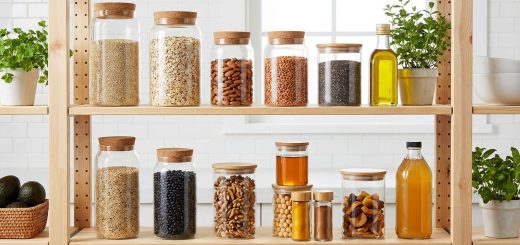
- Stock your kitchen: Fill your pantry and fridge with wholesome staples. Remove or limit processed snacks, sugary drinks, and refined grains.
- Schedule time for cooking: Dedicate a few hours weekly or bi-weekly for meal prep. Batch cooking saves time and ensures you always have healthy options ready.
Step-by-step guide to a successful 30-day clean eating plan
1. Start with the basics
Begin by replacing highly processed foods with whole foods. For example, swap sugary cereals for overnight oats topped with fresh berries or nuts. Replace white bread with whole grain or sprouted bread. Focus on simple swaps that don’t feel overwhelming.
2. Incorporate healthy cooking techniques
Cooking methods can make or break your clean eating goals. Opt for steaming, baking, grilling, or sautéing with minimal oils. These techniques preserve nutrients and keep dishes light and tasty.
Expert tip: “Cooking at home empowers you to control ingredients and portion sizes. Use herbs, spices, and citrus to add flavor without extra calories,” advises nutritionist Lisa M.
3. Build balanced meals
Aim for meals that include a source of lean protein, fiber-rich carbs, healthy fats, and plenty of vegetables. For example, grilled chicken with roasted sweet potatoes and steamed broccoli.
4. Listen to your body
Pay attention to hunger and fullness cues. Eat mindfully and avoid eating out of boredom or stress. Keep a food journal if it helps you stay aware of your habits.
5. Adjust as you go
While sticking to your plan, be flexible. If you crave carbs or sweets, find healthier versions like baked veggie chips or fruit smoothies. The goal is consistency, not perfection.
Techniques to make clean eating easier
| Technique | Common Mistake | Why it works |
|---|---|---|
| Batch cooking | Cooking daily | Saves time and reduces temptations |
| Meal prep containers | Snacking on processed foods | Keeps your meals portable and fresh |
| Using simple recipes | Overcomplicating meals | Ensures consistency and reduces stress |
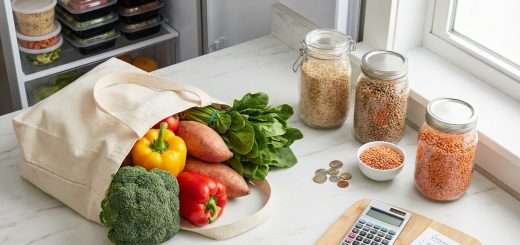
| Keeping a shopping list | Forgetting key ingredients | Prevents impulse buys of processed foods |
| Incorporating variety | Eating the same meals | Prevents boredom and covers different nutrients |
Avoiding common pitfalls
- Skipping meals leads to overeating later. Keep balanced snacks handy.
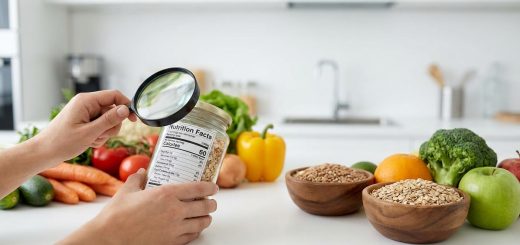
- Relying on packaged foods defeats the purpose. Read labels carefully and choose whole options.
- Not planning ahead can cause last-minute temptations. Prepare a weekly menu.
- Neglecting hydration affects your energy and digestion. Drink plenty of water throughout the day.
- Being too rigid can cause burnout. Allow occasional treats that fit within your overall goals.
Remember, small, consistent steps lead to lasting change. Don’t aim for perfection but progress.
Practical tips to stay on track
- Keep a food diary or use a simple app to track your meals and progress.
- Connect with a friend or join an online community for support and accountability.
- Celebrate non-scale victories like improved sleep, better mood, or increased stamina.
- Use flavorful herbs, spices, and citrus to make meals satisfying without added salt or sugar.
- Be patient. Your taste buds and habits take time to adjust.
Sample weekly structure to guide your first 30 days
| Day | Focus | Sample Meal Ideas |
|---|---|---|
| 1-7 | Clean out your kitchen | Whole grain oats with fruit, grilled chicken salad, roasted veggies with quinoa |
| 8-14 | Focus on breakfast | Veggie omelet, smoothie with spinach and banana, Greek yogurt with nuts |
| 15-21 | Lunch and dinner swaps | Baked salmon with sweet potatoes, stir-fried tofu and vegetables, turkey lettuce wraps |
| 22-30 | Fine-tune your habits | Experiment with new recipes, prep snacks, reflect on progress |
How to keep the momentum beyond 30 days
After completing your initial plan, reflect on what worked well and where you faced challenges. Transition into a maintenance routine by gradually adding back certain foods while keeping core principles. Continue exploring new recipes, cooking techniques, and seasonal ingredients. Remember, clean eating is a lifelong lifestyle, not a temporary diet.
Celebrating Your New Healthy Routine
Taking on a 30-day clean eating plan is about more than just changing what’s on your plate. It’s about nurturing your body, mind, and habits. Celebrate each small victory, like trying a new veggie or cooking a new recipe. Keep your goals realistic and enjoy the process of discovering foods that make you feel good. Over time, these habits become second nature, leading to sustained energy, better mood, and a stronger foundation for your health.
Start small, stay consistent, and be kind to yourself along the way. Your healthier self is waiting just around the corner.