Macro-Friendly Meal Prep: 5 Days of Perfectly Balanced Lunches
Staring at another sad desk lunch while your fitness goals slip further away? You’re not alone. Most people abandon their nutrition plans by Wednesday because meal prep feels overwhelming or their food tastes like cardboard by day three. But macro friendly meal prep doesn’t have to be complicated or bland. With the right approach, you can batch cook balanced meals that actually taste good reheated and keep you on track all week.
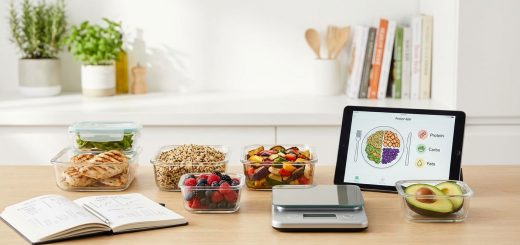
Macro friendly meal prep means preparing balanced meals ahead of time with measured amounts of protein, carbohydrates, and fats that align with your fitness goals. Success comes from choosing recipes that reheat well, using proper storage containers, and prepping components separately to maintain texture and flavor. This approach saves time, reduces decision fatigue, and keeps your nutrition consistent throughout the week without sacrificing taste or variety.
Understanding What Makes Meal Prep Macro Friendly
Macro friendly meal prep isn’t just about cooking in bulk. It’s about creating meals with intentional ratios of protein, carbs, and fats that support your specific body composition goals.
Each meal should contain a measured amount of lean protein, complex carbohydrates, and healthy fats. This balance keeps you full, supports muscle recovery, and provides steady energy throughout your day.
The difference between regular meal prep and macro friendly versions comes down to precision. You’re not just throwing together random healthy foods. You’re building plates that hit specific nutrient targets.
Most people tracking macros aim for these rough ratios:
– Fat loss: 40% protein, 30% carbs, 30% fats
– Muscle building: 30% protein, 45% carbs, 25% fats
– Maintenance: 30% protein, 40% carbs, 30% fats
Your individual needs will vary based on your weight, activity level, and goals. Learning how to calculate your macros for fat loss and muscle gain gives you a personalized starting point.
Why Most Meal Prep Fails By Midweek
Three days in and your containers are still sitting in the fridge untouched. Sound familiar?
The problem usually isn’t your willpower. It’s your method.
Most meal prep failures happen because of these issues:
Texture degradation. Crispy foods turn soggy. Pasta gets mushy. Vegetables become limp and watery.
Flavor fatigue. Eating identical meals five days straight kills your motivation faster than any cheat meal.
Poor portioning. Your Tuesday lunch leaves you starving by 2pm while Wednesday’s portion feels like Thanksgiving dinner.
Inadequate storage. Wrong containers lead to freezer burn, moisture buildup, and cross contamination of flavors.
The solution? Prep components separately instead of full assembled meals. Cook your proteins, carbs, and vegetables individually, then mix and match throughout the week.
This modular approach prevents texture issues and creates variety without extra cooking time. Understanding why your meal prep goes bad after 3 days helps you avoid the most common storage mistakes.
The 5 Step System for Macro Friendly Meal Prep Success
Follow this proven process to prep a full week of balanced meals without losing your mind.
-
Calculate your daily macro targets. Know exactly how many grams of protein, carbs, and fats you need each day. Divide these numbers by your meal frequency to get per meal targets.
-
Choose 2-3 protein sources. Pick lean options that reheat well like chicken breast, ground turkey, white fish, or extra firm tofu. Cook each using different seasonings to prevent flavor fatigue.
-
Select 2-3 carb sources. Focus on complex carbohydrates like sweet potatoes, brown rice, quinoa, or whole grain pasta. These hold up better in storage than simple starches.
-
Prep 3-4 vegetable varieties. Roast, steam, or sauté different vegetables to add volume, fiber, and micronutrients without dramatically affecting your macro ratios.
-
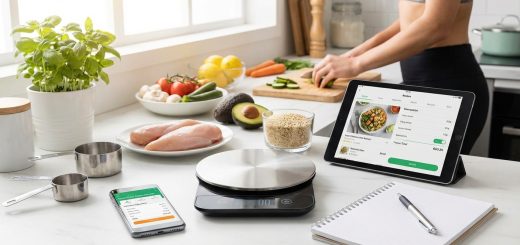
Portion everything into containers. Use a food scale to measure exact amounts. Label each container with the macro breakdown so you know what you’re eating.
This system takes about 2-3 hours on a Sunday afternoon but saves you 10+ hours of cooking and decision making during the week.
Best Proteins for Macro Friendly Meal Prep
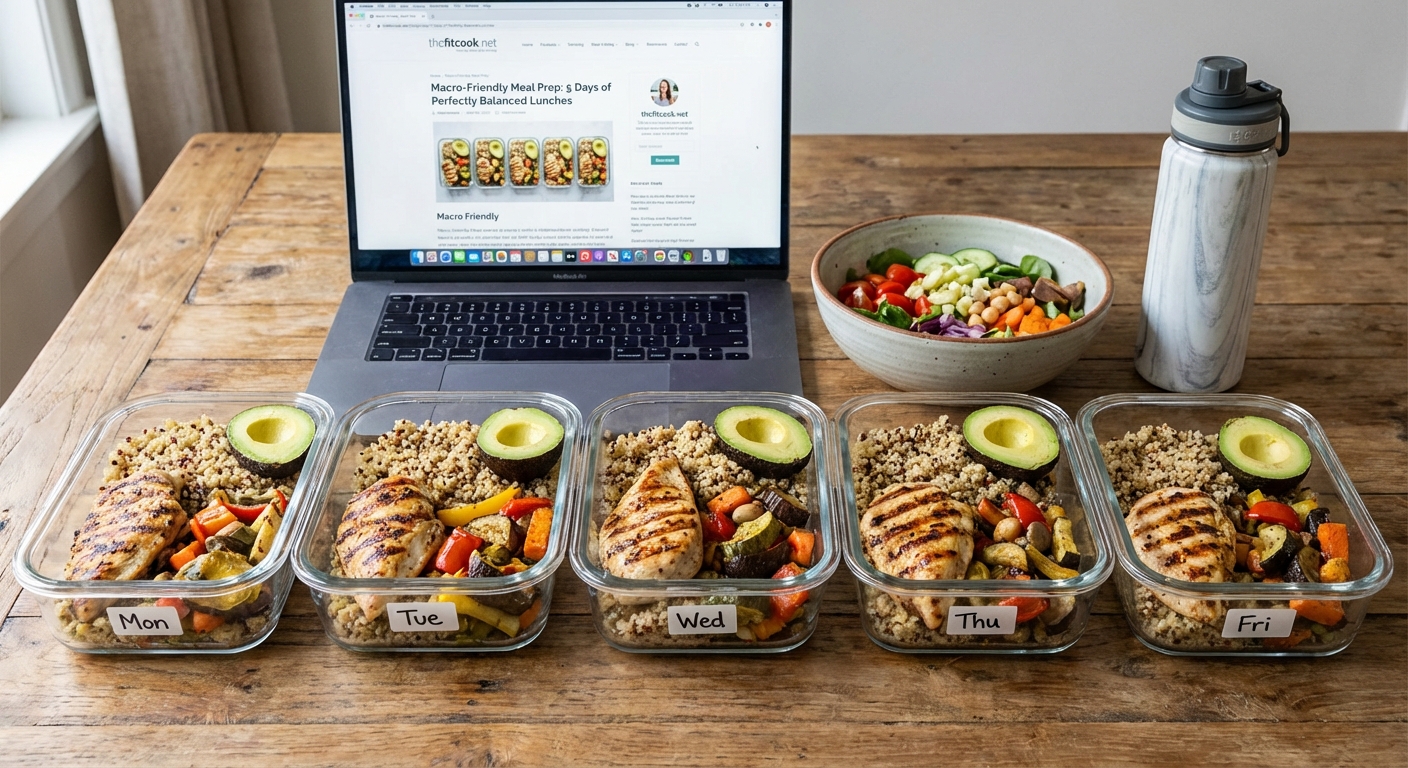
Not all protein sources survive the fridge equally well. Choose options that maintain texture and flavor after refrigeration and reheating.
Chicken breast remains the gold standard. It’s lean, affordable, and versatile. Season different batches with various spice blends to create variety.
Ground turkey works perfectly in meal prep because it stays moist when mixed with vegetables. Use 93% lean for optimal macro ratios.
White fish like cod or tilapia reheats surprisingly well when not overcooked initially. Aim for just opaque in the center before storing.
Eggs provide the most cost effective protein option. Hard boiled eggs last up to one week and work as snacks or meal components.
Extra firm tofu absorbs marinades beautifully and maintains texture better than softer varieties. Press it thoroughly before cooking.
Avoid these protein mistakes that sabotage meal prep:
| Mistake | Why It Fails | Better Alternative |
|---|---|---|
| Overcooking chicken | Becomes dry and stringy when reheated | Cook to 160°F, let carryover heat reach 165°F |
| Using fatty cuts | Throws off macro calculations | Choose 90% lean or higher for ground meats |
| Batch cooking seafood | Most fish gets rubbery after 2 days | Prep components, cook fish fresh each time |
| Ignoring marinades | Bland protein kills motivation | Marinate overnight before cooking |
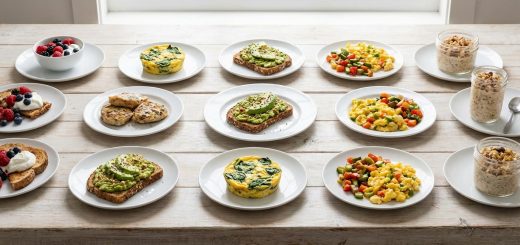
Preparing high protein breakfasts in bulk ensures you start every day hitting your targets.
Smart Carbohydrate Choices That Actually Reheat Well
Your carb sources make or break meal prep success. Some starches turn to mush while others maintain perfect texture all week.
Sweet potatoes are meal prep champions. They reheat beautifully, provide steady energy, and add natural sweetness without extra sugar. Cube them before roasting for faster cooking.
Brown rice holds up better than white rice in storage. Cook it slightly al dente since it continues absorbing moisture in the container.
Quinoa stays fluffy for days and provides complete protein as a bonus. Rinse it thoroughly before cooking to remove bitter saponins.
Whole grain pasta works if you undercook it by 2 minutes. It finishes cooking when reheated with moisture from vegetables or sauce.
Oats shine for breakfast prep. Overnight oats require zero cooking and taste better after sitting overnight.
Portion your carbs precisely. A food scale is essential here because eyeballing rice or pasta leads to massive macro miscalculations.
One cup of cooked brown rice contains roughly 45g carbs. If your target is 40g per meal, you need about 7/8 cup. These small differences add up across multiple meals.
Vegetables That Maintain Quality Throughout the Week
Adding vegetables increases meal volume without dramatically affecting your macro targets. But not all vegetables survive meal prep equally.
Best vegetables for meal prep:
– Broccoli (roasted, not steamed)
– Brussels sprouts (halved and roasted)
– Bell peppers (any color, raw or cooked)
– Cauliflower (roasted until golden)
– Green beans (blanched then sautéed)
– Asparagus (roasted with minimal oil)
– Zucchini (grilled or roasted, not steamed)
– Mushrooms (sautéed until moisture evaporates)
Vegetables to avoid in meal prep:
– Leafy greens (wilt and become slimy)
– Cucumbers (release water and get soggy)
– Tomatoes (break down and make everything watery)
– Bean sprouts (spoil rapidly)
Roasting vegetables at high heat (425°F) caramelizes their natural sugars and creates texture that holds up better than steaming or boiling.
Season vegetables after cooking, not before. Salt draws out moisture during storage, leading to soggy results.
Container Strategy and Storage Guidelines
Your containers directly impact food quality and safety. Invest in the right storage solutions.
Use glass containers with airtight lids for best results. Glass doesn’t absorb odors, prevents staining, and allows you to see contents without opening.
Separate wet and dry components whenever possible. Store sauces and dressings in small containers within the main container or add them right before eating.
Follow these storage timelines for food safety:
- Cooked chicken: 3-4 days refrigerated, 3 months frozen
- Cooked ground meat: 3-4 days refrigerated, 2-3 months frozen
- Cooked fish: 2-3 days refrigerated, 2 months frozen
- Cooked rice/grains: 4-5 days refrigerated, 6 months frozen
- Roasted vegetables: 4-5 days refrigerated, 10-12 months frozen
Label everything with prep dates. Rotate containers so oldest meals get eaten first.
Mastering freezer meal prep extends your options beyond the standard 3-4 day window.
“The biggest game changer in my meal prep routine was switching from assembling full meals to prepping components separately. Now I can create different combinations throughout the week without any extra cooking time.” – Sarah, fitness coach and meal prep enthusiast
Building Your First Week of Macro Friendly Meals
Let’s put this into practice with a simple one week plan.
Start with these three proteins:
– 2 lbs chicken breast (seasoned with Italian herbs)
– 2 lbs ground turkey (taco seasoned)
– 1 dozen hard boiled eggs
Add these carbohydrate sources:
– 4 cups cooked brown rice
– 3 lbs sweet potatoes (cubed and roasted)
– 2 cups cooked quinoa
Include these vegetables:
– 2 lbs broccoli florets (roasted)
– 2 lbs bell peppers (sliced and sautéed)
– 1 lb green beans (blanched)
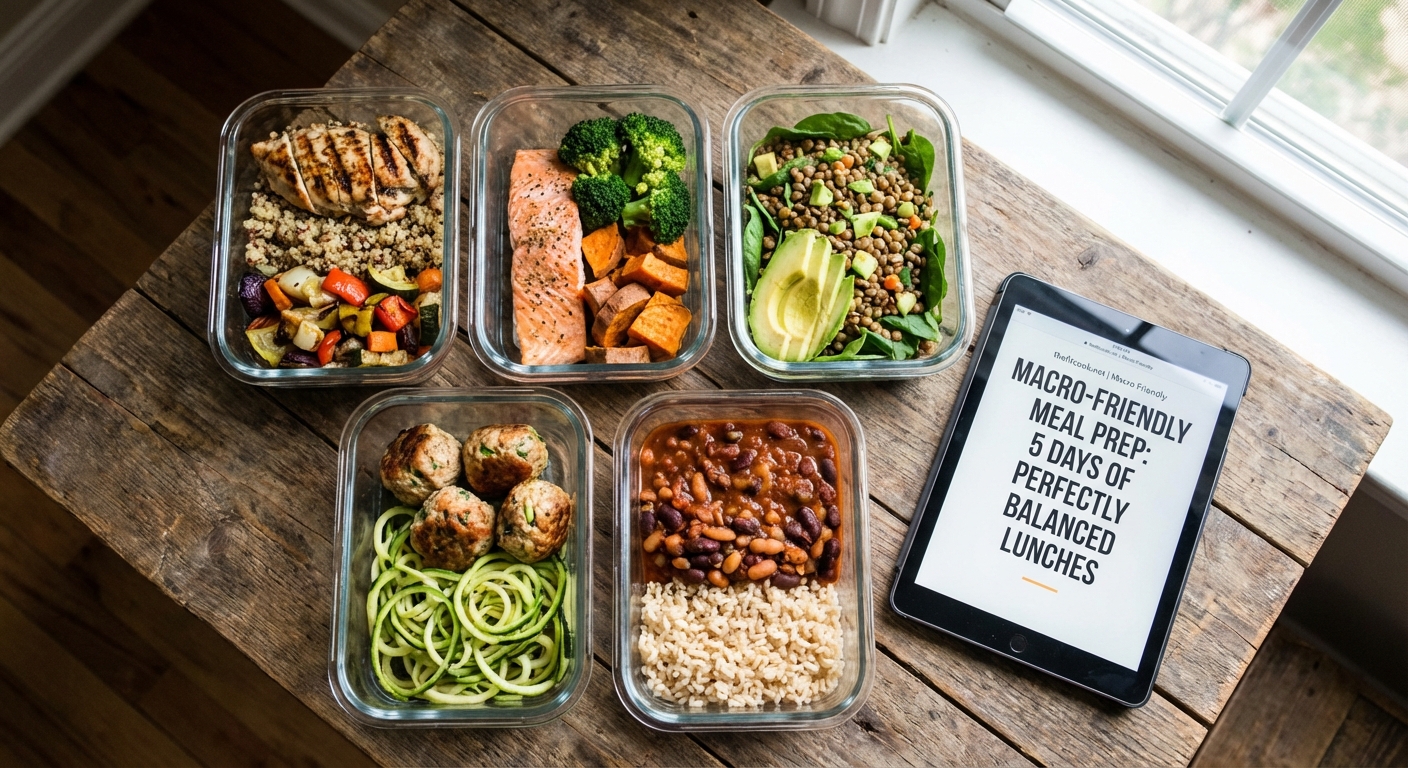
With these components prepped, you can create different meal combinations:
Monday: Chicken, brown rice, roasted broccoli
Tuesday: Turkey taco bowl with quinoa and peppers
Wednesday: Chicken, sweet potato, green beans
Thursday: Turkey, brown rice, mixed vegetables
Friday: Chicken, quinoa, peppers and broccoli
Each meal takes 3 minutes to assemble and 2 minutes to reheat.
Getting an entire week of lunches prepped efficiently becomes simple once you nail this component based system.
Adding Healthy Fats Without Derailing Your Macros
Fats are calorie dense, providing 9 calories per gram compared to 4 calories per gram for protein and carbs. This means small amounts add up fast.
Measure fats precisely using measuring spoons, not guesswork. The difference between 1 tablespoon and 2 tablespoons of olive oil is 120 calories and 14g of fat.
Best fat sources for meal prep:
– Avocado (add fresh, not prepped)
– Nuts and seeds (pre portioned into small bags)
– Olive oil (measured and added before eating)
– Nut butters (single serve packets prevent overuse)
– Olives (measured portions)
Add fats right before eating rather than during initial prep. This prevents oxidation and maintains freshness.
One serving of nuts is typically 1 ounce or about 23 almonds. Pre portion these into small containers or bags so you’re not eating straight from a large container.
Meal Prep Equipment Worth the Investment
You don’t need fancy gadgets, but these tools make macro friendly meal prep significantly easier.
Digital food scale. Non negotiable. Measuring cups don’t provide the accuracy needed for tracking macros. Get one that measures in grams and ounces.
Glass meal prep containers. Buy 10-12 containers in 2-3 sizes. Look for ones that are microwave, dishwasher, and freezer safe.
Sheet pans. Heavy duty rimmed baking sheets allow you to roast multiple components simultaneously. Get at least three.
Instant pot or pressure cooker. Cuts cooking time dramatically for rice, potatoes, and tough proteins.
Good knife and cutting board. Sharp knives make vegetable prep faster and safer. Use separate boards for raw meat and vegetables.
Measuring spoons and cups. For ingredients that don’t need gram precision like spices and seasonings.
Skip these overhyped items:
– Specialized meal prep bags (regular insulated lunch bags work fine)
– Portion control plates (you’re measuring everything anyway)
– Expensive blenders for protein shakes (basic models work perfectly)
Seasoning Strategies to Prevent Flavor Fatigue
Eating the same proteins and carbs all week doesn’t mean eating the same flavors.
Create variety through strategic seasoning of your base components.
For chicken breast, rotate these profiles:
– Italian: oregano, basil, garlic powder, red pepper flakes
– Mexican: cumin, chili powder, paprika, lime zest
– Asian: ginger, garlic, five spice powder, sesame oil
– Mediterranean: lemon zest, thyme, rosemary, black pepper
For ground turkey, try:
– Taco seasoning with cumin and chili powder
– Italian sausage style with fennel and sage
– Asian inspired with ginger and soy sauce
– Greek with oregano, mint, and lemon
Season proteins before cooking, not after. Heat activates and distributes flavors more effectively than adding seasoning to cold, cooked meat.
Keep 3-4 different hot sauces, salsas, and condiments on hand. These add minimal calories but transform the eating experience.
Building meals that taste good reheated relies heavily on proper seasoning techniques.
Adjusting Portions for Different Macro Goals
Your meal prep portions should match your specific targets, not generic serving sizes.
Someone cutting weight needs different portions than someone building muscle, even if they’re eating the same foods.
For fat loss (1500-1800 calories):
– 5-6 oz protein per meal
– 1/2 to 3/4 cup carbs per meal
– 1-2 servings fats per day
For maintenance (1800-2200 calories):
– 6-7 oz protein per meal
– 3/4 to 1 cup carbs per meal
– 2-3 servings fats per day
For muscle building (2200-2800+ calories):
– 7-8 oz protein per meal
– 1 to 1.5 cups carbs per meal
– 3-4 servings fats per day
Weigh your food after cooking. Proteins lose 20-25% of their weight during cooking due to moisture loss. Four ounces of raw chicken becomes roughly 3 ounces cooked.
Track everything for at least two weeks to understand how your portions affect your results. Adjust based on your progress, energy levels, and hunger cues.
Meal prepping on a budget requires smart shopping strategies but doesn’t mean sacrificing your macro targets.
Reheating Methods That Preserve Quality
How you reheat matters almost as much as how you prep.
Microwave tips:
– Add 1-2 tablespoons water to prevent drying
– Cover with a damp paper towel to create steam
– Heat at 70% power for longer time rather than full power
– Stir halfway through for even heating
Oven reheating:
– Best for maintaining crispy textures
– Preheat to 350°F
– Use a wire rack over a baking sheet for air circulation
– Add fresh herbs or cheese in the last 2 minutes
Stovetop method:
– Ideal for stir fries and sautéed dishes
– Add a splash of broth or water
– Heat over medium, stirring frequently
– Finish with fresh garnishes
Never reheat the same meal twice. Repeated heating and cooling cycles increase bacterial growth and destroy texture.
Let refrigerated meals sit at room temperature for 10-15 minutes before reheating. This reduces the temperature differential and prevents uneven heating.
Troubleshooting Common Macro Meal Prep Problems
Running into issues? Here are solutions to the most frequent problems.
Problem: Food tastes bland by day three.
Solution: Store sauces and seasonings separately. Add fresh herbs, hot sauce, or citrus juice right before eating.
Problem: Vegetables turn mushy.
Solution: Roast instead of steam. Cook vegetables to just tender, not soft. They’ll continue cooking slightly in storage.
Problem: Rice gets hard and dry.
Solution: Store rice with a damp paper towel in the container. Add a tablespoon of water before reheating.
Problem: Chicken becomes rubbery.
Solution: Don’t overcook initially. Reheat with moisture. Consider using thighs instead of breast for more forgiving results.
Problem: Running out of time on prep day.
Solution: Prep in two sessions. Do proteins and carbs on Sunday, vegetables on Wednesday. Or follow a structured prep blueprint that optimizes your workflow.
Making Macro Meal Prep Work With Your Schedule
Not everyone has Sunday afternoon free for meal prep. Adapt the system to your actual life.
For shift workers: Prep when you have time off, regardless of the day. Focus on freezer friendly meals you can grab before heading out.
For busy parents: Involve kids in age appropriate tasks like washing vegetables or portioning snacks. Double your family dinner recipes and pack leftovers for lunch.
For frequent travelers: Prep portable options like hard boiled eggs, pre portioned nuts, and protein overnight oats. Pack a small cooler bag for flights or road trips.
For gym goers: Timing your post workout nutrition matters. Keep one prepped meal in your gym bag with an ice pack.
The key is consistency, not perfection. Prepping three days of meals is infinitely better than prepping zero days because you don’t have time for a full week.
Your Next Steps to Macro Friendly Success
You now have the complete framework for macro friendly meal prep that actually works.
Start small. Prep just lunch for three days this week. Master the basics before scaling up to full weeks of all meals.
Choose simple recipes initially. Complicated dishes with ten ingredients create unnecessary barriers. Seasoned protein, roasted vegetables, and a quality carb source is a complete meal.
Track your results. Take progress photos, monitor your energy levels, and adjust portions based on what you learn about your body’s needs.
Most importantly, remember that meal prep is a tool to support your goals, not a rigid system that controls your life. Some weeks you’ll prep like a champion. Other weeks you’ll prep minimally or not at all. Both scenarios are normal and acceptable.
The fitness journey is measured in months and years, not individual weeks. Building sustainable habits beats temporary perfection every single time.