Sheet Pan Dinners for Meal Preppers Who Hate Complicated Recipes
You’ve got 30 minutes before everyone needs to eat, a sink full of dishes from breakfast, and zero energy for complicated recipes. Sound familiar?
Sheet pan dinners solve this exact problem. One pan, simple ingredients, and minimal cleanup. No juggling multiple pots or timing five different cooking methods.
Sheet pan dinners combine protein, vegetables, and seasonings on a single baking sheet for hands-off cooking. They require 10 minutes of prep, 20-40 minutes of baking, and create just one dish to wash. Perfect for meal preppers who want nutritious dinners without complicated techniques or multiple pans.
Why Sheet Pan Cooking Works for Busy Schedules
Sheet pan cooking eliminates the main barriers that stop people from cooking at home.
First, you’re not standing over the stove. Throw everything on the pan, slide it in the oven, and walk away. Set a timer and use those 30 minutes to help with homework, fold laundry, or just sit down.
Second, cleanup takes two minutes. One pan, one spatula, maybe a cutting board. That’s it.
Third, the oven does the work. High heat caramelizes vegetables and creates crispy edges on protein without any flipping or stirring.
The technique works because everything cooks at the same temperature. You just need to match cooking times, which is easier than it sounds.
Building Your Basic Sheet Pan Formula
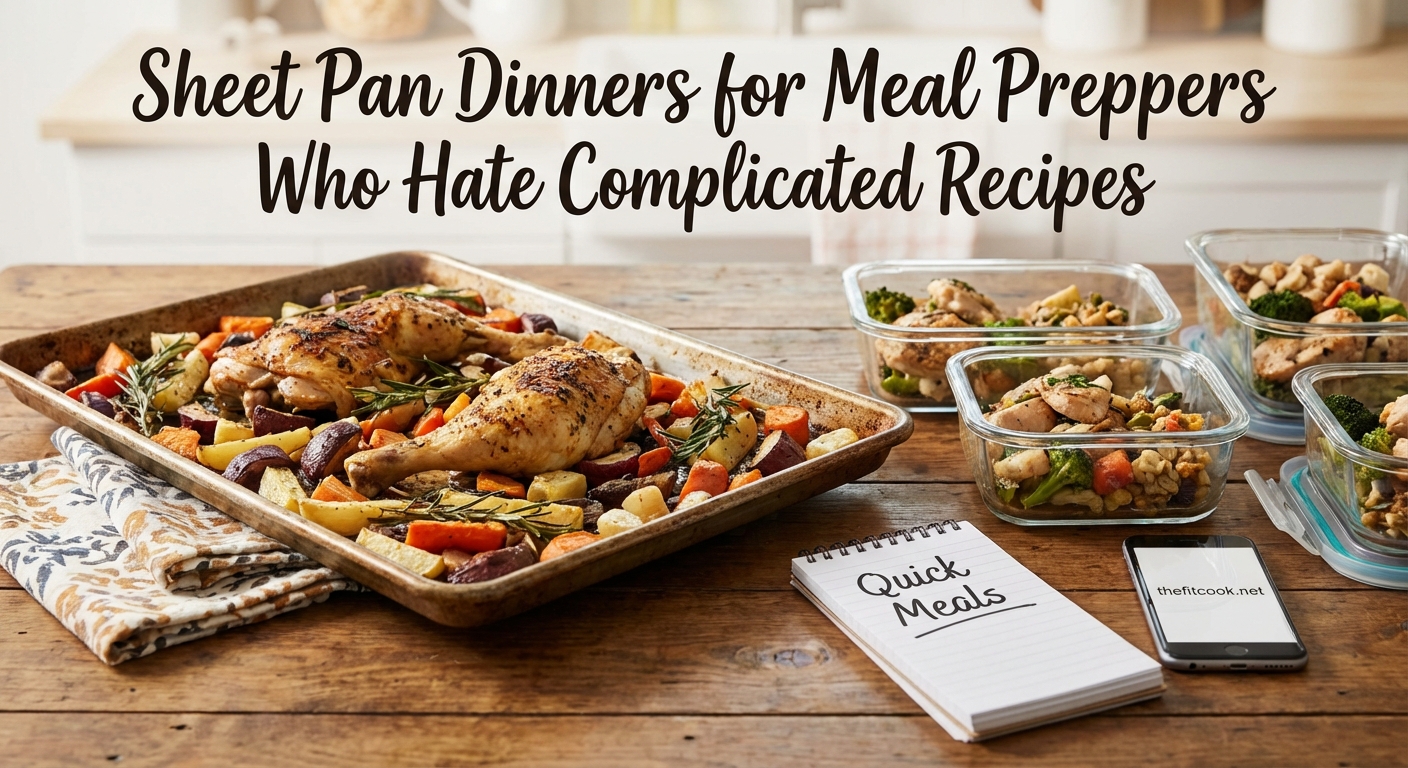
Every successful sheet pan dinner follows the same pattern.
Start with protein. Chicken thighs, salmon fillets, pork chops, or even firm tofu. Choose cuts that cook in 20-40 minutes at 400-425°F.
Add vegetables that match your protein’s cooking time. Or cut them to adjust timing. Smaller pieces cook faster.
Season everything. This is where most people go wrong. Under-seasoned food tastes boring, even if the technique is perfect.
Add fat. A drizzle of olive oil helps everything brown and prevents sticking.
Here’s the basic process:
- Preheat your oven to 400-425°F
- Line your sheet pan with parchment paper for easier cleanup
- Arrange protein and vegetables in a single layer
- Season generously with salt, pepper, and your choice of spices
- Drizzle with oil and toss to coat
- Bake until protein reaches safe internal temperature
The single layer part matters. Crowding the pan creates steam instead of browning. Use two pans if needed.
Matching Cooking Times Without Overthinking
Different ingredients need different amounts of time in the oven. But you don’t need a spreadsheet to figure this out.
Fast cooking proteins (15-20 minutes):
– Shrimp
– Thin fish fillets
– Thinly sliced chicken breast
Medium cooking proteins (25-30 minutes):
– Chicken thighs
– Pork chops
– Salmon fillets
– Sausages
Longer cooking proteins (35-45 minutes):
– Bone-in chicken pieces
– Thick pork chops
– Meatballs
For vegetables, size determines cooking time. Small Brussels sprouts halves cook faster than whole ones. Thin carrot coins finish before thick chunks.
Here’s a simple timing table:
| Ingredient | Size | Cook Time at 425°F |
|---|---|---|
| Broccoli florets | Bite-sized | 20-25 minutes |
| Brussels sprouts | Halved | 25-30 minutes |
| Sweet potatoes | 1-inch cubes | 30-35 minutes |
| Bell peppers | 1-inch strips | 20-25 minutes |
| Cherry tomatoes | Whole | 15-20 minutes |
| Zucchini | 1/2-inch rounds | 20-25 minutes |
| Cauliflower | Florets | 25-30 minutes |
| Red onion | Wedges | 25-30 minutes |
To match different cooking times, you have two options. Start the longer-cooking items first, then add faster-cooking ingredients partway through. Or cut everything to similar sizes so timing matches naturally.
The second option is easier for beginners.
Five Foolproof Combinations to Start With
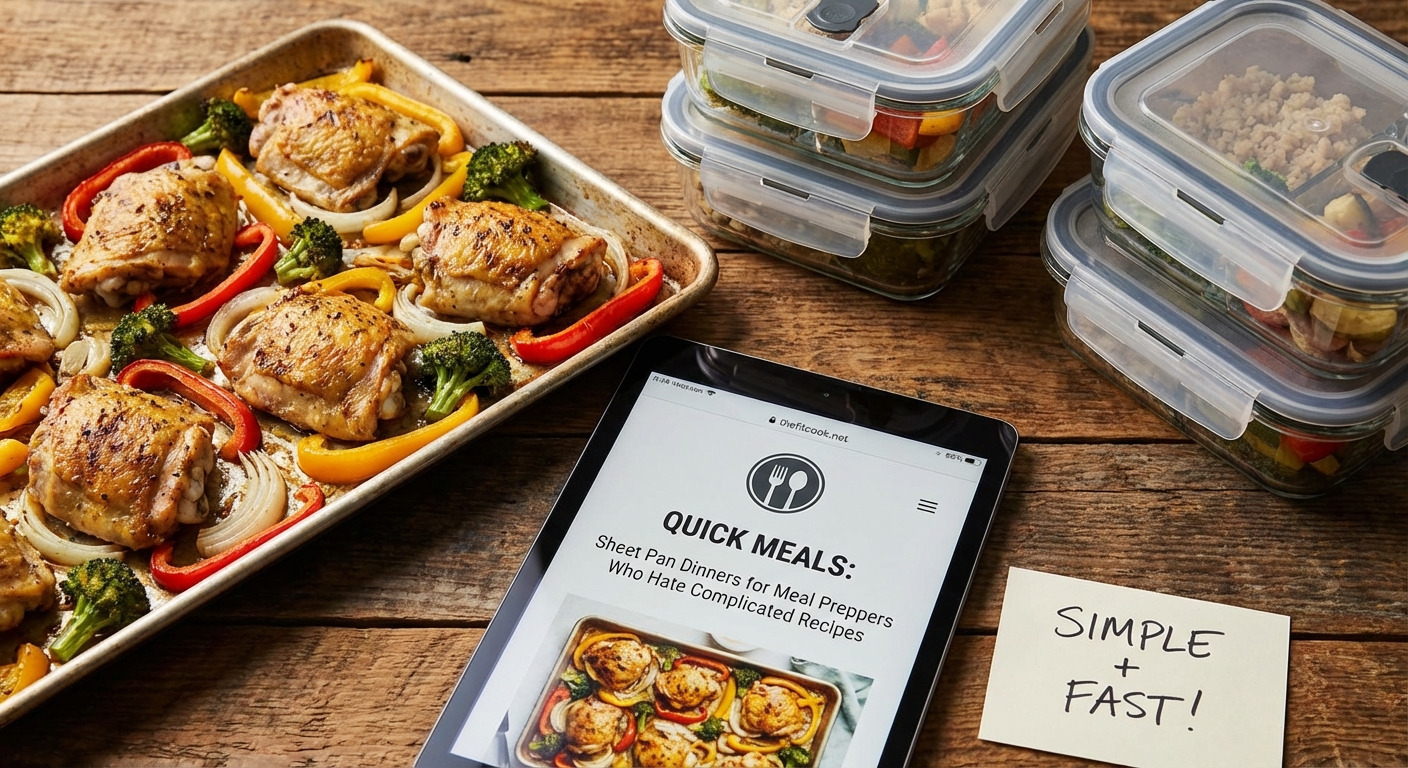
These combinations work because everything cooks at the same rate and the flavors complement each other.
Chicken thighs with sweet potatoes and Brussels sprouts
Season with garlic powder, smoked paprika, salt, and pepper. The chicken fat bastes the vegetables as everything roasts. Cook at 425°F for 30-35 minutes.
Salmon with asparagus and cherry tomatoes
Keep it simple with lemon, dill, salt, and pepper. The tomatoes burst and create a light sauce. Cook at 400°F for 15-18 minutes.
Italian sausage with bell peppers and red onion
Add Italian seasoning and red pepper flakes. The sausage releases flavorful fat that coats the vegetables. Cook at 425°F for 25-30 minutes.
Shrimp with broccoli and snap peas
Toss with sesame oil, garlic, and ginger. Everything cooks fast, so watch carefully. Cook at 425°F for 12-15 minutes.
Pork chops with apples and Brussels sprouts
Season with rosemary, thyme, and a touch of maple syrup. Sweet and savory combination that feels special but takes no extra effort. Cook at 400°F for 25-30 minutes.
Each of these serves 4 people and requires about 10 minutes of prep time.
Common Mistakes That Ruin Sheet Pan Dinners
Even simple techniques have pitfalls. Avoid these and your dinners will turn out right every time.
Mistake 1: Using the wrong pan
You need a heavy rimmed baking sheet. Thin pans warp at high heat. Cookie sheets without rims let juices spill. Invest in two quality half-sheet pans (18×13 inches). They’ll last years.
Mistake 2: Skipping the parchment paper
Yes, you can skip it. But cleanup takes five times longer. Parchment prevents sticking and makes cleanup effortless. Worth the extra 15 seconds.
Mistake 3: Not preheating the oven
Starting with a cold oven adds 10-15 minutes to cooking time and prevents proper browning. Always preheat.
Mistake 4: Cutting vegetables too small
Tiny pieces turn mushy. Cut vegetables into 1-inch pieces minimum. They’ll shrink as they cook.
Mistake 5: Forgetting to check protein temperature
Chicken needs 165°F internal temperature. Pork needs 145°F. Salmon is done at 145°F but tastes better at 125-130°F for medium. Use an instant-read thermometer.
Mistake 6: Not seasoning enough
Restaurants use way more salt than you think. Season generously. You can always use less next time, but under-seasoned food tastes bland no matter what.
Making Sheet Pan Dinners Work for Meal Prep
Sheet pan dinners are perfect for meal prep because they scale easily and reheat well.
Double the recipe and use two pans. Most ovens fit two half-sheet pans side by side. Rotate them halfway through cooking for even browning.
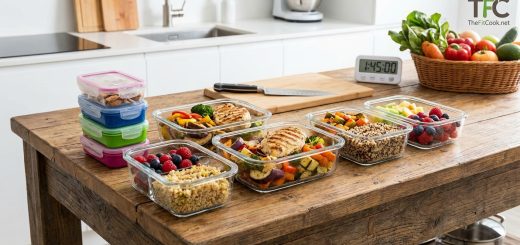
Let everything cool completely before storing. Divide into individual containers with protein and vegetables together.
Most sheet pan dinners keep 4 days in the refrigerator. Reheat in the microwave for 2-3 minutes, or back in a 350°F oven for 10 minutes if you want to restore crispiness.
Some combinations work better than others for meal prep:
- Chicken thighs stay moist when reheated
- Pork chops can dry out (add a splash of broth when reheating)
- Salmon is best eaten fresh but works for 2-3 days
- Shrimp gets rubbery after reheating (skip for meal prep)
- Roasted vegetables reheat beautifully
“The key to successful meal prep is choosing recipes that taste just as good on day four as they do fresh. Sheet pan dinners with chicken thighs or sausage are my go-to because they actually improve after a day in the fridge as the flavors meld together.”
Seasoning Shortcuts That Add Flavor Without Complexity
You don’t need 15 different spices to make food taste good. A few versatile blends handle most situations.
Mediterranean blend: Garlic powder, oregano, basil, salt, pepper. Works with chicken, fish, and most vegetables.
Smoky blend: Smoked paprika, cumin, garlic powder, salt, pepper. Perfect for pork and heartier vegetables.
Asian-inspired blend: Garlic powder, ginger powder, sesame oil, soy sauce. Great with shrimp, salmon, and broccoli.
Simple herb blend: Rosemary, thyme, garlic, salt, pepper. Classic combination that works with everything.
Keep these four blends pre-mixed in small jars. Dinner prep becomes even faster when you’re not measuring individual spices.
For variety, add finishing touches after cooking:
- Squeeze of fresh lemon
- Sprinkle of fresh herbs
- Drizzle of balsamic vinegar
- Handful of toasted nuts or seeds
These take 30 seconds and make the meal feel completely different.
Adapting Sheet Pan Dinners for Different Diets
The basic technique works for almost any dietary preference.
For low-carb or keto: Skip starchy vegetables like potatoes and sweet potatoes. Load up on broccoli, cauliflower, zucchini, and peppers. Add extra fat through olive oil, butter, or avocado oil.
For paleo: Stick to unprocessed proteins and vegetables. Skip pre-made sausages with additives. Season with herbs and spices instead of sauce packets.
For vegetarian: Replace meat with chickpeas, tofu, or tempeh. Add them halfway through cooking since they need less time than raw meat. Or use pre-cooked options.
For dairy-free: Most sheet pan dinners are naturally dairy-free. Just check your seasonings and skip any cheese toppings.
For gluten-free: Sheet pan dinners are naturally gluten-free unless you add breaded items or sauces with wheat.
The flexibility is one reason this cooking method works so well. Same basic technique, endless variations.
Equipment That Actually Matters
You don’t need fancy gadgets. But a few quality items make the process smoother.
Essential items:
- Two heavy-duty half-sheet pans (18×13 inches)
- Parchment paper or reusable silicone mats
- Instant-read thermometer
- Large spatula for flipping
Nice-to-have items:
- Cooling racks that fit inside your sheet pans (for crispier results)
- Kitchen shears for trimming chicken or cutting vegetables
- Small prep bowls for organizing ingredients
Skip the specialized “sheet pan” cookbooks and gadgets. The technique is simple enough that you don’t need them.
Troubleshooting When Things Go Wrong
Even experienced cooks run into problems. Here’s how to fix common issues.
Problem: Vegetables are soggy
Solution: You crowded the pan or cut pieces too small. Use two pans next time or cut larger pieces.
Problem: Protein is dry
Solution: You overcooked it. Check temperature earlier next time. Pull chicken at 160°F (it will reach 165°F as it rests).
Problem: Everything is bland
Solution: You didn’t use enough seasoning or salt. Season more generously next time. Salt brings out natural flavors.
Problem: Vegetables are burnt but protein is undercooked
Solution: Your oven runs hot or vegetables were cut too small. Lower temperature to 400°F or cut vegetables larger.
Problem: Nothing is browning
Solution: Your oven temperature is too low, pan is overcrowded, or you didn’t use enough oil. Increase temperature, use two pans, or add more fat.
Most problems come from crowding the pan or incorrect oven temperature. Fix those two things and you’ll succeed 95% of the time.
Getting Kids to Actually Eat Sheet Pan Dinners
Kids can be picky. But sheet pan dinners offer built-in flexibility.
Let them choose one vegetable they like. Even if it’s just carrots every single night, that’s fine. Consistency builds acceptance.
Cut vegetables into fun shapes. Use cookie cutters on sweet potato slices. Kids eat with their eyes first.
Serve a familiar dip on the side. Ranch, ketchup, or hummus makes new foods less scary.
Don’t force it. Put a small portion on their plate and let them ignore it if they want. It takes 10-15 exposures to a new food before kids accept it.
Make a “deconstructed” version. Put protein on one part of the pan, their preferred vegetable on another section, and your vegetables on a third section. Everyone gets what they want from the same pan.
The low-pressure approach works better than battles at the dinner table.
Planning a Week of Sheet Pan Dinners
You can absolutely eat sheet pan dinners multiple times per week without getting bored.
Monday: Chicken thighs with sweet potatoes and broccoli (Mediterranean seasoning)
Tuesday: Salmon with asparagus and cherry tomatoes (lemon and dill)
Wednesday: Italian sausage with peppers and onions (Italian herbs)
Thursday: Pork chops with Brussels sprouts and apples (rosemary and thyme)
Friday: Shrimp with snap peas and bell peppers (garlic and ginger)
Each meal uses different proteins, vegetables, and seasonings. The variety prevents dinner fatigue even though the technique stays the same.
Shop once for the whole week. Buy proteins on sale and adjust the plan accordingly. Flexibility saves money.
Turning Leftovers Into New Meals
Sheet pan dinners create excellent leftovers that transform easily into lunch the next day.
Chop leftover chicken and vegetables. Toss with greens and dressing for a hearty salad.
Wrap everything in a tortilla with cheese and salsa for a filling burrito.
Reheat and serve over rice or quinoa for a grain bowl.
Blend leftover vegetables with broth for a simple soup. Add fresh herbs and a squeeze of lemon.
Chop everything small and scramble with eggs for a protein-packed breakfast hash.
The initial dinner does double duty, saving time on multiple meals.
Your Next Dinner Just Got Easier
Sheet pan dinners remove the barriers between you and a home-cooked meal. No special skills required. No complicated techniques to master. Just real food, simple preparation, and minimal cleanup.
Start with one of the five combinations listed earlier. Get comfortable with the basic technique. Then branch out with your own favorite proteins and vegetables.
Your future self will thank you when dinner is ready, the kitchen is clean, and you actually have time to sit down and eat with your family.