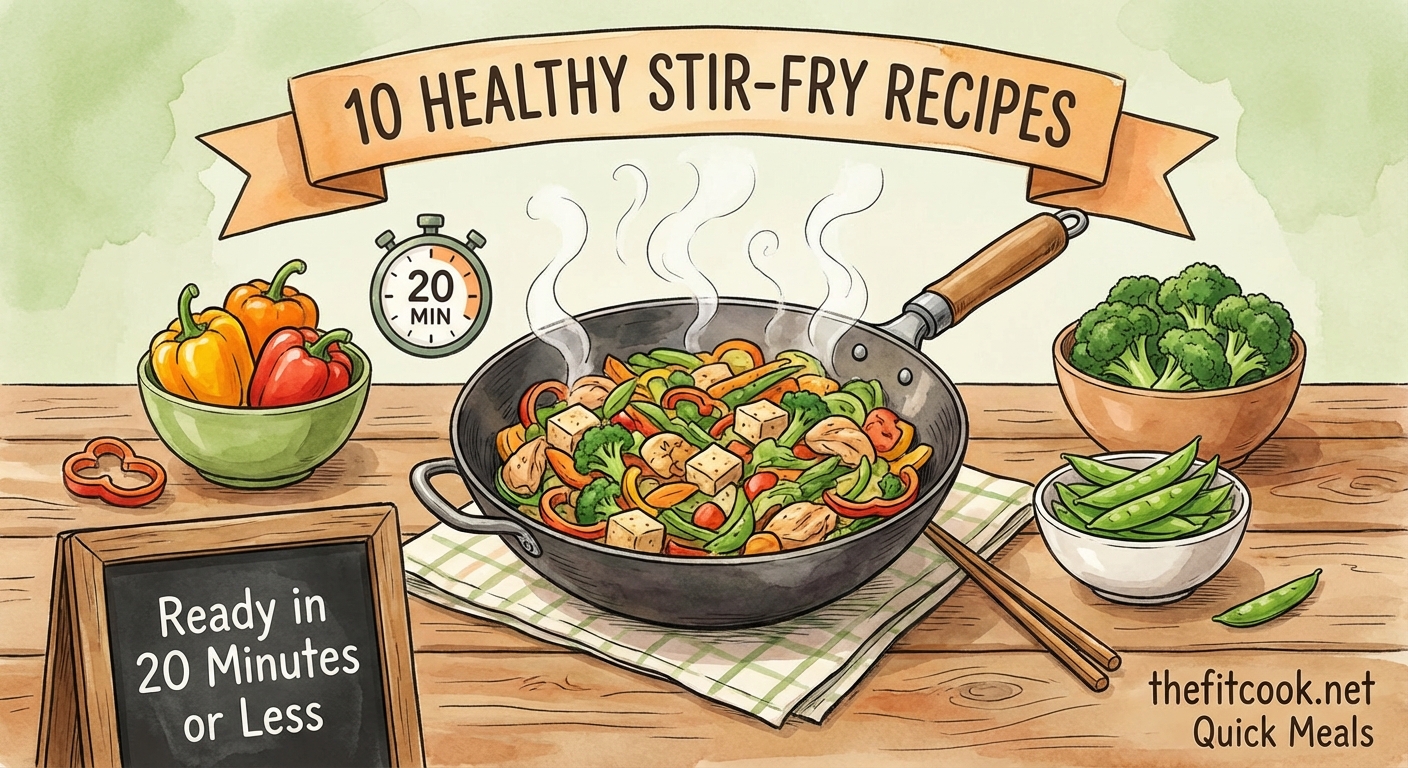
10 Healthy Stir-Fry Recipes Ready in 20 Minutes or Less
Stir frying transforms ordinary vegetables and protein into restaurant-quality meals right in your own kitchen. The high heat, constant motion, and bold flavors make this cooking method perfect for busy weeknights when you need something nutritious without spending hours at the stove.
Healthy stir fry recipes combine lean proteins, colorful vegetables, and flavorful sauces cooked over high heat for minimal time. This method preserves nutrients, requires little oil, and delivers complete meals in under 20 minutes. Master a few basic techniques and you’ll have endless dinner possibilities using whatever fresh ingredients you have on hand.
Why Stir Frying Works for Healthy Eating
The beauty of stir frying lies in its speed and simplicity. High heat cooks food fast, which means vegetables stay crisp and retain more vitamins compared to boiling or long roasting times. You control exactly what goes into your pan, making it easy to keep calories in check while maximizing nutrition.
Most stir fries need just one or two tablespoons of oil for an entire meal. That’s significantly less fat than deep frying or even some baking methods. The constant stirring prevents burning and ensures even cooking without drowning your food in grease.
Protein cooks through completely while vegetables maintain their crunch. This texture contrast keeps meals interesting and satisfying. Your taste buds get variety in every bite, which helps you feel full faster and stay satisfied longer.
Building Blocks of Every Great Stir Fry
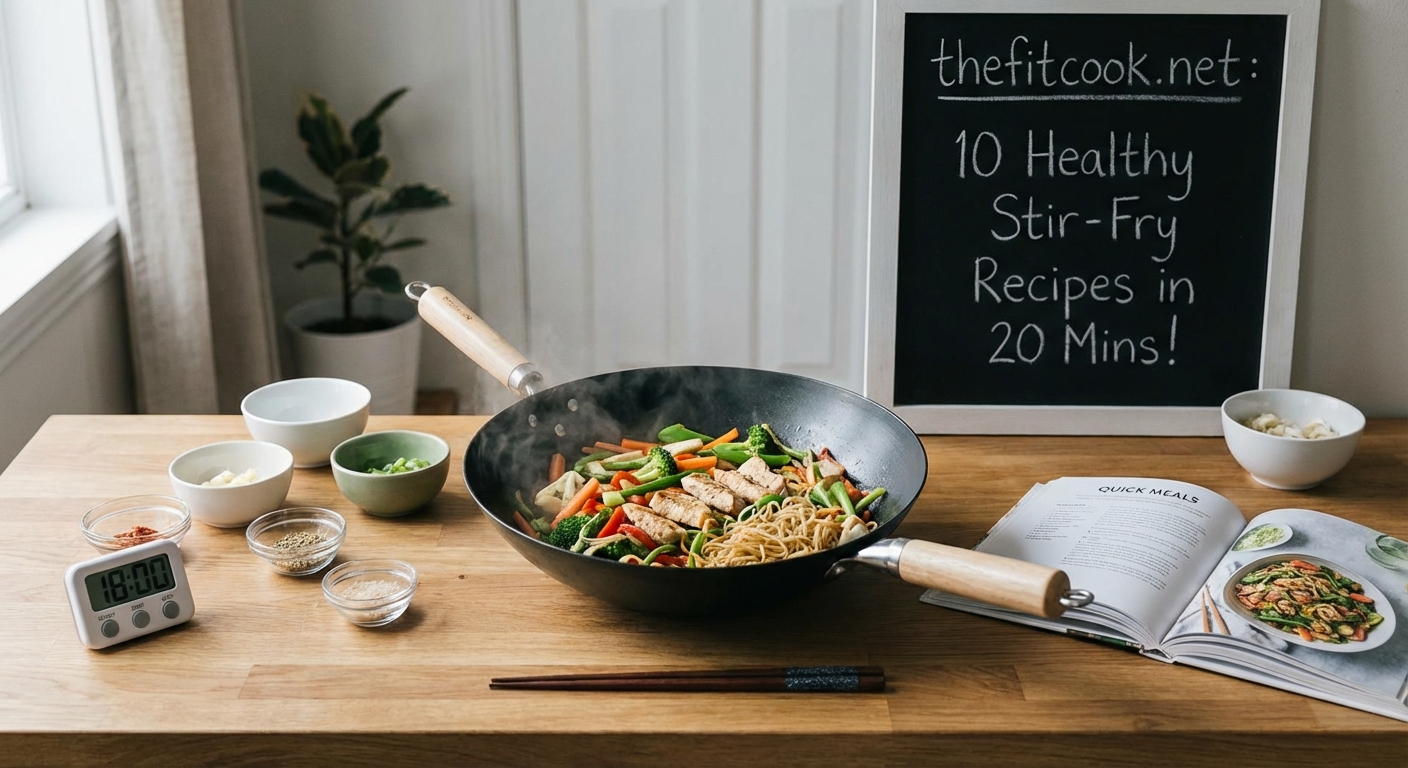
Every successful stir fry starts with three essential components: protein, vegetables, and sauce. Get these right and you’re guaranteed a delicious meal.
Choosing Your Protein
Lean proteins work best because they cook fast and pair well with bold Asian flavors. Here are your best options:
- Chicken breast cut into thin strips
- Shrimp peeled and deveined
- Extra firm tofu pressed and cubed
- Beef sirloin sliced against the grain
- Pork tenderloin in thin medallions
Cut everything into uniform pieces about the size of your thumb. This ensures even cooking and makes eating easier. Smaller pieces also mean more surface area for your sauce to cling to, boosting flavor in every bite.
Selecting Vegetables That Hold Up
Not all vegetables handle high heat equally well. Some turn to mush while others stay perfectly tender-crisp. Stick with these reliable choices:
- Bell peppers in any color
- Broccoli florets
- Snap peas
- Carrots cut into thin coins
- Mushrooms sliced thick
- Bok choy separated into leaves
- Green beans trimmed
- Zucchini in half moons
- Onions cut into wedges
Aim for three to four different vegetables per stir fry. This creates visual appeal and nutritional variety. Mix textures and colors for the most satisfying results.
The Right Equipment Makes All the Difference
A proper wok is ideal, but a large skillet works perfectly fine for most home cooks. What matters more is having enough surface area so food sears instead of steams. Crowding the pan drops the temperature and creates soggy vegetables instead of crispy ones.
Cast iron and carbon steel retain heat best. Nonstick pans work too, though they don’t get quite as hot. Whatever you use, make sure it’s at least 12 inches in diameter.
You’ll also need a good spatula or wooden spoon for constant stirring. Metal works great for woks and cast iron. Save wooden or silicone tools for nonstick surfaces.
The secret to restaurant-quality stir fry at home is simple: get your pan screaming hot before adding any food. If you can hold your hand six inches above the surface for more than two seconds, it’s not ready yet.
Mastering the Cooking Sequence
Timing separates mediocre stir fries from exceptional ones. Each ingredient needs a specific amount of time to reach perfect doneness. Follow this order and you’ll nail it every time.
- Heat your pan over high heat for two to three minutes until very hot
- Add oil and swirl to coat the entire surface
- Cook protein first until just done, then remove to a plate
- Add harder vegetables like carrots and broccoli, cook for two minutes
- Toss in softer vegetables like peppers and mushrooms, cook for one minute
- Return protein to the pan along with your sauce
- Stir everything together for 30 seconds until sauce thickens and coats evenly
This sequence ensures nothing overcooks while everything finishes at the same moment. The protein gets a head start because it needs the most time. Harder vegetables go next, followed by tender ones that cook almost instantly.
Creating Flavorful Sauces Without the Sugar
Store-bought stir fry sauces often pack shocking amounts of sugar and sodium. Making your own takes just minutes and tastes infinitely better. Here are four base recipes you can customize endlessly.
| Sauce Type | Base Ingredients | Flavor Profile | Best Proteins |
|---|---|---|---|
| Ginger Soy | Soy sauce, fresh ginger, garlic | Savory and aromatic | Chicken, beef, tofu |
| Spicy Sriracha | Sriracha, rice vinegar, sesame oil | Hot and tangy | Shrimp, chicken, pork |
| Peanut | Natural peanut butter, lime juice, coconut aminos | Rich and nutty | Tofu, chicken, vegetables only |
| Teriyaki | Coconut aminos, rice vinegar, garlic powder | Sweet and savory | Salmon, chicken, beef |
Mix your chosen ingredients in a small bowl before you start cooking. This way everything is ready to pour when needed. Most sauces need just a quarter cup for four servings.
Add cornstarch or arrowroot powder to thicken sauces naturally. One teaspoon mixed with a tablespoon of water creates a slurry that transforms thin liquid into glossy coating.
Common Mistakes That Ruin Healthy Stir Fries
Even experienced cooks make these errors that sabotage an otherwise perfect meal. Avoid them and your results improve immediately.
Using wet vegetables: Water creates steam, which prevents browning. Always pat produce dry with paper towels before cooking. Excess moisture makes everything soggy instead of crisp.
Cooking over medium heat: Stir fries demand high heat. Medium temperatures cause food to release moisture and stew rather than sear. Crank that burner to maximum and don’t second-guess yourself.
Adding sauce too early: Pour in your sauce only during the final 30 seconds of cooking. Earlier addition causes vegetables to steam and lose their snap. The brief coating time is all you need for full flavor.
Overloading the pan: Too much food lowers the temperature dramatically. Cook in batches if necessary. A single layer browns beautifully while piled-up ingredients turn mushy.
Forgetting to prep everything first: Stir frying happens fast. Once you start, there’s no time to chop vegetables or mix sauce. Have every ingredient measured, cut, and ready beside your stove before you turn on the heat.
Mix and Match Formula for Endless Variety
Once you understand the basic method, creating new combinations becomes effortless. Use this simple formula to design custom meals based on what’s in your refrigerator.
Pick one protein + three vegetables + one sauce + one base = complete meal
Your base can be brown rice, quinoa, cauliflower rice, rice noodles, or zucchini noodles. Each brings different nutrients and textures to the table.
For example: Shrimp + broccoli + bell peppers + snap peas + ginger soy sauce + brown rice. Or try: Tofu + mushrooms + bok choy + carrots + peanut sauce + cauliflower rice.
The possibilities are truly limitless. This flexibility means you’ll never get bored, and you can easily adapt to whatever’s on sale or in season.
Meal Prep Tips for Weeknight Success
A little advance preparation makes healthy stir fry recipes even more accessible on hectic evenings. Spend 30 minutes on Sunday setting yourself up for success all week.
Wash and chop all your vegetables, storing them in airtight containers in the refrigerator. Most stay fresh for five days. Keep harder vegetables like carrots separate from tender ones like mushrooms.
Marinate proteins in advance for deeper flavor. A simple mixture of coconut aminos, garlic, and ginger works for any meat or tofu. Store in the fridge for up to two days.
Pre-mix your sauces and keep them in small jars. They last a week refrigerated and save precious minutes when you’re rushing to get dinner on the table.
Cook your base grain or noodles ahead of time. Refrigerated cooked rice actually works better for stir frying because it’s drier and less likely to clump.
Boosting Nutrition Without Sacrificing Taste
Healthy stir fry recipes already pack impressive nutrition, but small tweaks can make them even better. These additions boost vitamins, minerals, and beneficial compounds without changing the fundamental character of your meal.
Toss in a handful of baby spinach during the last 30 seconds of cooking. It wilts instantly and adds iron, folate, and vitamin K. You barely notice it’s there, but your body certainly does.
Sprinkle sesame seeds over the finished dish for calcium, healthy fats, and a pleasant nutty crunch. Black or white varieties both work beautifully.
Add fresh ginger beyond what your sauce calls for. This powerful root fights inflammation and aids digestion. Grate it fine so the flavor distributes evenly.
Squeeze fresh lime juice over everything just before serving. The vitamin C helps your body absorb iron from vegetables and adds brightness that makes flavors pop.
Adapting Recipes for Different Dietary Needs
Stir fries accommodate virtually any eating style with minimal adjustments. Here’s how to modify the basic approach for common dietary preferences.
For low carb diets: Skip the rice or noodles and serve over cauliflower rice or spiralized zucchini. Use coconut aminos instead of regular soy sauce to reduce sodium and keep carbs minimal. Load up on vegetables to create volume and satisfaction.
For vegetarian meals: Double the vegetables and add extra firm tofu or tempeh for protein. Edamame and chickpeas also work well. Choose peanut or sesame-based sauces for richness that makes you forget about meat entirely.
For gluten-free cooking: Swap regular soy sauce for tamari or coconut aminos. Check that your sriracha and other condiments don’t contain wheat-based thickeners. Rice noodles replace wheat-based varieties perfectly.
For dairy-free diets: Most stir fry recipes are naturally dairy-free already. Just verify your sauce ingredients don’t include any hidden milk products or butter.
Teaching Kids to Love Vegetables Through Stir Fry
Children who turn their noses up at steamed broccoli often devour the same vegetable when it comes from a sizzling pan coated in savory sauce. The caramelization from high heat brings out natural sweetness that makes vegetables taste less “vegetable-y.”
Let kids pick one vegetable to include in the meal. This ownership increases the likelihood they’ll actually eat it. Even picky eaters feel more invested when they contribute to the menu.
Cut vegetables into fun shapes using small cookie cutters. Stars, hearts, and flowers make dinner feel special without any extra effort on your part.
Serve stir fry over rice in individual bowls rather than family-style. This presentation feels more like restaurant food, which many children find exciting.
Start with mild sauces and gradually introduce bolder flavors as their palates develop. Teriyaki works well for beginners, while ginger soy and spicy options come later.
Scaling Recipes for One or for a Crowd
The basic stir fry method works whether you’re cooking for yourself or feeding eight people. Just adjust quantities and possibly your equipment.
For solo meals, use a 10-inch skillet and cut all ingredient amounts by three quarters. One chicken breast, two cups of vegetables, and two tablespoons of sauce creates a perfect single serving with leftovers for lunch.
When cooking for groups, work in batches rather than cramming everything into one pan. Cook the protein completely, set it aside, then do vegetables in two or three batches. Combine everything at the end with your sauce. This takes slightly longer but produces far better results than trying to stir fry six chicken breasts simultaneously.
Alternatively, use two pans on different burners and work both at once. This cuts your cooking time nearly in half while maintaining proper heat levels.
Your New Weeknight Dinner Solution
Healthy stir fry recipes solve the eternal question of what to make for dinner when time is tight and energy is low. The method is forgiving, the ingredients are flexible, and the results consistently satisfy everyone at your table.
Start with one combination that appeals to you. Master it completely, then branch out to try different proteins, vegetables, and sauces. Before long, you’ll be improvising confidently with whatever looks good at the market or happens to be sitting in your crisper drawer. That’s when stir frying transforms from a recipe you follow into a skill you own, ready to deploy any night of the week.