Beginner’s Guide to Calculating Macros for Your Weekly Meal Prep
Calculating your macros might sound complicated at first, but it becomes straightforward once you understand the basics. Knowing how to track proteins, carbs, and fats helps you tailor your meals to meet your fitness goals. Whether you’re aiming to lose weight, build muscle, or simply eat healthier, understanding macros is a powerful tool. This guide will walk you through each step so you can confidently plan your weekly meals and stay on track.
Calculating macros involves understanding your daily caloric needs, setting macro targets based on your goals, and tracking your intake accurately. With practice, it becomes a simple part of meal planning that helps you reach your health objectives effectively.
Understanding the importance of macros in your diet
Before jumping into calculations, it helps to understand why macros matter. Proteins, carbohydrates, and fats are the building blocks of your diet. They provide energy, support muscle growth, and help with overall health. Unlike counting calories alone, tracking macros ensures you’re getting the right balance for your specific needs.
“Knowing your macro ratios can optimize your training and recovery, making your meal prep more effective and aligned with your goals,” says registered dietitian Laura Miller.
How to determine your daily calorie needs
The first step in calculating macros is figuring out how many calories you should consume daily. This depends on your age, sex, weight, height, activity level, and goals.
1. Calculate your basal metabolic rate (BMR)
Your BMR is the number of calories your body needs at rest. You can estimate it using formulas like the Harris-Benedict equation:
| Parameter | Formula (for women) | Formula (for men) |
|---|---|---|
| BMR | 655 + (4.35 x weight in lbs) + (4.7 x height in inches) – (4.7 x age in years) | 66 + (6.23 x weight in lbs) + (12.7 x height in inches) – (6.8 x age in years) |
2. Adjust for activity level
Multiply your BMR by an activity factor:
- Sedentary (little or no exercise): BMR x 1.2
- Lightly active (light exercise 1-3 days): BMR x 1.375
- Moderately active (moderate exercise 3-5 days): BMR x 1.55
- Very active (hard exercise 6-7 days): BMR x 1.725
- Extra active (very hard exercise or physical job): BMR x 1.9
This gives your total daily energy expenditure (TDEE).
Setting your macro targets based on your goals
Once you know your calorie needs, decide how to split those calories into proteins, carbs, and fats.
1. Define your goal
- To lose fat: create a calorie deficit. Typically, reduce intake by 10-20% of your TDEE.
- To gain muscle: aim for a calorie surplus, around 10-15% above TDEE.
- To maintain: stay close to your TDEE.
2. Determine your macro ratios
Common macro ratios based on goals:
| Goal | Protein | Carbohydrates | Fats |
|---|---|---|---|
| Fat loss | 30-35% | 40-50% | 15-25% |
| Muscle gain | 25-30% | 45-50% | 20-25% |
| Maintenance | 20-25% | 45-50% | 20-30% |
For beginners, a balanced approach like 40% carbs, 30% protein, and 30% fats works well.
3. Calculate grams of each macro
Since each macro has a caloric value:
- Protein: 4 calories per gram
- Carbohydrates: 4 calories per gram
- Fats: 9 calories per gram
Example: If your daily calories are 2000 and your target macro ratio is 40% carbs, 30% protein, 30% fats:
- Carbs: 2000 x 0.40 = 800 calories ÷ 4 = 200 grams
- Protein: 2000 x 0.30 = 600 calories ÷ 4 = 150 grams
- Fats: 2000 x 0.30 = 600 calories ÷ 9 ≈ 67 grams
Practical steps to track and calculate macros
Follow these steps each week to stay on target:
- Calculate your daily calorie needs based on your activity level and goals.
- Set your macro ratios according to your objective.
- Convert ratios to grams for each macro.
- Track your food intake using apps or food diaries.
- Review weekly and adjust as needed based on progress.
1. Use a food tracking app
Apps like MyFitnessPal or Cronometer make it simple to log foods and see macro breakdowns in real-time.
2. Measure your food accurately
Use a kitchen scale for precise measurements, especially when starting out.
3. Be consistent and patient
It takes time to see results. Stick with your plan, review your progress, and tweak your intake if necessary.
Common mistakes to avoid
| Mistake | Why it hurts your progress | How to fix it |
|---|---|---|
| Underestimating portion sizes | Leads to overeating macros | Always weigh your food |
| Not tracking every meal | Skews your macro totals | Log everything, even snacks |
| Ignoring fiber and micronutrients | Affects digestion and health | Include fiber-rich foods and supplements if needed |
| Relying solely on calorie counts | Misses macro balance | Focus on macro-specific tracking |
Expert advice on macro calculation
“Start simple. Focus on hitting your macro targets consistently rather than perfection. Over time, you’ll develop a better understanding of portion sizes and food choices,” emphasizes certified nutritionist Mark Evans.
Making macro counting part of your meal prep routine
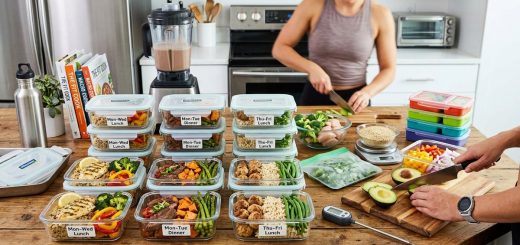
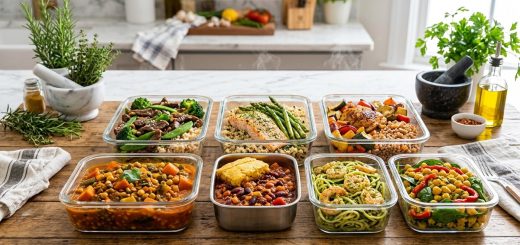
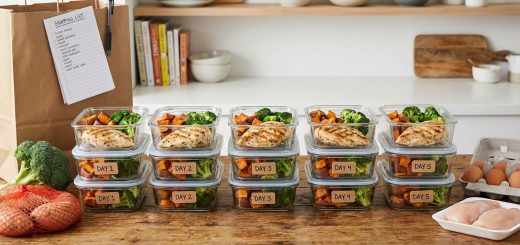
Incorporate macro calculations into your weekly meal prep to save time and reduce stress. Pre-portion your meals based on your macro targets, and store them for the week. For more ideas, check out [the ultimate macro-friendly freezer meal prep guide for beginners], which offers strategies for batch cooking and organizing your meals.
Embracing healthy cooking techniques
Pair macro tracking with healthy cooking methods. Use grilling, steaming, and roasting instead of frying. Incorporate a variety of vegetables for fiber and micronutrients. This combination helps you meet your macro goals while nourishing your body.
Keep moving forward with your macro journey
Remember, calculating macros is a skill that improves with practice. Use tools and resources to simplify the process, stay consistent, and adapt your plan as your goals evolve. Meal prepping with your macro targets in mind makes healthy eating easier and more enjoyable.
Final thoughts on mastering your macros
Being able to calculate and track your macros empowers you to make smarter food choices. It turns meal planning into a personalized system that supports your health and fitness. Start with simple calculations, use digital tools to assist, and keep practicing. Before long, macro counting will feel natural and help you stay aligned with your goals.
Happy meal prepping and macro tracking! With patience and consistency, you’ll develop habits that last and results that speak for themselves.