7 High-Protein Sheet Pan Dinners That Make Post-Workout Cleanup a Breeze
You just finished a tough workout. Your muscles are tired, your energy is low, and the last thing you want to do is spend an hour scrubbing pans. You need a meal that delivers protein for recovery, tastes rewarding, and leaves you with minimal cleanup. That is where high-protein sheet pan dinners come in. They let you roast a complete meal on one tray, combining your protein, vegetables, and healthy fats in a single cooking session. No multiple pots. No greasy stovetop. Just one pan to wash and a dinner that supports your goals.
High-protein sheet pan dinners are the most efficient way to refuel after exercise. By choosing the right protein sources, arranging your ingredients for even cooking, and using simple seasoning techniques, you can build a meal that delivers 30 to 50 grams of protein with less than 15 minutes of active prep and one pan to clean.
Why Sheet Pan Dinners Work for Muscle Recovery
After a workout, your body needs protein to repair muscle tissue and carbohydrates to replenish glycogen stores. A sheet pan dinner lets you balance both on one tray. You place a protein source like chicken breast, salmon, or firm tofu next to chopped vegetables and a starch like sweet potatoes or chickpeas. Everything roasts together, and the flavors mingle without extra effort.
This method also helps with portion control. You can weigh your protein before it goes into the oven, measure your vegetables, and add healthy fats through a drizzle of olive oil or a sprinkle of nuts. The result is a meal that fits your macros without guesswork.
The Best Protein Sources for Sheet Pan Cooking
Not all proteins roast the same way. Some cook faster than others, and some dry out if left too long. Here are the top choices for sheet pan dinners that stay moist and flavorful.
- Chicken breast or thighs. Boneless skinless chicken breasts are lean and cook in 20 to 25 minutes at 400°F. Thighs have more fat, which keeps them juicy.
- Salmon fillets. Salmon cooks in about 12 to 15 minutes. Place it skin side down on the pan and add a lemon wedge for brightness.
- Shrimp. Shrimp need only 8 to 10 minutes. Toss them in a bowl with oil and spices before spreading them on the tray.
- Firm tofu or tempeh. Press tofu to remove excess water, then cube it. Tempeh holds its shape well and absorbs marinades nicely.
- Lean ground meat. Form turkey or chicken into small meatballs. They cook evenly and pair well with roasted peppers and onions.
How to Build a Balanced Sheet Pan Dinner
Building a plate on a single pan requires some strategy. Follow these steps for even cooking and great texture.
- Preheat your oven to 400°F. A hot oven ensures browning without drying out the food.
- Choose one protein source. Aim for 6 to 8 ounces per serving.
- Add vegetables that roast at a similar time. Broccoli, bell peppers, zucchini, and cherry tomatoes all work well.
- Include a complex carbohydrate. Sweet potato cubes, halved Brussels sprouts, or chickpeas add fiber and energy.
- Season everything together. Toss the protein and vegetables in olive oil, salt, pepper, and any spices you enjoy. Spread them in a single layer on a parchment lined baking sheet.
- Roast until the protein hits a safe internal temperature. Use a meat thermometer to check. Chicken should reach 165°F, fish 145°F.
- Let the pan rest for three minutes before serving. This allows juices to redistribute.
Common Mistakes and How to Avoid Them
Even experienced cooks make errors with sheet pan meals. The table below shows the most common problems and their fixes.
| Mistake | Why It Happens | How to Fix It |
|---|---|---|
| Protein comes out dry | Overcooking or using lean cuts without fat | Use a meat thermometer and remove at the correct temp. Add a light coating of oil or a marinade. |
| Vegetables turn soggy | Too much moisture or overcrowding the pan | Pat vegetables dry before seasoning. Leave space between pieces so steam escapes. |
| Food sticks to the pan | No parchment paper or insufficient oil | Line the pan with parchment paper or a silicone mat. Use enough oil to lightly coat everything. |
| Uneven cooking | Different sized pieces on the same tray | Cut protein and vegetables into similar sizes. Place thicker items toward the edges where heat is higher. |
| Bland flavor | Relying only on salt and pepper | Use a dry rub, a marinade, or a spice blend. Acid from lemon juice or vinegar brightens the whole dish. |
One of the best upgrades you can make is investing in a quality half sheet pan and a roll of unbleached parchment paper. They make cleanup nearly effortless and prevent food from burning on the bottom. If you cook sheet pan meals often, the small cost is worth every penny.
Timing Your Post-Workout Sheet Pan Dinner
The timing of your meal matters for recovery. Ideally, you want to eat within two hours after your workout, and sooner if you trained fasted. Sheet pan dinners support this timeline because most recipes take 30 to 40 minutes total, including prep and roasting.
Here is a sample schedule for a weeknight.
- 5:30 PM: Finish workout.
- 5:40 PM: Preheat oven and prep ingredients. This takes about 10 minutes.
- 5:50 PM: Place the pan in the oven.
- 6:20 PM: Dinner is ready. You eat while the food is hot.
- 6:40 PM: Cleanup takes less than five minutes. One pan, a cutting board, and a knife.
If you want to save even more time, you can chop your vegetables the night before or marinate the protein in the morning. For more ideas on streamlining your cooking, check out this guide on efficient meal prep strategies for busy fitness enthusiasts.
Three High-Protein Sheet Pan Combinations to Try
These combinations are simple, balanced, and built for recovery.
Lemon herb chicken with broccoli and sweet potatoes. Toss cubed sweet potatoes in olive oil and rosemary. Roast for 10 minutes, then add seasoned chicken breasts and broccoli florets to the same pan. Roast another 20 minutes. This meal provides around 40 grams of protein per serving.
Spicy salmon with asparagus and chickpeas. Drain and rinse canned chickpeas, then toss them with cumin and smoked paprika. Place salmon fillets skin side down on the pan, add asparagus spears and the chickpeas, and roast for 15 minutes. Finish with a squeeze of lime. Each serving gives you about 35 grams of protein.
Turkey meatballs with bell peppers and zucchini. Mix lean ground turkey with breadcrumbs, an egg, and Italian seasoning. Form into meatballs and arrange them on the pan with sliced bell peppers and zucchini. Roast for 22 minutes. Serve with a side of whole wheat couscous if you need extra carbs. This dinner delivers roughly 38 grams of protein.
Making Sheet Pan Dinners Part of Your Meal Prep
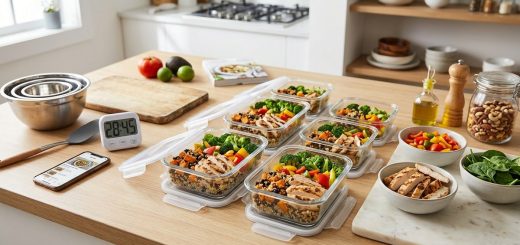
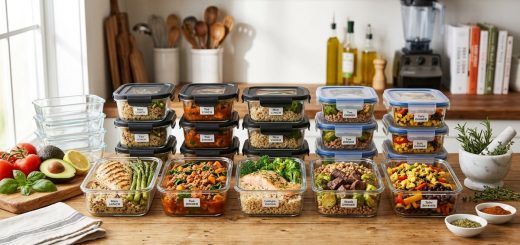
You can also use sheet pans for meal prep. Roast a large batch of protein and vegetables on Sunday, then portion them into containers for the week. This works especially well if you follow a plan like the 5-day muscle building meal prep on a budget. Just store the components separately so the vegetables do not get soggy, and reheat in the microwave or oven.
For variety, rotate your protein sources each week. Chicken one week, salmon the next, then tofu or tempeh. This prevents boredom and gives your body a range of amino acids. If you struggle with keeping meals interesting, read about why your meal prep tastes boring and how to fix it with 5 simple add-ons.
Tools That Make Sheet Pan Cooking Easier
You do not need a kitchen full of gadgets, but a few items help a lot.
- A half sheet pan that is sturdy and does not warp in high heat.
- Parchment paper or a silicone baking mat for non stick cooking.
- A digital meat thermometer to avoid over or undercooking.
- A large mixing bowl for tossing ingredients with oil and spices.
- Tongs for flipping halfway through roasting.
These tools are affordable and last for years. They also support other cooking methods, so they earn their place in any kitchen.
How to Calculate Protein Per Serving
If you track macros, you need to know how much protein your sheet pan dinner contains. Here is a simple method.
- Weigh your protein source raw. Most meat and fish lose about 25 percent of their weight during cooking due to moisture loss.
- Multiply the raw weight by the protein percentage. For example, chicken breast is roughly 31 grams of protein per 100 grams raw.
- Divide the total protein by the number of servings.
A 200 gram raw chicken breast gives you about 62 grams of protein. If you split that into two servings, each has 31 grams. Add the protein from vegetables and grains, which is usually small but adds up. For a deeper look at your daily needs, see how much protein do you really need after a workout.
A Simple Way to Start Tonight
You do not need a special recipe. Take a protein source you like, chop some vegetables, season everything, and roast it on one pan. That is the core method. Once you feel comfortable, you can branch out with different spice blends, marinades, and vegetable combinations.
Try this tonight. Preheat the oven to 400°F. On a lined baking sheet, place two boneless chicken breasts, two cups of broccoli florets, and one diced sweet potato. Drizzle with olive oil, salt, pepper, and garlic powder. Roast for 25 minutes. Check the chicken with a thermometer. Let it rest for three minutes, then eat. The whole process takes about 35 minutes, and you only wash one pan.
Why This Method Sticks
High-protein sheet pan dinners are not a trend. They solve a real problem for anyone who trains hard and values their time. You get a complete meal that supports muscle repair, keeps you full, and respects your evening. No complicated steps, no mountains of dishes, no reason to skip cooking because it feels like a chore.
The more you practice, the faster you become. Soon you will be able to prep a sheet pan dinner in the time it takes to preheat the oven. That is the kind of skill that pays off every single week.
Make Sheet Pan Dinners Your Recovery Standard
If you have been relying on protein shakes or takeout after workouts, give sheet pan dinners a try for one week. Notice how your energy feels, how your recovery improves, and how much time you save on cleanup. This small change can become the foundation of your post workout nutrition.
Start with the combinations listed above, then experiment with your own. Use what you have in the fridge. Swap in seasonal vegetables. Adjust the spices to match your cravings. The method is flexible, and that flexibility is what makes it sustainable. For more inspiration, browse these one-pan meal prep recipes that actually taste good reheated and keep building a routine that works for your body and your schedule.