The Ultimate Low Carb Grocery List for Fitness-Focused Meal Planning
Walking into a grocery store without a plan is like hitting the gym without a program. You wander the aisles, grab random items, and end up with a cart full of foods that don’t support your goals. A solid low carb grocery list changes everything. It keeps you focused, saves money, and ensures your kitchen is stocked with foods that fuel your workouts and help you stay lean.
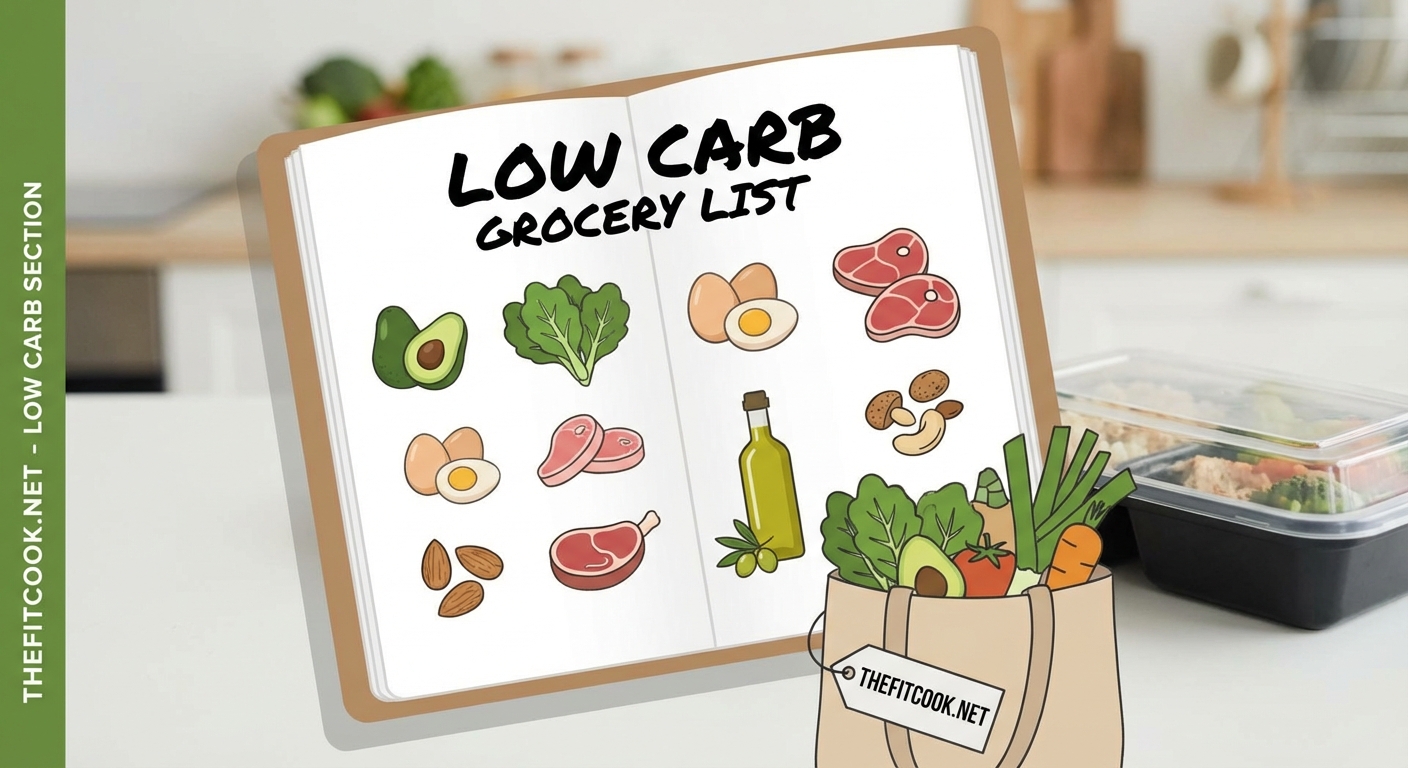
A well-structured low carb grocery list organizes proteins, healthy fats, vegetables, and pantry staples into shopping categories. This approach eliminates guesswork, reduces impulse purchases, and ensures you have the right ingredients for fitness-focused meals. Planning ahead saves time and keeps your nutrition on track throughout the week.
Building your protein foundation
Protein forms the backbone of any fitness-focused eating plan. Your muscles need it for recovery, and it keeps you satisfied between meals.
Start with whole cuts of meat. Chicken breast, thighs, and ground turkey offer versatility. Beef options include ground beef (80/20 or 85/15), sirloin, and ribeye. Pork chops and tenderloin work well for variety.
Don’t skip fatty fish. Salmon, mackerel, and sardines provide omega-3s that reduce inflammation. Canned tuna and salmon make easy protein additions to salads and lettuce wraps.
Eggs deserve a permanent spot on your list. They’re affordable, packed with nutrients, and work for any meal. Buy a few dozen at a time.
Deli meats can help in a pinch. Choose options without added sugars. Turkey, roast beef, and ham work well for fast lunches.
Stock your freezer with individually frozen chicken breasts and ground meat. You can thaw exactly what you need without waste, and bulk purchases save money over time.
Healthy fats that support your goals
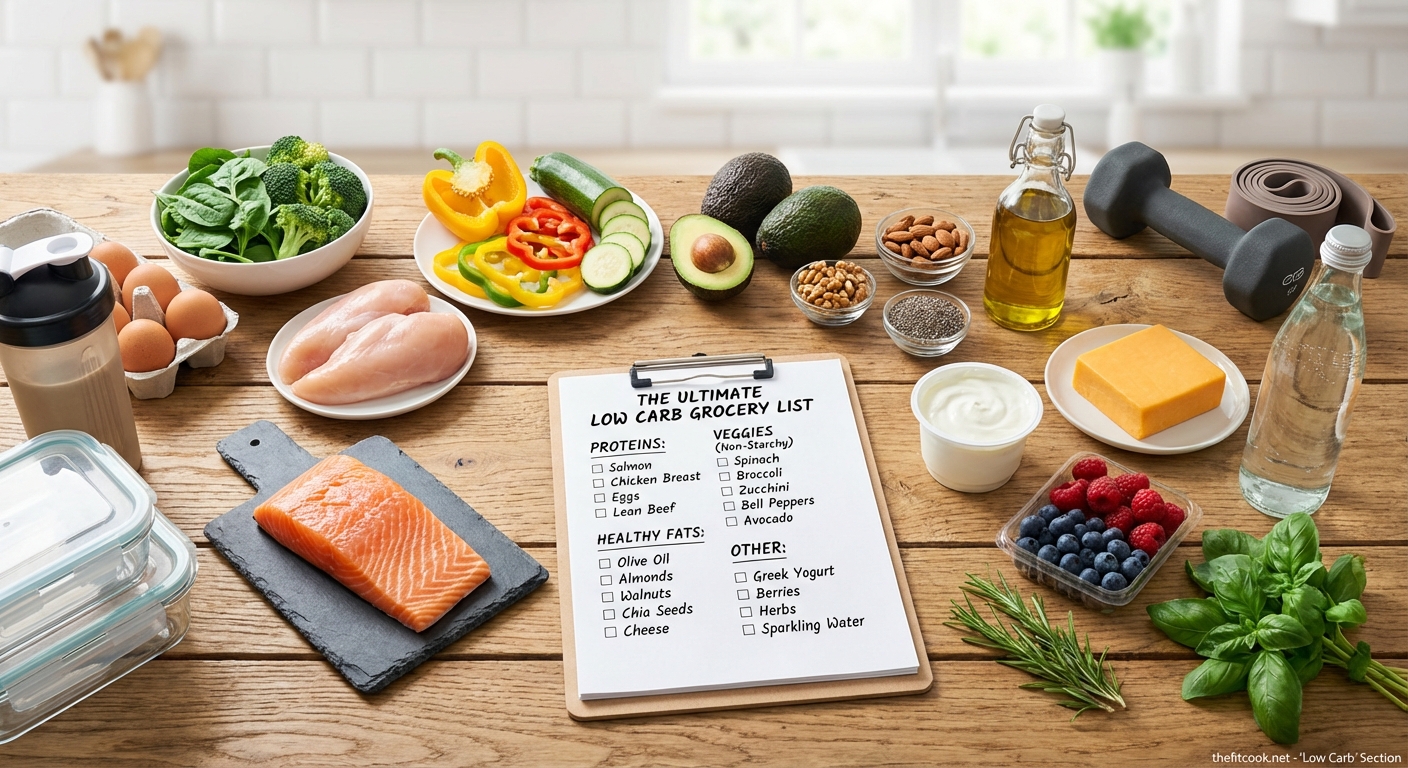
Low carb eating means getting comfortable with fat. Your body uses it for energy when carbs are restricted.
Cooking fats should include:
– Avocado oil for high-heat cooking
– Olive oil for dressings and medium-heat cooking
– Coconut oil for specific recipes
– Grass-fed butter or ghee for flavor
Whole food fat sources matter too. Avocados provide fiber along with healthy fats. A single avocado contains around 12 grams of carbs, but 10 of those are fiber.
Nuts and seeds work as snacks and recipe ingredients. Almonds, walnuts, pecans, and macadamia nuts keep well in the pantry. Chia seeds and flaxseeds add texture to recipes.
Full-fat dairy products include heavy cream, cream cheese, sour cream, and Greek yogurt. Check labels because some yogurts sneak in extra sugar.
Cheese provides both protein and fat. Cheddar, mozzarella, parmesan, feta, and goat cheese all have minimal carbs. Buy blocks and shred them yourself to avoid anti-caking agents.
Vegetables that won’t derail your carb count
Not all vegetables fit a low carb approach. Root vegetables and starchy options can add up fast.
Best choices for low carb eating:
– Leafy greens like spinach, kale, arugula, and lettuce
– Cruciferous vegetables including broccoli, cauliflower, Brussels sprouts, and cabbage
– Zucchini and summer squash
– Bell peppers in all colors
– Asparagus and green beans
– Mushrooms of any variety
– Celery and cucumber
Cauliflower deserves special mention. It replaces rice, mashes like potatoes, and forms pizza crusts. Buy fresh heads or pre-riced bags for convenience.
Frozen vegetables work just as well as fresh. They’re picked at peak ripeness and often cost less. Stock your freezer with broccoli, cauliflower rice, and mixed vegetables without sauces.
Tomatoes and onions contain more carbs than other vegetables. Use them in moderation for flavor without overdoing it.
Pantry staples that make meal prep easier
Your pantry needs basics that turn simple proteins and vegetables into satisfying meals.
| Category | Essential Items | Why They Matter |
|---|---|---|
| Oils & Vinegars | Avocado oil, olive oil, apple cider vinegar, red wine vinegar | Cooking and dressing base |
| Seasonings | Salt, pepper, garlic powder, onion powder, paprika, cumin | Flavor without carbs |
| Condiments | Mustard, hot sauce, sugar-free ketchup, mayo | Meal variety |
| Baking | Almond flour, coconut flour, baking powder | Low carb alternatives |
| Canned Goods | Tomato paste, coconut milk, chicken broth | Recipe foundations |
Spices and herbs transform basic meals. Fresh herbs like basil, cilantro, and parsley add brightness. Dried herbs and spices last months in your pantry.
Sugar-free condiments require label reading. Many brands add sugar to ketchup, BBQ sauce, and salad dressings. Look for versions sweetened with stevia or monk fruit.
Canned tomatoes and tomato paste provide flavor bases for sauces. A tablespoon of tomato paste has about 3 grams of carbs, so measure carefully.
Strategic shopping for fitness results
How you shop matters as much as what you buy.
Follow this process:
- Plan your meals for the week before shopping
- Write your list organized by store sections
- Shop the perimeter first for fresh foods
- Check labels for hidden sugars and carb counts
- Buy proteins in bulk when prices drop
- Prep vegetables immediately after shopping
Meal planning prevents decision fatigue during the week. When you know what you’re making, you eat better and waste less food.
Organization saves time in the store. Group proteins together, then vegetables, then pantry items. You won’t backtrack through aisles.
The perimeter of most stores holds whole foods. Produce, meat, dairy, and eggs live on the edges. Processed foods fill the center aisles.
Label reading becomes automatic with practice. Total carbs minus fiber equals net carbs. Some people track total carbs, others focus on net carbs. Pick one method and stay consistent.
Bulk buying works for items you use regularly. Chicken breast goes on sale every few weeks. Stock your freezer and save money over time.
Prepping vegetables right away makes weeknight cooking faster. Wash lettuce, chop peppers, and portion snacks. Future you will appreciate the effort.
Foods that seem low carb but aren’t
Some products market themselves as healthy while hiding significant carbs.
Watch out for:
– Flavored yogurts with fruit on the bottom
– Trail mixes with dried fruit and chocolate
– Granola and protein bars with “natural” sweeteners
– Veggie chips and crackers
– Smoothies and acai bowls
– Low-fat salad dressings with added sugar
Protein bars deserve special attention. Many contain 20-30 grams of carbs from dates, honey, or other sweeteners. Read every label.
Nut butters sometimes include added sugar. Natural versions with just nuts and salt work better. Almond butter and peanut butter both fit low carb eating in measured amounts.
Dairy alternatives like almond milk and coconut milk need checking. Unsweetened versions have minimal carbs. Sweetened varieties can pack 10-15 grams per cup.
Smart substitutions for favorite foods
Low carb eating doesn’t mean giving up texture and variety.
Cauliflower rice replaces regular rice in stir-fries and burrito bowls. One cup has about 5 grams of carbs compared to 45 grams in white rice.
Zucchini noodles (zoodles) work for pasta dishes. Spiralize them yourself or buy pre-made. They cook in minutes and absorb sauces well.
Lettuce wraps replace tortillas and bread. Butter lettuce and romaine leaves hold fillings without falling apart.
Almond flour and coconut flour substitute for wheat flour in baking. They behave differently, so follow recipes designed for them.
Mashed cauliflower mimics mashed potatoes. Add butter, cream cheese, and garlic for a side dish that satisfies.
Pork rinds replace crackers and breadcrumbs. They add crunch to recipes and work as dippers for guacamole and salsa.
Snacks that support training and recovery
Between-meal hunger happens, especially when you train hard.
Keep these options ready:
– Hard-boiled eggs
– Cheese cubes or string cheese
– Beef jerky without sugar
– Nuts in pre-portioned bags
– Celery with almond butter
– Pepperoni slices
– Olives
– Pickles
Pre-portioning prevents overeating. Nuts are easy to overdo because they taste good and contain calories. Measure servings into small bags or containers.
Jerky brands vary widely in carb content. Some add teriyaki sauce or honey. Plain, peppered, or spicy versions usually have fewer carbs.
Vegetables with dip make satisfying snacks. Cucumber slices, bell pepper strips, and celery sticks pair with ranch dressing or guacamole.
Budget-friendly strategies for clean eating
Low carb eating doesn’t require expensive specialty foods.
Eggs provide the cheapest protein per gram. A dozen eggs costs a few dollars and delivers 72 grams of protein.
Chicken thighs cost less than breasts and contain more flavor. The extra fat fits low carb eating perfectly.
Frozen vegetables match fresh nutrition at lower prices. Buy large bags and use what you need.
Ground beef on sale can be portioned and frozen. Brown several pounds at once for easy meal assembly later.
Seasonal produce costs less and tastes better. Summer brings cheap zucchini and peppers. Winter offers affordable cabbage and Brussels sprouts.
Store brands for basics like butter, cheese, and canned goods save money without sacrificing quality.
Sample shopping list for one week
This list supports five dinners and basic breakfast and lunch options for one person:
Proteins:
– 2 pounds chicken breast
– 1 pound ground beef
– 1 pound salmon
– 1 dozen eggs
– 8 ounces deli turkey
Vegetables:
– 2 heads broccoli
– 1 head cauliflower
– 1 bag spinach
– 2 bell peppers
– 1 zucchini
– 1 container mushrooms
– 1 head lettuce
Fats:
– 2 avocados
– 8 ounces cheddar cheese
– 1 container heavy cream
– 1 jar mayonnaise
Pantry additions:
– Avocado oil
– Garlic powder
– Salt and pepper
This basic framework adapts to your preferences and household size. Scale up quantities for families or meal prep enthusiasts.
Making your list work for your lifestyle
Your grocery list should match your cooking skills and schedule.
Beginners benefit from simple proteins and vegetables. Grilled chicken with roasted broccoli requires minimal technique.
Busy schedules call for prep-friendly items. Pre-washed greens, rotisserie chicken, and frozen vegetables cut cooking time.
Meal prep enthusiasts can buy in bulk. Cooking large batches on Sunday sets up the whole week.
Families need variety to keep everyone happy. Stock multiple protein options and let people choose their vegetables.
Athletes and heavy trainers might need more protein. Add extra eggs, Greek yogurt, and protein powder to your list.
Your kitchen, your results
A well-stocked kitchen removes barriers between you and your goals. When healthy options fill your fridge and pantry, eating well becomes the path of least resistance. Your low carb grocery list isn’t just a shopping tool. It’s a commitment to showing up for yourself every single day. Start with the basics, refine your list over time, and watch how proper planning transforms both your physique and your relationship with food.