30 Low Carb Meal Prep Recipes That Actually Keep You Full All Week
Meal prepping on a low carb diet doesn’t mean eating sad salads for seven days straight. When you build your weekly menu around protein, healthy fats, and fiber-rich vegetables, you create meals that actually satisfy hunger and keep energy steady from Monday through Friday. The secret is choosing recipes that hold up well in the fridge, reheat beautifully, and deliver the macros your body needs to feel full between meals.
Successful low carb meal prep combines high protein ingredients with healthy fats and non-starchy vegetables. Planning one prep session creates five to seven days of satisfying meals. Focus on recipes with 20+ grams of protein per serving, use quality storage containers, and batch cook proteins separately from vegetables for better texture. This approach saves time, reduces decision fatigue, and keeps you full throughout the week.
Why Low Carb Meal Prep Works Better Than Daily Cooking
Preparing meals in advance removes the 5 PM panic when hunger hits and willpower disappears. You open the fridge and find a complete meal instead of random ingredients that require chopping, seasoning, and cooking.
Low carb eating relies heavily on fresh proteins and vegetables. These ingredients take longer to prepare than opening a box of pasta. Batch cooking transforms three hours on Sunday into 15 meals ready to grab.
The financial benefits add up fast. Buying chicken thighs in bulk costs half the price of buying two breasts at a time. A whole head of cauliflower makes four servings of rice for less than one takeout side dish.
Your macros stay consistent when you prep ahead. Each container holds measured portions of protein, fat, and carbs. No guessing. No tracking surprises at 9 PM when you realize you ate 50 grams of carbs instead of 20.
Essential Equipment for Low Carb Meal Prep Success
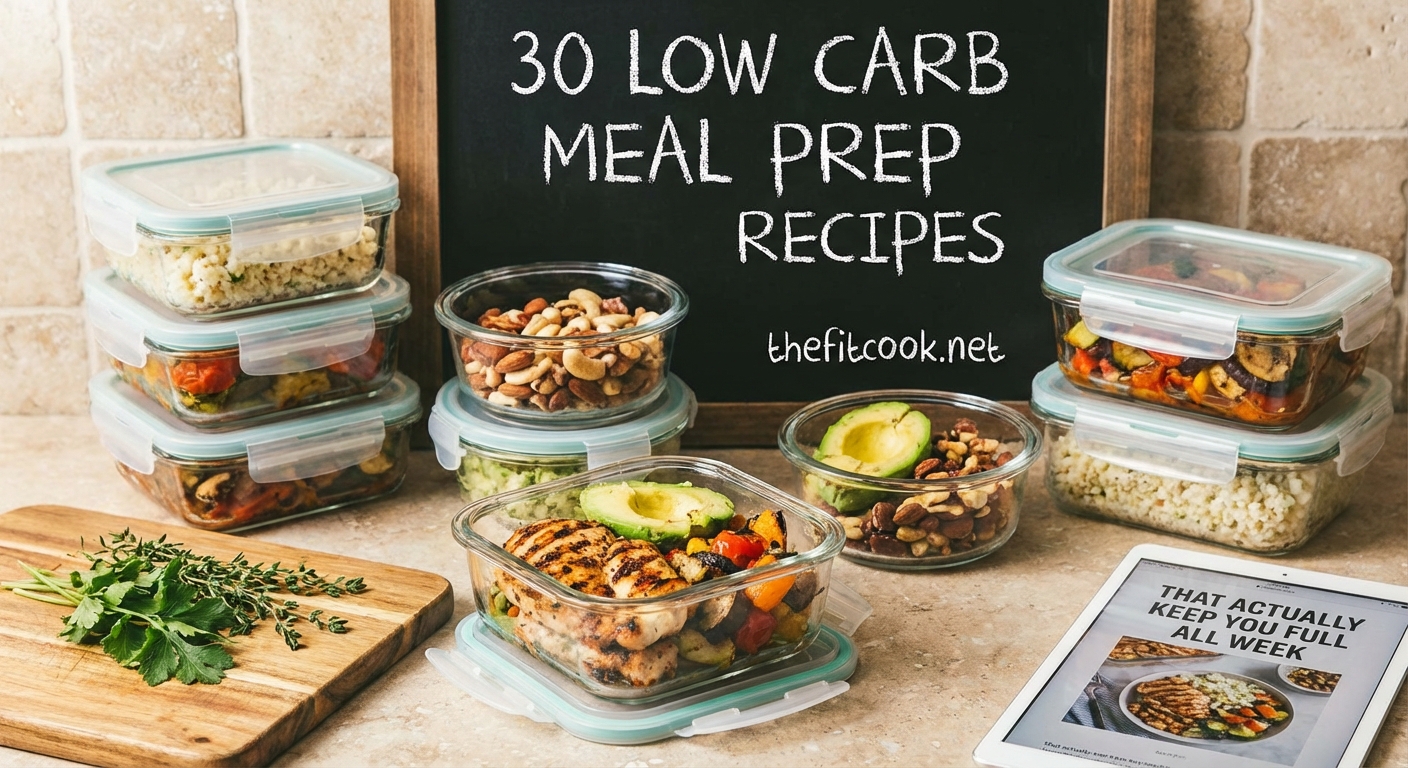
The right tools make prep day flow smoothly instead of feeling like a kitchen disaster.
Glass containers with snap lids preserve food quality better than plastic. They don’t absorb odors, stain from tomato-based sauces, or leach chemicals when reheated. A set of 10 containers in two sizes handles most weekly needs.
A sharp chef’s knife cuts prep time in half. Dull knives make chopping vegetables tedious and dangerous. Invest in one quality 8-inch blade and learn to maintain the edge.
Sheet pans let you roast multiple proteins and vegetables simultaneously. Line them with parchment paper for easy cleanup. Two half-sheet pans fit in most ovens and handle enough food for six servings.
A food scale eliminates portion guessing. Eyeballing 4 ounces of chicken never works. Weighing ensures each container has the protein and fat you planned.
Additional helpful items:
- Slow cooker for hands-off protein cooking
- Instant pot for faster meal components
- Mandoline slicer for uniform vegetable cuts
- Silicone muffin cups for egg bites
- Mason jars for salad dressings and sauces
Building a Weekly Low Carb Meal Prep Plan
Start with a simple framework instead of trying to prep 21 different meals.
- Choose two breakfast options and alternate them throughout the week
- Select three lunch recipes and rotate them over five days
- Pick three dinner proteins and pair them with different vegetable sides
- Prepare two snack options for between-meal hunger
This rotation prevents boredom without overwhelming your prep time. You’ll cook each recipe once but eat it multiple times.
Monday planning saves Sunday stress. Sit down with your calendar and note which days need portable lunches versus meals eaten at home. Check your schedule for late meetings or kids’ activities that require grab-and-go dinners.
Write your grocery list by store section. Group all proteins, then vegetables, then dairy, then pantry items. This organization prevents forgotten ingredients and multiple store trips.
Shop once for the entire week. Buying ingredients in single-meal quantities costs more and wastes time. Purchase family packs of chicken thighs, ground beef, and salmon. Buy vegetables that store well like broccoli, cauliflower, bell peppers, and zucchini.
The Best Proteins for Low Carb Meal Prep
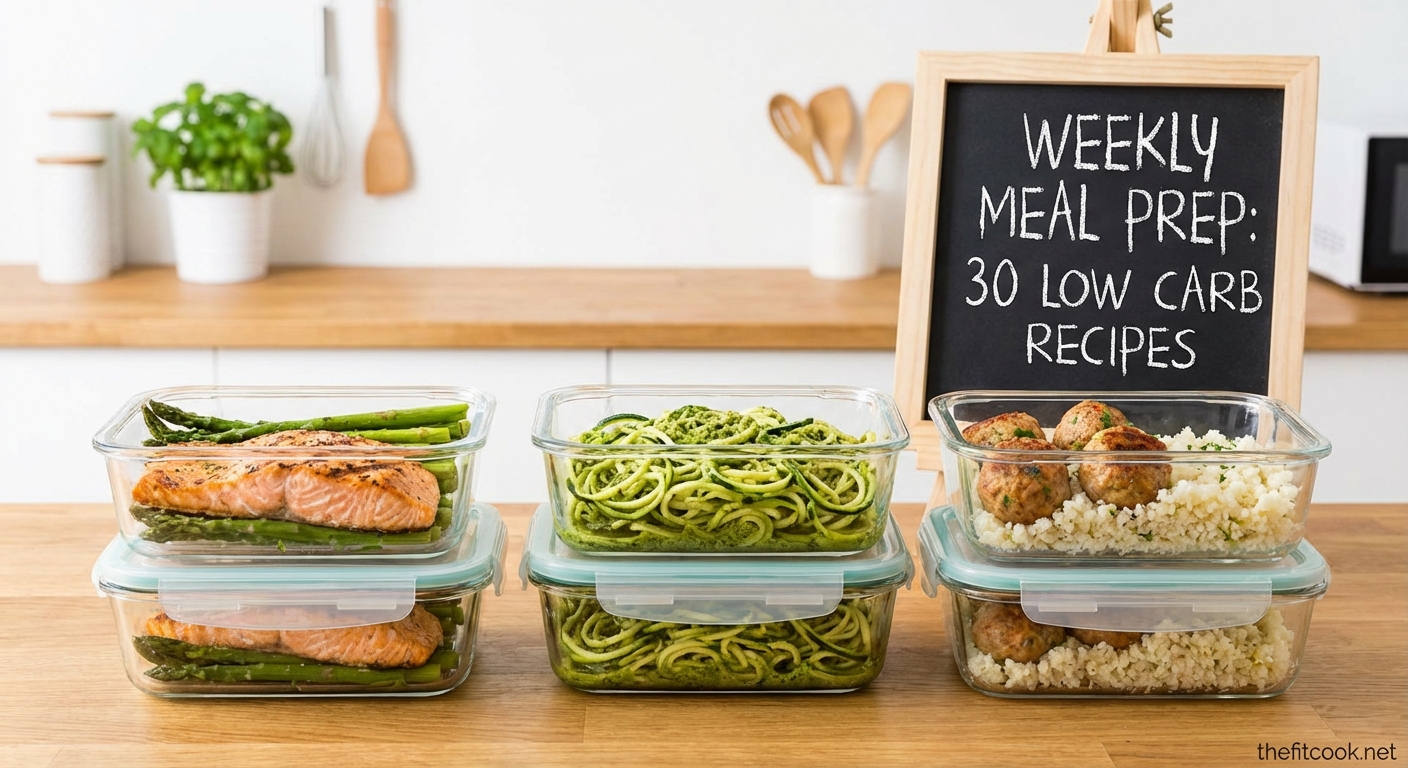
Not all proteins reheat equally. Some dry out while others improve with time.
| Protein Type | Prep Method | Storage Time | Reheating Quality |
|---|---|---|---|
| Chicken thighs | Bake or slow cook | 5 days | Excellent |
| Ground beef | Brown and season | 5 days | Excellent |
| Pork tenderloin | Roast whole | 4 days | Good |
| Salmon | Bake or pan sear | 3 days | Fair |
| Hard boiled eggs | Boil in batch | 7 days | Excellent |
| Turkey meatballs | Bake on sheet pan | 5 days | Excellent |
Chicken breasts work for meal prep but require careful cooking. Overcooking by even two minutes creates dry, rubbery meat. Thighs contain more fat and forgive timing mistakes.
Ground meat offers incredible versatility. Season it with taco spices, Italian herbs, or Asian flavors. Use it in lettuce wraps, over cauliflower rice, or mixed with roasted vegetables.
Cook proteins to proper temperature, then cool them fast. Leaving cooked chicken on the counter for an hour invites bacterial growth. Portion into containers and refrigerate within 30 minutes of cooking.
The biggest meal prep mistake I see is cooking everything on Sunday night. By Thursday, you’re eating four-day-old food that tastes like the fridge. Instead, prep ingredients on Sunday and do a mid-week mini prep on Wednesday. Your meals taste fresh and you stay motivated.
Low Carb Vegetables That Hold Up All Week
Choosing the right vegetables makes the difference between crisp, flavorful sides and mushy disappointments.
Roasted vegetables maintain texture better than steamed. The high heat caramelizes natural sugars and removes excess moisture. Broccoli, cauliflower, Brussels sprouts, and asparagus all improve with roasting.
Keep dressings separate until serving. Pouring vinaigrette over salad greens on Sunday creates wilted sadness by Tuesday. Store dressings in small containers and add them right before eating.
Spiralized vegetables work better raw. Zucchini noodles turn soggy when pre-cooked. Spiralize them on Sunday, store them in paper towels to absorb moisture, and cook them fresh in two minutes when needed.
Raw vegetables for snacking:
- Bell pepper strips with ranch dip
- Cucumber slices with everything bagel seasoning
- Celery sticks with almond butter
- Cherry tomatoes with mozzarella
- Radish chips with guacamole
Five Day Breakfast Meal Prep Formula
Breakfast prep follows a different strategy than lunch and dinner. Most people want variety but need speed on weekday mornings.
Egg-based meals dominate low carb breakfast prep. Bake a frittata in a 9×13 pan, cut it into six portions, and reheat slices in 90 seconds. Add different vegetables and cheeses each week for variety.
Egg bites mimic expensive coffee shop versions at a fraction of the cost. Blend eggs with cottage cheese, pour into silicone muffin cups, add mix-ins like bacon and cheddar, and bake at 300°F for 25 minutes.
Chia pudding requires zero cooking. Mix chia seeds with unsweetened almond milk, vanilla, and a low carb sweetener. Let it sit overnight. Top with berries and nuts in the morning.
Breakfast bowls combine scrambled eggs, sausage, cheese, and avocado. Reheat everything except the avocado, which you add fresh. The healthy fats keep you satisfied until lunch.
Prep these components separately:
- Cook a pound of breakfast sausage or bacon
- Scramble or hard boil a dozen eggs
- Chop vegetables for omelets
- Portion berries into small containers
- Make a batch of almond flour muffins
Assemble different combinations each morning using the same prepped ingredients.
Lunch Recipes That Travel Well
Packed lunches need to survive commutes, office refrigerators, and microwave reheating without turning into a mess.
Burrito bowls pack all the flavor without the carb-heavy tortilla. Layer cauliflower rice, seasoned ground beef, cheese, sour cream, salsa, and lettuce in compartmented containers. Everything stays separate until you’re ready to eat.
Chicken salad made with mayo, celery, and herbs tastes better on day three than day one. The flavors meld and develop. Serve it over mixed greens or wrapped in lettuce leaves.
Zucchini lasagna uses thin zucchini slices instead of noodles. Layer them with ricotta, meat sauce, and mozzarella. Bake in individual portions. It reheats perfectly and feels like comfort food.
Taco salad jars layer ingredients in mason jars. Dressing goes on the bottom, then sturdy vegetables, then protein, then delicate greens on top. Shake and eat straight from the jar.
Sheet pan fajitas roast sliced chicken, peppers, and onions together. Portion them into containers with a side of guacamole and sour cream. Wrap in low carb tortillas or eat as a bowl.
Dinner Meal Prep for Busy Weeknights
Dinner requires more variety than lunch because you’re often feeding family members with different preferences.
Protein and two sides is the simplest dinner formula. Grill or bake a protein, pair it with a roasted vegetable and a fresh salad. Everything stores separately and reheats at different temperatures.
One-pan meals minimize dishes and cooking time. Arrange chicken thighs on a sheet pan, surround them with Brussels sprouts and cherry tomatoes, drizzle with olive oil, and roast at 425°F for 35 minutes.
Slow cooker meals cook while you work. Throw in a pork shoulder with spices in the morning. Come home to pulled pork that shreds easily. Serve it over cauliflower rice or in lettuce cups.
Casseroles feed multiple people and reheat well. Combine cooked ground beef, riced cauliflower, cream cheese, cheddar, and seasonings. Bake until bubbly. Cut into portions.
Stir fry components prep separately. Slice all your vegetables on Sunday. Marinate protein. Store everything raw. When dinner time arrives, cooking takes eight minutes in a hot wok.
Smart Snack Prep Strategies
Snacks prevent the 3 PM vending machine disaster. Having ready options means you won’t grab whatever’s available when hunger strikes.
Portion nuts immediately after buying them. A serving of almonds is one ounce, about 23 nuts. Eating from a large container leads to mindless munching. Divide them into small bags or containers.
Make fat bombs for sweet cravings. Combine cream cheese, butter, cocoa powder, and sweetener. Roll into balls and freeze. They satisfy dessert urges with minimal carbs.
Prep veggie snack packs with individual portions of ranch or hummus. Wash and cut vegetables on Sunday. Grab a pack each day.
String cheese and pepperoni require zero prep but provide protein and fat. Keep them stocked.
Pork rinds replace chips when you want something crunchy and salty. Pair them with guacamole or cream cheese dip.
Common Meal Prep Mistakes and How to Fix Them
Even experienced preppers fall into these traps.
Cooking everything to death. Remember that most meals get reheated. Slightly undercook vegetables so they don’t turn to mush after microwaving. Chicken should reach 165°F but not sit at that temperature for 10 minutes.
Using containers that leak. Nothing ruins a work bag faster than leaked chicken juice. Invest in containers with secure locking lids and silicone seals.
Forgetting to label and date. That container of ground beef could be from last Sunday or three weeks ago. Use masking tape and a marker to note contents and prep date.
Prepping foods you don’t actually enjoy. Meal prep won’t work if you force yourself to eat steamed broccoli because it’s “healthy.” Choose vegetables you genuinely like.
Making the same five meals every week. Boredom kills consistency. Rotate new recipes into your lineup. Try one new recipe each week while keeping familiar favorites.
Making Meal Prep Fit Your Schedule
Not everyone has three free hours on Sunday afternoon. Adapt the process to your reality.
Split prep across two days. Cook proteins on Saturday. Chop and roast vegetables on Sunday. Breaking it up prevents burnout.
Use a mid-week refresh. Prep Monday through Wednesday meals on Sunday. Prep Thursday and Friday meals on Wednesday evening. Everything tastes fresher.
Involve family members. Kids can wash vegetables, tear lettuce, or stir ingredients. Partners can handle one component while you manage another. Teamwork cuts time in half.
Prep during other activities. Chop vegetables while watching a show. Boil eggs while answering emails. Multi-tasking makes the process feel less like a chore.
Start small. Begin by prepping just lunches. Once that becomes routine, add breakfast or dinner. Trying to prep 21 meals in week one leads to overwhelm and quitting.
Your First Week of Low Carb Meal Prep
Here’s a realistic starter plan that won’t consume your entire weekend.
Sunday prep session (2 hours):
- Bake a frittata with spinach and feta for breakfast
- Grill six chicken thighs seasoned with paprika and garlic
- Brown two pounds of ground beef with taco seasoning
- Roast two sheet pans of broccoli and cauliflower
- Hard boil a dozen eggs
- Wash and chop salad vegetables
- Make a batch of ranch dressing
Monday through Friday meals:
- Breakfast: Frittata slice reheated with avocado
- Lunch: Taco salad with ground beef, lettuce, cheese, sour cream, salsa
- Dinner: Grilled chicken thigh with roasted vegetables
- Snacks: Hard boiled eggs, string cheese, almonds
This simple plan provides variety without requiring advanced cooking skills or exotic ingredients. Each meal delivers 20+ grams of protein and keeps net carbs under 10 grams.
Storing and Reheating for Best Results
Proper storage prevents food waste and maintains meal quality.
Cool food before refrigerating but don’t leave it out for hours. Spread hot food on a clean sheet pan to speed cooling. Once it stops steaming, transfer to containers.
Stack containers efficiently. Put meals you’ll eat first at the front of the fridge. Thursday and Friday meals go in back. This prevents forgetting about containers until they spoil.
Reheat with added moisture. Sprinkle a few drops of water over chicken or vegetables before microwaving. Cover the container to trap steam. This prevents drying out.
Freeze extras immediately. If you prepped more than you’ll eat in five days, freeze portions right away. Freezing on day six doesn’t work as well as freezing on day one.
Thaw safely. Move frozen meals to the fridge the night before eating them. Avoid leaving them on the counter where bacteria can grow.
Keeping Your Meal Prep Routine Fresh
Sustainability matters more than perfection. These strategies prevent meal prep burnout.
Rotate protein sources. Don’t eat chicken every single week. Alternate between chicken, beef, pork, turkey, and fish. Your body benefits from varied nutrients.
Follow seasonal vegetables. Asparagus in spring, zucchini in summer, Brussels sprouts in fall, cauliflower in winter. Seasonal produce costs less and tastes better.
Theme your weeks. Try a Mexican-inspired week with fajitas and taco bowls. Follow it with an Italian week featuring meatballs and zucchini noodles. Themes create coherence without monotony.
Join a meal prep community. Online groups share recipes, troubleshooting tips, and motivation. Seeing others’ prep successes inspires your own creativity.
Track what you actually eat. If you consistently skip certain meals, stop making them. Prep only foods you genuinely look forward to eating.
Making Meal Prep Work Long Term
The real test comes in week four when the novelty wears off. Consistency beats intensity.
Start with manageable goals. Prepping three lunches per week beats attempting 21 meals and quitting after two weeks. Build the habit before expanding the scope.
Celebrate small wins. You made it through Wednesday without buying lunch. That’s $12 saved and macros on track. Acknowledge progress.
Adjust based on results. If you’re hungry two hours after lunch, increase protein portions. If vegetables taste bland, experiment with new seasonings. Meal prep should serve you, not feel like punishment.
Remember why you started. Whether it’s weight loss, better energy, or financial savings, reconnect with that motivation when prep day feels tedious.
Low carb meal prep transforms eating from a series of stressful decisions into a smooth system. Your fridge stays stocked with satisfying meals. Your body gets consistent nutrition. Your schedule gains hours previously spent cooking. The upfront investment of time creates freedom throughout the week.