How Much Protein Do You Really Need After a Workout?
You just crushed a solid training session. Sweat is still dripping down your face. Your muscles are pumped and fatigued. Now comes the question that matters: how much protein do you actually need to eat to make those gains stick?
Most people need 20 to 40 grams of protein after a workout to maximize muscle protein synthesis. Your exact amount depends on body weight, training intensity, and goals. Timing matters, but total daily protein intake plays a bigger role than obsessing over the post-workout window. Focus on quality sources and consistency over perfection.
The science behind post-workout protein needs
Your muscles don’t grow during your workout. They grow during recovery, when your body repairs the tiny tears created by lifting weights or intense training.
Protein provides the amino acids needed for this repair process. Without adequate protein, your body can’t build new muscle tissue effectively.
Research shows that consuming protein after training triggers muscle protein synthesis, the process where your body builds new muscle fibers. This process peaks within the first few hours after exercise but continues for up to 24 hours.
The amount you need depends on several factors:
- Your body weight and lean muscle mass
- The intensity and duration of your workout
- Your overall daily protein intake
- Whether you’re trying to build muscle or maintain it
- Your age and training experience
Athletes and serious lifters generally need more protein than sedentary individuals. But there’s a ceiling to how much your body can use at once.
How much protein your body can actually use
Here’s where things get interesting. Your body doesn’t have unlimited capacity to process protein in a single meal.
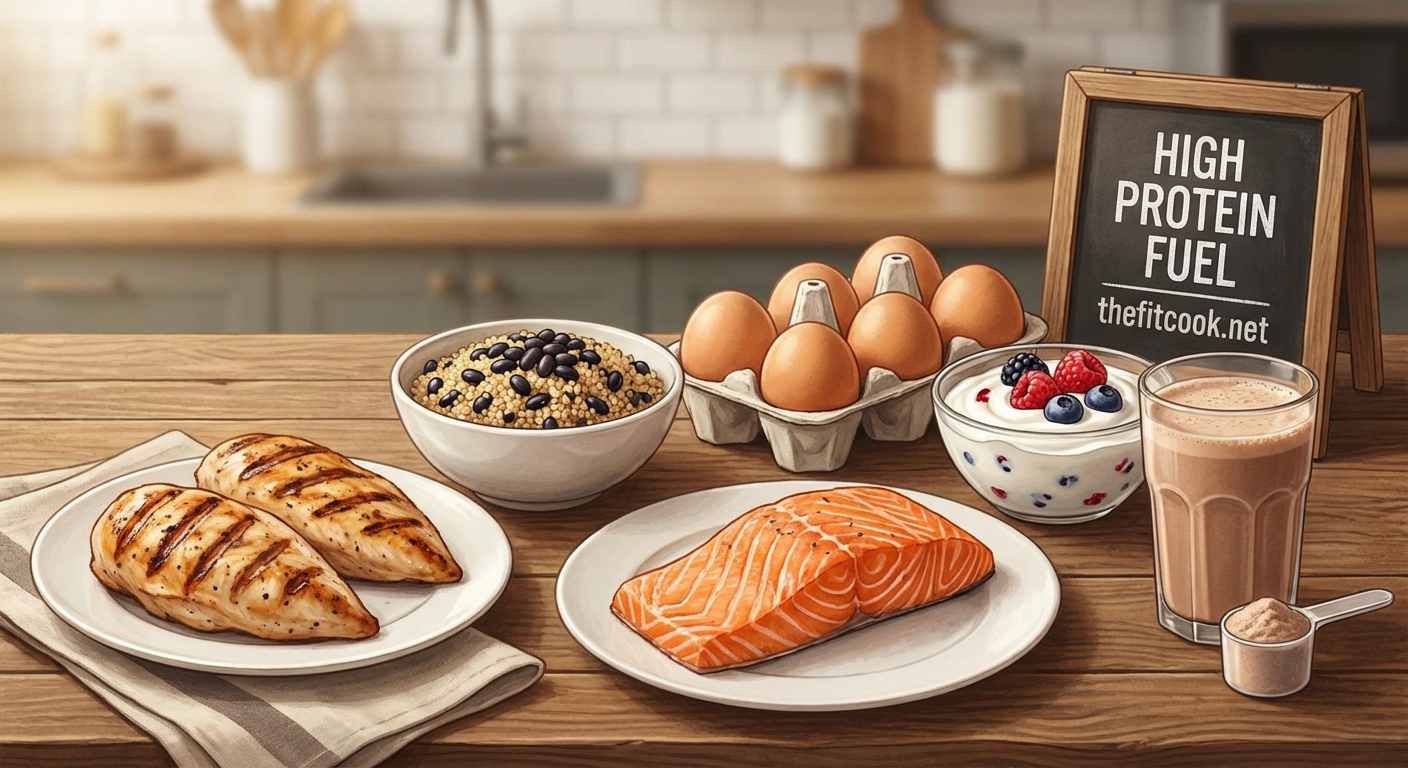
Studies consistently show that 20 to 40 grams of high-quality protein after a workout is enough to maximize muscle protein synthesis for most people.
One landmark study found that 20 grams of protein was sufficient to maximize muscle growth in young men after resistance training. Another study suggested that larger individuals or those doing full-body workouts might benefit from amounts closer to 40 grams.
The key word is “maximize.” Eating more than 40 grams won’t necessarily harm you, but it won’t provide additional muscle-building benefits either.
Your body will use what it needs for muscle repair and convert the excess into energy or store it as fat.
“The sweet spot for most people is 0.25 to 0.4 grams of protein per kilogram of body weight after training. That translates to roughly 20 to 40 grams for most gym-goers.” – Sports nutrition research consensus
Calculate your personal protein target
Here’s a simple method to figure out your post-workout protein needs:
- Weigh yourself in pounds and divide by 2.2 to get kilograms
- Multiply your weight in kilograms by 0.25 for a minimum target
- Multiply your weight in kilograms by 0.4 for an upper target
- Choose a number in that range based on your workout intensity
For example, if you weigh 180 pounds (82 kilograms):
- Minimum: 82 × 0.25 = 20.5 grams
- Maximum: 82 × 0.4 = 32.8 grams
- Target range: 21 to 33 grams after training
Larger individuals who perform intense, full-body workouts should aim for the higher end. Smaller people or those doing lighter sessions can stick to the lower end.
Protein timing and the anabolic window
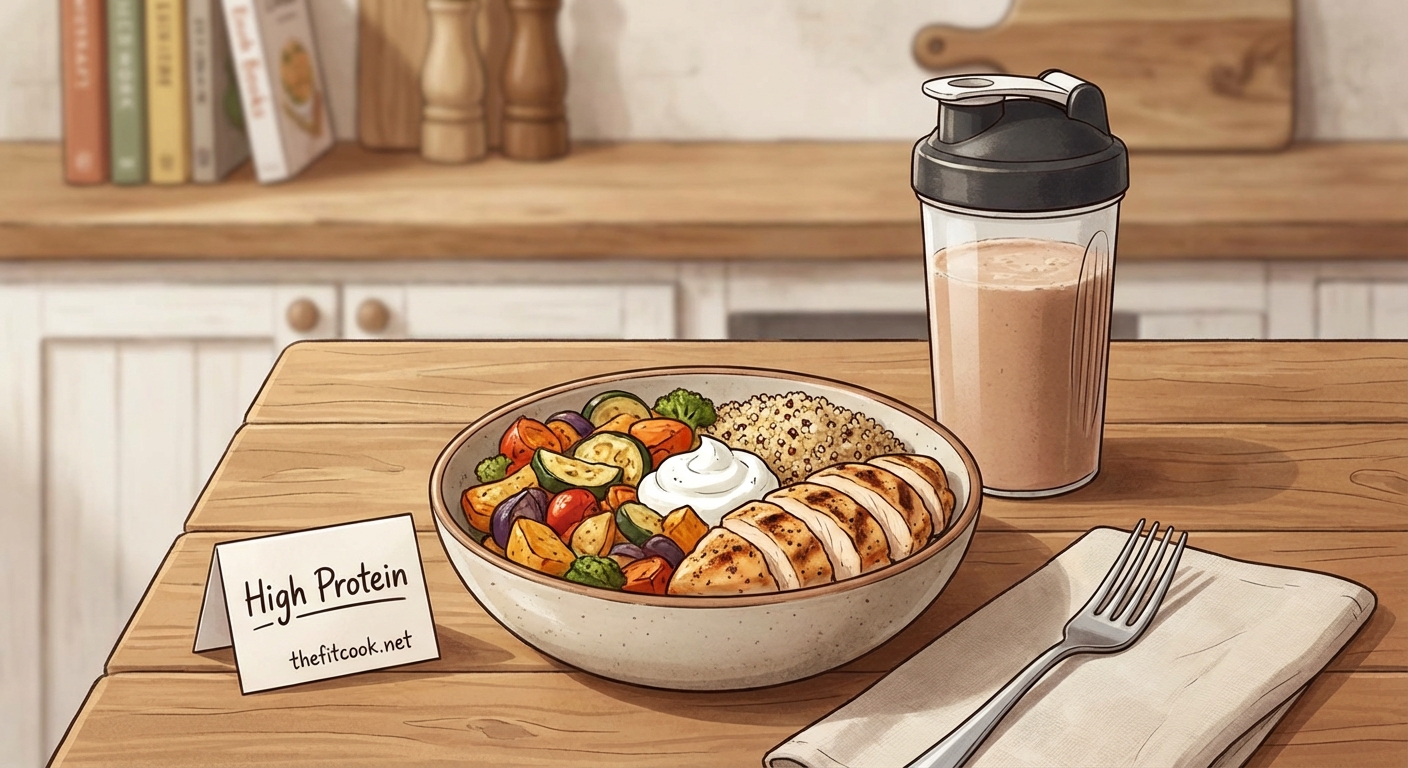
You’ve probably heard about the “anabolic window,” that magical 30-minute period after training when you supposedly need to slam a protein shake or lose all your gains.
Good news: it’s not that strict.
Research shows that muscle protein synthesis remains elevated for at least 24 hours after resistance training. The post-workout window is more like a barn door than a narrow slot.
That said, eating protein within two hours of training is still beneficial. Your muscles are primed to absorb nutrients during this period, and earlier protein intake tends to produce better results than waiting four or five hours.
But if you can’t eat immediately after training, don’t stress. Having a solid meal within a few hours works just fine.
The bigger picture matters more. Your total daily protein intake has a greater impact on muscle growth than obsessing over exact timing.
Best protein sources after training
Not all protein is created equal. Your body absorbs and uses different sources at different rates.
Fast-digesting proteins work best immediately after training because they deliver amino acids to your muscles rapidly.
| Protein Source | Grams per Serving | Digestion Speed | Best For |
|---|---|---|---|
| Whey protein shake | 20-30g | Fast (1-2 hours) | Immediate post-workout |
| Greek yogurt | 15-20g per cup | Medium (2-3 hours) | Within 1-2 hours |
| Chicken breast | 25-30g per 4 oz | Slow (3-4 hours) | Post-workout meal |
| Eggs | 6-7g per egg | Medium (2-3 hours) | Breakfast after morning training |
| Cottage cheese | 14g per half cup | Slow (4-5 hours) | Evening recovery |
| Salmon | 22-25g per 4 oz | Medium (2-3 hours) | Post-workout dinner |
Whey protein shakes are popular because they’re convenient and digest fast. But whole food sources provide additional nutrients that support overall recovery.
Combining fast and slow proteins can extend the muscle-building response. A shake immediately after training followed by a whole-food meal an hour later works great.
Common mistakes that sabotage your results
Many people get the protein amount right but mess up other factors that affect results.
Skipping carbohydrates: Protein gets all the attention, but carbs matter too. They replenish glycogen stores and trigger insulin release, which helps shuttle amino acids into muscle cells. Aim for a 2:1 or 3:1 ratio of carbs to protein after intense workouts.
Ignoring total daily intake: You could nail your post-workout nutrition but still fail to build muscle if your total daily protein is too low. Most active people need 0.7 to 1.0 grams per pound of body weight daily.
Drinking protein without training hard: Supplements don’t build muscle. Training does. The protein just provides raw materials. If your workouts aren’t challenging enough to create muscle damage, extra protein won’t help.
Relying only on shakes: Whole foods provide vitamins, minerals, and other compounds that support recovery. Use shakes for convenience, but don’t make them your only protein source.
Overthinking it: Stressing about perfect nutrition can become counterproductive. Consistency beats perfection. Getting adequate protein most days matters more than hitting exact targets every single time.
Practical post-workout meal examples
Here are real meals that hit the protein target without requiring a nutrition degree:
Option 1: Protein shake blend
* 1 scoop whey protein (25g)
* 1 banana
* 1 cup milk or almond milk
* 1 tablespoon peanut butter
* Total protein: 30-32g
Option 2: Greek yogurt bowl
* 1 cup plain Greek yogurt (20g)
* Half cup granola
* Mixed berries
* Drizzle of honey
* Total protein: 22-24g
Option 3: Chicken and rice bowl
* 4 oz grilled chicken breast (28g)
* 1 cup white rice
* Steamed vegetables
* Light teriyaki sauce
* Total protein: 30-32g
Option 4: Egg scramble
* 3 whole eggs (21g)
* 2 slices whole grain toast
* Half avocado
* Salsa
* Total protein: 25-27g
Option 5: Salmon and sweet potato
* 4 oz baked salmon (24g)
* Medium sweet potato
* Side salad with olive oil
* Total protein: 26-28g
Each option provides enough protein to maximize muscle protein synthesis while including carbs and healthy fats for complete recovery.
What about protein supplements
Supplements are tools, not magic bullets. They make hitting your protein target easier, especially when you’re busy or training early in the morning.
Whey protein is the gold standard for post-workout nutrition. It digests fast, contains all essential amino acids, and mixes easily with water or milk.
Plant-based proteins like pea, rice, or hemp work too, though you may need slightly more to get the same amino acid profile. Combining different plant proteins improves their effectiveness.
Casein protein digests slowly, making it better for before bed than immediately after training. Save it for nighttime when you want sustained amino acid release during sleep.
Protein bars can work in a pinch, but check the label. Many are loaded with sugar and contain only 10 to 15 grams of protein, not enough to maximize recovery.
Whole foods should form the foundation of your nutrition. Use supplements to fill gaps, not replace meals.
Adjusting protein for different training types
Not all workouts create the same recovery demands.
Heavy strength training that targets major muscle groups creates significant muscle damage. These sessions benefit from the higher end of the protein range, around 30 to 40 grams.
Lighter workouts, like a 30-minute upper body session or moderate cardio, require less. Aim for 20 to 25 grams.
Endurance training like running or cycling doesn’t require as much protein as resistance training, but you still need some to repair muscle tissue. Stick to 15 to 25 grams depending on duration and intensity.
Full-body workouts recruit more muscle mass than isolation exercises. More muscle damage means more protein needed for repair.
If you train twice in one day, treat each session separately. Your body needs protein after both workouts to support recovery.
Age and protein absorption
Older lifters need to pay extra attention to protein intake. Research shows that muscle protein synthesis becomes less efficient with age, a phenomenon called anabolic resistance.
People over 40 may need closer to 40 grams of protein per meal to achieve the same muscle-building response as younger individuals who only need 20 to 25 grams.
This doesn’t mean eating massive amounts of protein. It means distributing protein more evenly throughout the day and aiming for the higher end of recommendations after training.
Younger athletes in their teens and twenties can get away with less precise nutrition and still see results. But as you age, details matter more.
Signs you’re getting enough protein
Your body will tell you if you’re hitting the mark. Look for these indicators:
- Consistent strength gains over weeks and months
- Muscle soreness that decreases over time with regular training
- Stable energy levels throughout the day
- Good sleep quality and feeling recovered between workouts
- Maintaining or building muscle mass while staying lean
If you’re training hard but not seeing progress, protein intake might be the issue. Track your food for a week to see if you’re actually hitting your targets.
Many people overestimate how much protein they eat. Measuring portions for a few days provides valuable reality checks.
Putting it all together for results
The research is clear. Most people need 20 to 40 grams of high-quality protein after training to maximize muscle recovery and growth.
Your exact needs depend on body weight, workout intensity, and goals. Calculate your personal target using the formula provided earlier, then adjust based on results.
Timing matters, but total daily protein intake matters more. Aim to eat protein within two hours of training, but don’t panic if life gets in the way occasionally.
Choose high-quality sources that digest at appropriate speeds. Fast proteins like whey work great immediately after training. Whole food meals provide additional nutrients for complete recovery.
Avoid common mistakes like skipping carbs, ignoring total daily intake, or relying too heavily on supplements.
Track your progress over weeks and months. If you’re getting stronger and building muscle, your nutrition is working. If not, adjust your protein intake and reassess.
The goal isn’t perfection. It’s consistency. Hit your protein targets most days, train hard, sleep well, and results will follow.
Start with your next workout. Calculate your target, prep a post-workout meal or shake, and fuel your recovery properly. Your muscles will thank you.