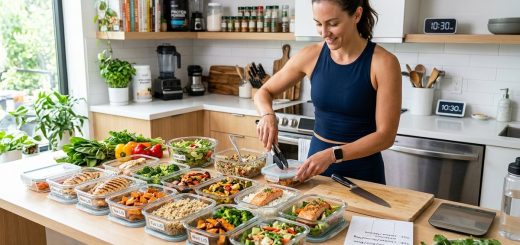
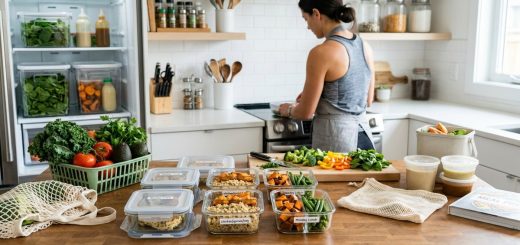
5-Day Muscle Building Meal Prep on a Budget: Complete Shopping List Included
Building muscle doesn’t require a premium grocery budget or expensive supplements. Most people assume you need grass-fed beef and organic everything to see gains, but that’s just not true. The reality is that you can fuel serious muscle growth with simple, affordable ingredients from any grocery store. The difference comes down to smart planning, strategic shopping, and knowing which foods deliver the most protein per dollar.
Muscle building meal prep on a budget centers on buying affordable protein sources like eggs, chicken thighs, and canned tuna, then pairing them with bulk carbs like rice and oats. Planning five days of meals at once cuts costs by 40% compared to daily cooking. Focus on calories and protein first, then fill gaps with frozen vegetables and seasonal produce for micronutrients without overspending.
Why Budget Meal Prep Actually Builds More Muscle
When you’re spending less time worrying about money, you spend more time being consistent. That’s the real advantage of budget meal prep. Consistency beats perfection every single time when it comes to muscle growth.
Most beginners waste money on fancy ingredients they use once and then throw away. They buy exotic grains, specialty sauces, and premium cuts of meat that sit in the freezer for months. This approach drains your wallet and creates decision fatigue every time you open the fridge.
Budget meal prep forces simplicity. You work with a core rotation of 8 to 10 ingredients. You eat similar meals throughout the week. This might sound boring, but your muscles don’t care about variety. They care about adequate protein, sufficient calories, and consistent training stimulus.
The psychological benefit matters too. When you know exactly what you’re eating and how much it costs, you remove anxiety from the equation. You’re not wondering if you can afford to eat enough protein. You’ve already done the math.
The Real Cost of Building Muscle
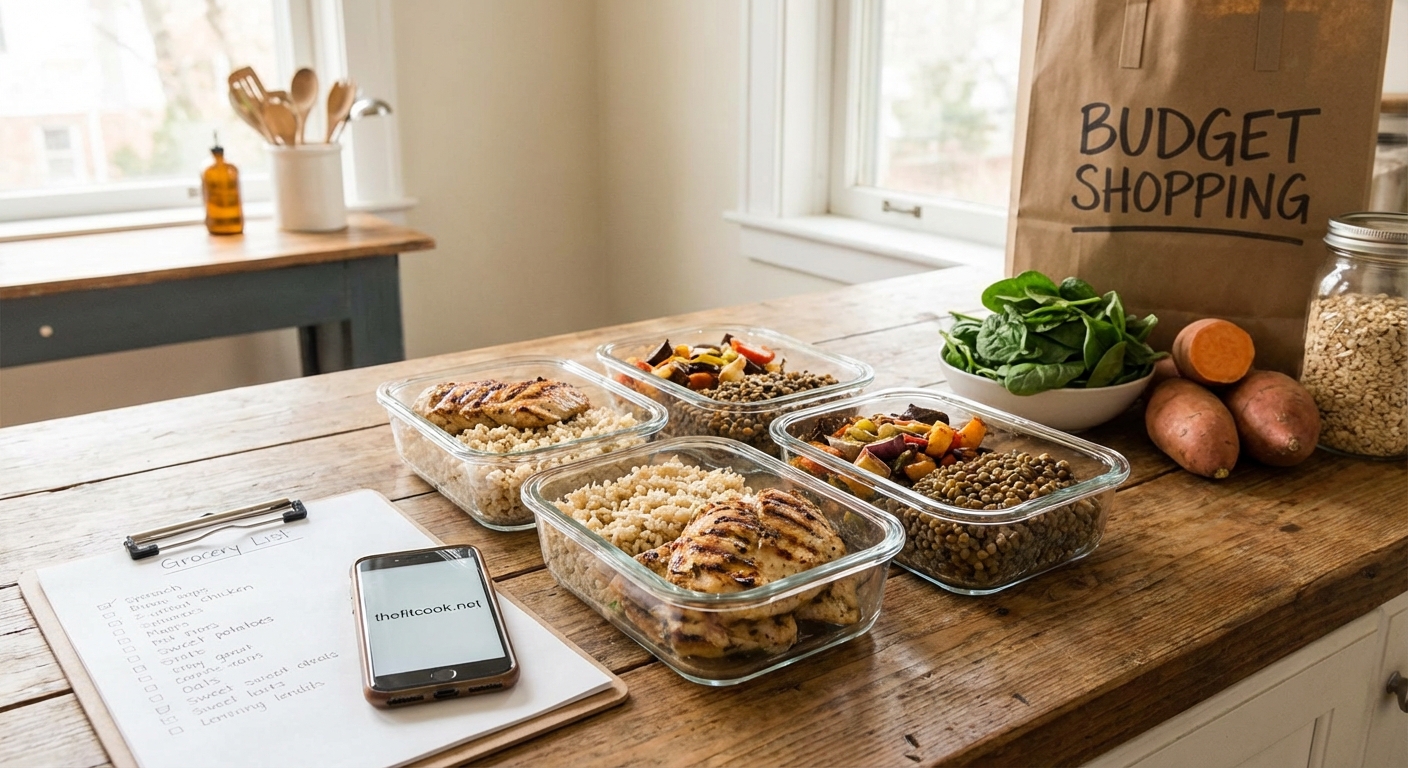
Let’s talk actual numbers. To build muscle effectively, most people need between 0.7 and 1 gram of protein per pound of body weight. For a 180-pound person, that’s 126 to 180 grams daily.
Here’s what that looks like in real money:
| Protein Source | Protein per Dollar | Cost for 30g Protein | Prep Difficulty |
|---|---|---|---|
| Whole eggs | 24g | $0.75 | Easy |
| Chicken thighs | 22g | $0.85 | Medium |
| Canned tuna | 28g | $0.65 | None |
| Ground turkey | 20g | $0.95 | Medium |
| Greek yogurt | 18g | $1.10 | None |
| Whey protein | 32g | $0.60 | None |
Notice that the cheapest options aren’t always the healthiest for every meal, but they get the job done. Canned tuna three times a day isn’t ideal because of mercury concerns, but twice a week is perfectly fine.
Your total daily protein cost can stay under $4 if you’re strategic. Add another $3 for carbs and fats, and you’re looking at roughly $7 per day for muscle building nutrition. That’s $35 per week, or $140 per month.
Compare that to eating out even once a day, which easily costs $10 to $15 per meal. The savings add up to hundreds of dollars monthly.
Five Days of Meals Under $40
Here’s exactly how to structure a full week of muscle building meals without spending a fortune. This plan assumes you’re cooking for one person and already have basic seasonings at home.
Shopping List Breakdown
Proteins:
– 3 pounds chicken thighs: $6
– 18 eggs: $3.50
– 4 cans tuna: $4
– 2 pounds ground turkey: $7
Carbohydrates:
– 5 pounds rice: $4
– 3 pounds oats: $3
– 6 sweet potatoes: $4
Fats and Vegetables:
– 2 bags frozen mixed vegetables: $3
– 1 bag frozen broccoli: $1.50
– Cooking oil and butter: $2
– 3 bananas: $1
Total: $39
This gives you roughly 2,400 to 2,600 calories per day with 160 to 180 grams of protein. Adjust portions based on your size and goals.
Daily Meal Structure
- Breakfast: 3 whole eggs scrambled with frozen vegetables, 1 cup cooked oats with banana
- Lunch: 6 ounces chicken thighs with 1.5 cups rice and steamed broccoli
- Dinner: 6 ounces ground turkey with sweet potato and mixed vegetables
- Snack: 1 can tuna with rice cakes or extra rice
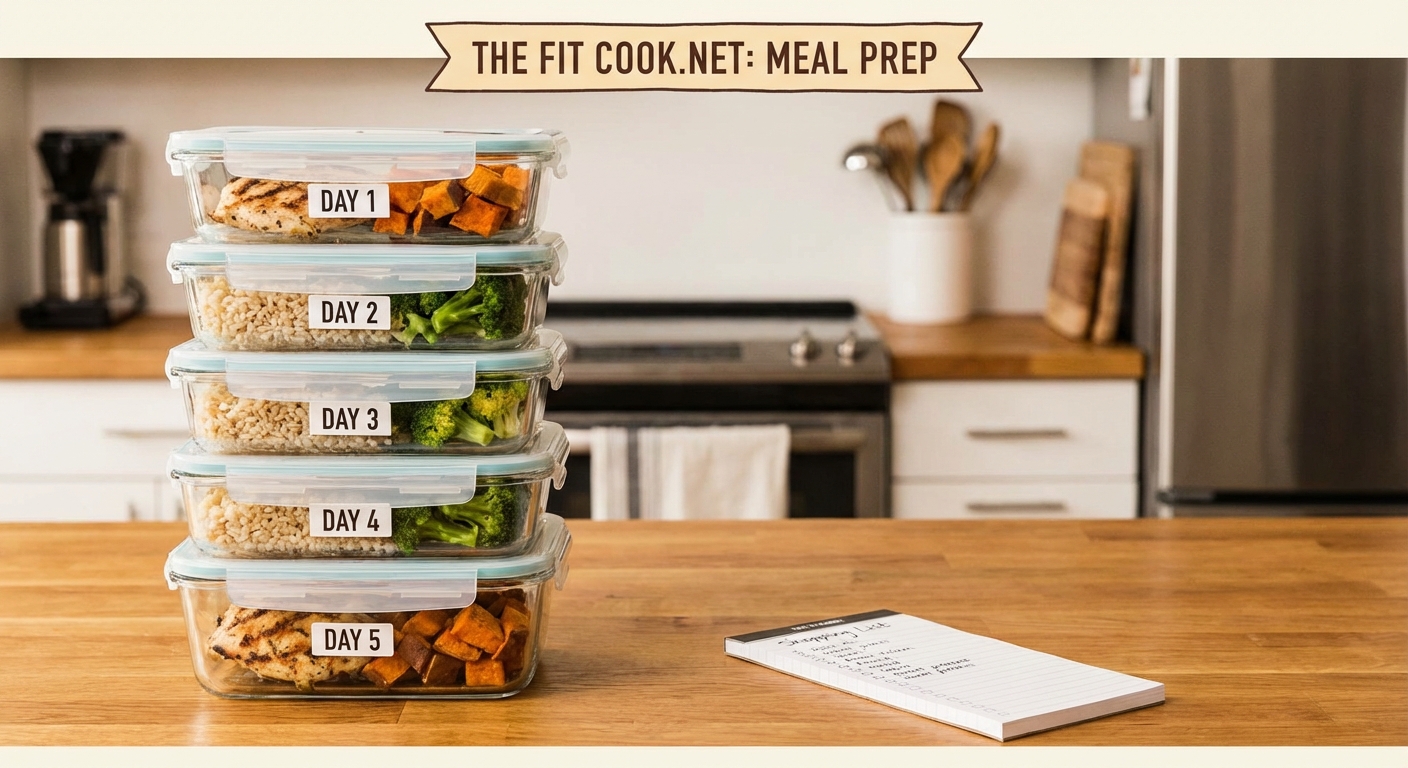
Cook everything on Sunday evening. Chicken thighs go in the oven at 375°F for 35 minutes. Ground turkey gets browned in a pan with basic seasonings. Rice cooks in a rice cooker or pot. Sweet potatoes bake alongside the chicken.
The entire process takes about 90 minutes, including cleanup. You’ll have five days of meals ready to grab from the fridge.
Protein Strategies That Save Money
Not all protein sources work the same in your budget. Understanding the difference between cost per pound and cost per gram of actual protein changes everything.
Chicken breast costs more per pound than chicken thighs, but thighs have more fat. You’re paying for calories you might not need. However, thighs stay moist when reheated, which matters for meal prep. Dry, overcooked chicken breast is miserable to eat on day four.
Here’s the hierarchy of budget proteins:
- Eggs: Versatile, easy to prep multiple ways, complete amino acid profile
- Canned fish: Zero prep time, shelf stable, high protein density
- Chicken leg quarters: Cheaper than thighs, just requires removing skin if cutting fat
- Ground turkey: Lean, affordable when on sale, works in many recipes
- Cottage cheese: High protein, no cooking required, pairs with sweet or savory foods
Avoid pre-marinated meats, pre-cut vegetables, and anything in small packages. You’re paying for convenience that takes 30 seconds to do yourself.
Buy the largest package available if it’s something you’ll actually use. A 10-pound bag of chicken thighs costs less per pound than buying 2 pounds at a time. Freeze what you won’t use within three days.
“The biggest mistake I see people make is buying protein they don’t actually enjoy eating. You can save $20 per week buying the cheapest option, but if you hate it and end up ordering takeout by Wednesday, you’ve wasted money and sabotaged your progress. Find affordable proteins you genuinely like, even if they cost 50 cents more per pound.” – Registered Dietitian specializing in sports nutrition
Carbs and Fats Without the Premium Price
Carbohydrates fuel your training. Fats support hormone production. Both are essential for muscle growth, and both can be incredibly cheap.
Best Budget Carbs:
– White rice (not inferior to brown for muscle building)
– Oats (buy the cylinder containers, not individual packets)
– Regular pasta (whole wheat costs more with minimal benefit)
– White potatoes (sweet potatoes have more nutrients but regular potatoes work fine)
– Bread (store brand whole wheat is perfectly adequate)
Best Budget Fats:
– Whole eggs (the yolk contains most of the nutrients)
– Cooking oils (vegetable, canola, or olive on sale)
– Peanut butter (natural versions cost more without major benefits)
– Butter (real butter, not margarine)
– Cheese (blocks cost less than shredded)
Avoid trendy carbs like quinoa, farro, or specialty ancient grains. They’re nutritious but not necessary. Rice and oats have fueled millions of successful muscle building journeys.
The same goes for exotic oils. Coconut oil and avocado oil are fine, but regular olive oil or even vegetable oil works perfectly well for cooking. Save the premium stuff for when you’re not on a tight budget.
Meal Prep Mistakes That Waste Money
Even with the right ingredients, poor execution kills your budget. Here are the most common errors:
Making too much variety: Trying to prep seven different meals leads to buying ingredients you’ll use once. Stick to three main dishes repeated throughout the week.
Ignoring sales cycles: Meat goes on sale in predictable patterns. Stock up when chicken drops to $1.99 per pound instead of paying $4.99 the next week.
Throwing away leftovers: That half cup of rice or remaining vegetables can become tomorrow’s lunch. Nothing is too small to save.
Buying pre-seasoned anything: You’re paying triple for someone to add salt and pepper. Buy plain proteins and season them yourself.
Not using your freezer: Frozen vegetables are often cheaper and more nutritious than fresh ones that have been sitting in the produce section for days. Frozen chicken and fish work perfectly well for meal prep.
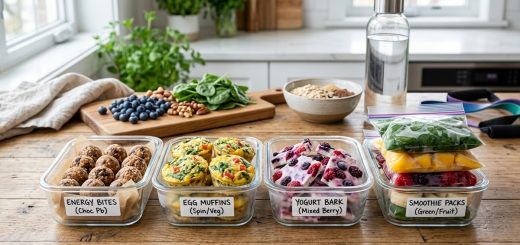
Skipping breakfast prep: Scrambling eggs every morning wastes time. Make egg muffins or overnight oats in batches.
The biggest waste happens when people quit meal prep entirely because they got bored or overwhelmed. Start with just lunch prep if doing all meals feels like too much. Build the habit before expanding.
Adjusting Calories Without Breaking Budget
Maybe you need more calories to gain weight. Maybe you need fewer to cut fat while maintaining muscle. Either way, you can adjust without spending significantly more.
To increase calories cheaply:
– Add more rice or oats to existing meals
– Include peanut butter with snacks
– Cook with more oil or butter
– Drink whole milk instead of water with meals
– Add an extra egg to breakfast
To decrease calories while keeping protein:
– Reduce rice portions by half
– Switch to egg whites for some meals (though whole eggs are more satisfying)
– Use cooking spray instead of oil
– Replace one carb meal with extra vegetables
– Choose leaner proteins like chicken breast when on sale
The foundation stays the same. You’re just tweaking portions of the cheapest ingredients, which are your carbs and fats.
Smart Shopping Habits That Compound
Small changes in how you shop create massive savings over time. These habits take almost no extra effort but save hundreds annually.
Shop discount grocery stores first: Aldi, Lidl, and similar chains offer 30% to 40% lower prices on basics. The quality is identical for items like rice, oats, eggs, and frozen vegetables.
Buy store brands exclusively: National brands spend millions on advertising. You’re paying for that in the price. Store brand chicken is the same chicken.
Check unit prices: A 3-pound bag might cost more total than a 1-pound bag, but less per pound. Always compare the unit price on the shelf tag.
Know your prices: Keep a note in your phone with what you normally pay for chicken, eggs, and rice. When you see a better price, buy extra.
Avoid middle aisles: The perimeter of the store has basic ingredients. The middle aisles have processed foods with massive markups.
Never shop hungry: You’ll buy impulsively and waste money on things that don’t fit your meal plan.
Use cash back apps: Ibotta and similar apps give you money back on groceries you’re already buying. It’s small amounts but adds up.
Keeping Meals Interesting on Repeat
Eating similar foods daily doesn’t mean eating identical meals. Small variations prevent burnout without adding cost.
Seasoning rotation:
– Monday: Italian herbs and garlic
– Tuesday: Taco seasoning
– Wednesday: Teriyaki sauce (make your own with soy sauce and sugar)
– Thursday: Lemon pepper
– Friday: BBQ sauce
All of these cost under $3 per container and last for months. They completely change how a meal tastes.
Texture changes:
– Grill chicken one week, bake it the next, slow cook it the third week
– Mash sweet potatoes instead of roasting them
– Fry rice instead of steaming it
– Make oats into pancakes occasionally
Strategic condiments:
– Hot sauce (adds zero calories, maximum flavor)
– Mustard (nearly zero calories, works on everything)
– Salsa (cheap, low calorie, versatile)
– Vinegar (changes acidity and brightness)
You’re not adding expensive ingredients. You’re using what you have in different combinations.
When to Spend More
Budget meal prep doesn’t mean never spending money on quality. Some upgrades are worth it.
Invest in these:
– Good food storage containers (they last years and prevent waste)
– A rice cooker (saves time and makes perfect rice every time)
– A meat thermometer (prevents overcooking expensive protein)
– Quality knives (faster prep, less frustration)
Don’t waste money on:
– Meal prep services (you’re paying someone to do what takes 90 minutes)
– Organic everything (conventional produce is safe and nutritious)
– Grass-fed beef (not necessary for muscle building)
– Specialty supplements (food first, supplements only for gaps)
– Trendy superfoods (marketing hype, not essential)
The 80/20 rule applies. Get 80% of your results from basic, cheap ingredients. The remaining 20% can include occasional upgrades when they’re on sale or you have extra money.
Making It Work Long Term
The real test isn’t surviving one week of meal prep. It’s maintaining this approach for months while continuing to build muscle.
Set up systems that reduce decision making. Eat the same breakfast every day for a month. Rotate between two lunch options. Keep dinner simple with a protein, carb, and vegetable.
Track your progress with measurements and strength gains, not just the scale. If you’re getting stronger and your clothes fit better, your budget meal prep is working.
Plan for occasional breaks. Once every two weeks, eat a meal out or order something different. This keeps you sane and prevents the feeling of deprivation that leads to quitting.
Connect with others doing the same thing. Online communities focused on budget fitness can provide new recipe ideas and motivation when you’re tired of the same meals.
Remember that this phase is temporary. As you advance in your career and earn more, you’ll have more flexibility. But the habits you build now, the discipline of planning and preparing food, will serve you forever. Many successful people who can afford any food they want still meal prep because they’ve learned how effective it is.
Your Muscle Building Budget Starts Now
You have everything you need to start building muscle without financial stress. The grocery list costs under $40 for five days. The meals provide adequate protein and calories. The system is simple enough to maintain long term.
Start this Sunday. Set aside 90 minutes. Buy the ingredients listed earlier in this article. Cook your proteins, prepare your carbs, portion everything into containers. By Sunday evening, your entire week is handled.
Your wallet will thank you. Your muscles will grow. And you’ll prove that building a strong physique doesn’t require a trust fund, just smart planning and consistent execution.