15 Clean Eating Pantry Staples Every Health-Conscious Cook Needs
Your fridge is empty except for some questionable leftovers and a half-empty jar of pickles. It’s 7 PM on a Tuesday. You’re starving after a workout. This is the moment when most people order takeout or grab whatever’s easiest, not healthiest. But if your pantry is stocked with the right staples, you can throw together a nutritious meal in minutes without even thinking about it.
A well-stocked pantry with healthy staples transforms meal planning from stressful to simple. These versatile ingredients provide protein, complex carbs, healthy fats, and fiber while lasting weeks or months on your shelf. Stock these essentials once, and you’ll always have the foundation for nutritious meals, even when fresh groceries run low. No more excuses for skipping clean eating.
Why Your Pantry Matters More Than Your Fridge
Most people focus on fresh ingredients and ignore their pantry. That’s backwards.
Fresh produce spoils. Meat goes bad. Dairy expires. But pantry staples stick around for weeks, sometimes months. They’re your insurance policy against poor food choices.
When you stock the right items, you eliminate decision fatigue. No more staring into an empty fridge wondering what to eat. You already have what you need to build balanced meals that support your fitness goals.
The best pantry staples share three qualities. They’re nutrient-dense, versatile enough for multiple recipes, and shelf-stable. These aren’t emergency rations. They’re the backbone of a sustainable clean eating routine that fits into real life.
The Foundation: Protein Sources That Last
Protein keeps you full and supports muscle recovery. But not everyone has time to shop for fresh chicken three times a week.
Canned tuna and salmon deliver 20+ grams of protein per serving. Wild-caught varieties provide omega-3 fatty acids that reduce inflammation. Keep several cans on hand for salads, wraps, or mixed with Greek yogurt for a protein-packed snack.
Dried lentils and chickpeas offer plant-based protein plus fiber. One cup of cooked lentils contains 18 grams of protein and 16 grams of fiber. They’re perfect for soups, curries, or tossed into grain bowls. Canned versions work too if you’re short on time, though dried options cost less and contain no added sodium.
Natural nut butters without added sugar provide protein and healthy fats. Almond, peanut, and cashew butters work in smoothies, on whole grain toast, or straight from the jar when you need fuel fast. Look for ingredients lists with just nuts and maybe salt.
Complex Carbs for Sustained Energy
Carbs aren’t the enemy. The right ones fuel your workouts and keep your energy stable throughout the day.
Quinoa is technically a seed but cooks like a grain. It contains all nine essential amino acids, making it a complete protein. Use it as a rice substitute, in breakfast bowls, or mixed into salads. It cooks in 15 minutes and stays fresh in your pantry for months.
Rolled oats are breakfast champions. They’re high in soluble fiber that keeps you full and helps manage cholesterol. Beyond oatmeal, blend them into smoothies, make overnight oats, or use them in homemade energy balls. Steel-cut oats work too but take longer to cook.
Brown rice and wild rice provide more nutrients than white rice. They contain B vitamins, magnesium, and fiber. Cook a big batch on Sunday meal prep blueprint: 3 hours to a week of clean eating success day and portion it out for the week.
Whole grain pasta made from chickpeas, lentils, or whole wheat offers more protein and fiber than regular pasta. These alternatives keep you satisfied longer and won’t spike your blood sugar the same way refined pasta does.
Healthy Fats That Actually Taste Good
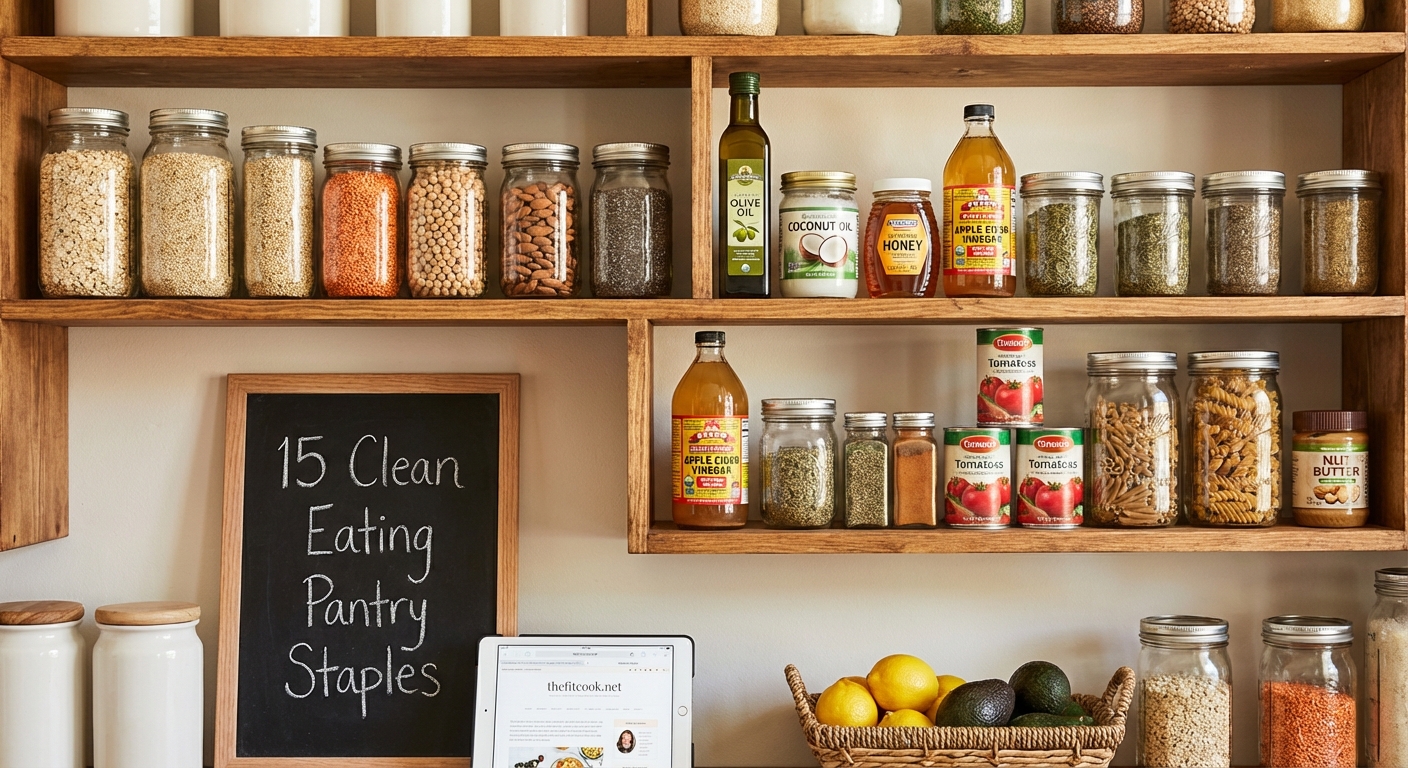
Fat helps your body absorb vitamins and keeps your hormones balanced. Skip the processed oils and stock these instead.
Extra virgin olive oil is non-negotiable. Use it for salad dressings, light sautéing, or drizzling over finished dishes. The polyphenols in quality olive oil reduce inflammation and support heart health.
Coconut oil handles higher heat for cooking and adds subtle flavor to stir-fries or baked goods. It’s also solid at room temperature, making it useful for certain recipes where you need that texture.
Raw nuts and seeds like almonds, walnuts, chia seeds, and flaxseeds provide omega-3s, protein, and satisfying crunch. Throw them into salads, blend into smoothies, or eat them as snacks. Store them in airtight containers to prevent them from going rancid.
Canned and Jarred Vegetables That Don’t Suck
Frozen and canned vegetables get a bad reputation they don’t deserve. They’re picked at peak ripeness and preserved immediately, often containing more nutrients than “fresh” produce that’s been sitting in a truck for days.
Canned tomatoes form the base of countless healthy meals. Crushed, diced, or whole, they work in pasta sauces, soups, chilis, and stews. Look for BPA-free cans and versions with no added sugar.
Tomato paste in tubes or small cans adds concentrated umami flavor to dishes. A little goes a long way in building depth in sauces and marinades.
Canned pumpkin (not pie filling) is packed with vitamin A and fiber. Mix it into oatmeal, smoothies, or use it in savory soups. It’s not just for fall.
Flavor Boosters That Make Healthy Food Worth Eating
Clean eating doesn’t mean bland eating. These pantry staples add flavor without adding junk.
Apple cider vinegar with the mother contains beneficial probiotics. Use it in salad dressings, marinades, or diluted in water as a morning drink. The acidity brightens dishes and helps balance blood sugar.
Hot sauce and salsa add flavor with minimal calories. Check labels for versions without added sugar. They transform plain chicken breast or scrambled eggs into something you actually want to eat.
Coconut aminos taste similar to soy sauce but come from coconut sap. They’re lower in sodium and gluten-free. Use them in stir-fries, marinades, or anywhere you’d use regular soy sauce.
Spices and Herbs That Do Heavy Lifting
A well-stocked spice rack turns simple ingredients into restaurant-quality meals.
Start with these essentials:
- Garlic powder and onion powder for savory depth
- Cumin and chili powder for warmth and complexity
- Turmeric for anti-inflammatory benefits and color
- Cinnamon for sweet dishes and blood sugar management
- Black pepper and sea salt for basic seasoning
- Italian seasoning and oregano for Mediterranean flavors
- Smoked paprika for depth without heat
Buy whole spices when possible and grind them yourself for maximum flavor. Store them away from heat and light to preserve potency.
“The difference between someone who sticks with clean eating and someone who gives up often comes down to flavor. If your healthy food tastes good, you’ll keep eating it. Stock your pantry with spices and you’ll never get bored.” – Registered Dietitian and Culinary Nutrition Expert
Sweeteners That Won’t Wreck Your Blood Sugar
You don’t need to eliminate sweetness entirely. Just choose better options.
Raw honey contains antioxidants and has a lower glycemic index than refined sugar. Use it in moderation for sweetening tea, yogurt, or homemade dressings.
Pure maple syrup (not pancake syrup) provides minerals like manganese and zinc. A little adds natural sweetness to oatmeal or how to build the perfect post-workout smoothie for muscle recovery.
Dates are whole food sweeteners you can blend into smoothies, energy balls, or homemade bars. They provide fiber along with sweetness, which helps slow sugar absorption.
How to Actually Organize Your Pantry for Success
Having the right ingredients doesn’t help if you can’t find them or they go bad before you use them.
Follow this system:
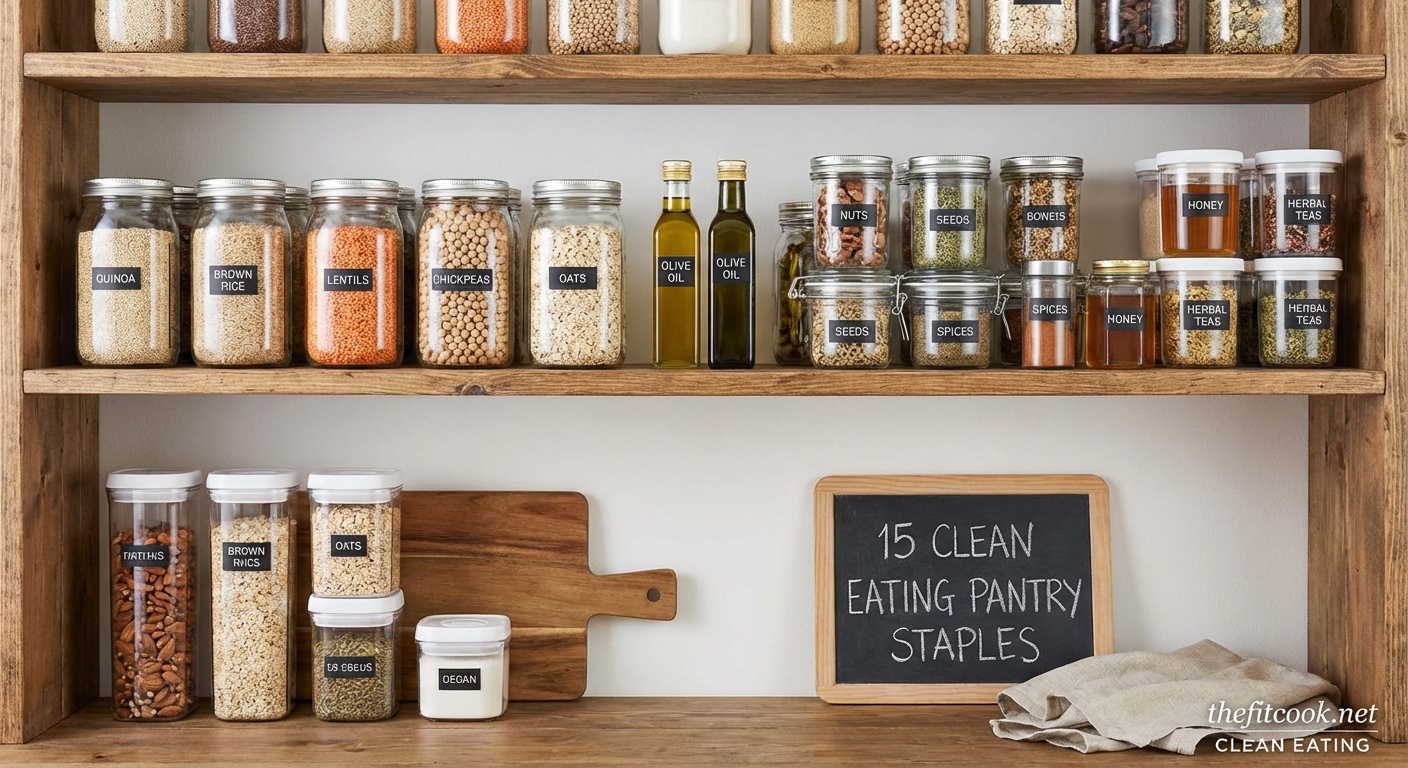
- Store grains, nuts, and seeds in airtight glass containers to prevent staleness and pest problems.
- Label everything with the purchase date so you use older items first.
- Keep your most-used items at eye level where you’ll see and reach for them easily.
- Group similar items together (all canned goods in one area, all grains in another).
- Check expiration dates monthly and move items nearing expiration to the front.
This organization takes 30 minutes once but saves you time and money every week after.
Common Pantry Stocking Mistakes to Avoid
Even health-conscious cooks make these errors.
| Mistake | Why It Matters | Better Approach |
|---|---|---|
| Buying too much at once | Items expire before you use them | Start with smaller quantities and restock as needed |
| Ignoring expiration dates | Rancid oils and stale nuts ruin recipes | Rotate stock and check dates monthly |
| Choosing “healthy” processed foods | Many contain hidden sugars and additives | Read ingredient lists, not just front labels |
| Storing everything in original packaging | Invites pests and staleness | Transfer to airtight containers |
| Not having backup staples | One missing ingredient derails entire meals | Keep duplicates of your most-used items |
Building Your First Pantry from Scratch
Starting with an empty pantry feels overwhelming. Break it into phases.
Week 1: Core staples
Focus on items you’ll use multiple times per week. Get olive oil, salt, pepper, garlic powder, canned tomatoes, brown rice, oats, and one type of canned protein.
Week 2: Variety proteins
Add different protein sources like lentils, another type of canned fish, and nut butter.
Week 3: Flavor builders
Stock up on spices, vinegar, and hot sauce. These turn basic ingredients into meals you want to eat.
Week 4: Specialty items
Add quinoa, coconut oil, maple syrup, and any specific ingredients for recipes you make regularly.
This approach spreads the cost over a month and prevents waste from buying things you won’t actually use.
Making These Staples Work in Real Meals
Theory is useless without application. Here’s how these pantry items become actual food.
Breakfast in 5 minutes: Oats cooked with cinnamon, topped with nut butter and a drizzle of honey. Add chia seeds for extra protein and omega-3s.
Lunch when you forgot to meal prep: Canned tuna mixed with olive oil, lemon juice (keep bottled lemon juice on hand), and spices served over quinoa with whatever vegetables you have.
Dinner after a long day: Brown rice topped with canned chickpeas sautéed in coconut oil with garlic powder, turmeric, and coconut aminos. Finish with hot sauce.
None of these require fresh ingredients or complicated techniques. That’s the point. When you have the ultimate macro-friendly freezer meal prep guide for beginners combined with solid pantry staples, you’re covered no matter what life throws at you.
Budget-Friendly Pantry Stocking Strategies
Quality ingredients don’t require a trust fund.
Buy in bulk for items you use constantly. Oats, rice, and dried beans cost significantly less per serving when purchased in larger quantities. Store them properly and they last for months.
Skip trendy superfoods with fancy marketing. Chia seeds are great, but ground flaxseeds provide similar benefits at half the price. Regular almonds work just as well as activated almonds or whatever the latest wellness trend claims you need.
Shop sales and stock up on non-perishables when prices drop. If canned salmon goes on sale, buy six cans. It won’t go bad and you’ll save money over time.
Compare unit prices, not package prices. Sometimes the bigger container costs less per ounce, but not always. Do the math.
Generic and store brands often match name-brand quality for pantry staples. The oats in the plain container are usually identical to the ones in the fancy packaging.
Pantry Staples for Specific Dietary Needs
Different eating styles require different staples, but the core principles remain the same.
For low-carb eaters: Focus on nuts, seeds, nut butters, canned fish, coconut oil, and low-carb vegetables like canned green beans. Stock almond flour and coconut flour for baking. Check out the ultimate low carb grocery list for fitness-focused meal planning for more ideas.
For plant-based diets: Prioritize dried beans, lentils, chickpeas, quinoa, nutritional yeast, tahini, and a variety of nuts and seeds. Keep vegetable broth on hand for cooking grains and making soups.
For high-protein goals: Stock multiple protein sources like canned fish, protein powder, quinoa, lentils, and high-protein pasta. Learn how to meal prep 150g protein daily without getting bored using these staples.
When to Replace and Refresh Your Pantry
Even shelf-stable items don’t last forever.
Oils go rancid. Smell them before using. If they smell like crayons or paint, toss them. Most oils last 6-12 months after opening.
Spices lose potency after a year. They won’t make you sick, but they won’t add much flavor either. Replace ground spices annually and whole spices every 2-3 years.
Nuts and seeds contain oils that oxidize. Store them in the fridge or freezer to extend their life. If they taste bitter or off, they’re done.
Grains and dried beans technically last years but cook better when fresher. Use within a year for best texture and cooking time.
Canned goods last 2-5 years but check for dents, rust, or bulging. When in doubt, throw it out.
Your Pantry Powers Your Consistency
The real value of healthy pantry staples isn’t about any single meal. It’s about removing barriers between you and consistent clean eating.
You won’t always have time to shop. Your schedule will get crazy. Work will drain you. Life will happen. But when your pantry is stocked with versatile, nutritious ingredients, you can still eat well without extra effort or planning.
That consistency is what actually drives results. Not perfection. Not complicated meal plans. Just showing up day after day with food that supports your goals because you made it easy for yourself.
Start with the basics. Add variety over time. Keep restocking what you actually use. Your future self will thank you every time hunger hits and healthy food is already waiting.