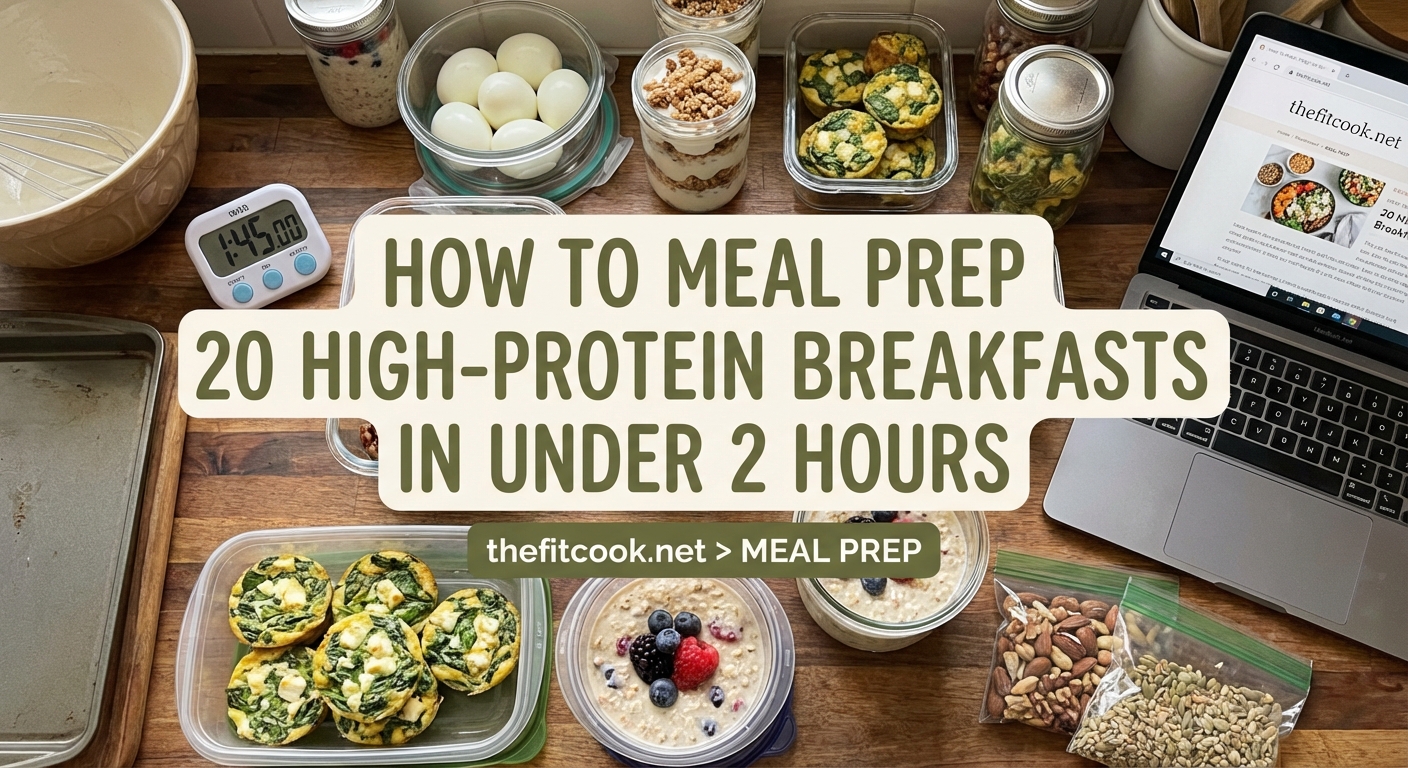
How to Meal Prep 20 High-Protein Breakfasts in Under 2 Hours
Mornings are chaos. Alarms blare, coffee spills, and breakfast becomes whatever you can grab on your way out the door. But skipping protein at breakfast means you’ll crash by 10 AM, reaching for vending machine snacks that derail your entire day. The solution isn’t waking up earlier or buying expensive meal delivery services. It’s spending two hours on Sunday prepping breakfasts that actually taste good and keep you full until lunch.
High protein breakfast meal prep saves time and supports your fitness goals. By dedicating two hours to batch cooking, you can prepare 20 servings of protein-rich breakfasts using efficient techniques like sheet pan baking, muffin tin cooking, and mason jar assembly. Focus on recipes with 20-30 grams of protein per serving that reheat well and store safely for 4-5 days.
Why Protein at Breakfast Changes Everything
Your body spent the night fasting. When you wake up, muscle protein synthesis is low and cortisol is high. Eating 25-30 grams of protein within an hour of waking triggers muscle building, stabilizes blood sugar, and reduces cravings throughout the day.
Most grab-and-go options fail this test. A bagel with cream cheese? Maybe 8 grams. A banana and coffee? Zero. Even Greek yogurt cups usually max out around 15 grams, leaving you hungry before your first meeting ends.
Meal prepping solves this by frontloading your effort. Instead of cooking 20 separate breakfasts, you cook once and eat for two weeks. The time savings are massive. The nutrition stays consistent. And you stop making bad choices when you’re tired and hungry.
The Core Strategy for Two Hour Meal Prep
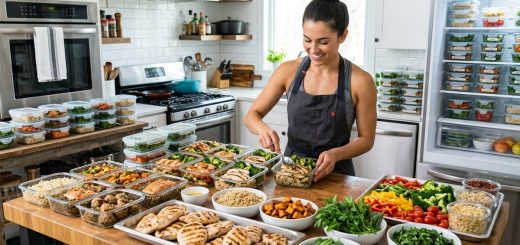
Efficiency comes from using your oven, stovetop, and counter space simultaneously. While egg muffins bake, you can cook sausage on the stove and assemble overnight oats on the counter. This parallel processing turns what could be six hours of work into two.
Here’s how to structure your prep session:
- Start with recipes that take longest to cook (casseroles, baked oatmeal).
- While those bake, prep ingredients for stovetop items (scrambles, hash).
- Use the final 30 minutes for no-cook assembly (overnight oats, chia pudding, yogurt bowls).
- Cool everything completely before portioning into containers.
- Label each container with the date and reheating instructions.
This approach keeps you moving without overwhelming your kitchen. You’re never waiting around for one thing to finish before starting the next.
Best High Protein Ingredients for Meal Prep
Not all protein sources survive five days in the fridge equally well. Some get rubbery. Others develop off flavors. Focus on ingredients that hold up under refrigeration and reheating.
Top protein sources for meal prep:
- Eggs (whole or egg whites)
- Cottage cheese
- Greek yogurt (full fat holds texture better)
- Chicken sausage
- Ground turkey
- Smoked salmon
- Protein powder (whey or plant-based)
- Black beans
- Tofu (extra firm only)
- Cheese (cheddar, feta, mozzarella)
Eggs are your MVP. They’re cheap, versatile, and pack 6 grams of protein each. A three-egg breakfast gives you 18 grams before you add cheese, meat, or beans. Baking eggs in muffin tins or casserole dishes makes portioning automatic.
Cottage cheese is underrated. A half cup contains 14 grams of protein. Mix it into egg bakes for extra creaminess or blend it into smoothie prep bags. It stabilizes the texture of baked goods and keeps them moist through the week.
Five Recipes That Hit 25+ Grams Per Serving
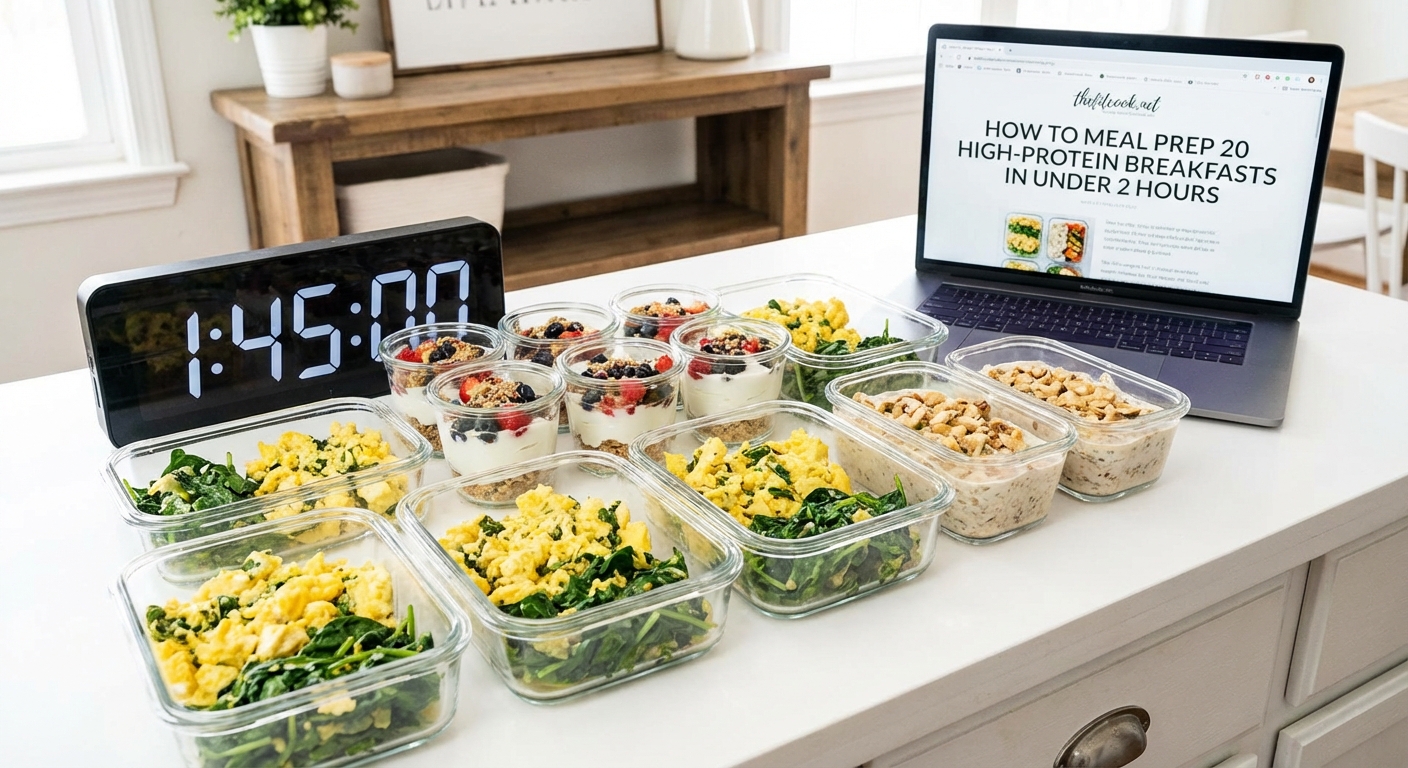
These recipes form the backbone of any successful high protein breakfast meal prep. Each one scales easily, reheats well, and delivers serious nutrition.
Sausage and Pepper Egg Muffins
Cook one pound of chicken sausage with diced bell peppers and onions. Whisk 12 eggs with a half cup of cottage cheese. Divide the sausage mixture into a greased 12-cup muffin tin, pour egg mixture over top, and bake at 350°F for 22 minutes. Each muffin delivers 16 grams of protein. Make two batches for 24 servings.
Sheet Pan Breakfast Burritos
Scramble 18 eggs on a sheet pan with black beans, diced ham, and shredded cheese. Bake at 375°F for 15 minutes, stirring halfway. Portion onto whole wheat tortillas, roll tight, and wrap in foil. Each burrito contains 28 grams of protein. Reheat in the oven or microwave without the foil.
Protein-Packed Baked Oatmeal
Mix 3 cups of oats with 2 scoops of vanilla protein powder, 4 eggs, 2 cups of milk, and a mashed banana. Pour into a 9×13 pan and bake at 350°F for 35 minutes. Cut into 8 squares. Each square has 22 grams of protein and reheats in 60 seconds.
Greek Yogurt Parfait Jars
Layer full-fat Greek yogurt with homemade granola and berries in mason jars. Use 1.5 cups of yogurt per jar (35 grams of protein). Keep granola separate until eating to maintain crunch. These last 5 days and require zero reheating.
Cottage Cheese Pancake Batch
Blend 2 cups of cottage cheese with 6 eggs, 1 cup of oats, and cinnamon. Cook on a griddle like regular pancakes. Stack with parchment between each pancake and freeze. Three pancakes provide 30 grams of protein. Reheat in the toaster.
Storage and Reheating Without Ruining Texture
Even perfect recipes fail if you store them wrong. Moisture is the enemy. Condensation makes everything soggy and creates bacterial growth. Always let food cool completely before sealing containers. Hot food in a closed container creates steam that turns crispy edges into mush.
Use glass containers with tight-sealing lids for anything with sauce or cheese. Plastic is fine for dry items like pancakes or muffins. Keep a roll of parchment paper handy to separate stacked items.
“The biggest mistake people make is reheating everything on high power. Use 50% power for twice as long. Your eggs stay fluffy and your casseroles heat evenly without rubber edges.” – Professional meal prep coach
For best results, reheat egg dishes covered with a damp paper towel. The moisture prevents drying without making things soggy. Burritos reheat best wrapped in a damp paper towel for 90 seconds, then unwrapped for another 30 seconds to crisp the tortilla.
Common Meal Prep Mistakes and How to Avoid Them
| Mistake | Why It Happens | The Fix |
|---|---|---|
| Rubbery eggs | Overcooking or reheating too hot | Undercook slightly, reheat at 50% power |
| Soggy containers | Sealing while hot | Cool 30 minutes before lidding |
| Bland food | Underseasoning for batch cooking | Season more than you think you need |
| Freezer burn | Poor wrapping | Double wrap in plastic, then foil |
| Food waste | Making too much variety | Stick to 3-4 recipes you actually like |
The variety trap catches everyone. You see 20 different recipes and want to try them all. Then you end up with two servings of 10 different things, half of which you don’t actually enjoy. Better to make larger batches of fewer recipes you know you’ll eat.
Seasoning for meal prep requires a heavier hand than cooking to eat immediately. Flavors mellow in the fridge. Salt, pepper, garlic, and herbs all need to be bumped up by about 25% to taste right after storage.
Building Your Two Week Rotation
Variety matters for adherence. Eating the same breakfast seven days straight leads to burnout by Thursday. A two-week rotation with four core recipes gives you enough variety without overwhelming your prep time.
Week one lineup:
- Monday and Thursday: Sausage egg muffins
- Tuesday and Friday: Breakfast burritos
- Wednesday: Greek yogurt parfait
- Weekend: Baked oatmeal or pancakes
Week two lineup:
- Monday and Thursday: Cottage cheese egg bake
- Tuesday and Friday: Protein pancakes
- Wednesday: Smoothie prep bags
- Weekend: Breakfast casserole
This rotation keeps your taste buds interested while maintaining the efficiency of batch cooking. You’re only making 2-3 items per prep session, which fits comfortably into two hours.
Scaling Recipes Up Without Breaking Your Budget
Buying in bulk saves money, but only if you use everything before it spoils. Eggs keep for 5 weeks. Frozen vegetables last months. Cheese freezes well if you shred it first. Plan your shopping around these realities.
A typical two-week meal prep costs between $40 and $60 for one person, depending on your protein choices. That’s $2-3 per breakfast. Compare that to a $8 drive-through sandwich or a $12 smoothie bowl, and you’re saving $80-140 every two weeks.
Buy store-brand staples. Generic eggs, oats, and cottage cheese are identical to name brands. Spend your money on quality protein like organic chicken sausage or wild-caught salmon. The base ingredients don’t need to be fancy.
Costco, Sam’s Club, and restaurant supply stores sell eggs by the flat (15 dozen) and cheese in 5-pound blocks. If you have the space and plan to prep consistently, these bulk purchases pay for themselves in three prep sessions.
Equipment That Makes Prep Actually Possible
You don’t need a $400 stand mixer or a commercial oven. But a few key tools make the difference between a smooth two-hour session and a frustrating four-hour ordeal.
Essential tools:
- Two 12-cup muffin tins (for parallel baking)
- One large sheet pan (18×26 inch)
- Glass meal prep containers (at least 20)
- Immersion blender (for smoothie bags and cottage cheese blending)
- Kitchen scale (for consistent portions)
- Parchment paper (prevents sticking and makes cleanup easy)
The immersion blender deserves special mention. It turns cottage cheese into a smooth, creamy base for pancakes or egg bakes in 30 seconds. No food processor needed. Just blend it right in the measuring cup.
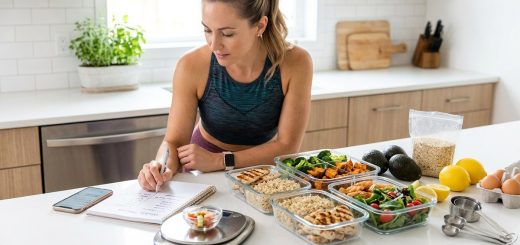
A kitchen scale eliminates guesswork. Eyeballing portions means some servings have 15 grams of protein while others have 30. Weighing ensures consistency. Once you know what 4 ounces of scrambled eggs looks like in your container, you can eyeball it going forward.
Making It Work When Life Gets Complicated
Travel, illness, schedule changes, and unexpected events will disrupt your routine. Build flexibility into your system instead of treating meal prep as all or nothing.
Keep a backup stash of frozen breakfast burritos. When you can’t prep, you still have something ready. Frozen items last three months and reheat in five minutes.
Prep on different days if Sunday doesn’t work. Tuesday evening or Saturday morning both work fine. The day matters less than the consistency.
Cut your batch in half if you’re short on time. Ten servings are better than zero. You can always supplement with simpler options like Greek yogurt with nuts on the days you run out.
Partner prep sessions work well for couples or roommates. Split the recipes, share the work, and divide the results. One person handles egg dishes while the other does oatmeal and parfaits. You’re done in 90 minutes instead of two hours.
Your Next Two Hours
The hardest part is starting. Your first prep session will take longer than two hours because you’re learning the rhythm. That’s normal. By your third session, you’ll move through the steps without thinking.
Pick four recipes from this guide. Write your shopping list. Block two hours on your calendar this weekend. Set up your workspace with all the tools you need before you start cooking.
When Sunday evening arrives and you’re pulling a perfectly portioned breakfast from the fridge instead of skipping the meal entirely, you’ll understand why people who meal prep rarely go back to winging it. The time you invest now buys you calm, energized mornings for the next two weeks. That’s a trade worth making.