Category: Post-Workout

  • Meal Prep Sunday: 5 Post-Workout Meals to Batch Cook for the Week

    You just crushed a tough training session. Your muscles are screaming. Your stomach is growling. And the last thing you want to do is stand in the kitchen for an hour.

    That’s where post workout meal prep recipes become your best friend. Spend a few hours on Sunday, and you’ll have perfectly portioned, protein-packed meals ready to grab the moment you walk through the door after the gym.

    Key Takeaway

    Post workout meal prep recipes help you recover faster by ensuring you eat protein and carbs within the optimal window after training. Batch cooking five recipes on Sunday gives you ready-to-eat meals all week, eliminating decision fatigue and keeping your nutrition consistent. Each recipe focuses on lean protein, complex carbs, and nutrient-dense ingredients that support muscle repair and energy replenishment without complicated cooking techniques.

    Why Post Workout Meals Matter for Recovery

    Your body enters a unique metabolic state after training. Muscle glycogen stores are depleted. Muscle protein breakdown exceeds synthesis. Your body is primed to absorb nutrients and start the repair process.

    Eating the right combination of protein and carbohydrates within two hours of your workout maximizes recovery. Protein provides amino acids for muscle repair. Carbs replenish glycogen and trigger insulin release, which helps shuttle nutrients into muscle cells.

    Skip this meal, and you’re leaving gains on the table. But cooking from scratch after every workout? That’s not realistic for most people.

    Meal prep solves this problem. You cook once, eat multiple times, and never miss your post workout nutrition window.

    The Perfect Post Workout Meal Formula

    Every effective post workout meal contains three components:

    • Lean protein (20 to 40 grams depending on your size and goals)
    • Complex carbohydrates (30 to 60 grams to restore glycogen)
    • Vegetables or fruit (for micronutrients and fiber)

    The exact ratios depend on your training intensity and body composition goals. Someone doing heavy strength training needs more carbs than someone focused on fat loss with moderate lifting.

    But the formula stays the same. Protein rebuilds. Carbs refuel. Vegetables provide the vitamins and minerals that support both processes.

    “The post workout meal isn’t magic, but it’s the most important meal to get right if you’re training hard. Miss it consistently, and you’ll notice slower recovery, increased soreness, and stalled progress.” – Sports nutritionist recommendation

    Five Post Workout Meal Prep Recipes to Batch Cook

    These recipes are designed for efficiency. Each one makes four to six servings. They reheat well. And they hit the protein and carb targets your muscles need.

    1. Honey Garlic Chicken with Sweet Potato and Broccoli

    This is the workhorse of post workout meals. Simple. Delicious. Hits every macro you need.

    Ingredients:
    – 2 pounds chicken breast, cut into 1-inch pieces
    – 3 medium sweet potatoes, cubed
    – 4 cups broccoli florets
    – 3 tablespoons honey
    – 4 cloves garlic, minced
    – 2 tablespoons soy sauce (or coconut aminos)
    – 1 tablespoon olive oil
    – Salt and pepper to taste

    Instructions:

    1. Preheat oven to 425°F. Line two baking sheets with parchment paper.
    2. Toss sweet potato cubes with half the olive oil, salt, and pepper. Spread on one sheet.
    3. Mix chicken pieces with honey, garlic, soy sauce, and remaining oil. Spread on second sheet.
    4. Roast both sheets for 20 minutes.
    5. Add broccoli to the sweet potato sheet. Roast everything for another 10 minutes.
    6. Divide into meal prep containers. Each serving provides approximately 35g protein, 40g carbs.

    This recipe works beautifully because everything cooks at the same temperature. You’re not juggling multiple pans or cooking methods.

    2. Turkey and Quinoa Power Bowls

    Quinoa is a complete protein on its own. Pair it with lean ground turkey, and you’ve got a recovery powerhouse.

    Ingredients:
    – 1.5 pounds lean ground turkey (93/7)
    – 2 cups dry quinoa
    – 1 red bell pepper, diced
    – 1 yellow bell pepper, diced
    – 1 cup cherry tomatoes, halved
    – 1 cup corn (fresh or frozen)
    – 2 teaspoons cumin
    – 2 teaspoons chili powder
    – 1 teaspoon garlic powder
    – 4 cups chicken broth
    – Fresh cilantro for garnish

    Instructions:

    1. Cook quinoa in chicken broth according to package directions.
    2. While quinoa cooks, brown turkey in a large skillet over medium heat.
    3. Add bell peppers, tomatoes, corn, and spices to the turkey. Cook until vegetables soften, about 8 minutes.
    4. Combine cooked quinoa with turkey mixture.
    5. Portion into containers. Top with fresh cilantro before eating.

    Each serving delivers around 32g protein and 45g carbs. The combination of turkey and quinoa provides all nine essential amino acids your muscles need for repair.

    3. Salmon Teriyaki with Brown Rice and Snap Peas

    Fish often gets overlooked in meal prep because people worry it won’t reheat well. Salmon is the exception. It stays moist and flavorful for days.

    Ingredients:
    – 6 salmon fillets (4 to 6 ounces each)
    – 2 cups brown rice, uncooked
    – 3 cups snap peas
    – 1/4 cup teriyaki sauce (look for low-sugar versions)
    – 2 tablespoons rice vinegar
    – 1 tablespoon sesame oil
    – 2 teaspoons fresh ginger, grated
    – Sesame seeds for garnish

    Instructions:

    1. Cook brown rice according to package directions.
    2. Mix teriyaki sauce, rice vinegar, sesame oil, and ginger in a bowl.
    3. Place salmon fillets in a baking dish. Pour half the sauce over them.
    4. Bake at 400°F for 12 to 15 minutes until salmon flakes easily.
    5. Steam snap peas for 4 minutes.
    6. Assemble bowls with rice, salmon, and snap peas. Drizzle with remaining sauce.

    Salmon provides omega-3 fatty acids that reduce inflammation from training. Each serving contains about 38g protein and 42g carbs.

    If you’re looking for more ways to incorporate fish into your routine, what to cook when you have zero energy after the gym offers additional simple options.

    4. Beef and Vegetable Stir Fry with Jasmine Rice

    Beef provides creatine, iron, and B vitamins that support energy production and muscle function. This stir fry comes together fast and scales easily.

    Ingredients:
    – 1.5 pounds flank steak, thinly sliced
    – 2 cups jasmine rice, uncooked
    – 2 cups green beans, trimmed
    – 1 red onion, sliced
    – 2 carrots, julienned
    – 3 tablespoons soy sauce
    – 2 tablespoons oyster sauce
    – 1 tablespoon cornstarch
    – 2 teaspoons sesame oil
    – 3 cloves garlic, minced

    Instructions:

    1. Cook jasmine rice according to package directions.
    2. Mix soy sauce, oyster sauce, and cornstarch in a small bowl.
    3. Heat sesame oil in a large wok or skillet over high heat.
    4. Add beef in batches. Cook 2 to 3 minutes per batch. Remove and set aside.
    5. Add vegetables and garlic to the pan. Stir fry for 5 minutes.
    6. Return beef to pan. Add sauce mixture. Cook until sauce thickens, about 2 minutes.
    7. Serve over rice.

    Each portion provides approximately 36g protein and 48g carbs. The vegetables add fiber that helps stabilize blood sugar and keeps you full.

    For more stir fry variations, check out 10 healthy stir-fry recipes ready in 20 minutes or less.

    5. Greek Chicken Bowls with Orzo and Roasted Vegetables

    Mediterranean flavors make meal prep feel less like a chore and more like something you’d order at a restaurant.

    Ingredients:
    – 2 pounds chicken thighs, boneless and skinless
    – 2 cups orzo pasta
    – 2 zucchini, sliced
    – 1 red onion, cut into wedges
    – 1 cup cherry tomatoes
    – 1/2 cup kalamata olives, sliced
    – 1/4 cup feta cheese, crumbled
    – 3 tablespoons olive oil
    – 2 tablespoons lemon juice
    – 2 teaspoons dried oregano
    – 1 teaspoon garlic powder

    Instructions:

    1. Preheat oven to 425°F.
    2. Toss zucchini, onion, and tomatoes with 2 tablespoons olive oil, oregano, and garlic powder. Spread on a baking sheet.
    3. Season chicken thighs with salt, pepper, and remaining olive oil. Place on a second baking sheet.
    4. Roast both sheets for 25 to 30 minutes.
    5. Cook orzo according to package directions. Drain and toss with lemon juice.
    6. Slice chicken. Assemble bowls with orzo, chicken, roasted vegetables, olives, and feta.

    Chicken thighs stay moister than breasts during reheating. Each serving contains about 34g protein and 44g carbs.

    Meal Prep Strategy for Maximum Efficiency

    Cooking five recipes might sound overwhelming. But with the right approach, you can knock out a week’s worth of meals in three hours.

    Here’s the step-by-step process:

    1. Shop on Saturday. Make a detailed list. Buy everything you need in one trip.
    2. Prep ingredients first. Wash and chop all vegetables. Measure out spices. Cook all grains.
    3. Use your oven strategically. Multiple recipes can cook simultaneously at similar temperatures.
    4. Work in batches. While one protein cooks, prep the next recipe’s vegetables.
    5. Let everything cool before portioning. Hot food creates condensation in containers, which leads to soggy meals.
    6. Label containers with dates. Most meals stay fresh for four to five days in the fridge.

    The sunday meal prep blueprint: 3 hours to a week of clean eating success walks through this process in detail.

    Storage and Reheating Best Practices

    Even the best recipe falls flat if it turns into a mushy mess by Wednesday. Proper storage makes all the difference.

    Storage Method Best For How Long It Lasts
    Glass containers in fridge Meals you’ll eat within 4 days 4 to 5 days
    Plastic containers in fridge Budget-friendly option 3 to 4 days
    Freezer bags (flat) Meals for week 2 2 to 3 months
    Vacuum-sealed portions Maximum freshness 3 to 4 months

    Reheating tips:
    – Add a tablespoon of water to rice or grain bowls before microwaving. This creates steam and prevents drying.
    – Reheat fish at 50% power for twice as long. High heat makes it rubbery.
    – Store sauces separately when possible. Add them after reheating.
    – Let frozen meals thaw in the fridge overnight before reheating.

    Understanding why your meal prep goes bad after 3 days (and how to fix it) can save you from wasting food and money.

    Common Meal Prep Mistakes to Avoid

    Most people make the same errors when they start meal prepping. Here’s what to watch out for:

    Mistake 1: Making too many different recipes
    Stick to three to five recipes max. More variety sounds appealing, but it makes shopping and cooking chaotic.

    Mistake 2: Underseasoning food
    Food loses flavor as it sits. Season more aggressively than you would for a fresh meal.

    Mistake 3: Overcooking proteins
    Remember that reheating adds more cooking time. Pull chicken at 160°F instead of 165°F. It will reach safe temperature during reheating.

    Mistake 4: Ignoring texture
    Some foods don’t reheat well. Crispy items get soggy. Delicate greens wilt. Choose recipes designed for meal prep.

    Mistake 5: Not investing in quality containers
    Cheap containers leak, stain, and warp. Good glass containers last for years and keep food fresher.

    Customizing Recipes for Your Goals

    These base recipes work for most people, but you might need to adjust portions based on your specific goals.

    For muscle gain:
    – Increase portion sizes by 25 to 30%
    – Add an extra serving of complex carbs
    – Include a handful of nuts or avocado for healthy fats
    – Target 40 to 50g protein per meal

    For fat loss:
    – Reduce carb portions by one-third
    – Double the vegetable portions
    – Keep protein portions the same
    – Add extra fiber to increase satiety

    For endurance athletes:
    – Increase carb portions significantly
    – Add fruit to meals for simple sugars
    – Include electrolyte-rich vegetables like spinach and beets
    – Don’t skimp on salt

    The principles in how to calculate your macros for fat loss and muscle gain help you dial in the exact numbers for your situation.

    Budget-Friendly Protein Sources

    Post workout meals don’t require expensive cuts of meat. These protein sources deliver results without destroying your budget:

    • Chicken thighs cost half as much as breasts and taste better reheated
    • Ground turkey is versatile and usually on sale
    • Canned tuna provides 25g protein for less than a dollar per can
    • Eggs remain one of the cheapest complete proteins
    • Greek yogurt works for breakfast meal prep at minimal cost
    • Cottage cheese delivers casein protein that digests slowly

    Buying in bulk and freezing portions saves even more. A whole pork loin costs less per pound than pre-cut chops. You can portion it yourself and freeze what you won’t use immediately.

    For a complete approach to eating well on a budget, 5-day muscle building meal prep on a budget: complete shopping list included provides a full framework.

    Quick Protein Additions When You Need More

    Sometimes you need extra protein to hit your daily targets. These additions take seconds and boost any meal:

    • Grilled chicken breast strips (keep pre-cooked in the fridge)
    • Hard-boiled eggs (make a dozen on Sunday)
    • Cottage cheese mixed into grain bowls
    • Edamame sprinkled on top
    • Sliced turkey deli meat rolled up
    • Protein powder mixed into sauces or dressings

    The how to meal prep 150g protein daily without getting bored guide shows you how to mix and match proteins throughout the day.

    Making Meal Prep Work with Your Schedule

    Not everyone can dedicate Sunday afternoon to cooking. Here are alternative approaches:

    The two-session method: Prep proteins on Sunday. Prep carbs and vegetables on Wednesday. This keeps food fresher and breaks up the work.

    The freezer-first approach: Make double batches. Eat half this week. Freeze half for later. You’ll build a rotation of meals without cooking every week.

    The minimalist method: Pick one protein, one carb, one vegetable. Make large batches of each. Mix and match throughout the week with different sauces and seasonings.

    The hybrid approach: Meal prep dinners only. Handle breakfast and lunch with simpler options like 10 high protein breakfast recipes ready in under 10 minutes.

    The Nutrient Timing Window Debate

    You’ll hear conflicting advice about how soon you need to eat after training. Some sources say you have a 30-minute window. Others claim timing doesn’t matter at all.

    The truth sits in the middle. The anabolic window is real, but it’s wider than you think. Research shows benefits from eating within two hours of training. But if you ate a meal two hours before your workout, you have even more flexibility.

    What matters most is total daily protein intake and consistency. Getting 0.7 to 1 gram of protein per pound of body weight every day trumps perfect timing.

    That said, having a meal ready to eat when you get home removes barriers. You won’t skip it because you’re tired or busy.

    For a deeper understanding, the ultimate guide to post-workout nutrition: what to eat and when covers the science in detail.

    Tools That Make Meal Prep Easier

    You don’t need fancy equipment, but a few key tools speed up the process:

    • Glass meal prep containers with compartments keep foods separated
    • A sharp chef’s knife cuts prep time in half
    • Sheet pans (at least two) let you cook multiple things at once
    • A rice cooker frees up stovetop space and cooks perfect grains every time
    • A food scale ensures portion accuracy
    • Silicone baking mats eliminate sticking and make cleanup easier

    The investment pays off when meal prep becomes easier and faster each week.

    Your First Week of Post Workout Meal Prep

    If you’re new to this, start simple. Pick three recipes from this list. Make four servings of each. That gives you 12 meals.

    Eat one after every workout. Use the extras for regular dinners. You don’t have to eat meal prep for every single meal to see benefits.

    As you get comfortable with the process, add more recipes. Experiment with different proteins and flavor profiles. Build a rotation of go-to meals that you actually enjoy eating.

    The goal isn’t perfection. It’s consistency. Having food ready when you need it beats scrambling to figure out what to eat or defaulting to less nutritious options.

    Making Recovery Meals Work for You

    Post workout nutrition doesn’t have to be complicated. These five recipes give you a solid foundation. They’re built on proven ratios of protein and carbs. They reheat well. And they taste good enough that you’ll actually eat them.

    The real magic happens when meal prep becomes a habit. You’ll stop thinking about what to eat after the gym. You’ll stop missing your nutrition window because cooking feels like too much work. And you’ll start seeing the recovery and performance benefits of consistent, quality nutrition.

    Start with one recipe this Sunday. Master it. Then add another. Before long, you’ll have a system that supports your training without taking over your life.
  • 15 High-Protein Post-Workout Snacks You Can Make in Under 10 Minutes

    You just crushed your training session. Sweat dripping. Muscles pumped. Energy depleted.

    Now comes the part most people mess up: refueling properly.

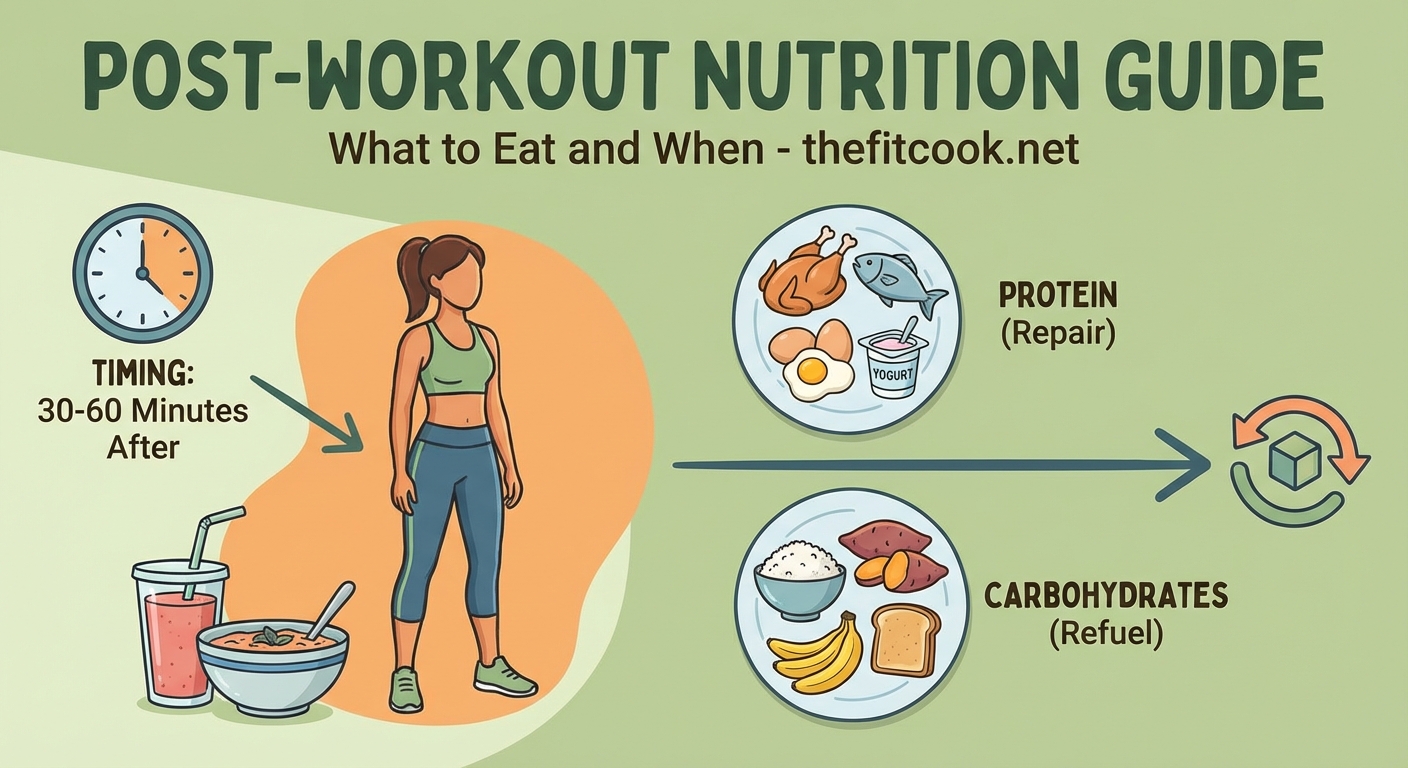
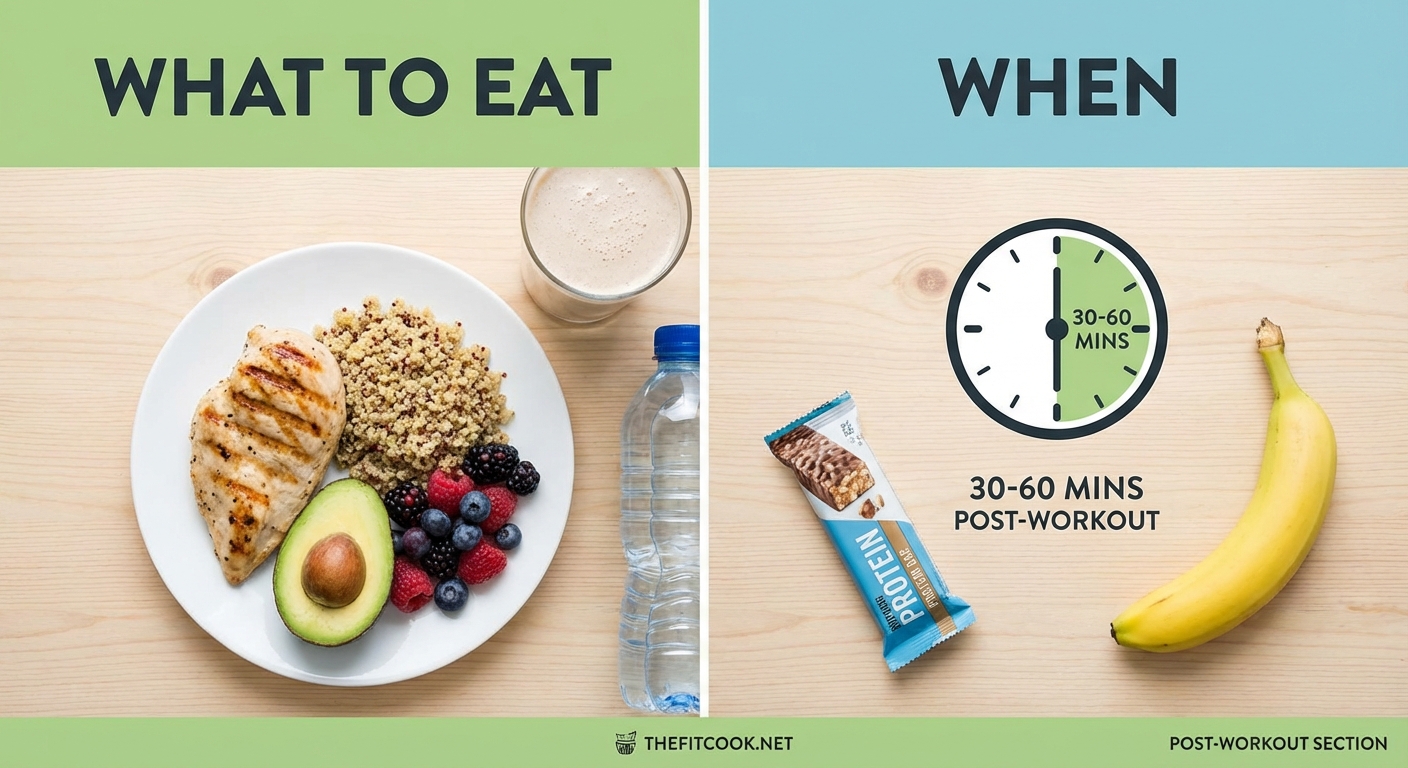
    Your body has about 30 to 60 minutes when it’s primed to absorb nutrients and kickstart recovery. Miss this window with poor food choices, and you’re leaving gains on the table.

    Key Takeaway

    High protein snacks after workout should deliver 15 to 30 grams of protein within an hour of training. Combine protein with simple carbs to replenish glycogen and trigger muscle repair. The best options require minimal prep, taste good, and contain complete amino acid profiles. Skip the processed bars and make real food work for your schedule instead.

    Why Protein Timing Actually Matters for Recovery

    Your muscles don’t grow during workouts.

    They grow during recovery.

    When you train, you create micro-tears in muscle fibers. Protein provides the amino acids needed to repair these tears and build them back stronger.

    Research shows consuming protein within the post-workout window maximizes muscle protein synthesis. This is the process where your body uses amino acids to rebuild damaged tissue.

    But here’s what most fitness articles won’t tell you: the type of protein matters just as much as timing.

    Complete proteins contain all nine essential amino acids your body can’t produce on its own. Animal sources like eggs, dairy, and meat are complete. Most plant proteins need to be combined to provide the full spectrum.

    “Aim for 0.25 to 0.40 grams of protein per kilogram of body weight immediately after training. For a 180-pound person, that’s roughly 20 to 33 grams.” – International Society of Sports Nutrition

    Pairing protein with carbohydrates also speeds recovery. Carbs replenish glycogen stores and trigger insulin release, which helps shuttle amino acids into muscle cells faster.

    What Makes a Post-Workout Snack Actually Work

    Not all protein snacks are created equal.

    Some take too long to digest. Others lack the nutrients your body needs most after training.

    Here’s what separates effective recovery snacks from wasted calories:

    • Digestibility: Your stomach shouldn’t feel like a brick. Choose foods that digest easily.
    • Protein quality: Complete proteins beat incomplete ones for muscle repair.
    • Carb-to-protein ratio: Aim for 2:1 or 3:1 carbs to protein for endurance work, 1:1 for strength training.
    • Minimal prep time: If it takes 30 minutes to make, you’ve already missed the optimal window.
    • Portability: The best snack is the one you’ll actually eat, even when you’re tired.

    The science backs this up. A 2017 study in the Journal of the International Society of Sports Nutrition found that consuming 20 grams of protein after resistance training significantly increased muscle protein synthesis compared to no protein intake.

    Your body can only process about 20 to 40 grams of protein per meal for muscle building. More than that, and you’re just creating expensive urine.

    The Best High Protein Snacks After Workout You Can Make Fast

    Let’s get practical.

    These options deliver the protein your muscles need without requiring a culinary degree or an hour in the kitchen.

    Greek Yogurt Power Bowl

    Mix one cup of plain Greek yogurt with a handful of berries and a tablespoon of honey.

    Protein: 20 grams. Carbs: 35 grams. Time: 2 minutes.

    Greek yogurt contains casein and whey, two proteins that digest at different rates. This gives you both immediate and sustained amino acid delivery.

    Add granola for extra carbs if you did intense cardio. Skip it if you’re watching calories.

    Cottage Cheese and Fruit Combo

    Scoop one cup of cottage cheese into a bowl. Top with sliced peaches or pineapple.

    Protein: 25 grams. Carbs: 20 grams. Time: 90 seconds.

    Cottage cheese is criminally underrated. It’s packed with casein protein, which digests slowly and feeds your muscles for hours.

    The fruit adds natural sugars to spike insulin and drive nutrients into cells.

    Turkey and Avocado Roll-Ups

    Take four slices of deli turkey. Spread mashed avocado on each. Roll them up.

    Protein: 24 grams. Healthy fats: 15 grams. Time: 3 minutes.

    This option works great for low-carb athletes. The healthy fats from avocado support hormone production and reduce inflammation.

    Add a piece of fruit if you need carbs after a glycogen-depleting session.

    Protein Smoothie Done Right

    Blend one scoop of protein powder, one banana, one cup of milk, and a handful of spinach.

    Protein: 30 grams. Carbs: 40 grams. Time: 4 minutes.

    Liquid nutrition digests faster than solid food. Your muscles get amino acids within 20 to 30 minutes.

    Use whey protein for fastest absorption. Casein protein if you want slower, sustained release.

    Frozen fruit makes it taste like a milkshake without added sugar.

    Hard-Boiled Eggs and Rice Cakes

    Eat three hard-boiled eggs with two rice cakes topped with almond butter.

    Protein: 21 grams. Carbs: 30 grams. Time: 0 minutes if you prep eggs ahead.

    Eggs contain the highest quality protein available. They score 100 on the biological value scale.

    Prep a dozen eggs on Sunday. Grab them throughout the week. This is how meal prep actually works in real life, similar to strategies in how to meal prep an entire week of lunches in under 2 hours.

    Tuna Salad on Whole Grain Crackers

    Mix one can of tuna with a tablespoon of Greek yogurt instead of mayo. Spread on whole grain crackers.

    Protein: 26 grams. Carbs: 24 grams. Time: 3 minutes.

    Tuna provides complete protein plus omega-3 fatty acids that reduce exercise-induced inflammation.

    Using Greek yogurt instead of mayonnaise cuts calories and adds extra protein.

    Chocolate Milk and Almonds

    Drink one cup of chocolate milk. Eat a small handful of almonds.

    Protein: 12 grams. Carbs: 30 grams. Time: 30 seconds.

    Don’t laugh. Multiple studies show chocolate milk rivals expensive recovery drinks for post-workout nutrition.

    The 4:1 carb-to-protein ratio is perfect for endurance athletes. The almonds add healthy fats and extra protein.

    Protein Pancakes Made Simple

    Mix one scoop of protein powder, one egg, and half a mashed banana. Cook like regular pancakes.

    Protein: 28 grams. Carbs: 25 grams. Time: 6 minutes.

    This feels like a treat but delivers serious nutrition. Top with berries instead of syrup to keep sugar in check.

    Make a batch on Sunday. Reheat throughout the week for grab-and-go convenience.

    Edamame and String Cheese

    Steam one cup of edamame. Pair with two string cheese sticks.

    Protein: 23 grams. Carbs: 15 grams. Time: 5 minutes.

    Edamame is a complete plant protein, rare among vegetarian options. Combined with dairy, you get diverse amino acid sources.

    This combo works great for vegetarians who want plant-based protein meals for muscle gain.

    Peanut Butter Banana Wrap

    Spread two tablespoons of peanut butter on a whole wheat tortilla. Add sliced banana. Roll it up.

    Protein: 16 grams. Carbs: 45 grams. Time: 2 minutes.

    The high carb content makes this ideal after long runs or intense cardio sessions.

    Peanut butter provides protein plus healthy fats that slow digestion and keep you satisfied longer.

    How to Prep Your Week of Post-Workout Snacks in One Session

    Consistency beats perfection.

    Having snacks ready to grab makes the difference between eating properly and hitting the drive-through.

    Here’s a simple prep routine:

    1. Sunday morning: Hard-boil a dozen eggs. Store them in the fridge with shells on.
    2. While eggs cook: Portion Greek yogurt into individual containers. Add berries to half of them.
    3. After eggs finish: Make a batch of protein pancakes. Stack them with parchment paper between each one. Freeze.
    4. Final step: Prep snack bags with measured portions of almonds, edamame, and crackers.

    Total time: 45 minutes. Snacks ready: 20 to 25 servings.

    This approach follows the same principles as the ultimate macro-friendly freezer meal prep guide for beginners.

    Common Mistakes That Sabotage Post-Workout Nutrition

    You’re training hard. Don’t waste it with these errors.

    Mistake Why It Hurts Better Approach
    Waiting too long to eat Muscle protein synthesis peaks within 60 minutes Pack snacks in your gym bag
    Only eating protein Without carbs, your body may break down muscle for energy Combine protein with simple carbs
    Choosing processed bars Most contain more sugar than protein Make real food work instead
    Inconsistent timing Your body adapts to regular feeding schedules Eat at the same time after each workout
    Skipping post-workout food entirely You lose the prime recovery window Even a small snack beats nothing

    The biggest mistake? Thinking you need expensive supplements.

    Whole foods deliver better nutrition at a fraction of the cost. Save your money for quality ingredients instead of proprietary blends with unpronounceable ingredients.

    If you’re serious about hitting your protein targets consistently, check out how to meal prep 150g protein daily without getting bored.

    Adjusting Protein Intake Based on Your Training Style

    Not all workouts demand the same recovery nutrition.

    Your snack should match your training intensity and goals.

    After strength training: Focus on protein. Your muscles need amino acids to repair and grow. Aim for 25 to 30 grams of protein with moderate carbs.

    After cardio: Prioritize carbs with protein. Long runs or bike rides deplete glycogen stores. Use a 3:1 or 4:1 carb-to-protein ratio.

    After HIIT: Split the difference. High-intensity interval training taxes both systems. Aim for equal parts protein and carbs.

    Rest days: You still need protein for ongoing muscle repair, but you can reduce overall calories. Lower-carb options like turkey roll-ups work well.

    Your body weight also matters. Heavier athletes need more absolute protein, but the ratio stays similar.

    A 150-pound person might need 20 grams post-workout. A 220-pound person might need 30 grams. Both are getting roughly 0.15 grams per pound of body weight.

    Understanding how much protein do you really need after a workout helps you dial in your specific needs.

    Budget-Friendly Options That Don’t Sacrifice Quality

    Quality protein doesn’t require a premium budget.

    Some of the best sources cost less than fancy protein bars.

    Eggs average about 25 cents each. That’s 6 grams of perfect protein for a quarter.

    Canned tuna runs around $1 per can. You get 25 grams of protein for less than the cost of a coffee.

    Greek yogurt in large tubs costs half as much per serving compared to individual cups.

    Buying whole chickens and cooking them yourself cuts protein costs by 40% compared to deli meat.

    Dried beans and lentils provide plant protein for pennies per serving.

    The strategies in 5-day muscle building meal prep on a budget apply equally to snack prep.

    Smart shopping beats expensive supplements every time.

    Plant-Based Protein Options for Vegetarian Athletes

    You don’t need meat to build muscle.

    You just need to be more strategic about protein sources.

    Tempeh and hummus: Slice tempeh and pan-fry until crispy. Dip in hummus. Protein: 22 grams.

    Protein smoothie with hemp seeds: Blend plant protein powder, banana, almond milk, and two tablespoons of hemp seeds. Protein: 28 grams.

    Lentil salad: Mix cooked lentils with diced vegetables and tahini dressing. Protein: 18 grams per cup.

    Tofu scramble: Crumble firm tofu and cook with vegetables and turmeric. Protein: 20 grams.

    Quinoa bowl: Cook quinoa and top with black beans, avocado, and nutritional yeast. Protein: 24 grams.

    The key with plant proteins is combining different sources to get all essential amino acids. Beans plus grains create a complete protein profile.

    Making Your Snacks Taste Good Enough to Stick With

    Nutrition only works if you actually eat it.

    Bland chicken and plain rice might hit your macros, but if you hate eating it, you won’t stay consistent.

    Season your food. Herbs and spices add zero calories but make everything taste better.

    Try cinnamon in Greek yogurt. Garlic powder on eggs. Everything bagel seasoning on cottage cheese.

    Texture matters too. Crunchy elements like nuts or granola make soft foods more satisfying.

    Temperature changes things. Cold smoothies hit different than room-temperature protein shakes.

    Variety prevents boredom. Rotate through different snack options instead of eating the same thing daily.

    If you’re stuck in a food rut, 30 high protein snacks that actually taste like treats offers more creative options.

    The best nutrition plan is the one you can maintain for months, not just weeks.

    Portable Options for Athletes Who Train Away From Home

    Your gym bag should function like a mobile kitchen.

    Pack these items for reliable post-workout nutrition anywhere:

    • Individual protein powder packets
    • Shelf-stable almond milk boxes
    • Nut butter squeeze packs
    • Beef or turkey jerky
    • Dry-roasted edamame
    • Protein bars you’ve vetted for quality
    • Small shaker bottle

    Keep a cooler in your car with ice packs. This expands your options to include:

    • Pre-made protein shakes
    • Hard-boiled eggs
    • String cheese
    • Greek yogurt cups
    • Turkey roll-ups

    The goal is removing barriers between you and proper nutrition.

    When eating right requires zero extra effort, consistency becomes automatic.

    Storage Tips That Keep Your Prep Fresh All Week

    Nothing kills meal prep motivation faster than food going bad on day three.

    Proper storage extends shelf life and maintains food quality.

    Hard-boiled eggs: Keep shells on until you eat them. They last seven days refrigerated.

    Greek yogurt: Store in original container until portioning. Once opened, use within five days.

    Cooked chicken: Slice and store in airtight containers. Use within four days or freeze.

    Protein pancakes: Layer with parchment paper and freeze. They last three months.

    Cut fruit: Store in containers with paper towels to absorb excess moisture. Use within three days.

    Smoothie packs: Pre-portion ingredients in freezer bags. Dump and blend when ready.

    Understanding why your meal prep goes bad after 3 days and how to fix it helps you avoid common preservation mistakes.

    Invest in quality containers with tight seals. Glass containers maintain temperature better than plastic.

    Label everything with prep dates. Your future self will thank you.

    Supplements vs Real Food for Post-Workout Recovery

    Protein powder has its place.

    But it shouldn’t replace whole foods as your primary recovery strategy.

    Real food provides nutrients supplements can’t match. Vitamins, minerals, fiber, and phytonutrients all support recovery in ways isolated protein doesn’t.

    Whole foods also trigger greater satiety. You feel fuller longer compared to drinking a shake.

    That said, protein powder offers convenience when you’re short on time or appetite.

    Use it strategically:

    • When you can’t stomach solid food immediately after intense training
    • When you need to hit protein targets but you’re already full
    • When you’re traveling and food options are limited
    • When you need fast-digesting protein before bed isn’t practical

    Choose whey isolate for fastest absorption. Casein for slow overnight release. Plant blends if you’re dairy-free.

    Skip proprietary blends with mystery ingredients. Look for products with minimal additives and third-party testing.

    The supplement industry wants you to believe you need their products to build muscle. You don’t. You need consistent protein intake from quality sources, whether that’s chicken or powder.

    Building Snacks That Support Your Specific Fitness Goals

    Different goals require different nutritional approaches.

    Fat loss: Prioritize protein to preserve muscle while in a calorie deficit. Keep carbs moderate. Try turkey roll-ups or cottage cheese with vegetables.

    Muscle gain: Increase both protein and carbs to support growth. Your body needs a calorie surplus. Protein pancakes or smoothies with banana work well.

    Endurance training: Emphasize carbs to replenish depleted glycogen. Chocolate milk or peanut butter banana wraps fit this goal.

    General fitness: Balanced options work fine. Greek yogurt bowls or eggs with rice cakes cover your bases.

    Your post-workout snack should align with your overall nutrition strategy, not contradict it.

    If you’re following a low-carb approach for fat loss, don’t sabotage it with high-carb recovery snacks. Options in 30 low carb meal prep recipes that actually keep you full all week can guide your choices.

    Hydration Paired With Protein for Optimal Recovery

    Protein gets all the attention.

    Water deserves equal respect.

    Dehydration impairs muscle protein synthesis. Your body can’t effectively use the protein you’re eating if you’re not properly hydrated.

    During exercise, you lose water through sweat. This reduces blood volume and makes it harder to deliver nutrients to muscles.

    Aim to drink 16 to 24 ounces of water with your post-workout snack.

    Add a pinch of salt if you trained intensely or in heat. Sodium helps your body retain fluids and restore electrolyte balance.

    Skip sugary sports drinks unless you did truly intense cardio for over 90 minutes. Most people don’t need the extra calories.

    Plain water works fine for typical strength training sessions.

    Monitor your urine color. Pale yellow means you’re hydrated. Dark yellow means drink more.

    Your Recovery Starts the Moment You Finish Training

    The weights are back on the rack. Your workout is done.

    But your results aren’t determined yet.

    What you eat in the next hour influences whether today’s training builds muscle or just leaves you sore and depleted.

    High protein snacks after workout don’t need to be complicated. They need to be consistent.

    Pack your gym bag tonight. Prep your eggs on Sunday. Keep it simple and sustainable.

    Your muscles are waiting for the fuel they need to grow stronger. Give them what they’re asking for.

  • The Ultimate Guide to Post-Workout Nutrition: What to Eat and When

    The Ultimate Guide to Post-Workout Nutrition: What to Eat and When

    You just crushed a killer leg day. Your muscles are screaming, your shirt is soaked, and you’re ready to head home. But what you eat in the next few hours could make or break all that hard work you just put in.

    Key Takeaway

    Post workout nutrition fuels muscle repair and glycogen replenishment. Aim for 20-40g protein and 30-60g carbs within two hours of training. Whole foods work just as well as supplements. Your meal timing matters, but consistency with total daily intake matters more. Real recovery happens when you match your nutrition strategy to your training intensity and goals.

    Why what you eat after training actually matters

    Your body doesn’t build muscle during your workout. It breaks muscle down.

    The real magic happens after you leave the gym. That’s when your body shifts into repair mode, rebuilding damaged muscle fibers stronger than before. But it needs raw materials to do the job.

    When you train hard, you deplete glycogen stores in your muscles. You create micro-tears in muscle tissue. You trigger inflammation. Your body is primed to absorb nutrients and start the recovery process.

    Feed it the right fuel at the right time, and you’ll recover faster, build more muscle, and show up stronger for your next session. Skip it or mess it up, and you’re leaving gains on the table.

    The three macronutrients that drive recovery

    The Ultimate Guide to Post-Workout Nutrition: What to Eat and When - Illustration 1

    Protein repairs and rebuilds muscle tissue

    Protein provides the amino acids your muscles need to repair damage from training. Without enough protein after your workout, your body can’t effectively rebuild what you just broke down.

    Research shows that 20-40g of high-quality protein after training maximizes muscle protein synthesis. That’s the scientific term for muscle building.

    More isn’t always better. Your body can only process so much protein at once. Going beyond 40g doesn’t give you extra benefits for most people.

    Best post-workout protein sources:

    • Chicken breast (3-4 oz)
    • Greek yogurt (1-2 cups)
    • Eggs (3-4 whole eggs)
    • Whey protein shake (1 scoop)
    • Salmon (4 oz)
    • Lean ground turkey (4 oz)

    Carbohydrates restore energy and support growth

    Carbs get a bad rap, but they’re essential after training. They refill the glycogen your muscles just burned through. They also trigger an insulin response that helps shuttle nutrients into your cells.

    The amount you need depends on your workout intensity. A light yoga session doesn’t require the same carb reload as a two-hour CrossFit beatdown.

    General guidelines:

    • Light workout (30 minutes, low intensity): 15-25g carbs
    • Moderate workout (45-60 minutes, moderate intensity): 30-45g carbs
    • Intense workout (60+ minutes, high intensity): 50-70g carbs

    If you’re training for muscle building meal prep on a budget, you’ll want to hit the higher end of these ranges consistently.

    Fat plays a supporting role

    Fat won’t hurt your recovery, but it doesn’t need to be a priority immediately after training. It slows digestion, which can delay nutrient absorption.

    That said, if your post-workout meal naturally contains some fat, don’t stress about it. A few grams won’t derail your recovery.

    Save the higher-fat meals for later in the day when rapid nutrient delivery isn’t as critical.

    The truth about the anabolic window

    You’ve probably heard you need to slam a protein shake within 30 minutes of finishing your last set or you’ll lose all your gains.

    That’s mostly myth.

    The so-called “anabolic window” is real, but it’s wider than you think. Your muscles remain primed to absorb nutrients for several hours after training, not just 30 minutes.

    Here’s what actually matters:

    1. If you ate a solid meal 2-3 hours before training: You have more flexibility. Nutrients from that pre-workout meal are still circulating in your system. You can wait 60-90 minutes after training without any issues.

    2. If you trained fasted or ate 4+ hours before your workout: Get food in sooner. Aim for within 60 minutes of finishing your session.

    3. If you’re training twice per day: Timing becomes more important. You need to recover fast for your second session. Eat within 30-60 minutes.

    The real priority is hitting your total daily protein and calorie targets. Meal timing is the cherry on top, not the whole sundae.

    Building the perfect post-workout meal

    The Ultimate Guide to Post-Workout Nutrition: What to Eat and When - Illustration 2

    A solid recovery meal hits three targets: adequate protein, strategic carbs, and easy digestion.

    Here’s a simple framework:

    Component Amount Purpose
    Protein source 20-40g Muscle repair and growth
    Carb source 30-60g Glycogen replenishment
    Vegetables 1-2 cups Micronutrients and fiber
    Hydration 16-24 oz water Rehydration

    Mix and match based on what you have available and what fits your macros. The guide to calculating your macros can help you dial in your specific needs.

    Real post-workout meals that work

    Option 1: The classic bodybuilder plate

    • 6 oz grilled chicken breast
    • 1 cup white rice
    • 1 cup steamed broccoli
    • 1 tbsp olive oil

    Macros: 45g protein, 52g carbs, 8g fat

    Option 2: The breakfast recovery bowl

    • 3 whole eggs scrambled
    • 2 slices whole grain toast
    • 1 medium banana
    • 1 cup berries

    Macros: 28g protein, 58g carbs, 16g fat

    Option 3: The shake and real food combo

    • 1 scoop whey protein
    • 1 cup almond milk
    • 1 medium apple
    • 2 tbsp almond butter

    Macros: 32g protein, 42g carbs, 18g fat

    Option 4: The meal prep warrior

    • 5 oz lean ground turkey
    • 1 medium sweet potato
    • 1 cup roasted vegetables
    • Side salad with balsamic vinegar

    Macros: 38g protein, 45g carbs, 12g fat

    If you’re someone who meal preps lunches for the entire week, you can batch cook these components on Sunday and mix them throughout the week.

    Option 5: The plant-based recovery

    • 1 cup cooked quinoa
    • 1 cup chickpeas
    • 2 cups mixed greens
    • ¼ avocado
    • Tahini dressing (2 tbsp)

    Macros: 24g protein, 62g carbs, 16g fat

    For more ideas, check out the plant-based protein meals guide.

    Common post-workout nutrition mistakes

    The Ultimate Guide to Post-Workout Nutrition: What to Eat and When - Illustration 3
    Mistake Why it hurts The fix
    Waiting too long to eat Delays recovery, especially if training fasted Set a timer for 60-90 minutes post-workout
    Not enough protein Limits muscle protein synthesis Track your intake, aim for 20-40g minimum
    Only drinking a shake Leaves you hungry, misses micronutrients Add whole food or make it a meal replacement
    Overdoing the carbs Can lead to fat gain if not matched to activity Scale carbs to workout intensity
    Skipping post-workout food entirely Wastes the workout, slows progress Prep grab-and-go options ahead of time

    Supplements versus real food

    Protein powders and recovery drinks are convenient. They’re portable, they digest fast, and they’re easy to measure.

    But they’re not required.

    Whole foods provide protein, carbs, vitamins, minerals, and fiber. They’re often more satisfying and keep you full longer.

    “I’ve coached hundreds of athletes. The ones who build the most muscle and perform the best are the ones who prioritize real food first and use supplements to fill gaps, not replace meals.” – Registered Sports Dietitian

    That said, supplements have their place:

    • When you’re training early and don’t have time for a full meal
    • When you’re on the road and don’t have access to a kitchen
    • When you struggle to eat enough protein from whole foods alone
    • When you need something light that won’t upset your stomach

    If you’re curious about how much protein you really need after a workout, the research might surprise you.

    Hydration is part of recovery too

    The Ultimate Guide to Post-Workout Nutrition: What to Eat and When - Illustration 4

    You lose water and electrolytes through sweat during training. Replacing them is just as important as replacing nutrients.

    Dehydration slows recovery, impairs performance, and makes you feel sluggish.

    Simple hydration strategy:

    1. Weigh yourself before and after your workout (if possible)
    2. For every pound lost, drink 16-24 oz of water
    3. Add a pinch of salt or electrolyte powder if you sweat heavily
    4. Sip water consistently throughout the day, not just after training

    If your urine is dark yellow, you’re behind on hydration. Aim for pale yellow throughout the day.

    Adjusting your post-workout nutrition for different goals

    For muscle gain

    • Prioritize higher carbs (50-70g) to support growth and training volume
    • Don’t fear a calorie surplus
    • Consistency matters more than perfection

    For fat loss

    • Keep protein high (30-40g) to preserve muscle
    • Moderate carbs based on workout intensity (20-40g)
    • Watch total daily calories, not just post-workout
    • Consider building the perfect low carb plate if you’re following a lower-carb approach

    For endurance training

    • Carbs become the priority (60-80g or more)
    • Protein still matters but can be slightly lower (15-25g)
    • Electrolyte replacement is critical

    For general fitness

    • Balanced approach: 20-30g protein, 30-40g carbs
    • Focus on nutrient-dense whole foods
    • Don’t overthink it

    How to prep your post-workout meals ahead of time

    The Ultimate Guide to Post-Workout Nutrition: What to Eat and When - Illustration 5

    If you’re someone who struggles to eat after the gym because you’re exhausted, meal prep is your best friend.

    Batch cooking strategy:

    1. Pick 2-3 protein sources: Grill chicken breasts, bake salmon, cook ground turkey
    2. Prep 2-3 carb sources: Cook rice, roast sweet potatoes, prepare quinoa
    3. Chop vegetables: Broccoli, bell peppers, spinach, whatever you like
    4. Portion into containers: Mix and match throughout the week

    Store in the fridge for 3-4 days or freeze for longer. If you’re worried about meal prep going bad after 3 days, proper storage makes all the difference.

    For those short on time, one-pan meal prep recipes can save you hours in the kitchen while still delivering solid nutrition.

    What to eat when you train at different times of day

    Morning training (5-7 AM)

    If you train fasted:
    – Prioritize post-workout meal within 60 minutes
    – Include both protein and carbs
    – This becomes your breakfast

    If you eat before:
    – Light pre-workout snack (banana, toast)
    – Post-workout meal can wait 90 minutes
    – Check out high protein breakfast recipes for ideas

    Midday training (11 AM-1 PM)

    • Eat a solid breakfast 2-3 hours before
    • Post-workout meal becomes lunch
    • More flexibility with timing

    Evening training (5-7 PM)

    Late night training (8-10 PM)

    • Eat a solid dinner before training
    • Keep post-workout meal lighter but still protein-focused
    • Greek yogurt, cottage cheese, or a shake works well

    The role of micronutrients in recovery

    The Ultimate Guide to Post-Workout Nutrition: What to Eat and When - Illustration 6

    Protein and carbs get all the attention, but vitamins and minerals matter too.

    Key micronutrients for recovery:

    • Vitamin C: Supports immune function and collagen synthesis (berries, citrus, bell peppers)
    • Vitamin D: Supports muscle function and testosterone (fatty fish, fortified foods, sunlight)
    • Magnesium: Supports muscle relaxation and sleep (spinach, nuts, whole grains)
    • Zinc: Supports immune function and protein synthesis (meat, shellfish, legumes)
    • Potassium: Supports muscle function and hydration (bananas, potatoes, spinach)

    Eating a variety of colorful vegetables and fruits ensures you’re covering your bases.

    Signs your post-workout nutrition is working

    You should notice:

    • Faster recovery between sessions
    • Less muscle soreness lasting into day three
    • Consistent energy levels throughout the day
    • Strength and performance improving over time
    • Better sleep quality
    • Hunger that’s manageable, not ravenous

    If you’re not seeing these signs, reassess your total daily intake. You might be undereating overall, not just post-workout.

    Putting it all together for long-term success

    Post workout nutrition isn’t about perfection. It’s about consistency.

    You don’t need the fanciest supplements or the most complicated meal plans. You need a simple system you can stick with week after week.

    Start here:

    • Eat within 60-90 minutes of finishing your workout
    • Hit 20-40g protein
    • Add 30-60g carbs based on workout intensity
    • Drink water
    • Track your progress and adjust as needed

    If you can do that most days, you’re already ahead of 90% of people in the gym. The rest is just fine-tuning based on your specific goals and preferences.

    Your muscles are waiting for the fuel they need to grow stronger. Give them what they’re asking for, and they’ll reward you with the results you’re working so hard to achieve.