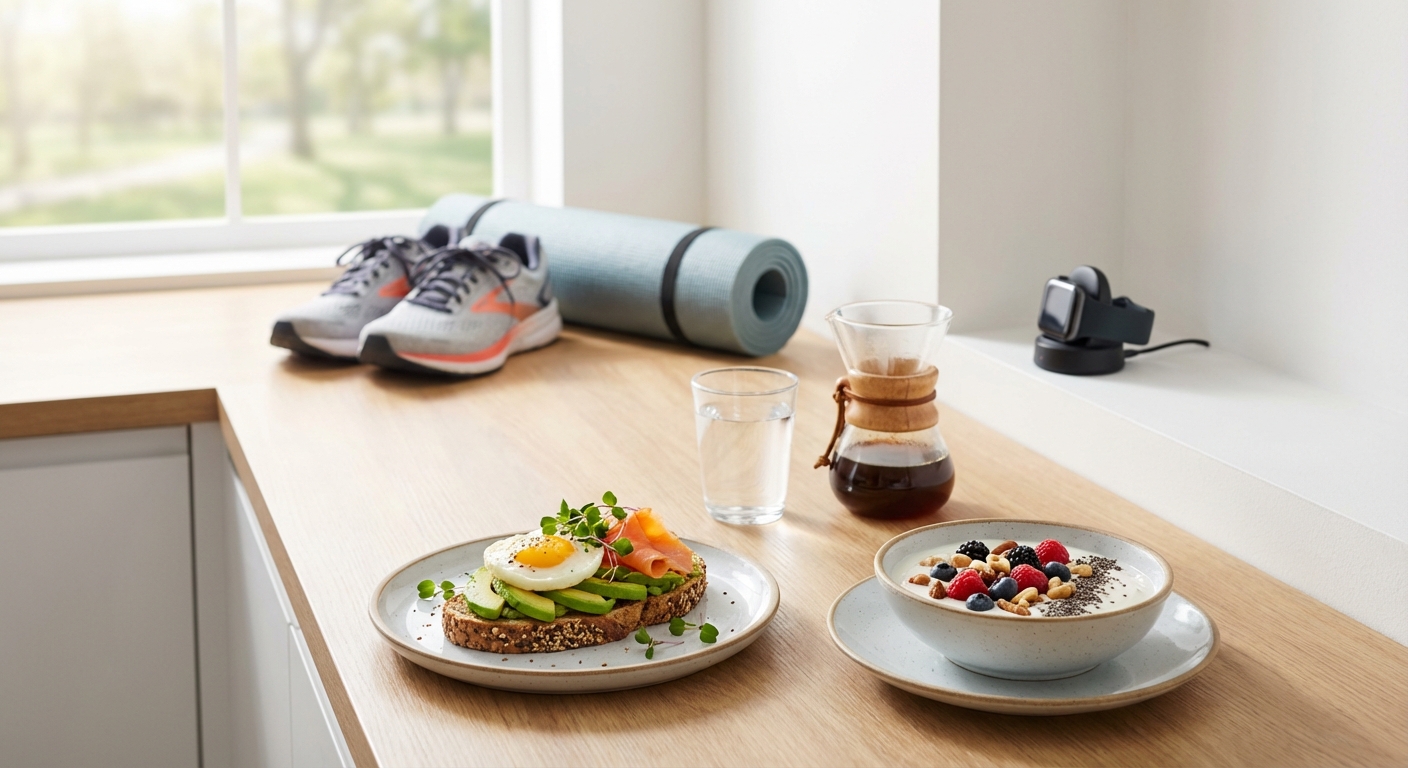
You know that feeling when you eat toast and jam, then crash hard an hour later? Your body just rode a blood sugar rollercoaster, and now you’re hungry, tired, and reaching for more carbs.
Low carb breakfasts break that cycle. They give you steady energy, keep you full longer, and help your body burn fat instead of storing it. Perfect for morning workouts or just getting through a busy day without the 10am snack attack.
Low carb breakfasts prioritize protein and healthy fats over sugar and refined grains. They stabilize blood sugar, reduce cravings, and provide sustained energy for hours. Focus on eggs, Greek yogurt, nuts, seeds, vegetables, and quality proteins. Prep ingredients ahead to make mornings easier. Most recipes take under 15 minutes once you have your system down.
Why Your Breakfast Matters More Than You Think
What you eat in the morning sets the tone for your entire day.
Carb-heavy breakfasts spike your blood sugar fast. Your pancreas releases insulin to handle the surge. That insulin drives your blood sugar down, often too far. Now you’re hungry again, craving more carbs, stuck in a cycle.
Low carb breakfasts keep your blood sugar stable. You get steady energy. Your brain works better. You don’t think about food every hour.
This matters even more if you work out in the morning. You need fuel that lasts, not fuel that crashes halfway through your session.
The right breakfast also helps with body composition. When you’re not constantly spiking insulin, your body can actually access stored fat for energy. That’s the whole point.
What Makes a Breakfast Actually Low Carb
Not all “healthy” breakfasts are low carb.
A smoothie bowl with granola and honey? That’s 60+ grams of carbs, mostly sugar. Oatmeal with dried fruit? Same story. Even whole grain toast adds up fast.
True low carb breakfasts keep total carbs under 20 grams. Some people go even lower. The exact number depends on your goals and how your body responds.
Here’s what to focus on:
- Eggs in any form
- Full-fat Greek yogurt (plain, not flavored)
- Nuts and seeds
- Avocado
- Cheese
- Vegetables (especially leafy greens)
- Quality meats (bacon, sausage, chicken)
- Healthy oils (olive oil, coconut oil, butter)
Here’s what to skip:
- Bread, bagels, muffins
- Cereal and granola
- Pancakes and waffles (unless made with almond flour)
- Most fruit (berries in small amounts are fine)
- Juice
- Flavored yogurt
- Anything with added sugar
The Protein Power Move
Protein should be the star of your low carb breakfast.
Aim for at least 25 grams. That amount triggers muscle protein synthesis, keeps you full, and supports recovery if you’re training.
Eggs are the easiest protein source. Three large eggs give you about 18 grams. Add cheese or meat and you’re well over 25 grams.
Greek yogurt works too. A cup of full-fat Greek yogurt has around 15 to 20 grams of protein. Mix in some nuts or a scoop of protein powder and you’re set.
Leftover chicken, ground beef, or salmon from dinner? Perfect breakfast protein. Don’t let breakfast food rules limit you.
“The best breakfast is one that keeps your blood sugar stable and provides enough protein to prevent muscle breakdown. If you’re training fasted or doing morning workouts, hitting 30 grams of protein at breakfast becomes even more important.” – Registered Dietitian Nutritionist
Eight Low Carb Breakfast Ideas You Can Actually Make
These aren’t fancy. They’re practical, filling, and most take less time than waiting in a drive-through line.
1. The Classic Scramble
Three eggs scrambled in butter with spinach, mushrooms, and cheese.
Cook time: 5 minutes. Carbs: about 3 grams. Protein: 25 grams.
Add hot sauce or everything bagel seasoning for flavor without carbs.
2. Greek Yogurt Power Bowl
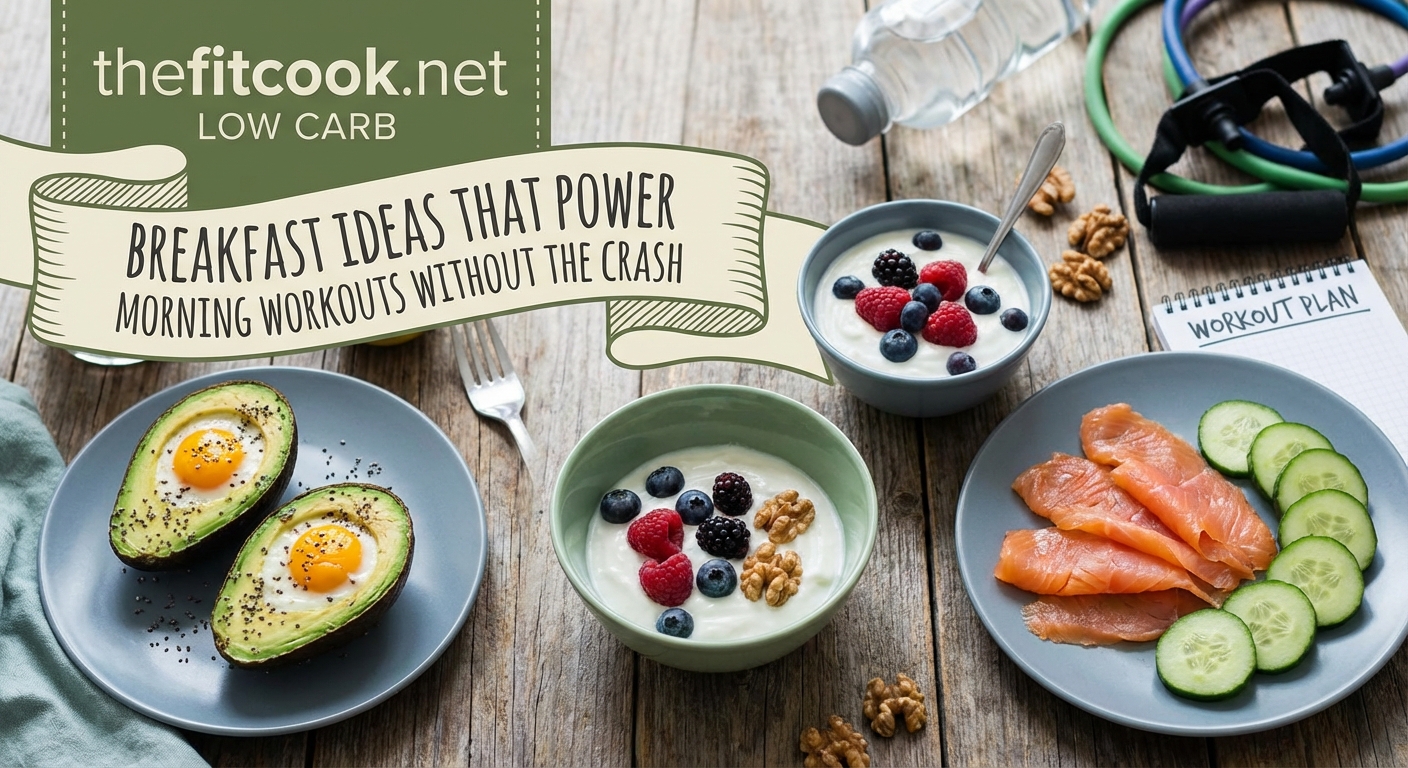
One cup full-fat Greek yogurt topped with a handful of walnuts, a tablespoon of chia seeds, and a few raspberries.
Prep time: 2 minutes. Carbs: 12 grams. Protein: 22 grams.
The fat from the yogurt and nuts keeps you full. The chia seeds add fiber.
3. Breakfast Sausage and Avocado
Two cooked sausage patties with half an avocado, sliced.
Cook time: 6 minutes. Carbs: 4 grams. Protein: 18 grams.
Make a batch of sausage patties on Sunday. Reheat throughout the week.
4. Veggie Egg Muffins
Whisk eggs with diced peppers, onions, and cheese. Pour into muffin tins. Bake at 350°F for 20 minutes.
Make 12 at once. Grab two each morning. Carbs per muffin: 2 grams. Protein: 7 grams.
These reheat perfectly in 30 seconds.
5. Smoked Salmon Plate
Three ounces smoked salmon with cream cheese, cucumber slices, and capers.
Prep time: 3 minutes. Carbs: 4 grams. Protein: 20 grams.
Feels fancy but takes no cooking. Great for busy mornings.
6. Almond Flour Pancakes
Mix two eggs, quarter cup almond flour, and a splash of almond milk. Cook like regular pancakes.
Makes 3 small pancakes. Carbs: 9 grams total. Protein: 14 grams.
Top with butter and sugar-free syrup or a few berries.
7. Breakfast Salad
Spinach, hard-boiled eggs, bacon bits, avocado, and olive oil dressing.
Prep time: 5 minutes if eggs are pre-cooked. Carbs: 6 grams. Protein: 22 grams.
Yes, salad for breakfast. Don’t knock it until you try it.
8. Protein Coffee Shake
Brew coffee, let it cool slightly. Blend with a scoop of protein powder, ice, and heavy cream.
Blend time: 1 minute. Carbs: 3 grams. Protein: 25 grams.
This works when you’re truly rushed but need something substantial.
The Meal Prep Strategy That Actually Works
Mornings are chaos. Prep removes decisions and saves time.
Here’s a simple system:
- Cook a dozen eggs on Sunday (hard-boiled or as egg muffins)
- Brown two pounds of breakfast sausage or ground beef
- Chop vegetables for the week (peppers, onions, mushrooms)
- Portion out nuts and seeds into small containers
- Make a batch of almond flour pancakes or muffins
Store everything in clear containers so you can see what you have.
Now your morning routine becomes: grab, heat if needed, eat. Five minutes max.
You can mix and match components. Eggs with sausage one day. Egg muffins with avocado the next. Same prep, different meals.
Common Mistakes That Sabotage Your Low Carb Breakfast
Even with good intentions, it’s easy to mess this up.
| Mistake | Why It Matters | Fix |
|---|---|---|
| Not enough protein | You’ll be hungry in two hours | Aim for 25+ grams minimum |
| Too much dairy | Some people stall on excess cheese | Limit cheese to 1-2 ounces per meal |
| Hidden carbs in sauces | Ketchup has 4g carbs per tablespoon | Read labels, use hot sauce or mustard |
| Skipping fat | Fat provides satiety and energy | Add butter, oil, or avocado |
| Eating the same thing daily | You’ll get bored and quit | Rotate between 5-7 different options |
| Not preparing anything | You’ll grab whatever’s easy (usually carbs) | Prep at least eggs and protein ahead |
The hidden carbs one trips people up constantly. Coffee creamer, protein bars, “keto” products that aren’t actually low carb. Read every label.
What About Pre-Workout Nutrition
If you train first thing in the morning, timing matters.
Some people train fasted. That works if your workout is under an hour and not super intense. Your body has enough stored glycogen for moderate activity.
For harder sessions, eat something small 30 to 60 minutes before. Good options:
- Two hard-boiled eggs
- A handful of nuts
- Half a protein shake
- A few bites of leftover meat
Keep it small. You want fuel without feeling full or sluggish.
Save your main breakfast for after your workout. That’s when your body needs protein and nutrients for recovery.
Post-workout is the perfect time for that three-egg scramble or Greek yogurt bowl.
Making It Work When You’re Traveling
Hotel breakfasts are carb festivals. Continental breakfast means bagels, muffins, and cereal.
But you can usually find eggs. Most hotels have an omelet station or at least hard-boiled eggs. Add any available vegetables and cheese.
No eggs? Look for:
- Plain yogurt (add your own nuts if you brought them)
- Sausage or bacon
- Cheese
- Avocado if they have a salad bar
Pack emergency backup options in your bag. Single-serve nut butter packets, protein powder, or low carb protein bars work in a pinch.
Coffee shops have options too. Most serve hard-boiled eggs, cheese, or protein boxes now.
The key is planning ahead. Don’t wait until you’re starving to figure it out.
Adjusting Based on Your Activity Level
Not everyone needs the same breakfast.
If you’re sedentary or trying to lose fat, keep portions moderate. Three eggs with vegetables and a small amount of cheese is plenty.
If you’re training hard or very active, you need more. Add an extra egg or two. Include more fat through avocado or nuts. Maybe add a protein shake on the side.
Athletes doing intense morning training might need 35 to 40 grams of protein at breakfast. That could mean four eggs plus sausage, or a large Greek yogurt bowl with added protein powder.
Listen to your hunger signals. If you’re starving two hours after breakfast, you didn’t eat enough protein or fat. If you’re uncomfortably full, you ate too much.
Adjust as you go. Your needs will change based on training volume, stress, and sleep quality.
Budget-Friendly Low Carb Breakfast Options
Low carb doesn’t have to mean expensive.
Eggs are one of the cheapest proteins available. A dozen eggs costs a few dollars and gives you four breakfasts.
Buy meat in bulk when it’s on sale. Freeze what you won’t use immediately. Ground beef, chicken thighs, and pork sausage all freeze well.
Skip the fancy almond flour pancakes and specialty products. Stick with whole foods. Eggs, meat, vegetables, and cheese give you everything you need.
Frozen vegetables cost less than fresh and work just as well in scrambles and egg muffins.
Plain Greek yogurt in large containers costs less per serving than individual cups. Portion it yourself.
Shop sales and plan around what’s cheap that week. Low carb eating can actually save money when you’re not buying processed foods and snacks.
Your Morning Routine Just Got Easier
You don’t need complicated recipes or expensive ingredients to eat low carb at breakfast.
You need protein, healthy fat, and a plan. Cook eggs. Prep some meat. Keep it simple.
Your energy will stabilize. Your cravings will decrease. Your workouts will improve.
Start with one or two breakfast options you know you’ll actually make. Master those. Then add variety as you get comfortable.
The goal isn’t perfection. The goal is consistency. Eating a solid low carb breakfast most mornings will change how you feel and perform.
Pick one recipe from this list. Make it tomorrow morning. See how you feel three hours later compared to your usual breakfast.
That’s all the proof you need.
Leave a Reply