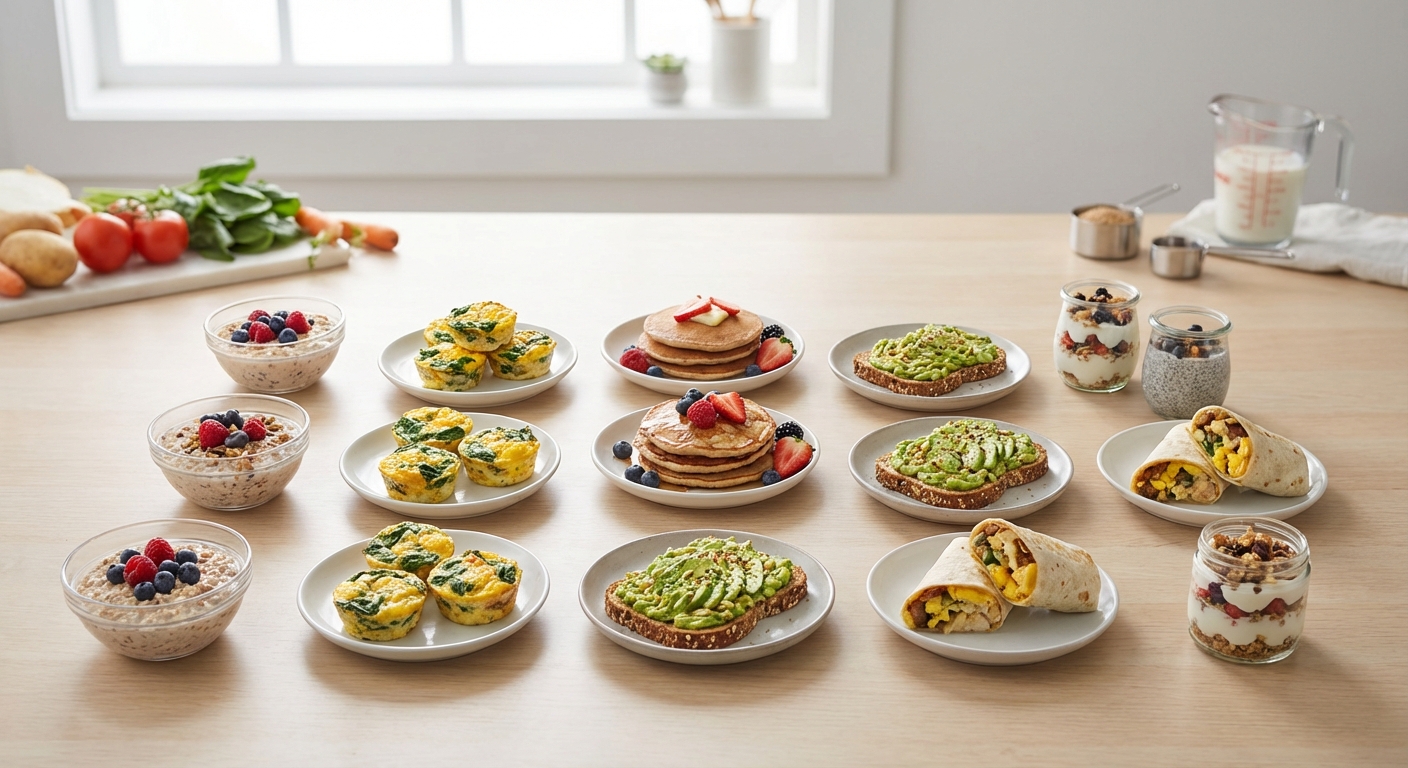
Tracking calories shouldn’t mean starting your day hungry. The right 400 calorie breakfast recipes deliver enough protein, healthy fats, and fiber to keep you satisfied until lunch without derailing your deficit. These meals work for busy parents rushing kids to school, professionals who need grab-and-go options, and anyone who wants structured nutrition without complicated math.
A well-built 400 calorie breakfast should contain 20 to 30 grams of protein, healthy fats, and complex carbs to prevent mid-morning crashes. Focus on whole eggs, Greek yogurt, oats, and lean proteins. Prep ingredients on Sunday for five-minute assembly during the week. Balance your macros based on your goals, whether that’s fat loss, muscle retention, or athletic performance.
Why 400 Calories Works for Most People
Four hundred calories represents about 20 to 25 percent of a typical 1,600 to 2,000 calorie daily intake. This range supports weight loss while providing enough energy for morning workouts, commutes, and focused work.
The magic isn’t in the number itself. It’s in how you spend those calories.
A 400 calorie breakfast built around refined carbs will leave you starving by 10 a.m. The same calorie count from protein, fiber, and healthy fats keeps hunger at bay for four to five hours.
Protein is the anchor. Aim for at least 20 grams per meal. This supports muscle retention during a deficit and triggers satiety hormones that reduce cravings throughout the day.
Building Blocks of a Balanced 400 Calorie Breakfast
Every solid breakfast recipe combines three elements: protein, complex carbs, and healthy fats. Here’s how they work together.
Protein sources (100 to 150 calories):
– Two whole eggs or three egg whites
– Greek yogurt (150g)
– Cottage cheese (100g)
– Lean turkey or chicken breast
– Protein powder (one scoop)
Complex carbs (100 to 150 calories):
– Rolled oats (40g dry)
– Whole grain bread (one slice)
– Sweet potato (100g)
– Quinoa (cooked, 80g)
– Berries (150g)
Healthy fats (50 to 100 calories):
– Half an avocado
– Almond butter (one tablespoon)
– Nuts (15g)
– Olive oil (one teaspoon)
– Chia seeds (one tablespoon)
Add vegetables for volume and micronutrients without adding significant calories. Spinach, tomatoes, peppers, and mushrooms all work.
Macro Targets for Different Goals
Your ideal macro split depends on whether you’re cutting, maintaining, or building muscle.
| Goal | Protein (g) | Carbs (g) | Fat (g) | Example Meal |
|---|---|---|---|---|
| Fat Loss | 30-35 | 30-35 | 10-12 | Egg white scramble with veggies, small sweet potato |
| Maintenance | 25-30 | 40-45 | 12-15 | Two eggs, oats with berries, almonds |
| Muscle Gain | 25-30 | 45-50 | 10-12 | Protein pancakes with banana, Greek yogurt |
These ranges keep you within 380 to 420 calories while supporting your specific training goals.
If you’re training fasted in the morning, prioritize carbs post-workout. If you lift in the evening, focus more on protein and fats at breakfast to stabilize energy.
Five Egg-Based Recipes Under 400 Calories
Eggs deliver complete protein, essential vitamins, and healthy fats. They’re also cheap and cook in minutes.
Veggie-Packed Scramble
Two whole eggs scrambled with one cup spinach, half a diced bell pepper, and 30g feta cheese. Serve with one slice whole grain toast.
Macros: 360 calories, 24g protein, 28g carbs, 16g fat
Mexican Breakfast Bowl
Two eggs cooked over easy on top of 80g black beans, quarter avocado, salsa, and cilantro. Skip the tortilla to save calories.
Macros: 385 calories, 22g protein, 32g carbs, 18g fat
Egg White Frittata Cups
Six egg whites mixed with diced turkey sausage, cherry tomatoes, and onions. Bake in muffin tins. Eat three cups with one small apple.
Macros: 340 calories, 32g protein, 35g carbs, 6g fat
Smoked Salmon Scramble
Two eggs scrambled with 50g smoked salmon, capers, and dill. Serve with 100g roasted asparagus.
Macros: 310 calories, 28g protein, 8g carbs, 18g fat
Breakfast Burrito
Two scrambled eggs with 30g reduced-fat cheese wrapped in a small whole wheat tortilla with pico de gallo.
Macros: 395 calories, 26g protein, 32g carbs, 16g fat
Make frittata cups on Sunday. Store in the fridge for grab-and-go breakfasts all week. They reheat in 45 seconds.
Four Oat-Based Options That Actually Fill You Up
Oats provide slow-digesting carbs and soluble fiber that keeps blood sugar stable. Add protein to make them a complete meal.
Protein Overnight Oats
Mix 40g rolled oats with 150g Greek yogurt, half a scoop vanilla protein powder, cinnamon, and 100g berries. Refrigerate overnight.
Macros: 380 calories, 32g protein, 48g carbs, 6g fat
Baked Apple Oatmeal
Combine 40g oats, one diced apple, cinnamon, and 200ml unsweetened almond milk. Bake at 350°F for 25 minutes. Top with 15g walnuts.
Macros: 365 calories, 10g protein, 52g carbs, 14g fat
Add a scoop of protein powder to boost protein to 30g if needed.
Savory Oats with Egg
Cook 40g oats in chicken broth. Top with one fried egg, sautéed mushrooms, and green onions.
Macros: 340 calories, 18g protein, 42g carbs, 11g fat
Peanut Butter Banana Oats
Cook 40g oats with water. Stir in half a tablespoon peanut butter and half a sliced banana. Add a pinch of salt.
Macros: 350 calories, 11g protein, 52g carbs, 11g fat
Prep overnight oats in mason jars. Make five at once for the entire work week. They last up to five days in the fridge when stored properly, as explained in why your meal prep goes bad after 3 days and how to fix it.
Three High-Protein Yogurt Bowls
Greek yogurt packs 15 to 20 grams of protein per cup. Build around it for a no-cook breakfast.
Berry Protein Bowl
200g plain Greek yogurt topped with 100g mixed berries, 15g granola, and one tablespoon chia seeds.
Macros: 370 calories, 28g protein, 42g carbs, 10g fat
Tropical Protein Bowl
200g Greek yogurt with 80g diced mango, 15g unsweetened coconut flakes, and 10g almonds.
Macros: 385 calories, 26g protein, 38g carbs, 14g fat
Chocolate Peanut Butter Bowl
150g Greek yogurt mixed with one tablespoon cocoa powder, half a tablespoon peanut butter, and one sliced banana.
Macros: 360 calories, 24g protein, 46g carbs, 9g fat
Buy plain yogurt and add your own toppings. Flavored varieties contain added sugars that waste calories without improving satiety.
Two Protein Pancake Variations
Pancakes don’t have to be a cheat meal. These versions deliver protein and complex carbs.
Classic Protein Pancakes
Blend one banana, two egg whites, 30g oats, and half a scoop vanilla protein powder. Cook in a non-stick pan. Top with 100g berries.
Macros: 350 calories, 30g protein, 48g carbs, 4g fat
Cottage Cheese Pancakes
Mix 100g cottage cheese, two eggs, 30g oat flour, and cinnamon. Cook small pancakes. Serve with sugar-free syrup and 80g blueberries.
Macros: 380 calories, 32g protein, 38g carbs, 10g fat
Make a double batch and freeze extras. Reheat in the toaster for a fast weekday breakfast that rivals 10 high protein breakfast recipes ready in under 10 minutes.
Three Toast-Based Meals
Whole grain toast provides fiber and B vitamins. Top it strategically to hit your macros.
Avocado Egg Toast
One slice whole grain bread topped with quarter avocado and one poached egg. Season with everything bagel seasoning.
Macros: 320 calories, 14g protein, 28g carbs, 16g fat
Add 100g cherry tomatoes on the side to reach 360 calories.
Cottage Cheese Berry Toast
One slice whole grain bread topped with 100g cottage cheese and 100g mixed berries. Drizzle with honey (one teaspoon).
Macros: 290 calories, 20g protein, 44g carbs, 4g fat
Add 10g almonds to bring calories to 360 and add healthy fats.
Smoked Salmon Toast
One slice whole grain bread with 50g smoked salmon, 30g light cream cheese, capers, and red onion.
Macros: 280 calories, 20g protein, 26g carbs, 10g fat
Serve with 150g cucumber slices to add volume.
Toast-based meals assemble in under three minutes. Keep smoked salmon and cottage cheese stocked for zero-cook protein sources.
Common Mistakes That Wreck Your Macros
Even well-intentioned breakfast builders make these errors.
Mistake 1: Drinking your calories
A large latte with milk adds 150 to 200 calories before you eat anything. Switch to black coffee or use unsweetened almond milk.
Mistake 2: Eyeballing portions
Two tablespoons of peanut butter can easily become four when you’re not measuring. That’s an extra 200 calories. Use a food scale for calorie-dense items.
Mistake 3: Skipping protein
Oatmeal with fruit sounds healthy but contains only 6 to 8 grams of protein. You’ll be hungry by 10 a.m. Always add Greek yogurt, protein powder, or eggs.
Mistake 4: Forgetting vegetables
Vegetables add volume, fiber, and nutrients without many calories. Spinach, tomatoes, and peppers should appear in most breakfasts.
Mistake 5: Relying on bars and shakes
Protein bars and meal replacement shakes work occasionally but don’t teach you how to build balanced meals. Whole foods provide better satiety and nutrition.
“The biggest mistake I see is people choosing foods based solely on calories instead of how those calories are distributed across protein, carbs, and fats. A 400 calorie muffin and a 400 calorie egg scramble with veggies will affect your hunger, energy, and body composition completely differently.” — Registered Dietitian
Meal Prep Strategy for Five Days
Batch cooking on Sunday sets you up for success all week. Here’s a simple system.
- Cook a dozen hard-boiled eggs. Peel and store in the fridge.
- Prep five servings of overnight oats in mason jars.
- Chop vegetables for scrambles and store in containers.
- Cook a batch of egg frittata cups or protein pancakes.
- Portion Greek yogurt into five containers with toppings on the side.
This approach gives you three different breakfast options each day without cooking every morning. Rotate recipes weekly to avoid boredom, using strategies from how to meal prep 20 high-protein breakfasts in under 2 hours.
What to Eat Before Morning Workouts
Training fasted works for some people. Others need fuel to perform.
If you work out within 30 minutes of waking, keep it light. Try half a banana with a tablespoon of almond butter (150 calories). Save the full 400 calorie meal for post-workout.
If you have 60 to 90 minutes before training, eat a balanced meal with moderate carbs and protein. The veggie scramble or protein oats both work well.
For strength training, prioritize protein and carbs. For steady-state cardio, a mix of all three macros provides sustained energy.
Post-workout nutrition matters more than pre-workout for most people. Learn more about timing in the ultimate guide to post-workout nutrition: what to eat and when.
Adjusting Recipes for Different Calorie Targets
These recipes scale easily if you need more or fewer calories.
To reduce to 300 calories:
– Use egg whites instead of whole eggs
– Cut cheese portions in half
– Reduce oats from 40g to 30g
– Skip added fats like nuts or avocado
To increase to 500 calories:
– Add an extra egg
– Double the nut or seed portion
– Add a piece of fruit
– Include a slice of whole grain toast
Track everything in a food app for the first week. Once you understand portion sizes, you can estimate accurately without constant logging.
Shopping List for Budget-Friendly Breakfasts
These staples cover most of the recipes above and cost less than $50 for a week.
- Eggs (18 count)
- Greek yogurt (large container, plain)
- Rolled oats (large canister)
- Whole grain bread (one loaf)
- Frozen berries (two bags)
- Bananas (bunch of 6)
- Spinach (one bag)
- Bell peppers (3)
- Cherry tomatoes (one container)
- Avocados (2 to 3)
- Natural peanut butter (one jar)
- Cottage cheese (one container)
- Reduced-fat cheese (one package)
- Protein powder (if not already stocked)
Buy in bulk when possible. Eggs, oats, and frozen berries are cheaper at warehouse stores.
For more budget strategies, check out 5-day muscle building meal prep on a budget: complete shopping list included.
Tracking Progress Beyond the Scale
Weight loss isn’t the only measure of success. Pay attention to these signals too.
Energy levels: Do you feel alert and focused until lunch, or are you crashing by mid-morning?
Hunger patterns: Are you satisfied for four to five hours, or are you raiding the snack drawer by 10 a.m.?
Workout performance: Can you complete your training sessions with good energy, or do you feel depleted?
Body composition: Are you losing fat while maintaining muscle, or just seeing the scale drop?
If you’re constantly hungry on 400 calories, you might need to adjust. Some people need 450 to 500 calories at breakfast and can reduce other meals. Others do better with 300 calories at breakfast and larger lunch and dinner portions.
Experiment for two to three weeks before making changes. Your body needs time to adapt to new eating patterns.
Making Breakfasts More Filling Without Adding Calories
Volume matters for satiety. These tricks help you feel fuller without exceeding your calorie target.
- Add vegetables to every meal (spinach, peppers, tomatoes, mushrooms)
- Use cauliflower rice to bulk up scrambles
- Choose high-volume fruits like berries and melon over bananas
- Drink water or herbal tea with your meal
- Eat slowly and chew thoroughly
- Include fiber-rich foods like oats and chia seeds
Protein and fiber work together to slow digestion and extend fullness. A breakfast with 25 grams of protein and 8 grams of fiber will always outperform one with 10 grams of protein and 2 grams of fiber, even at the same calorie count.
Your Morning Routine Matters More Than the Recipe
The best breakfast recipe is the one you’ll actually make. If you hate eggs, don’t force yourself to eat them just because they’re high in protein. Find alternatives that work for your preferences and schedule.
Consistency beats perfection. Eating a solid 400 calorie breakfast five days a week will get you better results than eating a “perfect” breakfast twice and skipping the rest of the week.
Start with two or three recipes you know you’ll enjoy. Master those before adding variety. Once you’re comfortable with the basics, branch out to new ingredients and combinations.
Your breakfast should support your goals, fit your lifestyle, and taste good enough that you look forward to it. When those three factors align, hitting your calorie and macro targets becomes effortless instead of a daily struggle.
Leave a Reply